
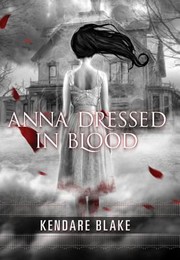
Anna Dressed in Blood
2,622-word summary 12 min read 316 pages in the book
- First published
- 2011
- Publisher
- Tor Teen
- Pages
- 316
- ISBN
- 9780765328656
- Series
- Anna (#1)
Reading options
What's inside (9 sections)
I picked this one up because a friend promised me a ghost story that actually scared her, and she was right about the first forty pages. Theseus Cassio Lowood, who goes by Cas, kills the dead for a living at seventeen. First published in 2011 by Tor Teen, at 316 pages in the edition cited here, it opens the Anna series as book one, followed by Girl of Nightmares. The premise sounded simple on the jacket. It turned out stranger and sadder than I expected.
Cas comes from a line of hunters. His father did the same work with the same knife, a ceremonial athame, until a ghost killed him when Cas was seven. Now Cas travels town to town with his mother, a kitchen witch who wards houses with herbs and salt, and their cat Tybalt, who can smell the dead. School is temporary. Friends are temporary. The job is to find a local murder legend, confirm the ghost is dangerous, and send it on with the athame. Move, hunt, kill. That rhythm held until Thunder Bay, Ontario.
The local story concerns Anna Korlov, called Anna Dressed in Blood. In 1958 she left for a school dance in a white dress and never came home alive. Her throat was cut, her body left in a way the town still whispers about, and her spirit settled into the deserted Victorian where she lived. Since then anyone who steps inside tends not to step out again. Limbs torn, bodies broken against walls, blood on floorboards. Cas arrives with his mother on a tip from his usual informant and enrolls at the high school to listen for details.
Thunder Bay gives him two people who change the pattern. Carmel Jones is popular, sharp, and kinder than her reputation. Thomas Sabin is quiet, awkward, and genuinely psychic in a way that makes parties hard for him. His grandfather knows more about local spirits than he first admits. Cas means to use Carmel for gossip and Thomas for readings, then leave. He makes the mistake of liking them. A night dare led by Carmel's ex-boyfriend Mike takes Cas to Anna's house, where the boys knock him down and run. Anna appears in her bloodied dress, black hair hanging, face white with fury, and rips Mike apart in front of Cas. It is brutal and quick. Then she looks at Cas, really looks, and lets him walk out. No ghost has ever done that. He goes home shaking, athame useless in his hand, and cannot explain why he feels seen rather than lucky.
That sparing becomes the question that drives the middle of the book. Cas returns alone, then with Thomas and Carmel, to watch and probe. Anna speaks to him. She remembers fragments. She keeps the torn bodies of her victims in the house with her, a court of the dead that mutters and shifts. She hates them and cannot let them go. When Cas speaks Finnish phrases his mother taught him, Anna answers with a flash of the girl she was before 1958. Polite. Funny, even. Then rage takes her again and the walls bleed.
Blake handles this back and forth well. Anna is not a misunderstood sweetheart with a little anger. She is dangerous. She has killed dozens, some of them stupid teenagers, some of them curious adults, and she relished parts of it because fury felt better than grief. Cas knows this. He keeps telling himself the job is to kill her. Yet every visit shows more control in her when he is near, and he starts to wonder if the curse around her can be broken without destroying her.
The house on the hill
The Victorian itself works as a character. Wallpaper peels in damp strips. A basement door stays cold even in summer. Blake describes smells, copper and rot and old perfume, more than floor plans, which makes the place feel close. When Anna is calm, dust hangs still. When she turns, glass cracks in frames.
Carmel and Thomas change the air in there. Carmel brings nerve and a blunt refusal to scream on cue. She asks Anna direct questions when Cas goes careful. Thomas hears residue that Cas cannot, children's rhymes, a radio song, a mother shouting in Finnish. His gift gives the group their first solid thread. Anna did not die at random. Her death involved her own home and people who should have protected her.
I liked how ordinary high school scenes sit next to hauntings. Cafeteria talk, parking lot confrontations, Carmel smoothing over rumors about Cas being weird. That normal life makes the night visits heavier. Cas has never had this. He has never stayed anywhere long enough for someone to save him a seat. Part of him wants the case to take longer so the friendship lasts. That wish scares him more than Anna does, because wanting a life makes the knife heavier.
The cat earns his keep here. Tybalt hisses at thresholds and vanishes when the air turns wrong. Cas trusts the cat's nose over his own courage.
What Anna remembers
With help from his mother and Thomas's grandfather, Cas sets a working to hold Anna still long enough to show her past. It is not a clean exorcism scene. Candles gutter, salt lines smear, Thomas bleeds from the nose from strain, Carmel holds a flashlight with shaking hands. Anna fights the hold, then yields when Cas promises he wants truth, not a kill.
What comes through is ugly. Anna was sixteen, bright, and trapped with a mother who practiced old witchcraft and a stepfather-to-be who looked at her with predatory interest. The night of the dance she wore white against her mother's orders. There was shouting about shame. Then a knife, her mother's hand, her throat cut on the stairs while the man watched. Not a stranger in the woods. Home.
Her mother did more than murder. She bound Anna with spells meant to keep her close, spoken in Finnish, tied to blood and house and guilt. The binding twisted grief into hunger. Anna woke dead and furious, unable to leave the property, surrounded by echoes of each person she tore apart. She remembers killing but not always why she started each time. The dead she keeps whisper to her, feeding shame that flips into rage.
Cas takes this hard. His father taught him that ghosts lie to survive. Anna's story checks out through details Thomas could not have guessed, like the placement of furniture in 1958 and a song played that night. Belief shifts his goal from dispatch to rescue. He tells Carmel and Thomas he wants to free Anna from the house without cutting her with the athame, which has always meant final death for spirits. They agree to help, though Thomas points out the obvious risk. If they fail, they die in a locked house with something that has killed for fifty years.
Friends, jokes, and Ghostbusters
One reason the book stays readable through grim material is the banter. Cas narrates with dry humor and a teenager's impatience with adults. He names Ghostbusters as a reference point, argues with his mother about wards, teases Thomas about his thrift-store jackets, and trades barbs with Carmel about who is using whom for popularity. The pop culture nods could feel cute, and once or twice they do, but mostly they sound like real kids deflecting fear.
Carmel surprised me most. Early pages set her up as the pretty guide, and she refuses that box. She calls out Cas when he treats people as sources. She returns to the house after seeing Mike die there, which takes more guts than anything Cas does with a magic knife. She brings practical help, rides, cover stories, first aid, and later a weapon when spells fail. Her friendship with Thomas grows in a believable way, two outsiders orbiting a strange new boy.
Thomas carries the softest scenes. He reads minds without meaning to, which makes school loud and lonely. With Cas he drops some of that guard, because Cas does not flinch at weird. Thomas wants to be brave in a story that keeps telling psychics to stay in the car. He does not stay in the car.
Cas's mother is not the clueless parent waiting at home. She knows the work, hates what it took from her husband, and fears it will take Cas the same way. She cooks protection into food and argues for leaving town when Anna proves stronger than expected.
The thing attached to the knife
Halfway through, bodies appear that Anna did not kill. Torn in a different way, eaten more than broken. Bite marks match the wounds that killed Cas's father years earlier. Cas starts dreaming of a thin man with filed teeth, waking with his throat raw. His athame feels cold at odd hours. Tybalt avoids him.
The explanation lands hard. The ghost that murdered his father, a practitioner of Obeah, a dark sorcery built on murder and consumption, did not simply vanish after that kill. It attached itself to the athame when Cas took up the blade. Every ghost Cas has sent on since fed it. It rode with him town to town, growing stronger, waiting until Cas faced something big enough to hide behind. Anna was bait without knowing it. The sudden change in her behavior that drew informants to Thunder Bay came from this thing pressing near.
Morfran, an older practitioner Thomas's grandfather knows, names it plainly. The Obeahman kills and eats power. He wants Anna because she is strong, old, and full of stored death. He wants Cas because revenge tastes sweet and the boy carries his father's echo. Normal wards will not stop him. Iron slows him. The athame, the one tool Cas trusts, is compromised because the enemy lives in its shadow.
This twist reframes earlier scares. Cas thought his nightmares were stress. Readers may have thought Anna was reaching him in sleep. Both were wrong. The book plays fair with clues, the cat's fear of Cas, the knife cold in warm rooms, the sense of being watched between hunts. On reread those moments point one way. I admired that construction even when the lore around Obeah felt compressed into a few rushed conversations.
Will, a minor classmate who steals the athame hoping to play hero, speeds disaster. He and his friend Chase try their own break-in at Anna's house and end up dead, consumed in a way Anna never consumed. Their deaths prove the new predator's appetite and remove any hope this ends with a simple rite. From here the group stops planning a rescue and starts planning a trap.
Luring the eater
The plan is desperate and simple. Use Anna as bait in her own house, where she is strongest, and strike when the Obeahman comes to feed. Cas will cut Anna with the athame to spill power and draw the eater close. It might kill her. She agrees anyway, because she would rather risk an end than remain a cage for rage. That consent scene is brief and plain, which makes it hit. No speeches about love saving souls. Just two tired teenagers agreeing to face worse together.
Preparation mixes witch work with teen logistics. Cas's mother and the older practitioners layer circles and counterwords against the binding. Carmel stocks flashlights and salt, and later picks up an aluminum bat when magic proves thin. He and Anna talk through a half-open door the night before, about music and school dances. It is the gentlest passage in the book and the saddest.
The fight itself is messy in a good way. The Obeahman arrives wearing stolen faces and cold, too fast to track, strong enough to throw grown people through plaster. Spells light and die. The bat connects and does little. Thomas screams under psychic pressure. Cas's mother holds a line with voice going hoarse. Blake keeps geography clear despite chaos, stairs, landing, basement mouth, so the reader always knows where bodies are.
Anna turns the battle. She opens the way her mother once opened, a tear down through the house into black, the same Hellmouth logic her binding used. She seizes the Obeahman and drags him with her into that dark rather than let him take Cas and the others. Cas tries to hold her, hand on her wrist, her dress wet and cold, and she lets go on purpose to save him. The house exhales. Silence comes back like snow. What remains is absence where fury lived.
I will not pretend the mechanics are fully clear. How much of Anna survives that drag, what the dark exacts, where eaten power goes, these stay foggy. The emotion is clear, though. A girl who killed for decades chooses to stop killing by spending herself. A boy who came to execute learns to grieve instead.
What works and what strains
Strengths start with voice. Cas sounds seventeen without sounding like a joke about teenagers. He is arrogant about hunting, ignorant about people, tender when caught off guard. His narration carries horror, romance, and comedy without dropping any thread for long. Anna earns sympathy without being excused. Blake lets her remain frightening after we learn her history, which keeps the romance from turning soft.
The horror set pieces deliver. The first house entry, the basement cold spot, the moment Anna's victims press close and whisper names, these images stuck with me. Injuries have weight, adults notice missing kids. That grounding helps a ghost story about teenagers feel serious.
Criticism is fair too. The middle investigation repeats house visits with similar beats. Enter, talk, flare of violence, retreat to plan. Readers who want plot speed may skim. The Obeah lore arrives late and leans on exposition from elders who appear mostly to explain. A longer build for that villain across earlier towns would have helped. Will's theft of the athame also relies on him acting foolish at exactly the wrong hour, which felt staged to force crisis.
Romance balance mostly holds. Cas and Anna kiss and promise, but Blake does not pretend love cures haunting. Their connection grows from attention, Cas listens, Anna answers, rather than destiny talk.
As an opener at 316 pages, this moves fast and leaves threads open for book two without cheating. If you want horror with heart, ghosts with rules, and a hunter who learns mercy costs more than killing, start here. If you need tidy lore and slow burns, the rushed magic theory may test you.
Why Thunder Bay matters
Setting does quiet work. A small Canadian city on a lake, winter near, houses spaced wide, woods close enough to swallow sound. Outsiders notice accents and hockey talk while locals notice who belongs. Cas as an American newcomer stands out without Blake making a point of it. That slight displacement mirrors Anna's stuck state. Both are out of place, one by moving too much, one by never moving at all.
Time matters too. 1958 against now creates friction. Anna's manners and ideas about dances bump against cell phones and school gossip. Those small exchanges build intimacy faster than declarations. They also underline loss.
The Finnish thread adds texture without becoming costume. Words of binding and a mother's lullaby remembered wrong make Anna specific rather than generic dead girl. Her mother used heritage as chain, which gives Cas's use of the same language to free her extra sting.
Readers sensitive to gore should know what waits. Throats, torn limbs, eaten flesh, described directly but not lingered over for sport. The worst violence serves story. I flinched twice and kept reading, which for me marks the line well kept.
FAQ
When was Anna Dressed in Blood published?
Tor Teen published Anna Dressed in Blood in 2011. The cited edition runs 316 pages and opens the Anna series as book one.
Is it part of a series?
Yes. It is book one of the Anna series, followed by Girl of Nightmares. Cas, Carmel, and Thomas return as the fallout grows.
Similar books
More from Anna first, then related titles.
House of Salt and Sorrows
Annaleigh Thaumas investigates her sister's death in a cursed island manor where the balls are illusions and the sea god is always listening.
2,025-word summary · 9 min read
Gallant
Mute Olivia Prior returns to Gallant manor where ghouls walk and a shadow Recommends.
2,081-word summary · 9 min read

Vow of Thieves
Kazi and Jase return to Tor's Watch to find it occupied, and their marriage is tested by captivity, betrayal, and a war for the town of Hell's Mouth.
2,059-word summary · 9 min read
The Lost Sisters
Taryn Duarte writes a letter to her twin, Jude, explaining how she fell for Locke and why she stayed silent while he used them both.
1,914-word summary · 9 min read

Archenemies
Nova steals for the Anarchists while Adrian hides his Sentinel identity, and a serum that erases prodigy powers puts them both at risk.
2,485-word summary · 11 min read

The Siren
Saved from a shipwreck in 1930, Kahlen becomes a siren who sings men to their deaths for the Ocean, until a boy in a college library makes her want a life she…
2,369-word summary · 11 min read
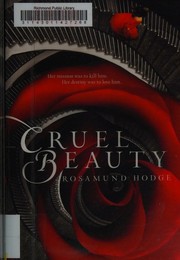
Cruel Beauty
A girl raised to kill the demon prince who rules her cursed land instead falls in love with him, in a retelling that mixes Beauty and the Beast with Bluebeard…
2,669-word summary · 12 min read
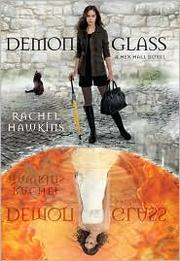
Demonglass
Sophie Mercer spends the summer at the Council's English estate, where two new demons, a suspicious host, and Archer's return complicate her plan to remove her…
2,771-word summary · 12 min read
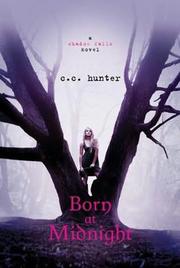
Born at Midnight
Kylie Galen is sent to a camp for troubled teens and discovers it is a haven for vampires, werewolves, and witches, and that she may be something stranger…
2,310-word summary · 10 min read

The Rose & the Dagger
Shahrzad is pulled from her Caliph husband and left in a desert camp of rebels, needing to break his curse and end a war before it ends her.
2,520-word summary · 11 min read

We Hunt the Flame
In a fractured Arabia-inspired world, a disguised huntress and a prince-assassin race to find a magic-restoring book and confront an ancient evil.
2,195-word summary · 10 min read
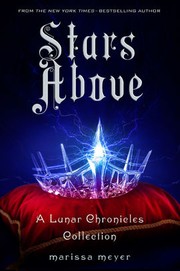
Stars Above: A Lunar Chronicles Collection
Nine Lunar Chronicles stories fill in the histories of Cinder, Wolf, Thorne, Cress, Winter, and Jacin, and end with a wedding after the war.
2,230-word summary · 10 min read
Lore
Lore Perseous, the last of a hunted bloodline, is pulled back into the Agon when a wounded Athena offers her revenge against the god who killed her family.
2,188-word summary · 10 min read
Cemetery Boys
A trans brujo in East Los Angeles summons the ghost of a boy who refuses to move on, and together they uncover a murder hidden beneath Día de los Muertos.
1,997-word summary · 9 min read
Blue Moon
Ever Bloom tries to save her immortal boyfriend, Damen, from a mysterious illness while a new student named Roman quietly takes control of her school and her…
1,998-word summary · 9 min read
An Enchantment of Ravens
Isobel, a mortal artist in the fairy town of Whimsy, paints a portrait of the autumn prince and falls in love with him, breaking the laws of her craft.
2,087-word summary · 9 min read
Switched
A Minnesota teenager who can make people obey her discovers she is a changeling troll princess, and the hidden kingdom she came from wants her back.
2,131-word summary · 9 min read
A Reaper at the Gates
The Martial capital falls to an army of ghosts, Elias becomes the Soul Catcher, and Laia and Helene pay brutal prices as the Nightbringer moves to free the…
1,991-word summary · 9 min read
Fable
Abandoned on a lawless island at fourteen, Fable spends four years diving for gems to buy passage off it, straight into the cutthroat trade of the Narrows.
2,320-word summary · 10 min read
World After
Penryn wakes from near-death to find her altered sister Paige hunted as a monster, and follows her into the angels' scorpion factory and Uriel's coup.
2,213-word summary · 10 min read
The Prison Healer
Kiva, a teenage healer in a death prison, volunteers to face four elemental trials for a dying rebel queen, and the truths she uncovers change everything.
2,062-word summary · 9 min read

The Indigo Spell
Sydney Sage hunts an aging witch, learns forbidden magic, and finally admits she loves Adrian, while the Alchemist tattoo on her cheek may be controlling her.
2,604-word summary · 12 min read
Emerald Green
Gwyneth must close the blood circle that will crown an immortal tyrant, and the prophecy says her death is the final lock.
2,044-word summary · 9 min read
Beautiful Chaos
Ethan Wate is losing himself piece by piece as the broken Order of Things demands a sacrifice, and the answer may be the last person anyone expected.
2,068-word summary · 9 min read
Wayward Son
Simon and Baz road trip America after the war to decide what normal means.
2,505-word summary · 11 min read

Warm Bodies
Zombie R eats Perry, spares Julie, and starts turning human again.
2,366-word summary · 11 min read
This Savage Song
Monster hunter Kate meets August, a monster who plays violin.
2,574-word summary · 11 min read
These Hollow Vows
Brie trades with the Unseelie to save her sister and steals for a prince.
2,384-word summary · 11 min read

The Winner's Curse
An aristocratic girl buys a slave who is secretly a prince plotting rebellion.
2,124-word summary · 9 min read