
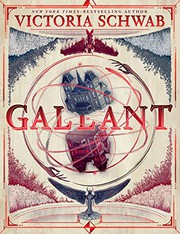
Gallant
2,081-word summary 9 min read 338 pages in the book
- First published
- 2022
- Publisher
- Greenwillow Books
- Pages
- 338
- ISBN
- 9780062835772
Reading options
What's inside (7 sections)
I read Gallant on a gray afternoon with rain on windows, which suited a book about houses and shadows. Greenwillow Books published it March 1, 2022, a 338 page hardcover with ISBN 9780062835772. It is a standalone gothic fantasy novel. It follows Olivia Prior, mute orphan, to Gallant manor where ghouls walk and a shadow House mirrors. If you like Secret Garden meets Crimson Peak, quiet horror with heart, this fits. Expect mood over plot, belonging over battles.
Olivia Prior has grown up in Merilance School for girls. All she has of her past is her mother journal which unravels into madness. She does not speak, not from injury but choice after loss. She sees ghouls, half formed figures others ignore. They watch her with hunger or warning. Then a letter invites her home to Gallant. Yet when she arrives, no one expects her. Cousin Matthew is hostile. Servants whisper. She stays anyway because Gallant feels like first home, even with cold halls. She will not leave the first place that wants her, even if wanting looks like warning.
Matthew Fair? Actually Matthew Prior, cousin, rules Gallant in uncle absence. He tells Olivia two rules. Do not go out after dusk. Always stay on the right side of garden wall. He says it harshly because fear sounds like anger. He lost parents to House. He fears Olivia will follow. Olivia, who has survived school by watching, nods and disobeys kindly. She explores by day, maps halls, reads mother journal, follows ghouls at safe distance. She learns Gallant hides a seam where shadow meets source. A wall at right moment becomes door. Beyond is Gallant but not, crumbling, where ghouls are solid and a Master rules.
House and shadow
Gallant manor as place deserves detail. Main side is faded grandeur, dusty portraits, locked rooms, garden wall with iron gate. Shadow side is rot, wet stone, red light, ghouls with faces. Olivia crosses by touching wall at dusk while thinking of belonging. Manuel Sumberac illustrations show both, spare lines that chill. Main house empty but clean. Shadow house full but wrong. The Master of the House waits there, charming and cold, offering Olivia a place beside him. He claims Prior blood ties them. He is not lying, which makes offer tempting. Belonging with monsters versus loneliness among humans. That choice is the book.
Olivia muteness works beautifully. She communicates by notebook, gestures, looks. Schwab writes her interiority richly. She notices sounds, smells, light. She remembers mother humming. She feels ghouls breath. Her silence is not absence. It is attention. Other characters project onto it. Matthew thinks defiance. Servants think rudeness. Master thinks kinship. Readers learn to listen with her. When she finally speaks, or writes a crucial word, impact lands because silence preceded. Teachers should note how disability representation respects agency. Olivia is not fixed by speaking. She chooses when words matter.
Mother journal threads through. Pages grow madder toward end, drawings of doors, warnings not to come, then come. Olivia reads in order, then out of order, finding hidden messages in margins. Her mother loved Gallant and feared it. She left Olivia at school to protect, not abandon. That revelation reframes orphan ache. Olivia was placed, not discarded. Knowing does not erase years alone, but softens. When Olivia must decide whether to guard seam or join Master, mother words guide. Protect the world, even if world never thanked you. Prior duty is love with work clothes, like Abhorsen bells in another book I love.
Matthew arc mirrors Olivia. Hostile boy who lost parents to shadow, tasked too young with guarding. He pushes Olivia away to save her. She stays, proving Prior stubbornness. They go from enemies to wary allies to family. He shows her safe paths by day. She shows him shadow paths by necessity. Together they face Master. His fear of her power, she can open doors he cannot, turns to trust when she returns each time. Sibling bond without romance, rare in YA, handled well. They bicker about rules, share bread, stand together at wall. That companionship warms cold house more than fires.
Ghouls and Master
Ghouls as figures ache more than scare. Half formed in daylight, solid in shadow, they are Prior dead stuck at seam. They gesture, moan, reach. Olivia sees them clearly because she is Prior and silent, attuned. Others dismiss as imagination. One ghoul, a girl with Olivia eyes, may be mother echo. Another, a boy, may be Matthew brother? I will not spoil. Their hunger is not evil. It is unfinished. They want to be seen, named, released. Olivia names them in notebook. That naming is mercy. Horror that asks for witness, not flight, suits Schwab at best. Garth Nix fans will feel home.
Master rules shadow with courtesy that chills. He offers Olivia tea, stories, a throne beside. He says our world is honest, no pretending. He shows her Gallant whole, no rot, if she joins. Temptation is belonging without effort. No more school rules. No more being odd. Just be Prior with him. Olivia considers because loneliness is heavy. What saves her is memory of small kindnesses, Matthew sharing blanket, servant leaving soup, dog? Actually no dog, but housekeeper word. Those crumbs outweigh feast because freely given. She refuses. Refusal costs. Master drops courtesy. Final confrontation is not battle of swords but of doors. Who holds seam. Who closes. Olivia chooses guard duty she never asked, because someone must. That choice, lonely and proud, ends the book on ache and hope.
Fair criticism is fair. At 338 pages, middle wanders halls. Olivia explores, finds door, retreats, repeats. Plot readers may skim for Master scenes. Illustrations help but cannot carry pace alone. Schwab prose, lush and gorgeous, sometimes overwrites simple actions. Doors sigh. Shadows breathe. Enough. Still, mood is point. If you want fast twists, look elsewhere. If you want to live in a house with ghosts and choose kindness, stay.
Who should read. Ages thirteen and up fits. There is gothic horror, death, grief, no explicit sex, mild language. Fans of Neil Gaiman Coraline, Holly Black Doll Bones, Melissa Albert Hazel Wood will feel home. Pair with Addie LaRue for other Schwab bargain with darkness. Read on rainy days with tea. Note doors in your own house that feel thin at dusk. Do not cross without notebook. Name what you see. Belonging comes from guarding, not joining shadow. Olivia learns. So will you, quietly, after last page, when house creaks and you listen kinder.
Silence, journals, and Prior duty
Olivia silence as narrative choice deserves craft attention because Schwab risks a mute lead in YA. It pays through heightened senses. Sounds sharpen. Footsteps echo differently on main versus shadow floors. Smells, rot versus polish, guide. Light, gray versus red, warns. Readers attune with her because dialogue does not dominate. When others speak, words land harder in quiet. Matthew harsh rules sound harsher. Master honeyed offer sounds sweeter. That contrast teaches listening as power. Quiet kids will feel seen. Loud readers will learn to pause. Teachers should use Olivia to discuss communication beyond speech. Notebooks, looks, touches all speak. Respect them.
Mother journal as inheritance shows how paper parents. Pages start neat, then fray as madness or truth grows, depending how you read. Drawings of doors with teeth. Warnings in margins. Love notes between fears. Olivia reads in order first, then backwards, finding hidden acrostics. That rereading mirrors reader experience with the book itself. First pass for plot. Second for clues. Schwab plants journal hints fairly. A door mentioned on page twenty opens on page two hundred. A name misspelled hides an anagram. Young mystery fans will delight in decoding. Keep pencil handy. Margins invite notes. Write back to mother as Olivia does. Grief needs dialogue, even one sided.
Prior duty as theme closes the book with weight beyond gothic. Priors guard the seam between worlds, not for glory but because bloodline compels. Olivia never asked. Neither did Matthew. Neither did mother. They serve anyway, at cost of normal lives. That idea, duty without consent, troubles modern readers rightly. Schwab does not resolve. She shows Olivia choosing duty after seeing alternative. Join Master and belong easily. Guard and belong hardly. Olivia picks hard belonging with Matthew, servants, ghouls she names. That choice reframes duty as love, not chain. Serve what you love, even if unasked. The seam holds because someone stays. Staying is Prior magic more than blood. Remember when houses feel thin. Guard by naming. Stay by caring. Enough.
Matthew, servants, and staying
Matthew Prior as boy lord deserves sympathy beyond hostility. Given Gallant too young after parents died at seam, tasked with rules he barely understands, he pushes Olivia away to save her from duty that broke him. His harshness is fear in uniform. He checks walls nightly. He feeds ghouls to keep them calm. He writes letters he never sends asking for help. When Olivia stays despite him, he softens in inches. Shows her safe stairs. Warns which ghoul moans loudest. Shares bread without words. Their sibling bond forms through chores, not talks. That quiet building suits two silent children. By the end he stands beside her at wall, not ahead. Equals in guarding. Family found through staying, not blood alone. Remember when meeting prickly boys. They may be guarding seams you cannot see. Be patient. Bring bread.
Servants keep Gallant running and know more than masters. The housekeeper who leaves soup for Olivia though told not to. The gardener who trims near wall though afraid. The maid who hums mother songs Olivia half remembers. Each serves Priors while fearing House. Their small kindnesses sustain Olivia more than grand Master offers. When shadow presses, servants bar doors, hold candles, pray in kitchens. They do not fight with bells. They hold with presence. That domestic courage grounds gothic. Houses stand because someone sweeps, cooks, watches. Honor them. Olivia does by book end, learning names, thanking plainly. Those thanks matter more than Prior blood. Care maintains seams better than power. Sweep daily. Watch nightly. Stay.
The Master final offer and refusal need last thought because temptation was real. Belong easily, rule beside, never be odd. Olivia, lonely for years, hears home in his voice. She steps toward shadow and feels warmth. What stops her is memory of small kindnesses freely given. Matthew blanket. Servant soup. Mother journal love between lines. Those crumbs outweigh feast because freely given, not priced. She refuses. Master drops courtesy and shows teeth. She holds door anyway, shaking, silent, staying. That staying, not slaying, wins. Seams close when guarded, not conquered. Olivia learns guarding is belonging. Stay to belong. Name to free. Enough for one quiet girl to hold a house between worlds. Enough for readers to close book and listen kinder when houses creak.
Ghouls named and doors held
Ghouls named one by one show mercy as plot, not decoration, and deserve listing. The girl with Olivia eyes who hums mother song. The boy with Matthew frown who guards stairs. The old gardener who still trims shadow roses. Olivia writes each name in notebook as learned, though no one taught. Naming steadies them. They follow her at distance, less hungry. When Master calls them to attack, named ghouls hesitate. That hesitation saves Matthew once, Olivia twice. Small mercies compound. Horror that can be eased by attention feels different from evil to be slain. Teach kids this. Name fears. They shrink though not vanish. Olivia models. Notebook open. Pencil ready. No banishing rites. Just names and bread crumbs left at doors. Enough to hold seams through nights.
Doors held, not slammed, close the book with craft worth noting. Olivia learns which doors to open, which to guard, which to lock with iron and words. Garden wall door at dusk opens to shadow when touched thinking of belonging. She learns to think of duty instead, which changes where it leads. Bedroom doors bar with chairs. Chapel doors open with hymns hummed off key. Master door, tall and red, opens only when she speaks her full name, Olivia Prior, without flinching. That naming as key mirrors ghoul naming. Identity opens. Shame locks. By end she moves through Gallant like keeper with keys, not prisoner with fears. Readers who felt powerless in big houses, schools, will feel shift. Learn doors. Name yourself. Hold seams for others who cannot yet. Staying is Prior magic more than blood. Practice it in your own halls. Knock kindly. Guard gently. Stay.
FAQ
When was Gallant published?
Greenwillow Books published it March 1, 2022. The hardcover runs 338 pages with ISBN 9780062835772.
Is it part of a series?
No. It is a standalone gothic fantasy novel.
What age is it for?
Ages 13 and up fits best. There is gothic horror, death, and grief.
Similar books
Anna Dressed in Blood
Ghost hunter Cas meets Anna, the ghost who kills back.
2,622-word summary · 12 min read
Miss Peregrine's Home for Peculiar Children
Jacob Portman finds his grandfather dead in the woods, follows a cryptic letter to a ruined orphanage in Wales, and meets children living inside a repeating…
2,331-word summary · 10 min read
The Tale of the Body Thief
Lestat trades bodies with a psychic thief for one day of mortality and ends up trapped, sick, and hunting his own vampire body.
2,069-word summary · 9 min read
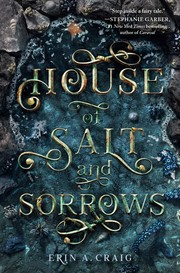
House of Salt and Sorrows
Annaleigh Thaumas investigates her sister's death in a cursed island manor where the balls are illusions and the sea god is always listening.
2,025-word summary · 9 min read
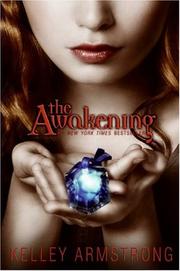
The Awakening
Chloe Saunders flees Lyle House with Derek, Simon and friends while her necromancy wakes fully and the Edison Group hunts them.
2,428-word summary · 11 min read
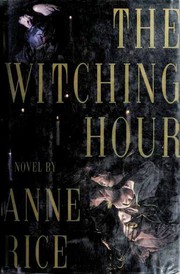
The Witching Hour
A San Francisco surgeon inherits a haunted New Orleans house where a spirit has courted her witches for centuries, until a Christmas Eve birth gives it living…
2,953-word summary · 13 min read
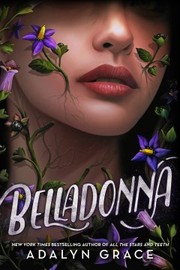
Belladonna
Poison-immune orphan Signa Farrow hunts a gothic killer at Thorn Grove with Death as ally and suitor, while cousin Blythe fades and her ghost mother asks for…
2,868-word summary · 13 min read
Library of Souls
Jacob must use hollows to free ymbrynes from a soul jar fortress.
1,989-word summary · 9 min read
The Summoning
Chloe Saunders sees ghosts and lands in Lyle House, a group home for troubled teens with hidden powers and a secret tied to the Edison Group.
2,579-word summary · 11 min read
The Graveyard Book
A toddler escapes the murder of his family and is raised by ghosts in a graveyard, learning from the dead while the killer who hunts him waits outside.
2,786-word summary · 12 min read
This Savage Song
Monster hunter Kate meets August, a monster who plays violin.
2,574-word summary · 11 min read
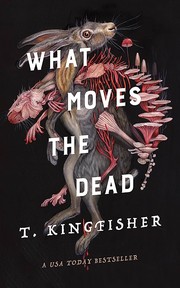
What Moves the Dead
Alex Easton arrives at the Usher house to find Madeline dying, the tarn full of fungus, and the local hares refusing to stay dead.
2,586-word summary · 11 min read
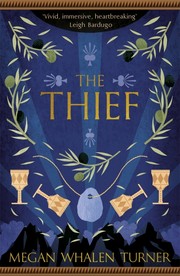
The Thief
A boastful young thief is pulled from a prison to steal a legendary stone for the king's magus, and the story he tells about himself is not the whole story.
2,514-word summary · 11 min read

Inkdeath
The final Inkworld novel sends Mo into the land of the dead, leaves Meggie choosing between two boys, and ends the Adderhead's immortality with three written…
2,062-word summary · 9 min read
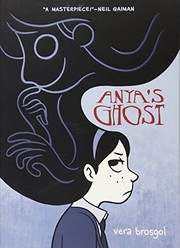
Anya's Ghost
A lonely Russian immigrant falls into a well, befriends the ghost trapped there, and discovers that the ghost's help comes with a dangerous price.
2,001-word summary · 9 min read

Anatomy: A Love Story
In 1817 Edinburgh, a noblewoman who wants to be a surgeon disguises herself to study anatomy and falls for the grave robber who supplies her with bodies.
2,031-word summary · 9 min read

Vow of Thieves
Kazi and Jase return to Tor's Watch to find it occupied, and their marriage is tested by captivity, betrayal, and a war for the town of Hell's Mouth.
2,059-word summary · 9 min read
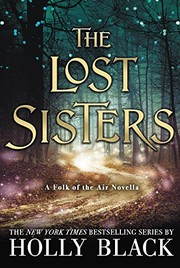
The Lost Sisters
Taryn Duarte writes a letter to her twin, Jude, explaining how she fell for Locke and why she stayed silent while he used them both.
1,914-word summary · 9 min read
The Icebound Land
Captured and enslaved in Skandia, Will fights a drug that erases him while Halt and Horace cut a bloody road through Gallica to bring him home.
2,088-word summary · 9 min read

Lioness Rampant
Alanna searches for the Dominion Jewel with the Shang Dragon, then returns to Tortall to face Duke Roger at Jonathan's coronation.
2,478-word summary · 11 min read

Iron Widow
Wu Zetian enlists to avenge her sister, kills her pilot, and becomes an Iron Widow in a mecha Huaxia where the machines are built to kill women.
2,444-word summary · 11 min read

Archenemies
Nova steals for the Anarchists while Adrian hides his Sentinel identity, and a serum that erases prodigy powers puts them both at risk.
2,485-word summary · 11 min read
Wilder Girls
At a quarantined boarding school off Maine, three girls with strange mutations search for a missing friend and learn what the adults have hidden.
2,594-word summary · 12 min read

The Siren
Saved from a shipwreck in 1930, Kahlen becomes a siren who sings men to their deaths for the Ocean, until a boy in a college library makes her want a life she…
2,369-word summary · 11 min read

Night Film
A disgraced journalist investigates the death of a reclusive horror director's daughter, following a red coat through hospitals, secret clubs, and a family…
2,690-word summary · 12 min read
Dealing with Dragons
A princess who hates embroidery runs away to become the cook and librarian for a dragon, then has to outthink wizards, knights, and a plot against the dragon…
2,563-word summary · 11 min read
Cruel Beauty
A girl raised to kill the demon prince who rules her cursed land instead falls in love with him, in a retelling that mixes Beauty and the Beast with Bluebeard…
2,669-word summary · 12 min read
Chainsaw Man, Vol. 1: Dog and Chainsaw
A broke teenage devil hunter and his chainsaw dog get a second life, a government leash, and a fight that stops mid-swing in Fujimoto's horror comedy.
2,584-word summary · 11 min read
A Head Full of Ghosts
A broke Massachusetts family lets a reality TV crew film their daughter's exorcism, and fifteen years later the only survivor tries to explain what really…
2,588-word summary · 12 min read

The Golem's Eye
Two years after The Amulet of Samarkand, Nathaniel is a rising bureaucrat, Bartimaeus is his unwilling servant again, and something made of clay is tearing…
2,299-word summary · 10 min read