
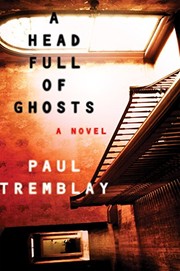
A Head Full of Ghosts
2,588-word summary 12 min read 286 pages in the book
- First published
- 2015
- Publisher
- William Morrow
- Pages
- 286
- ISBN
- 9780062363237
Reading options
What's inside (9 sections)
I finished this book at my kitchen table with every light in the apartment on, which is not how I planned the evening. I had picked it up because I wanted a possession novel for October, and because the premise sounded like a gimmick I could enjoy from a safe distance: a broke family in Massachusetts, a fourteen-year-old girl who may or may not be possessed, and a reality TV crew filming the exorcism. What I got was quieter and meaner than that. The exorcism is almost beside the point. The real horror is the family deciding what story to tell about their daughter, and the camera crew helping them tell it.
Paul Tremblay published the novel in 2015. William Morrow, 286 pages in the edition I read. It won the Bram Stoker Award for Novel, and it is dedicated to Shirley Jackson, which is a warning and a promise. Merry Barrett's name echoes Merricat Blackwood, and the book shares Jackson's interest in a household that has already gone wrong before the first page. But Tremblay is doing his own thing with the material. He is less interested in whether a demon is real than in how people use the question.
The interview
The book opens with twenty-three-year-old Merry Barrett in her South Boston apartment, making coffee for Rachel Neville, a writer who wants to turn the family's story into a book. Merry is funny and guarded, with a performer's instinct. She talks about her blog, her bartending jobs, the residuals from the show. She says her memories are "kind of foggy, and um, loose," and the phrase does a lot of work. Fifteen years have passed since the events. Merry was eight when they happened. She is telling Rachel what she remembers, and she is also telling Rachel what she has decided to remember.
The novel moves between that interview and Merry's first-person account of the winter when she was eight. It also includes blog posts from Karen Brissette, who writes a horror blog called The Last Final Girl. Karen has watched The Possession hundreds of times. She analyzes the edits, the reenactments, the way the show sexualizes Marjorie and turns John into the sympathetic father. Her posts are funny and sharp and occasionally insufferable, which is part of the point. Late in the book we learn that Karen is Merry. She has been writing about her own family as if she were a stranger with a remote control.
That structure could have been a stunt. It works because each layer makes the others less trustworthy. Merry's memory is unreliable. The show is edited. Karen's blog is a performance. Rachel's book will be another version. By the end, there is no clean copy of the truth, only a stack of versions.
The Barretts before the cameras
Marjorie is fourteen during the winter the book revisits. She used to tell Merry stories based on Richard Scarry's Cars and Trucks and Things That Go, silly stories with characters and jokes. Now she tells different stories. In one, green vines grow over the world and two sisters hide in a cabin. Their mother is dead. Their father has poisoned her and is poisoning one of the sisters. Someone is pounding on the door. Marjorie draws the vines in green crayon and makes Merry promise to remember.
Merry is eight. She adores Marjorie and is also afraid of her. Marjorie sneaks into her room at night, hears voices she calls "them," and has episodes that leave her parents frightened and exhausted. She humiliates Merry, threatens her, and then apologizes with a joke. At one point she hums a song Merry does not know, draws letters on Merry's back, and spells out "Gloomy Sunday." It is a creepy scene because it is so deliberate. Marjorie is intelligent and theatrical, and she knows how to use a room. Sickness is only part of what is wrong in that house.
Some of Marjorie's episodes are physical in a way that is hard to read. She clings to the bare wall of her bedroom like a spider, and she has punched holes in the drywall. She has violent outbursts. She smears blood and waste on the floor of the upstairs hallway while Merry begs their mother for help. She tells Merry she will rip her tongue out if Merry tells on her again, then acts as if it was a joke. The effect is to make her suffering feel like a medical crisis and a real threat at once.
John, their father, has been out of work for more than a year. Sarah, their mother, is the one bringing in money, and the marriage is fraying. John has turned back to the Catholic Church. Sarah has not. He lies about looking for work and takes Marjorie to see Father Wanderly, the local priest, instead of her psychiatrist, Dr. Hamilton. When Marjorie calms down at the church, John takes it as evidence. Sarah calls it something closer to superstition.
The novel is good at the ordinary pressure inside the house. The parents argue about money and medication. Merry hides under the kitchen table to listen. John yells. Sarah retreats. Marjorie gets worse. Nobody is a monster in these early chapters, which is what makes the later chapters hurt. They are tired people making bad decisions for reasons that make sense to them.
The offer
Father Wanderly prays with Marjorie, then goes further. He suggests an exorcism, and he contacts a production company. This is the part that made me put the book down for a minute. A priest arranging a TV deal sounds like satire, but Tremblay plays it straight. The family needs money. The show needs a story. The church needs publicity. Everyone gets something, except Marjorie.
The show is called The Possession. It is a reality series with reenactments, which means actors play the Barretts in staged scenes while the real family is filmed in the house. The crew installs cameras in the ceilings. A production family poses on the lawn. Barry Cotton, the producer and director, talks to Merry like a baby when her parents are around and like a person when they are not. Ken Fletcher, the head writer, is kinder. He plays with Merry, interviews her, and gives her a handheld camera. She likes him. She wants to be helpful.
The family is paid, and the money matters. The show becomes a hit. The neighbors get a reason to stand outside and yell. Merry goes to school and hears about the show. Sarah starts to regret the whole thing. John becomes more convinced that the demon is real. Marjorie tells Merry she is faking. She says she is doing it for the money, that the family needs the show, that she can turn it on and off. Merry believes her and does not believe her. She also lies to Ken during the interviews, exaggerating what happened in the basement, because she wants the show to be good.
That is one of the smartest moves in the book. Merry is a witness, and also a participant in the fiction. She makes the story more dramatic because she is eight and wants the adults to be pleased with her. The reader has to hold that in mind every time Merry describes a scene. The novel is not asking us to trust the child. It is asking us to notice how badly the child wanted to be part of the story.
The Possession
The show sections are where the book becomes a satire of reality TV without losing the family. Karen's blog posts interrupt with observations about the editing. She points out that the show edits Merry's angry outburst to make Marjorie look worse. She notes that the camera lingers on Marjorie's body in ways that are gross and unnecessary. She argues that the show's emotional center is John, the unemployed father, because a struggling man is easier for an audience to sympathize with than a sick girl. Karen is often funny. She is also often cruel, and some of that cruelty is aimed at her own family.
The reenactments are staged, but the fear in the house is not. Marjorie gets worse. Sarah stops defending the show. John becomes more volatile and more religious. The production company gets its footage. The show airs. People recognize the family. A crowd gathers outside the house. John goes out to confront them. The ordinary embarrassment of being on television turns into something closer to a siege.
The exorcism is scheduled for the final episode. Father Wanderly and Father Gavin come to the house. Marjorie is tied to her bed. The family watches. The cameras watch. Marjorie begs to be let go. She bites Father Gavin. She gets out of the restraints, which Karen later says were tied loosely by Sarah, and threatens that everyone will die. Merry yells at her to stop faking. Then Merry runs.
The final image of the show is Marjorie jumping from the stair railing and seeming to float for a moment before she falls. Karen insists the float is an editing trick, a slowed frame, a bit of post-production magic. Maybe. The novel does not confirm it. Marjorie is badly hurt. The jump is treated as a suicide attempt. She goes to a hospital and then comes home. The show is over. The crew leaves. John feels abandoned by the church. He is furious and humiliated. Sarah is exhausted. Merry is eight and has seen too much.
What happened at dinner
The last section is the one that made me reread the opening. A month after the show ends, Marjorie comes to Merry with a plan. She shows her news stories about fathers who killed their families after losing jobs or status. She says John is one of those men. She says he has a shrine in the basement and a jar of potassium cyanide. She gives Merry the jar and tells her to put the powder in the spaghetti sauce. The plan, she says, is to make their parents pass out so the sisters can run. Merry does it. She stirs the powder into the sauce. At dinner, Marjorie eats the sauce too.
Merry's account is horrifying and also full of holes. She says she transferred Marjorie's fingerprints onto the jar. She says she went to the basement afterward to find the shrine and found nothing. She says she was manipulated. Rachel has the police report. The only discernible fingerprints on the jar are John's. The rest are smudged. Merry was not found by her Auntie Erin after three days, as she remembers. She was found under the kitchen table with her family's bodies, and the detail about her mother's hand is worse than anything in the exorcism.
So what happened? There are at least four possible stories. John poisoned the family and killed himself. Marjorie manipulated Merry into doing it. Merry did it herself and has built a story to survive it. Or something supernatural was in the house, and the possession was real. The novel does not choose. It gives you enough evidence to argue for any of them and enough contradictions to undermine each one.
The Karen reveal matters here. Merry has spent years writing about her family as a horror fan, dissecting the show, mocking the editing, claiming authority over the narrative. That is not the behavior of a passive victim. It is the behavior of someone who has been trying to control the story since she was eight. When Rachel asks her what she believes, Merry says she believes what she wrote. That is not the same as telling the truth.
Where it works and where it strains
The best parts of the book are the domestic ones. John and Sarah fighting in the kitchen. Marjorie telling the vine story. Merry hiding under the table. The show crew turning the house into a set. The exorcism itself is almost anticlimactic, which I think is intentional. The real violence is the family deciding that Marjorie's illness is a spiritual problem, then selling the solution to strangers.
The worst parts, for me, are the blog posts. They are clever, and they do important work, but they also stop the story. Some of them go on too long about horror tropes. A reader who does not care about The Blair Witch Project or The Yellow Wallpaper may skim them. I did, once or twice, and I do not think I missed anything essential. The frame story with Rachel is also thin in places. She is a good listener and a useful source of information, but she is not a character with much interior life. She exists to ask Merry questions.
The ambiguity is the point, but it is not always satisfying. If you want a book that tells you whether Marjorie was possessed, this one will frustrate you. If you want a clean solution to the poisoning, it will frustrate you too. The ending is not a puzzle with a hidden answer. The evidence is laid out, and the book refuses to pick a side. I think that is a strength, but I understand why some readers throw the book across the room.
It is also not a scary book in the jump-scare sense. There are a few images that stuck with me, especially Marjorie's story about the vines and the final shot of her on the stairs. But the dread comes from watching adults fail a child. If you are looking for a fast, supernatural thrill ride, this is slower and sadder than the cover suggests.
There is a fair question about whether the book uses mental illness as a horror device. Tremblay is careful to show that Marjorie is not the only person in the house who needs help. John's religion, Sarah's exhaustion, and the show's greed all make her worse. The novel is more interested in the family's failure than in diagnosing Marjorie. Still, the "is she possessed or schizophrenic" question is the engine of the plot, and some readers will find that framing uncomfortable. I think the book earns it by making the exorcism the real abuse, but I would not argue with someone who feels otherwise.
Who should read it
Read it if you like horror that is more interested in families than monsters, and if you are willing to sit with an ending that refuses to explain itself. Read it if you have ever watched a reality show and wondered who agreed to be on it and what they were paid. Read it if you like books that argue with their own narrators.
Do not read it if you need a clear villain, or if graphic descriptions of mental illness and family death will be too much. The book is not gratuitous, but it is specific. Marjorie's episodes are written with a lot of detail, and the final dinner is not softened. It is also a book about a child being used by adults, which is its own kind of horror.
I keep thinking about the title, and about how much of the book happens inside Merry's memory. The show is still being argued about online. The novel's last scene is in a coffee shop, and the room gets colder. Merry can see her breath. Rachel does not know what to believe. Merry hugs her goodbye and leaves. Rachel is still sitting there with her notes.
FAQ
Does A Head Full of Ghosts confirm that Marjorie is possessed?
No. The novel keeps the question open: her symptoms could be severe mental illness, demonic possession, or a performance she puts on for the show, and the ending does not settle it.
Who is Karen Brissette?
Karen Brissette is the pseudonym Merry Barrett uses for her horror blog, The Last Final Girl. Her posts analyze The Possession as if she were an outside fan, and the novel reveals the connection near the end.
What happens to the Barrett family?
John, Sarah, and Marjorie die from potassium cyanide in the spaghetti sauce, and Merry survives. Merry says Marjorie gave her the poison and told her to put it in the sauce, but the police report and the fingerprint evidence leave her account in doubt.
Similar books
How to Sell a Haunted House
Siblings Louise and Mark must empty puppet filled parents house that fights back.
2,085-word summary · 9 min read

Lisey's Story
Two years after her novelist husband dies, Lisey Landon follows a trail of clues into his childhood and the other world that made him a writer.
1,998-word summary · 9 min read
Authority
The new director of the Southern Reach takes over an agency that is hiding the truth about Area X, and the building starts to change around him.
2,029-word summary · 9 min read

The Wasp Factory
Iain Banks's 1984 debut follows Frank Cauldhame, an isolated sixteen-year-old on a Scottish island, as his brother's escape and a family secret unravel his…
2,248-word summary · 10 min read
A Scanner Darkly
Undercover narc Fred is ordered to surveil a drug user named Bob Arctor in near-future Orange County, not realizing the man on the screen is himself.
2,251-word summary · 10 min read
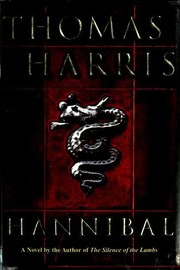
Hannibal
Lecter hides in Florence while Starling and Verger close in from both sides.
2,590-word summary · 12 min read
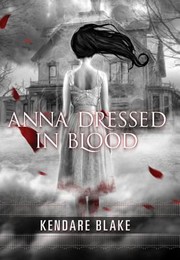
Anna Dressed in Blood
Ghost hunter Cas meets Anna, the ghost who kills back.
2,622-word summary · 12 min read
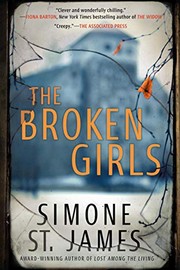
The Broken Girls
A journalist revisits her sister's murder while a restored boarding school gives up a girl missing since 1950.
2,579-word summary · 11 min read
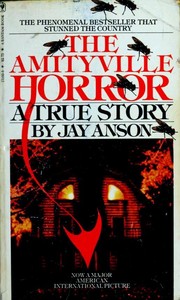
The Amityville Horror
The Lutz family flees 112 Ocean Avenue after 28 days of cold spots, voices, and flies, following DeFeo murders.
2,088-word summary · 9 min read
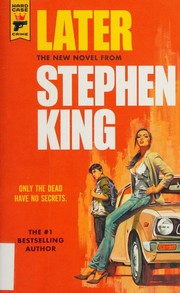
Later
Boy Jamie Conklin sees dead people who must answer truthfully, pulling him into NYPD cases and a drug crew's greed.
2,009-word summary · 9 min read
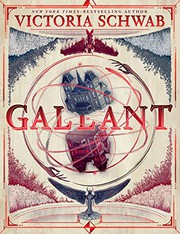
Gallant
Mute Olivia Prior returns to Gallant manor where ghouls walk and a shadow Recommends.
2,081-word summary · 9 min read
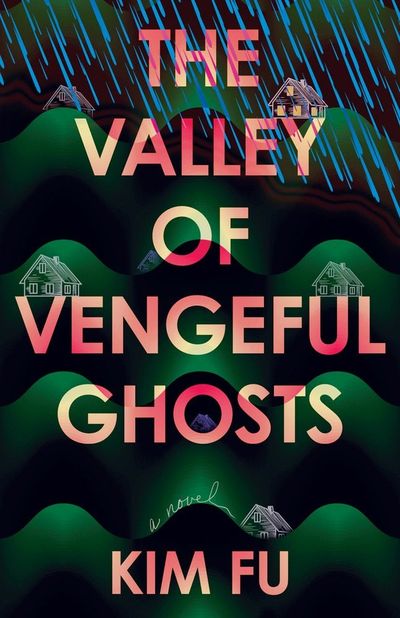
The Valley of Vengeful Ghosts
A grieving therapist buys a model home in a rainy valley where the walls leak ghosts.
2,035-word summary · 9 min read
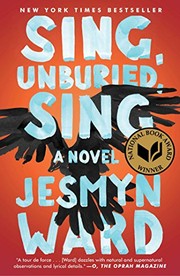
Sing, Unburied, Sing
A Mississippi family drives to Parchman prison while ghosts press close, and a dying grandmother holds the house together.
2,871-word summary · 13 min read
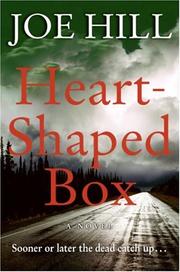
Heart-Shaped Box
A washed-up rock star buys a haunted suit online and must face the vengeful ghost attached to it.
2,980-word summary · 13 min read
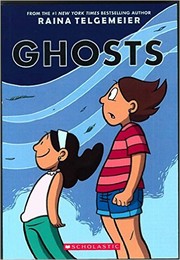
Ghosts
Catrina moves to foggy Bahía de la Luna for her sister Maya's health and learns to face the town's ghosts.
2,946-word summary · 13 min read
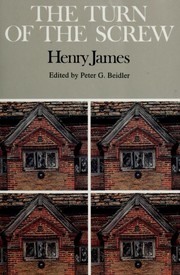
The Turn of the Screw
A governess sees Quint and Jessel at Bly, or projects them; James never settles which, and Miles dies.
2,080-word summary · 9 min read
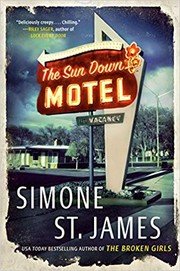
The Sun Down Motel
In 1982 Viv vanishes from a Fell motel desk; in 2017 niece Carly takes the same shift to find her.
2,150-word summary · 10 min read
Dolores Claiborne
A Maine housekeeper confesses two deaths in one voice: Vera fall and husband lost in eclipse.
2,381-word summary · 11 min read

Bag of Bones
A blocked novelist returns to his Maine lake house after his wife dies and faces a custody fight and old ghosts.
2,616-word summary · 12 min read
The Haunting of Hill House
Eleanor joins a ghost study at Hill House, bonds fast with Theodora, and feels the house single her out by name.
2,712-word summary · 12 min read
American Psycho
Patrick Bateman hides violent urges behind suits and reservations in Ellis's 1991 satire of 1980s Manhattan wealth, brands, and moral blankness.
2,837-word summary · 13 min read
The Silence of the Lambs
Clarice Starling seeks Hannibal Lecter's help to catch Buffalo Bill before Catherine Martin runs out of time.
2,616-word summary · 12 min read
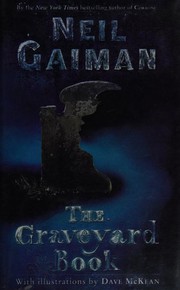
The Graveyard Book
A toddler escapes the murder of his family and is raised by ghosts in a graveyard, learning from the dead while the killer who hunts him waits outside.
2,786-word summary · 12 min read
Pet Sematary
Doctor Louis buries Church and then Gage in ground that returns them wrong, learning dead is better.
2,158-word summary · 10 min read
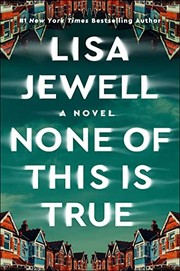
None of This Is True
Podcaster Alix meets birthday-twin Josie, whose dark past becomes the series that consumes them both.
1,992-word summary · 9 min read
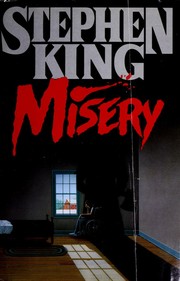
Misery
A novelist crashes in Colorado snow and wakes in the home of his self-declared number one fan, who will not let him leave.
2,744-word summary · 12 min read
What Moves the Dead
Alex Easton arrives at the Usher house to find Madeline dying, the tarn full of fungus, and the local hares refusing to stay dead.
2,586-word summary · 11 min read

What Happened to Goodbye
Mclean has reinvented herself in four towns since her parents divorced. In Lakeview she uses her real name, and for the first time staying put becomes a choice.
2,796-word summary · 12 min read
The Tale of the Body Thief
Lestat trades bodies with a psychic thief for one day of mortality and ends up trapped, sick, and hunting his own vampire body.
2,069-word summary · 9 min read

The Only Good Indians
Four Blackfeet men who killed a pregnant elk are hunted by her spirit a decade later, and the only person who can end the cycle is a teenage girl who was not…
2,010-word summary · 9 min read