
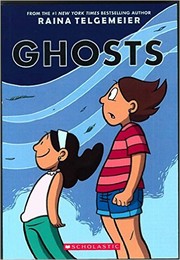
Ghosts
2,946-word summary 13 min read 256 pages in the book
- First published
- 2016
- Publisher
- Graphix
- Pages
- 256
- ISBN
- 9780545540629
Reading options
What's inside (8 sections)
I borrowed Ghosts because my library hold on Guts never came through and the librarian handed me this one instead. She said it was the sad sister one. I figured a 256 page graphic novel would take an hour, maybe less, and then I would get back in line for the memoir books. It did take an afternoon. What stuck around longer was the ending. Raina Telgemeier published it with Graphix in September 2016. The standard paperback runs 256 pages with ISBN 9780545540629 and colors by Braden Lamb. It is fiction, not memoir, and it is aimed at ages 8 to 12. The story follows Catrina and Maya, sisters who move to a foggy town on the Northern California coast because the younger girl is sick.
Cat is the older sister. She is maybe twelve, old enough to miss friends and hate being new. Maya is six, little and loud and curious in a way that makes adults laugh and worry at the same time. Maya has cystic fibrosis. The book explains it in plain terms early on. Her lungs clog easily. She coughs a lot. She needs treatments and pills and careful air. The family leaves Southern California for Bahía de la Luna because cool salty air is supposed to help her breathe. Their parents present it as a fresh start. Cat hears it as a loss. New school. No friends. A house that smells like other people. A town where fog sits on everything by four in the afternoon.
Bahía de la Luna is invented but it feels like a lot of real coastal towns north of San Francisco. Windy streets. A mission on a hill with old stones. A taqueria with a hand painted sign. Telgemeier draws the place with wide skies and tilted houses and laundry lines. The palette stays bright even when fog rolls in. You get why Cat feels out of place and why Maya immediately loves it.
Moving to Bahía de la Luna
The opening chapters are mostly logistics, and I mean that in a good way. Telgemeier spends time on the unglamorous parts of moving with a sick kid. Doctors visits. Pharmacy runs. A breathing machine on the kitchen table. Maya coughing at night while Cat pretends to sleep. Mom trying to learn which clinic has weekend hours. Dad trying to fix a squeaky door while fielding work calls. Cat trying to figure out middle school lunch politics by watching from the edge. It reminded me of moving in seventh grade, that specific ache of knowing no one knows your jokes yet.
Cat narrates most of the book, though not with caption boxes on every page. A lot comes through faces and small moments. She loves drawing. She is careful and anxious and protective in a way that sometimes comes out as bossy. She monitors Maya constantly. Is she coughing. Did she take her enzymes. Is she too cold near the water. Maya, for her part, refuses to be monitored. She runs ahead. She talks to strangers. She asks blunt questions about death that make adults freeze. Her energy is physical on the page. She leans. She points. She drags Cat by the sleeve toward anything interesting.
Their mom carries another thread. She grew up with a Mexican mother and the book slowly reveals distance there. Phone calls not returned. Visits skipped. A recipe remembered wrong. An altar photo kept in a drawer instead of on display. Their dad is white, steady, the kind of parent who cooks and drives and tries to keep things light. The mix matters because the town has a strong Mexican American presence and the Day of the Dead traditions at the center of the plot hit Mom harder than she expects. Telgemeier does not over explain this at first. She lets you notice Mom going quiet when neighbors mention ofrendas or marigolds or visiting relatives. That quiet pays off later.
School starts and it goes about as well as new school ever goes. Cat eats lunch with kids who are nice enough but not yet friends. Maya charms her classroom in a day. Cat watches with relief and envy that felt very sister true to me.
Carlos and the ghost talk
Then there is Carlos. He lives next door. He is around Cat age, talkative to the point of exhausting, always in motion, always with some local legend ready. He tells the sisters within days that Bahía de la Luna is full of ghosts. Not scary movie ghosts. Town ghosts. People who lived there and stayed because they liked it. He says they are everywhere on windy nights. He says his family leaves out food and drink for them. He says the mission is the best place to see them around Halloween and early November.
Cat hates this immediately. She does not want to hear about spirits while she is already scared about Maya. Carlos does not pick up on the signal, or pretends not to. He keeps talking. He shows Maya picture books about skeletons. He teaches her words in Spanish for the holiday. He offers to take them ghost hunting. Maya is thrilled. She latches onto the idea that ghosts struggle to breathe, just like her. Someone in the book puts it simply for her, that spirits are light and airy and have to work to stay near. Maya hears kinship there. If ghosts can hang around and still be okay, maybe sickness is not only scary.
I had mixed feelings about Carlos on first read. He is funny. He is also a lot. He barges in. He repeats himself. He teases Cat about being scared. A few scenes where he chases the girls with ghost noises annoyed me. Then I watched what he does for Maya. He takes her seriously. He answers her questions without baby talk. He includes her when older kids might brush her off. He knows town history because his family has lived it. That gives him a role beyond comic relief. He is the bridge kid, the one who translates the town for newcomers. Every neighborhood has one. Telgemeier draws him with constant motion lines, cap backwards, mouth open mid sentence. You can hear him.
The ghost rules stay loose, which is both a charm and a flaw. Ghosts like offerings. They gather when memory gathers around Día de los Muertos. Kids see them easier than adults. The book never gives a manual. It gives anecdotes from Carlos and neighbors. That softness matches how folk belief actually works in a town, piecemeal and personal.
Maya, Cat, and different kinds of fear
The middle of the book is really about two sisters being scared in opposite ways. Maya is not naive about dying. She knows her illness can shorten her life. She has heard doctors use careful voices. She has seen her parents cry and pretend they were not crying. What she wants from ghosts is information. Are dead people lonely. Do they miss food. Can they still play. She asks with a directness that made my chest hurt. She is not morbid. She is practical. If something might happen to her, she wants to meet someone who already did it and ask how it went.
Cat fears everything Maya wants to approach. She fears Maya dying. She fears ghosts proving death is real and near. She fears liking the new town because liking it would mean accepting why they moved. So she avoids. She refuses night walks. She rolls her eyes at Carlos. She tells Maya ghosts are not real, then lies awake listening to wind. Telgemeier is good at drawing this kind of anxiety without making Cat unlikable. You see Cat checking Maya breathing while Maya sleeps. You see Cat redrawing the same page over and over because her hands need something to do. You see her snap at Mom about marigolds and instantly regret it.
Their parents handle fear differently too. Dad copes by doing. He fixes the house. He plans beach trips. He learns nebulizer cleaning routines by heart. Mom copes by holding still. She unpacks slowly. She avoids calls to relatives. She gets sad around family photos. One of the best quiet scenes has Mom finding her own mother old letters while sorting boxes. She does not cry big. She sits on the floor and holds paper and breathes. Telgemeier lets the panel sit. No thought bubble explaining. You fill it in. My mom died when I was in my twenties and that page hit me harder than any ghost scene.
Friendship grows in the gaps. Cat slowly connects with a couple girls at school over art and music. Nothing dramatic. Shared headphones. A borrowed eraser. A joke about a teacher. Maya bonds with Carlos over ghost plans and with a neighbor girl over chalk drawings. The sisters fight in realistic bursts. Maya accuses Cat of treating her like a baby. Cat accuses Maya of showing off her illness for attention. Both are a little right and mostly wrong. They make up fast because little kids forgive fast and because Cat cannot stand staying mad when coughing starts in the next room.
If the book has a slow stretch, it is here. A few chapters feel like similar days repeating. I understand why Telgemeier does it. Chronic illness is repetitive. But about two thirds through I wanted the plot to push harder. Kids will not mind. Adults reading with them might skim.
Halloween, Day of the Dead, and the mission party
As October ends the town shifts. Halloween in Bahía de la Luna is big, all costumes and candy and a school party with a haunted hallway. Day of the Dead right after is bigger in meaning, at least for many families. The book treats them as neighbors, not rivals. Kids dress as pirates and skeletons on the thirty first. Then families build ofrendas with photos and bread and sugar skulls and marigolds. They visit the cemetery and the old mission. They eat together. They tell stories about people who died. Carlos explains the difference to Cat with kid clarity. Halloween is dress up and candy. Día de los Muertos is hello again.
Telgemeier handles the cultural layer with care and with some limits worth naming. She shows a largely Mexican American town sharing traditions openly, not as exotic set dressing. Food looks specific. Spanish phrases appear with context so non speakers can follow. The book works best when it stays with this one family learning humbly. It wobbles when Carlos becomes a walking footnote.
The school Halloween party is a highlight. Costumes are funny and cheap looking in the right way. Cat goes low effort because she does not want to care too much. Maya goes all in, ghost themed of course. For a few pages illness fades. You want to stay there.
After that the mission party looms. Every year on the night when families honor the dead, people gather at the old mission on the hill. Neighbors bring photos and candles. Musicians play. Kids are told to be respectful and also to expect something strange. Carlos swears the ghosts show up clearest there because so much love and memory gathers in one place. Maya decides she must go and meet one properly. Cat decides she must stop her. Their parents set rules about bedtime and cold air that sound reasonable and impossible at once. You know the girls will sneak out. The book does not pretend otherwise. It makes you dread and hope in equal measure.
Mom parallel story deepens here. She starts building a small ofrenda in the house, at first reluctantly, then with more attention. She finds a photo of her mother. She argues softly with Dad about whether to go to the mission. Their kitchen conversation is one of the most adult moments in a Telgemeier book.
The cliff night and the hospital
I will spoil the climax because that is what these summaries are for, but I will keep mechanics vague where the book is vague. On the big night Maya slips out toward the mission to meet the ghosts. Cat follows, furious and terrified. Carlos is there too, caught between showing off and actually helping. Fog is thick. Candles flicker along old walls. Music drifts. Shapes move at the edge of panels in ways that could be wind and could be people. Telgemeier draws the dead as friendly and rounded, not horror gaunt. They glow faintly. They wear old clothes. Some look surprised to be seen. Maya walks right up to them with joy while Cat hangs back with her chest tight.
What happens next moves fast. Maya overdoes it. Cold air, excitement, running uphill, breathing hard. She has a coughing fit that does not stop. Then a scramble on uneven ground near the mission and the cliff path above the water. Cat has to act. No time to be scared of ghosts when your sister cannot breathe. She yells for help. She half carries Maya. Carlos runs for adults. Lights bob up the hill. Someone calls emergency numbers. The pages go quiet except for sound effects for coughing and waves. It is scary in a plain way, no monster, just a body failing in damp night air.
The hospital section that follows is short and wisely underplayed. Machines beep. Maya sleeps with an oxygen tube. Cat sleeps in a chair with a blanket that keeps sliding off. Mom and Dad take turns stepping out to cry where kids cannot see, then coming back composed. Doctors speak calmly about rest and fluids and watching numbers. No miracle cure. No lecture. Maya stabilizes with time, which feels honest for cystic fibrosis. It is a condition to manage, not a problem to solve in one night. Cat sits with guilt and relief tangled together. She should have stopped Maya earlier. She did her best once it mattered. Both are true.
The emotional payoff is not medical. It is familial. In the hospital and in the days after, Mom talks more openly about her own mother, about leaving home young, about feeling too American for relatives and too Mexican for school friends, about skipping visits until visits were impossible. She shows the girls photos she had hidden. She tells a story about her mother singing while cooking that made me tear up on the bus. Cat starts to understand her mother fear of altars was not dislike. It was shame mixed with love. Maya, still weak but bright, asks if they can honor their grandmother properly next year. Mom says yes before she can talk herself out of it.
The final ghost beat is gentle. I will not detail every panel because the book earns its softness. Cat, who spent the whole story denying spirits, acknowledges them in her own way. Not conversion. Not certainty. More like willingness. She leaves an offering. She says thanks, in her head, for watchfulness. She holds Maya hand tighter on the walk home. Telgemeier does not stage a big proof scene where skeptics gasp. She lets Cat keep doubt while choosing participation. That choice felt right for a kid who lives with uncertainty daily. You do rituals because they help you love people, not because you solved metaphysics.
Art, family history, and what bugged me
The art deserves its own praise. Telgemeier pencils with clean lines and expressive faces that kids read instantly. Braden Lamb colors keep fog translucent and ghosts luminous without going neon. Night scenes at the mission use deep blues with warm candle oranges. Panel flow is simple left to right. New comics readers will not get lost.
Hispanic heritage is woven through food and language and music rather than explained in boxes. You learn by being at the table. Still, I wanted a touch more specificity about Mom family history to ground the ofrenda arc. As written, grandmother stays a little symbolic. Kids will accept her. Adults may wish for one more concrete memory.
Now fair criticism, because love does not mean blind. The book is short for what it attempts. The hospital recovery gets fewer pages than the Halloween dance. Carlos can grate. His nonstop patter is realistic and also tiring. Ghost logic stays fuzzy to the end, which will bother readers who want rules.
Some families should know content notes. Cystic fibrosis is shown frankly, with coughing fits, hospital stays, and talk of shortened life. No one dies on page among main characters, but death is discussed openly. There is peril on cliff paths at night and a child in medical distress. For most ages 8 and up, it is a kind and useful mirror.
Who should pick it up. Fans of Smile and Drama who want Telgemeier warmth with a touch more ache. Kids who like stories about sisters or haunted towns. Facts to keep straight are simple. First published September 2016 by Graphix, an imprint of Scholastic. Standard edition runs 256 pages with ISBN 9780545540629. Creator Raina Telgemeier wrote and drew it with colors by Braden Lamb. Tags that fit are graphic novel, middle grade, family, ghosts, friendship.
I finished Ghosts on my couch with fog outside my own windows, which felt fitting. I thought about my sister and the stupid fights we had about who worried more. I thought about offerings I never left and phone calls I delayed. Then Maya coughed on the last pages and Cat checked her without thinking, and I laughed because that is what love looks like after fear. Automatic. Practical. Still scared. The ghosts glow. The town keeps wind. The family stays. That is enough for one small book to carry.
FAQ
When was Ghosts published?
Graphix published Ghosts in September 2016. The standard paperback runs 256 pages with ISBN 9780545540629 and colors by Braden Lamb.
Is Ghosts part of a series?
No. Ghosts is a standalone fiction graphic novel, not part of the Smile series, though readers often pair it with Smile, Drama, and Guts.
Is Ghosts appropriate for middle grade readers?
Yes, for ages 8 to 12. Cystic fibrosis, hospital stays, and talk of death are frank but gentle, and the ghosts are kind rather than scary.
Similar books

Hard Luck
Rowley has a girlfriend, so Greg turns to a Magic 8 Ball, a family Easter hunt and the school yearbook for answers.
2,586-word summary · 11 min read
The Stonekeeper
After their father's death, Emily and Navin chase a monster into a hidden world to save their mother, and Emily's great-grandfather's amulet offers power at a…
2,753-word summary · 12 min read
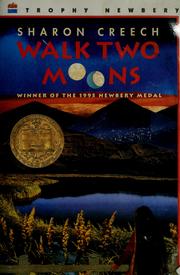
Walk Two Moons
Sal rides west with her grandparents telling Phoebe's story while facing her own mother's absence in Idaho.
2,554-word summary · 11 min read

Out of My Mind
Eleven-year-old Melody Brooks has cerebral palsy and cannot speak, but she remembers everything and fights to be heard in fifth grade.
2,298-word summary · 10 min read
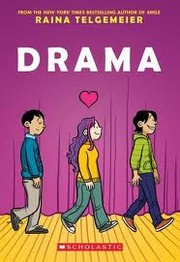
Drama
Callie designs sets for Moon Over Mississippi amid crushes and crew chaos.
2,484-word summary · 11 min read

Bone, Vol. 1: Out from Boneville
Three cartoon cousins are run out of Boneville, separated by locusts, and dropped into a valley where rat creatures and an old grudge are waiting.
2,155-word summary · 10 min read

Anya's Ghost
A lonely Russian immigrant falls into a well, befriends the ghost trapped there, and discovers that the ghost's help comes with a dangerous price.
2,001-word summary · 9 min read
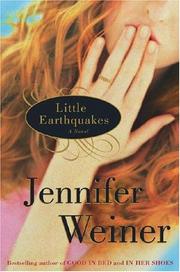
Little Earthquakes
Four Philadelphia women meet during pregnancy and discover that new motherhood is nothing like the plan, while friendship becomes the thing that holds them…
1,997-word summary · 9 min read

A Head Full of Ghosts
A broke Massachusetts family lets a reality TV crew film their daughter's exorcism, and fifteen years later the only survivor tries to explain what really…
2,588-word summary · 12 min read

We Are Okay
Marin fled San Francisco after her grandfather vanished and stopped answering anyone. When Mabel visits her college dorm, she has to say what happened.
2,253-word summary · 10 min read

Grip of the Shadow Plague
A plague turns Fablehaven's creatures of light into shadows while Kendra hunts an artifact in Arizona and Seth races to find the cause.
2,131-word summary · 9 min read
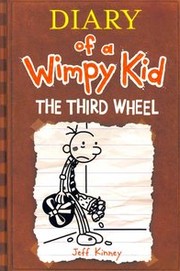
The Third Wheel
Greg tries to find a date for the Valentine's dance, ends up the third wheel in his own plan, and watches Rowley get the girl.
2,019-word summary · 9 min read
The Second Summer of the Sisterhood
Four friends share the traveling pants through a summer of grandmothers, first loves, and mothers who are learning to let go.
2,209-word summary · 10 min read
Saga, Volume 3
Marko, Alana, and Hazel hide on the planet Quietus with the reclusive author who inspired their romance, while assassins and a prince close in.
1,989-word summary · 9 min read

Aristotle and Dante Dive into the Waters of the World
Ari and Dante return for senior year in El Paso, navigating first love, AIDS, family grief, and the cost of being openly gay in 1987 Texas.
2,188-word summary · 10 min read
Harriet the Spy
Eleven year old Harriet Welsch fills notebooks with honest, often cruel observations about her neighbors, until her classmates read one and turn her spy route…
2,510-word summary · 11 min read
The War That Saved My Life
Ten-year-old Ada has never left her London flat, hidden away because of her clubfoot. Wartime evacuation sends her to Kent, where a reluctant guardian and a…
2,252-word summary · 10 min read
The Girl Who Drank the Moon
A witch who secretly rescues the town's sacrificed babies accidentally enmagicks one with moonlight, and the girl grows up with a power she cannot name.
2,078-word summary · 9 min read

Someone Like You
Halley and her best friend Scarlett face a summer of grief, a surprise pregnancy, and Halley's dangerous first romance in Sarah Dessen's 1998 young adult novel.
2,218-word summary · 10 min read

Paper Girls, Volume 1
Four paper girls in 1988 Ohio chase a stolen walkie-talkie into a basement and stumble into a time war, flying dinosaurs, and an older version of themselves.
2,235-word summary · 10 min read
Beezus and Ramona
Nine year old Beezus tries to be a good older sister while four year old Ramona turns every ordinary day into a disaster, until a tenth birthday forces honesty.
2,062-word summary · 9 min read
When You Reach Me
A sixth grader in 1970s New York gets strange notes that seem to predict the future.
2,456-word summary · 11 min read

Esperanza Rising
Esperanza trades ranch life for farm labor camps in California.
2,338-word summary · 10 min read

Bud, Not Buddy
A ten year old orphan in the Depression walks to find a jazzman he thinks is his father.
2,568-word summary · 11 min read
Summer Sisters
Vix and Caitlin share Martha's Vineyard summers from age twelve into adulthood, through first love, grief, marriage, and a disappearance that still haunts Vix.
3,633-word summary · 16 min read

Stellaluna
A baby fruit bat falls into a bird nest, learns to perch and eat bugs, then reunites with her mother in Cannon's acclaimed 1993 picture book about difference…
2,486-word summary · 11 min read
Flipped
Juli Baker and Bryce Loski retell second grade to eighth grade from opposite sides, through a sycamore sit, trashed eggs, a yard fix-up, and one tense family…
2,689-word summary · 12 min read
The School for Good and Evil
Best friends Sophie and Agatha are taken to fairy tale school and sorted to wrong sides.
2,042-word summary · 9 min read