
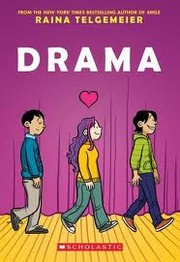
Drama
2,484-word summary 11 min read 240 pages in the book
- First published
- 2012
- Publisher
- Graphix
- Pages
- 240
- ISBN
- 9780545326995
Reading options
What's inside (7 sections)
I picked up Drama because Smile kept showing up in my library holds, always out, always returned with bent corners that said kids loved it hard. I wanted to see what Raina Telgemeier would do with fiction after memoir. She published Drama with Graphix in 2012. The standard paperback runs 240 pages with ISBN 9780545326995, colors by Gurihiru. It centers on Callie, a seventh grader who loves theater but cannot sing well enough to land a stage role, so she builds sets instead. Her school is putting on Moon Over Mississippi, a Civil War era musical with a moon, a boat, and big crowd scenes. Callie wants a Broadway set on a middle school budget. What follows is saws and crushes and missed cues. I read it in an afternoon.
Callie is easy to root for from the first panels. She has curly hair she fights, a sketchbook full of set ideas, and a habit of saying yes before checking the calendar. She saw Les Miserables as a kid and never recovered, in the good way. Singing is not her gift. Building is. She can picture flats, a glowing moon, and a deck that holds six singing kids. Getting that picture into wood and paint is the hard part. She does not know much about carpentry at the start. She learns by doing, by asking older kids, and by messing up in front of people. That learning curve is the heart of the book.
The school around her feels right. Hallways crowded. Teachers tired and kind. Friends shifting. Telgemeier draws middle school as a place where everyone is trying a version of themselves to see what fits. Callie tries set designer, good friend, almost girlfriend, peacemaker. Some fits. Some pinches. Her parents are present without taking over. Her phone buzzes. Her backpack spills. Details like a chipped nail, a poster taped crooked, a script with coffee rings make rooms feel used. Gurihiru colors keep everything bright. You can tell time by color across weeks of rehearsals.
Callie and the crew
Callie joins stage crew with big plans and thin skills, which is exactly how most backstage careers start. She volunteers for set design because she can draw and because she wants to belong somewhere after a rough summer. The crew has its own pecking order. Older kids know where screws live. New kids carry and watch. Callie pushes to do more than carry. She brings sketches to meetings. She asks for a glowing moon and a multilevel deck. The director likes ambition. The budget does not. The head builder explains what wood costs. The principal explains what the gym allows. Those small nos shape her designs. She learns to cut without making it look cut.
Her crew friends give the book its texture. There is West, steady and funny, who knows tech and keeps Callie honest when she dreams past what two weekends can build. There are painters who argue about shades of blue. There are kids on lights who speak in cues. There are actors who wander backstage and touch things they should not touch. Telgemeier lets them talk over each other in panels, jokes stacked, warnings half heard. Anyone who has built a show will recognize the Saturday chaos. Work still gets done, loudly and with paint on sleeves.
What I liked is that Callie is not a natural leader at first. She is enthusiastic, which is different. She assumes people will do tasks because the show needs them. She learns that people do tasks when asked clearly and thanked directly. A scene where she snaps at a tired painter and then apologizes the next day rings true. No big speech. Just sorry, I was stressed, can we fix that corner together. That apology earns more help than any pep talk. By the second half she runs lists, checks in, brings snacks, and says no when asked to add one more impossible effect. Growth here is practical.
Moon Over Mississippi
The show inside the book is Moon Over Mississippi, a fictional middle school musical set around the Civil War with songs about rivers and home and longing. Telgemeier does not print the full script. She gives you bits through auditions and rehearsals. A ballad about the moon. A comic number for the boat crew. A finale that needs everyone on stage at once. The plot of the musical matters less than what it demands. A moon that must rise on cue. A boat that must read as a boat under gym lights. Costumes that must survive quick changes. Each demand lands on Callie's list.
Auditions show how school casting really works. Bonnie, confident and loud, wants the lead and usually gets what she wants. Other girls sing better in parts and worse in others. Boys mumble until the music teacher pulls sound out of them. Callie watches from the doorway, sketching faces while pretending she is only there for measurements. She notes who stands still when nervous, who fidgets, who smiles at the piano player for luck. Those notes later help her place stairs and doors so shy actors have somewhere to go. Good set design gives actors real help beyond decoration. Telgemeier gets that. Callie's best idea goes beyond a pretty backdrop. She draws a layout that lets a nervous kid enter without crossing the whole stage alone.
Rehearsals bring the usual problems. Leads miss lines. Chorus drifts. Props break. The moon looks great in daylight and weird under spots. The boat creaks. Ticket sales start slow, which panics everyone because the drama budget depends on seats. Callie responds by doubling work instead of asking for help, a classic middle school mistake. She stays late. She skips lunch to paint. She says she is fine when she is not. An adult finally steps in, not to scold but to set hours. Go home. Sleep. The set will wait. That boundary helps more than another pep talk.
Justin, Jesse, and the crush mess
Romance here is middle school romance, big feelings with small scripts. Callie starts the year hung up on Greg, a handsome eighth grader who flirts when he is on a break from his girlfriend Bonnie. Greg is nice in hallways and careless in choices. He borrows Callie's attention when convenient. Callie knows it and likes him anyway, which is embarrassing and honest. Telgemeier does not shame her for it. She shows why Greg appeals. He is older, he notices her drawings, he says thanks in a way that sounds like more. Then he goes back to Bonnie and Callie redraws the same moon with harder pencil lines.
Then twins enter and scramble everything. Justin and Jesse are cute brothers new to the school, both trying out for the show in different ways. Justin lands a comic role and charms the cast quickly. He is warm, funny, and openly gay, out to his family and mostly out at school. Callie crushes on him before she understands that part, and the book handles her confusion with gentleness. No villain. No lecture. Justin tells her plainly. She feels foolish for a day, then feels grateful to know him better. Their friendship after that is one of the sweetest threads. He teaches her how comic timing works. She teaches him how to use a drill without fear. Equal trade.
Jesse, Justin's twin, is straighter and shyer, helping Callie with sets and slowly becoming more than a helper. He is kind in quiet ways. He remembers how she takes her cocoa. He holds a flat steady without being asked. He draws a little too and does not show many people. Their almost romance moves in small steps. A shared ladder. A paint smudge wiped away. A ride home that takes the long way. There is no big kiss to close the act. There is understanding. Telgemeier lets Callie end the book less boy crazy and more people aware. Who listens. Who shows up. Who makes work lighter.
This thread earned the book a Stonewall Honor, and it deserves mention for how normal it feels. Justin is not a problem to solve. He is a kid in a show with talent and nerves and a brother who teases him. Some kids accept him instantly. One or two use words that sting. Friends step in without turning it into an assembly. Teachers set a clear line. Kindness is expected. That matter of fact tone is why the book lasts in classrooms. Readers see a middle schooler who gets jokes, friends, and stage time. Both learn that out means out, not explained away.
Backstage work that feels real
The best reason to read Drama is the labor. Telgemeier knows theater from her own school years and she draws work accurately. Measuring twice. Sawdust in shoes. Paint that looks dry and is not. Tickets counted by hand. Programs folded during notes. You learn how a show gets up by watching Callie learn. The boring parts are the book.
Carpentry is new to Callie and Telgemeier lets her be bad at it before she is okay. Early joints wobble. Nails bend. A platform ends up an inch too tall for the door flat. West shows her how to hold a saw, how to ask for help lifting, how to check sight lines from the back row. Safety matters here. Goggles on. Hands clear. Ask before plugging. Those rules appear in dialogue, not as footnotes. The book models careful work. It also models asking custodians for help, thanking them by name, and leaving the gym cleaner than found. Crews will feel seen.
Tickets and money get honest treatment too. The show needs butts in seats to pay for lumber and paint. Callie makes posters. Cast hands out flyers. Morning announcements flop. A bake sale helps a little. Someone suggests charging more. Someone else points out families cannot pay more. They settle on a middle price with a student discount and a push for opening night buzz. That compromise is small and true. School art lives on math as much as applause. She just shows kids counting cash in an envelope and hoping it covers the moon.
Tech week arrives like weather. Long nights. Frayed tempers. Notes that contradict yesterday's notes. Callie stops drawing for fun and starts drawing fixes. Move that stair six inches. Lower the moon two feet. Add a rail where actors keep stepping wrong. Opening night keeps flaws intact, which is right. A flat sticks. A cue is late. Then the cast finds rhythm and the crew breathes again. The pages with the actual performance glow. Faces lit. Hands joined. Moon rising on a wire that holds. Callie watches from the wings, headset on, crying a little because it worked. Pride mixed with exhaustion.
What is thin and what is warm
Now the criticism, because a beloved book still has seams. The conflicts here are soft and solve fast. Greg acts thoughtless and faces little fallout. Bonnie is sharp and then suddenly sweet. A homophobic remark lands and is handled quickly without lasting sting. Friendships strain and mend within chapters. If you want sharp stakes or lasting consequences, you will find this thin. I did in places. A fight I expected to last a week ends by next rehearsal. A betrayal that should ache gets a hug. Telgemeier chooses warmth over friction, which suits ages 10 to 14 but may leave older readers wanting more bite.
Pacing also favors breadth over depth. With 240 pages of panels, many characters get a scene or two and then fade. A painter with a great joke vanishes. A chorus kid with stage fright gets one panel of comfort. Even Bonnie and Greg, central to Callie's crush plot, read more as types than people by the end. That is partly the form. Comics for middle grade move fast and rely on faces to carry what text skips. Faces do a lot here. Still, I flipped back twice to remember who was who in crowd scenes. New readers may want to reread the audition chapters once the show opens.
What is warm outweighs what is thin if you meet the book on its terms. Friendship is drawn as work, not magic. Callie keeps showing up with snacks and lists. Justin keeps showing up with jokes and honesty. Jesse keeps showing up with steady hands. West keeps showing up with practical fixes. Showing up is the ethic here. Not grand apologies. Not transformations. Presence. That message lands well for kids juggling clubs and homework. You do not have to be the best singer or builder. You have to be reliable and kind when tired. The book repeats that through action, not speeches. Labor as love.
Art carries a lot of the warmth. Telgemeier draws bodies that look like real seventh and eighth graders, varied in height and shape and skin tone, with clothes that repeat because kids repeat clothes. Faces are expressive without mocking. Blushes, eye rolls, side glances. You can follow a crush across a cafeteria with no words. Backgrounds stay clear enough for new comics readers. Panel order is simple left to right, rarely tricky. Reluctant readers finish fast and feel success. Many kids meet graphic novels here and go on to longer books because this one let them finish.
Read it if you like backstage stories, if you are in middle school theater, if you want a kind book about crushes that does not punish anyone for being gay. It is fiction, not memoir, though Telgemeier drew on her own school stage days. Content includes mild language, kissing and crush talk, one slur challenged by peers and adults, and stage mishaps without injury detail. Suitable for ages 10 and up, with care for sensitive readers around the brief bias scene. Pair it with Smile and Sisters for a fuller picture of her work, or with a trip to a school show where you stay to thank the crew.
Facts to cite are firm. First published September 1, 2012 by Graphix, the graphic novel imprint of Scholastic. The standard edition runs 240 pages with ISBN 9780545326995. Author Raina Telgemeier wrote and drew it with colors by Gurihiru. It earned a Stonewall Honor among other best book nods. Tags that fit are graphic novels, middle grade, theater, friendship, crushes.
I closed Drama wanting to sweep a stage and text an old friend from crew, which tells you what it does well. Callie with paint on her cheek watching the moon rise. Justin nailing a laugh. Jesse holding a ladder like a promise. West calling places with calm. Everyone a little braver and kinder. That is enough for 240 pages. Not every book needs to wound to matter. Some need to show work done together and joy when the lights come up. This one does. Keep it in classrooms. Hand it to kids who think they are not readers.
FAQ
When was Drama published?
September 1, 2012. Graphix published the full color edition at 240 pages with ISBN 9780545326995 and colors by Gurihiru.
Is Drama part of a series?
No. Drama is a standalone fiction graphic novel, though readers often pair it with Smile, Sisters, and Guts.
Is Drama appropriate for middle grade readers?
Yes, for ages 10 and up. It earned a Stonewall Honor for its warm and matter of fact inclusion of a gay teen character.
Similar books

Ghosts
Catrina moves to foggy Bahía de la Luna for her sister Maya's health and learns to face the town's ghosts.
2,946-word summary · 13 min read

Anya's Ghost
A lonely Russian immigrant falls into a well, befriends the ghost trapped there, and discovers that the ghost's help comes with a dangerous price.
2,001-word summary · 9 min read

Hard Luck
Rowley has a girlfriend, so Greg turns to a Magic 8 Ball, a family Easter hunt and the school yearbook for answers.
2,586-word summary · 11 min read
Grip of the Shadow Plague
A plague turns Fablehaven's creatures of light into shadows while Kendra hunts an artifact in Arizona and Seth races to find the cause.
2,131-word summary · 9 min read
The Third Wheel
Greg tries to find a date for the Valentine's dance, ends up the third wheel in his own plan, and watches Rowley get the girl.
2,019-word summary · 9 min read
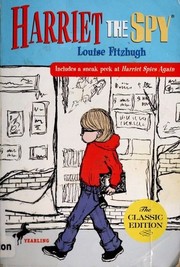
Harriet the Spy
Eleven year old Harriet Welsch fills notebooks with honest, often cruel observations about her neighbors, until her classmates read one and turn her spy route…
2,510-word summary · 11 min read
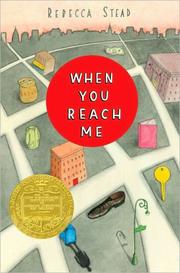
When You Reach Me
A sixth grader in 1970s New York gets strange notes that seem to predict the future.
2,456-word summary · 11 min read

Bud, Not Buddy
A ten year old orphan in the Depression walks to find a jazzman he thinks is his father.
2,568-word summary · 11 min read
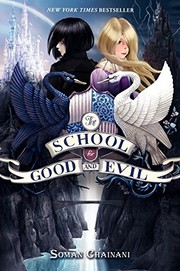
The School for Good and Evil
Best friends Sophie and Agatha are taken to fairy tale school and sorted to wrong sides.
2,042-word summary · 9 min read

Maniac Magee
Orphaned Jeffrey Magee runs to Two Mills, becomes a playground legend, and tests a town split by race while hunting for a real home.
2,219-word summary · 10 min read
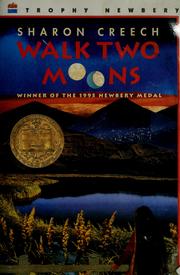
Walk Two Moons
Sal rides west with her grandparents telling Phoebe's story while facing her own mother's absence in Idaho.
2,554-word summary · 11 min read

Out of My Mind
Eleven-year-old Melody Brooks has cerebral palsy and cannot speak, but she remembers everything and fights to be heard in fifth grade.
2,298-word summary · 10 min read

City of Girls
City of Girls retold: a Vassar dropout, a shabby theater, one scandal, and a love like no other.
2,823-word summary · 13 min read
The Mark of Athena
Seven demigods sail for Rome where Annabeth must follow the Mark to the Athena Parthenos alone.
2,031-word summary · 9 min read

The Orphan's Tale
A Dutch teenager rescues a Jewish baby from a death train and joins a German circus, where a Jewish aerialist teaches her to fly.
2,943-word summary · 13 min read
Bone, Vol. 1: Out from Boneville
Three cartoon cousins are run out of Boneville, separated by locusts, and dropped into a valley where rat creatures and an old grudge are waiting.
2,155-word summary · 10 min read

The Power of One
A boy in apartheid South Africa decides to become welterweight champion of the world, and the novel follows every mentor, fight, and loss that gets him there.
2,145-word summary · 10 min read

The Icebound Land
Captured and enslaved in Skandia, Will fights a drug that erases him while Halt and Horace cut a bloody road through Gallica to bring him home.
2,088-word summary · 9 min read
The Field Guide
Three siblings move into a creepy Maine estate, anger a brownie, and find a forbidden guide to the fairy world in the first Spiderwick book.
2,033-word summary · 9 min read

Little Earthquakes
Four Philadelphia women meet during pregnancy and discover that new motherhood is nothing like the plan, while friendship becomes the thing that holds them…
1,997-word summary · 9 min read

Dumplin'
Willowdean Dickson enters her town's beauty pageant as a protest and discovers that confidence is harder to keep once she lets someone close.
1,922-word summary · 9 min read
Secrets of the Dragon Sanctuary
Kendra is replaced by a plant copy and held by the Society, while Seth steals a unicorn horn so the family can enter a dragon sanctuary.
2,590-word summary · 12 min read
Same Kind of Different as Me
An art dealer and a formerly homeless sharecropper tell the story of the friendship that began at a Fort Worth mission and the woman who insisted on it.
2,023-word summary · 9 min read

Five Point Someone: What Not to Do at IIT
Three friends at IIT drift to a five-point GPA, mock the system, and break into a professor's office for an exam paper.
2,458-word summary · 11 min read

Wilder Girls
At a quarantined boarding school off Maine, three girls with strange mutations search for a missing friend and learn what the adults have hidden.
2,594-word summary · 12 min read
The Time Paradox
When his mother falls ill with a fairy disease, Artemis Fowl travels back in time to find the extinct lemur that can cure her and confronts his younger self.
2,601-word summary · 12 min read
Clifford the Big Red Dog
Emily Elizabeth picks the smallest puppy in the litter, loves him as hard as she can, and wakes up to a dog the size of a house.
2,092-word summary · 9 min read
A Long Walk to Water
Two eleven-year-olds in southern Sudan, twenty-three years apart: a Dinka boy fleeing war and a Nuer girl walking hours for water, until their stories meet at…
2,217-word summary · 10 min read