
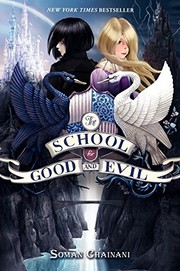
The School for Good and Evil
2,042-word summary 9 min read 496 pages in the book
- First published
- 2013
- Publisher
- Harper
- Pages
- 496
- ISBN
- 9780062104892
- Series
- The School for Good and Evil (#1)
Reading options
What's inside (8 sections)
I read The School for Good and Evil with my niece, trading chapters out loud, and we argued happily about who belongs where. Soman Chainani published it May 14, 2013 with Harper, a 496 page hardcover with ISBN 9780062104892. It is book one of The School for Good and Evil, followed by A World Without Princes. It takes two best friends from a dull village to a fairy tale school that sorts heroes and villains. Expect twists on princesses, witches, and true love that keep middle grade readers turning.
Gavaldon is a gray village that loses two children every four years. A skeletal bird takes them to school and they never return, except in storybooks that appear in the bookshop. Sophie dreams of being taken. She is pretty, blonde, sews her own dresses, does good deeds loudly, wants a prince. Agatha dreads being taken. She is dark dressed, pale, lives in a graveyard house with her mother, loves her cat, hates pink. They are best friends anyway, in the way opposites cling before teens sort.
The bird takes both. Sophie expects Good. Agatha expects Evil. The Schoolmaster drops Sophie in Evil and Agatha in Good. Both protest. Teachers laugh. The schools run on story rules. Good has shining towers, blue uniforms, classes in etiquette, animal calls, and beautification. Evil has black towers, tar pits, classes in uglification, curses, and henchmen training. Sophie, who is kind when watched and cruel when not, withers in Evil mud. Agatha, who is blunt but loyal, glows in Good despite hating dresses.
Wrong schools
The wrong sorting drives the book and its questions. Are Sophie and Agatha misplaced, or seen truly. Sophie believes beauty equals goodness. She helps old ladies for witnesses. She wants Tedros, the handsome prince son of Arthur, because princes prove princesses. In Evil, she refuses to learn curses, keeps washing, plots to switch schools by proving she is Good through a kiss. Her efforts fail because motive shows. Teachers see performance, not kindness.
Agatha believes she is evil because she is ugly by village standards. In Good, she fails smiling, fails posture, passes loyalty. She protects Sophie even when Sophie insults her. She befriends a frog prince, a cowardly boy who becomes brave around her. She questions why Good needs Evil to look good. Her so called villain traits, honesty, grumpiness, dislike of crowds, prove heroic in crises. The book argues goodness is action, not looks. Agatha lives it while Sophie studies it.
Tedros complicates. He is handsome, skilled, sad under pressure to be his father. He likes Sophie beauty at first, then notices Agatha steadiness. Sophie chases him hard, which repels. Agatha ignores him, which attracts. Their triangle avoids easy team picking because both girls want different things from him. Sophie wants a crown. Agatha wants a friend who sees. Tedros wants to be worthy without knowing how. His sword lessons, where he fails to pull Excalibur until he stops performing, mirror the girls lessons.
Friendship is the true plot. Sophie and Agatha have been friends since toddlers, before village labels. School tries to split them by house, by points, by love. They betray each other more than once. Sophie leaves Agatha for princes. Agatha leaves Sophie for truth. Each leaving hurts. Each return costs. Chainani lets them be mean in ways middle grade books sometimes soften. Sophie says cruel things about Agatha looks when scared. Agatha says cruel things about Sophie brains when angry. They apologize badly and try again, which feels true to eleven and twelve.
Lessons and trials
School worldbuilding is lush and busy. The Schoolmaster, who controls the Storian pen that writes tales, wants balance between Good and Evil to keep stories alive. Teachers include Lady Lesso for Evil, all sharp nails and disappointment, and Professor Dovey for Good, all kindness with steel. Classes teach history through((live reenactments, beauty through magic mirrors, combat through fairy tale creatures. Lunch sorts by table. Hallways move. Failure means being turned into something, a tree, a toad, a story warning.
Trials test pairs. Sophie and Agatha must survive woods, solve riddles, face fears. Sophie fear is being ugly and unloved. Agatha fear is being seen and loved, which would require staying. Their trial scenes are exciting without gore. A pumpkin turns. A wolf talks. A lake shows wishes. Sophie wishes for Tedros. Agatha wishes for home with Sophie. The lake shows Sophie alone on a throne and Agatha holding Sophie hand in Gavaldon. Wishes reveal more than spells.
The Storian, a sentient pen, writes their tale as they live it. That device lets Chainani play with fate. If the pen writes Sophie as witch, can she rewrite. If Agatha kisses Sophie cheek to wake her, does that count as true love. The book leans into the last question hard. True love kiss need not be prince princess. It can be friends. That reveal, now famous, lands because the book earned it through chapters of choosing each other over crowns.
Pacing runs fast, sometimes too fast. At 496 pages, lessons blur. Uglification, beautification, history, combat, all get chapters. New creatures appear each trial. Names pile. Young readers will love abundance. Adults reading out loud may skim class scenes to reach plot. The middle sags when Sophie plots school switch for the third time. Agatha chapters carry those stretches with heart.
Humor helps. Evil students complain about itchy uniforms. Good students complain about early curfews. A cowardly boy named Hort proposes to everyone. A villain girl named Hester tattoos with spite. The Schoolmaster puns about endings. My niece laughed at Hort every time and groaned at Sophie vanity, which is correct response.
What it says about stories
Under sparkle, the book argues stories shape kids cruelly when they teach beauty equals worth and boys rescue. Sophie learned that from Gavaldon books. She must unlearn by living with Agatha, who is brave without being pretty in story sense. Agatha must unlearn that loving stories makes her fake. She loves them and can still be real. Together they show middle ground the school claims does not exist.
Villainy gets fair treatment too. Evil students are not monsters. They are hurt, angry, funny kids sorted by fear. Hester, Anadil, Dot become friends to Agatha when she respects them. They teach her curses that save lives. Good students are not angels. Chaddick bullies. Beatrix gossips. Tedros sulks. The book does not flip Good bad and Evil good. It says people are mixed and schools that sort too early harm.
Fair criticism is needed. Beauty language repeats. Sophie thinks about looks constantly, which fits her arc but tires. Agatha described as ugly versus Sophie pretty reinforces the binary the book critiques, even as it undermines it. Some teachers are thin. The Schoolmaster twist late confuses timeline. Readers sensitive to bullying will find Evil hazing rough, though never graphic. Ages eight to twelve is right, with older readers catching satire.
Diversity is light in book one. Later books expand. Here Gavaldon feels narrow. That narrowness serves theme, village that fears difference, but can feel flat. Chainani grows this in sequels. For now, focus stays on two girls learning to see each other.
Reading together
Reading with my niece taught me how to use the book. We paused to ask, where would you sort. She said Agatha in Good by chapter three. She was right before Sophie learned. We debated whether Sophie kiss or Agatha kiss counted. We both cried at the trial where Agatha chooses Sophie over going home. That choice, home versus friend, hit hard for a kid who just changed schools. Books that let kids practice hard choices safely matter.
After finishing, she demanded book two immediately. That is the best review. The series continues their story with princes deposed and witches rising. Start here, not later. Keep a bookmark for the school map. Expect to argue about Tedros. He improves, but slowly, like many princes.
I closed it thinking about sorting. Schools, villages, books sort kids early. Sophie and Agatha show sorting fails when friendship holds. Good and evil are not houses. They are choices made under pressure with friends watching. Choose the friend. The pen will write the rest.
Tedros, Hort, and princes learning
Tedros son of Arthur needs his own paragraph because princes in fairy tales rarely get to be insecure. He is handsome, strong, trained, and terrified of failing a dead father. Every feast watches him. Every girl expects rescue. He tries to perform confidence and drops his sword. Sophie loves the idea of him. Agatha sees the boy who cannot sleep before trials. His growth is slow and well done. He stops posing for painters and starts practicing at dawn alone. He asks Agatha how to be brave when scared. She says do the scared thing while shaking. He does. When he finally pulls Excalibur-ish sword in a moment that matters, it works because he stopped trying to look worthy.
Hort the would be villain is comic relief with heart. Short, warty, loyal, in love with Sophie who barely notices him. He proposes constantly and fails constantly. In Evil he learns henchman skills, loyalty, cooking, carrying. He defends Agatha when Good boys mock her. His crush shifts from worship to friendship without bitterness, which is rare for nice guy characters. My niece loved him most because he tries hard and smells bad and never quits. Books need Horts to show heroism is not handsome.
Lady Lesso and Professor Dovey as headmistresses show two kinds of care. Lesso is sharp, disappointed, fair in her way. She tells Sophie that wanting to be Good does not make you Good. It makes you ambitious, which Evil can use. That line stung Sophie and me. Dovey is warm, tired, firm. She tells Agatha that hating dresses does not make you Evil. It makes you yourself, which Good needs. Both women see girls clearly and push them toward truth, not house points. Their staff room arguments about the Schoolmaster balance provide adult stakes behind kid trials.
The Schoolmaster himself, masked and lonely, wants a happy ending for himself, not just balance. His interest in Sophie goes beyond sorting. He offers her what she thinks she wants, beauty, prince, crown, at a price. Sophie almost pays. Agatha sees the price because she watches faces, not crowns. Their final confrontation with him works because it is not about power levels. It is about who gets to end stories. Girls who were supposed to be characters pick up the pen. That image, two friends holding a pen together, is why the book lasts beyond twists.
Trials that teach
The trial by tale, where students enter stories to complete them, deserves detail because it shows learning under pressure. Sophie enters a Cinderella variant and tries to play princess by smiling. The story rejects her because stepsisters see through performance. Agatha enters the same tale as helper and succeeds by cleaning, listening, and telling the stepmother plain truth. The Storian writes both attempts in glowing ink for all to read. Public failure stings. Sophie blames Agatha. Agatha owns her part. That split and repair pattern repeats through trials and builds their final strength.
A second trial in the Blue Forest tests fear. Sophie fears being ordinary. The forest shows her mirrors of plain girls with no princes. She panics and curses mirrors, which cracks them and cuts her hands. Agatha fears being loved and left. The forest shows her Gavaldon empty. She sits with the emptiness instead of fleeing. The forest lets her pass. These trials work as therapy without naming it. Face the image. Do not smash. Sit. Then move. Young readers get adventure. Older readers see coping skills.
The Circus of Talents, a school showcase, brings all threads together. Sophie plans to prove Goodness through song. Agatha plans to disappear backstage. Plans fail. Sophie voice cracks. Agatha steps forward to harmonize. Together they sound true. Crowd cheers. Teachers mark them down for rule breaking and up for heart. Tedros watches from wings and understands something about needing help. That public duet, imperfect and brave, predicts the true love kiss that is friendship, not romance. Stories reward those who share stage.
FAQ
When was The School for Good and Evil published?
Harper published it May 14, 2013. The hardcover runs 496 pages with ISBN 9780062104892.
Is it part of a series?
Yes. It is book one of The School for Good and Evil, followed by A World Without Princes.
What age is it for?
Ages 8 to 12 fits best, with appeal to teens. There is fairy tale violence and mean bullying.
Similar books
More from The School for Good and Evil first, then related titles.

Grip of the Shadow Plague
A plague turns Fablehaven's creatures of light into shadows while Kendra hunts an artifact in Arizona and Seth races to find the cause.
2,131-word summary · 9 min read
A Deadly Education
El can level mountains with a word, but surviving magic school takes allies, control, and a hard choice about power.
2,959-word summary · 13 min read

The Field Guide
Three siblings move into a creepy Maine estate, anger a brownie, and find a forbidden guide to the fairy world in the first Spiderwick book.
2,033-word summary · 9 min read

Secrets of the Dragon Sanctuary
Kendra is replaced by a plant copy and held by the Society, while Seth steals a unicorn horn so the family can enter a dragon sanctuary.
2,590-word summary · 12 min read

Hard Luck
Rowley has a girlfriend, so Greg turns to a Magic 8 Ball, a family Easter hunt and the school yearbook for answers.
2,586-word summary · 11 min read
The Time Paradox
When his mother falls ill with a fairy disease, Artemis Fowl travels back in time to find the extinct lemur that can cure her and confronts his younger self.
2,601-word summary · 12 min read
The Third Wheel
Greg tries to find a date for the Valentine's dance, ends up the third wheel in his own plan, and watches Rowley get the girl.
2,019-word summary · 9 min read
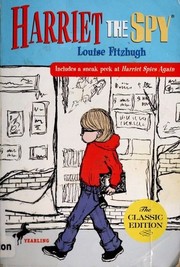
Harriet the Spy
Eleven year old Harriet Welsch fills notebooks with honest, often cruel observations about her neighbors, until her classmates read one and turn her spy route…
2,510-word summary · 11 min read
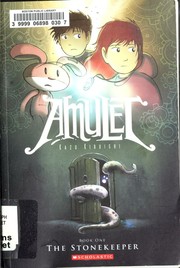
The Stonekeeper
After their father's death, Emily and Navin chase a monster into a hidden world to save their mother, and Emily's great-grandfather's amulet offers power at a…
2,753-word summary · 12 min read
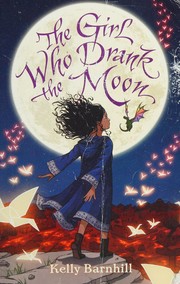
The Girl Who Drank the Moon
A witch who secretly rescues the town's sacrificed babies accidentally enmagicks one with moonlight, and the girl grows up with a power she cannot name.
2,078-word summary · 9 min read
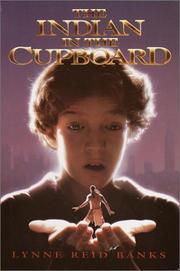
The Indian in the Cupboard
Omri learns a key turns plastic Little Bear into a live Iroquois man.
2,228-word summary · 10 min read
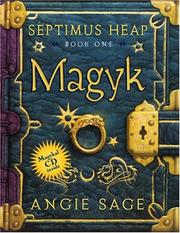
Magyk
A baby found in snow, a lost seventh son, and a run for the Marram Marshes as Marcia Overstrand shields two children from DomDaniel.
2,604-word summary · 12 min read
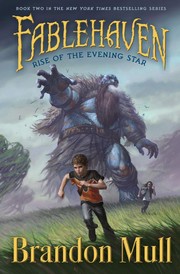
Rise of the Evening Star
Kendra and Seth return to Fablehaven as the Society of the Evening Star closes in, with a traitor inside the house and a demon prison key at stake.
2,874-word summary · 13 min read
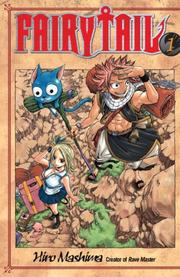
Fairy Tail, Vol. 1
Lucy joins rowdy Fairy Tail guild with fire boy Natsu and cat Happy.
2,049-word summary · 9 min read
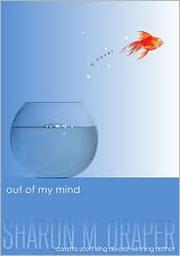
Out of My Mind
Eleven-year-old Melody Brooks has cerebral palsy and cannot speak, but she remembers everything and fights to be heard in fifth grade.
2,298-word summary · 10 min read
Fablehaven
Kendra and Seth spend the summer with their grandfather and learn his woods hide Fablehaven, a preserve for fairies, satyrs and darker things.
2,949-word summary · 13 min read
Blue Lily, Lily Blue
Blue searches for her missing mother while the Raven Boys wake a sleeper in the caves who is not the king they sought.
2,983-word summary · 13 min read
The Dream Thieves
Ronan pulls things from dreams while Gansey hunts a dead king and Blue tries to stay alive by staying apart.
1,922-word summary · 9 min read
The Mark of Athena
Seven demigods sail for Rome where Annabeth must follow the Mark to the Athena Parthenos alone.
2,031-word summary · 9 min read

The Blinding Knife
Kip trains to join the Blackguard while the Prism hides his true identity, loses his colors, and fights a war against a rogue drafter who wants to birth a god.
2,049-word summary · 9 min read

Inkdeath
The final Inkworld novel sends Mo into the land of the dead, leaves Meggie choosing between two boys, and ends the Adderhead's immortality with three written…
2,062-word summary · 9 min read
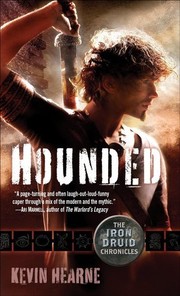
Hounded
A two-thousand-year-old druid runs a bookshop in Arizona, hides from an Irish god who wants his sword back, and talks to his dog.
2,159-word summary · 10 min read
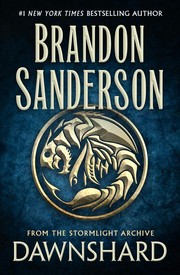
Dawnshard
Rysn sails toward forbidden Akinah to save her dying larkin and finds a Dawnshard guarded by the Sleepless.
3,229-word summary · 14 min read

Bone, Vol. 1: Out from Boneville
Three cartoon cousins are run out of Boneville, separated by locusts, and dropped into a valley where rat creatures and an old grudge are waiting.
2,155-word summary · 10 min read

The Icebound Land
Captured and enslaved in Skandia, Will fights a drug that erases him while Halt and Horace cut a bloody road through Gallica to bring him home.
2,088-word summary · 9 min read

Magic Burns
A magic flare hits Atlanta, and mercenary Kate Daniels must recover stolen maps, find a missing witch, and keep a teenage girl alive while Celtic gods try to…
2,021-word summary · 9 min read
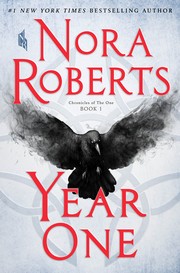
Year One
A plague released in Scotland kills most of humanity, and the survivors discover magic, build a town, and wait for a child who may save them.
2,029-word summary · 9 min read
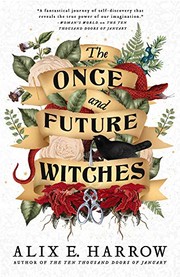
The Once and Future Witches
Three estranged sisters bring witchcraft back to an 1893 city where magic hides in nursery rhymes and the fight for the vote is also a fight for power.
2,132-word summary · 9 min read

Lioness Rampant
Alanna searches for the Dominion Jewel with the Shang Dragon, then returns to Tortall to face Duke Roger at Jonathan's coronation.
2,478-word summary · 11 min read
Blood Bonds
Oleander is chained in a Resistance camp, and her five Bonds have to find her before Silas Davies finishes what he started in this third Bonds that Tie book.
2,018-word summary · 9 min read