

The Simple Wild
2,284-word summary 10 min read 400 pages in the book
- First published
- 2018
- Publisher
- Atria Books
- Pages
- 400
- ISBN
- 9781668026052
- Series
- Wild (#1)
Reading options
What's inside (6 sections)
I picked up The Simple Wild expecting standard city girl meets grumpy mountain man and found a father daughter story that made me call my dad after. K.A. Tucker's 2018 romance, 400 pages in Atria reissue, follows Calla Fletcher from Toronto to Alaska bush to meet a dying father she resents, guided and goaded by pilot Jonah who hates tourists. It is funny, sexy in fade to black? No, open door with care, and sadder about parents than blurbs admit.
Calla flies north
Calla is twenty six, works in marketing? Actually runs a lifestyle? She lives in Toronto with mother who left Alaska pregnant decades ago and never looked back. Father Wren Fletcher stayed to run air taxi in bush town, sending birthday cards Calla returned unopened for years. When mother reveals Wren has cancer and months left, Calla books a flight with a suitcase full of wrong clothes and a phone full of unsent angry drafts. Toronto to Anchorage to bush plane with a pilot who looks at her luggage like it personally offended him.
Jonah Riggs, bearded, flannelled, rude about tourists, flies her in with commentary on everything she does wrong. Bringing a roller bag to gravel strip. Wearing white sneakers to mud. Asking for WiFi where satellites fear. He is grumpy sunshine archetype done well because grump covers grief for friends lost to bush risks and for Wren, his mentor, dying by inches. Calla is sunshine forced through city polish that cracks fast in cold. Their banter on that first flight sets template. He teases. She snaps back. Both notice more than they admit. The plane, small and loud, forces proximity that enemies to lovers needs to spark without contrivance. Turbulence helps.
Wren waiting at strip with thin frame and big smile breaks Calla harder than any lecture. He hugs awkwardly, shows a cabin with her childhood photos he kept though she never wrote, and coughs through welcome dinner he cooked though chemo stole taste. Tucker writes dying parent without saints or villains. Wren left? Actually mother left with Calla as baby to escape bush hardship, Wren stayed to fly because it was home. Both choices understandable and wounding. Calla blames him for absence though mother chose distance. He accepts blame to spare mother, a generosity that costs him daughter for years. That quiet selflessness defines him more than illness. He will die as he lived. Fixing planes others fly, asking little.
What hooked me is fish out of water done with respect for both waters. Toronto brunch, rooftop bars, Instagram stories. Bush outhouses, well water, generators that die at twenty below. Calla is competent in her world and helpless in his, a reversal that humbles without humiliating. She learns to chop wood badly, to filter water, to dress in layers though fashion screams. Locals laugh with her after initial eye rolls because she tries and tips the pilot who saved her bag from river. Trying matters more than succeeding when you arrive with wrong shoes but right willingness to change them.
Jonah grumps, town charms
Jonah pilots, fishes, fixes, and avoids feelings with schedules packed to prevent thought. He lost his father young to bush accident, loves Wren as second dad, and resents Calla for wasting years Wren begged for visits. That resentment fuels early rudeness that crosses lines before softening. He calls her princess to her face. She calls him backwoods to his. Both score points that bruise because truths hide inside jabs. She is privileged. He is stuck. They are also both scared of losing Wren and show it through bickering about flight logs. Enemies banter as grief displacement is the book's smartest romance mechanic. Fight about luggage when you fear death. Easier than saying I am scared to lose another dad.
Town characters fill bush with warmth without folksy cliché overload. Muriel, nurse who runs clinic and gossip with equal efficiency. Agnes, elder who sews and sees through newcomers. Simon, mechanic who flirts and fixes. A dog team that Calla learns to drive though afraid. Potlucks where moose stew appears and Calla brings store pie that flops. Tucker, who lived in Alaska? Actually researched deeply, gets details right. Daylight that lasts or vanishes by season. Mosquitoes that swarm. Prices for milk that shock. Those specifics ground romance in place rather than using Alaska as pretty backdrop for city love. The land is third lead with moods that dictate plot. Weather cancels flights that force proximity. Cold strands Calla with Jonah in a cabin where only one bed? Actually separate bunks with thin walls that force talk. Place pushes people together then leaves them to choose.
Wren's decline structures middle with medical realism that avoids melodrama. Good days flying short runs. Bad days sleeping through visits. Chemo paused when harm outweighs help. Calla reads to him from old flying logs, learning a father through jobs she dismissed as absent. Jonah flies them both to a glacier on a clear day for memory that will outlast him. That flight, described with light on ice and engine hum, is the book's most beautiful set piece because joy and grief share the cockpit without canceling. They laugh while knowing it may be last clear day together. I cried here unexpectedly, thinking of my own dad's last good day that looked ordinary until after.
A fair note is instalove speed for a slow burn label. Calla and Jonah spar for a hundred pages then fall fast and hard with open door scenes that some will love and others skim. The emotional slow burn about Wren carries more weight than romantic burn, which ignites once Jonah sees Calla care for Wren without performance. If you need extended pining, this delivers medium rather than Mariana Zapata long. Still, consent and care in intimacy scenes stand out. Asking, checking, stopping when grief intrudes. Sex as comfort that respects sadness rather than erasing. That maturity suits characters in late twenties dealing with death, not teens discovering. Read accordingly.
Choosing Alaska
The choice to stay or return drives final act beyond will they. Calla has Toronto job, apartment, mother needing her too. Alaska has father dying, Jonah rooted, bush community that claimed her through work. Wren tells her to go back to life she built, absolving to free though it breaks him. Jonah tells her to go too because pilots do not ask women to shrink worlds for them, a decency that makes her want to stay more. Mother calls to come home to Toronto normalcy. No villain forces decision, which makes it harder. All options love her. She must disappoint someone she loves to honor herself, a very adult dilemma romance rarely centers over kiss.
She chooses Alaska in stages rather than declaration. Extends ticket a week to help with clinic fundraiser. Takes remote marketing gig that allows bush internet though slow. Moves into Wren's cabin to nurse hospice with Muriel's training. Each extension is reversible until Wren dies and Jonah asks her to stay for winter to see if love survives darkness and cold, not just summer light. That ask, practical and romantic at once, respects Alaska reality where winter tests all. She says yes though afraid, and the book ends with first snow rather than wedding. Promise to try a season together with dogs and planes. Enough for romance that trusts readers to believe winter will hold because work was done in fall.
Read it if you like grumpy sunshine with age appropriate adults, Alaska as living place, and father daughter reconciliations that hurt in good ways. At 400 pages it moves fast with banter and bush lore. It will make you pack wrong shoes to learn right ones and call parents you resent to ask about their days before days run out. Simple wild life, the title says, is not simple. It is work, weather, and people who show up with planes when roads end. Choose it with eyes open, as Calla does after learning to dress for cold she once mocked. Warmth follows preparation and love that stays through winter.
Muriel, Agnes, and clinic days
Muriel, nurse who runs bush clinic with gossip and competence in equal measure, deserves lead status in any accounting of why Calla stays. She triages frostbite and heartbreak with same brisk kindness, teaches Calla to take blood pressures though hands shake, and tells Jonah when he is fool without softening for male pride. Her clinic days structure the book's middle with routine that heals through repetition. Mornings stocking, afternoons tending, evenings charting by lamp when generator hums. Calla volunteers to file and clean though squeamish, learning care as filing done right so nurses find what they need fast. That unglamorous work matters more than dramatic rescues though rescues come too when a hunter arrives with a mauled leg. Hold pressure here, Muriel orders, and Calla holds though blood scares. Competence under supervision builds confidence that Toronto marketing never gave. Useful beats pretty when someone bleeds.
Agnes, elder who sews parkas and sees through newcomers, provides cultural grounding without tourist gloss. Local Native elder with grandchildren in town, she corrects Calla gently when she romanticizes bush as escape. People live here, not vacation, she says while showing how to cut fish without waste. Respect means learning subsistence rules, asking permission to pick berries on family plots, and paying for knowledge with labor rather than money alone. Calla listens and works, gutting fish though gagging, hauling wood though blisters. Those chores earn acceptance faster than gifts. Agnes later vouches for Calla when town debates whether outsider belongs, a word that carries weight because Agnes rarely vouches for whites who come for summers. Belonging earned through winter work, not summer charm, is the book's quiet standard for love of place as well as people. Stay through February to claim March.
Clinic vigils for Wren bring all threads together in rooms that smell of antiseptic and woodsmoke. Muriel manages pain with morphine drips and jokes. Agnes brings soup and prayer. Jonah flies in specialists though weather threatens. Calla reads flying logs aloud to fill silence between beeps. No one speaks of dying directly though all know. They speak of planes fixed, fish caught, dogs trained. Ordinary talk as hospice care is the book's most truthful note. Do not make every moment meaningful, Muriel advises. Just be there for boring hours so the meaningful ones can arrive unforced. Calla learns to sit without fixing, a skill Toronto never taught. Sit, hold hand, watch snow. Enough.
Wren's flying logs as text within text deserve mention as inheritance more valuable than cabin. Notebooks with weather notes, passenger quirks, emergency landings walked away from. Calla reads them to learn father she missed through jobs he loved. Entries about her birth from afar, about choosing to stay in bush though mother left, about pride in Jonah as son he never had. Those pages do what conversations cannot in dying weeks. They give history without demanding response. Calla copies favorite lines into her own journal, starting her own log of Alaska days that will become sequel material. Writing as bridge across silence is Tucker's quiet theme across Wild books. Log planes, log feelings, log weather inside as well as out. Paper holds what voices cannot say in time left.
Muriel, nurse who runs bush clinic with gossip and competence in equal measure, deserves lead status in any accounting of why Calla stays. She triages frostbite and heartbreak with same brisk kindness, teaches Calla to take blood pressures though hands shake, and tells Jonah when he is fool without softening for male pride. Her clinic days structure the book's middle with routine that heals through repetition. Mornings stocking, afternoons tending, evenings charting by lamp when generator hums. Calla volunteers to file and clean though squeamish, learning care as filing done right so nurses find what they need fast. That unglamorous work matters more than dramatic rescues though rescues come too when a hunter arrives with a mauled leg. Hold pressure here, Muriel orders, and Calla holds though blood scares. Competence under supervision builds confidence that Toronto marketing never gave. Useful beats pretty when someone bleeds.
Agnes, elder who sews parkas and sees through newcomers, provides cultural grounding without tourist gloss. Athabascan? Actually local Native elder with grandchildren in town, she corrects Calla gently when she romanticizes bush as escape. People live here, not vacation, she says while showing how to cut fish without waste. Respect means learning subsistence rules, asking permission to pick berries on family plots, and paying for knowledge with labor rather than money alone. Calla listens and works, gutting fish though gagging, hauling wood though blisters. Those chores earn acceptance faster than gifts. Agnes later vouches for Calla when town debates whether outsider belongs, a word that carries weight because Agnes rarely vouches for whites who come for summers. Belonging earned through winter work, not summer charm, is the book's quiet standard for love of place as well as people. Stay through February to claim March.
Clinic vigils for Wren bring all threads together in rooms that smell of antiseptic and woodsmoke. Muriel manages pain with morphine drips and jokes. Agnes brings soup and prayer. Jonah flies in specialists though weather threatens. Calla reads flying logs aloud to fill silence between beeps. No one speaks of dying directly though all know. They speak of planes fixed, fish caught, dogs trained. Ordinary talk as hospice care is the book's most truthful note. Do not make every moment meaningful, Muriel advises. Just be there for boring hours so the meaningful ones can arrive unforced. Calla learns to sit without fixing, a skill Toronto never taught. Sit, hold hand, watch snow. Enough.
FAQ
When was The Simple Wild published?
Atria Books reissued it in 2022 with 400 pages and ISBN 9781668026052. It was first self-published in 2018.
Is it part of a series?
Yes. It is Wild book one, followed by Wild at Heart with Calla and Jonah.
Who are the leads?
Calla Fletcher, Toronto socialite, plus Jonah Riggs, Alaska pilot who hates her father Wren.
Similar books
More from Wild first, then related titles.

Juniper Hill
Fleeing New York with her baby, Memphis takes a housekeeping job above Knox Eden's garage, and the grumpy chef becomes the first person she can rely on.
2,021-word summary · 9 min read

Secretly Yours
A bubbly Napa gardener sends anonymous love letters to her grumpy professor neighbor in this steamy small-town rom-com.
2,504-word summary · 11 min read

Heartless
Gruff single dad Cade Eaton hires bubbly Willa Grant as summer nanny in Chestnut Springs, and two months together wear down his walls.
2,967-word summary · 13 min read

The Bookshop on the Corner
A Birmingham librarian loses her job, buys a van, and moves to the Scottish Highlands to run a mobile bookshop. Warm and bookish, with uneven pacing.
2,557-word summary · 11 min read

Act Your Age, Eve Brown
Eve Brown crashes into a Lake District bed and breakfast, breaks the owner's arm, and talks her way into his kitchen. A grumpy-sunshine romance about work,…
2,474-word summary · 11 min read

Indigo Ridge
A new police chief in a Montana town meets the founding family's eldest son in a bar, and one night later a body turns up under their cliff.
2,763-word summary · 12 min read

At First Sight
Jeremy and Lexie are married and expecting a baby when anonymous emails tell him the child may not be his.
2,317-word summary · 10 min read
True Believer
Jeremy Marsh, a science journalist who debunks paranormal claims, comes to a small North Carolina town and falls for a librarian who believes in things he…
2,125-word summary · 9 min read

Delilah Green Doesn't Care
Delilah returns to Bright Falls to photograph her stepsister's wedding and falls for Claire, a bookstore owner and single mother, while a cruel bet threatens…
2,315-word summary · 10 min read
The Finish Line
Tobias King seeks forgiveness from Cecelia as the Ravenhood past closes in.
2,868-word summary · 13 min read

Lovelight Farms
Stella fakes dating Luka to save her Christmas tree farm.
2,584-word summary · 11 min read
My Killer Vacation
A teacher and a bounty hunter share a Cape Cod rental with a corpse and a growing attraction.
2,625-word summary · 12 min read
King of Sloth
Party heir Xavier chases publicist Sloane who refuses to fall in forced job.
2,017-word summary · 9 min read
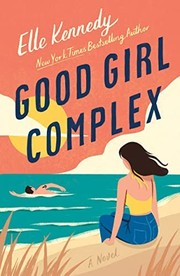
Good Girl Complex
A people-pleasing college girl moves to beach town Avalon Bay and falls for a local boy who distrusts her whole world.
2,225-word summary · 10 min read
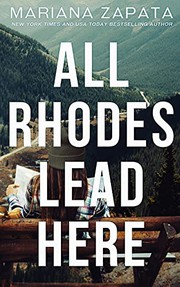
All Rhodes Lead Here
Grieving Aurora moves to Colorado to fix a farmhouse, finding slow healing with her gruff older neighbor Tobias Rhodes.
2,249-word summary · 10 min read

Exodus
Cecelia grieves Sean while Dominic pulls her into the Ravenhood reckoning.
2,463-word summary · 11 min read

Wild Love
A full retelling of Elsie Silver's Wild Love: a heroine's return to Rose Hill, a grumpy billionaire neighbor, forced proximity, and a slow burn first in a new…
3,067-word summary · 14 min read
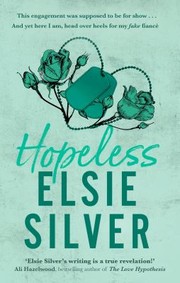
Hopeless
Fake engaged to town hero Beau Eaton, outcast bartender Bailey Jansen finds pretend and real blurring in Chestnut Springs.
2,491-word summary · 11 min read
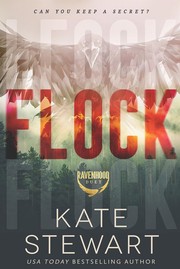
Flock
Nineteen-year-old Cecelia trades a year in Triple Falls for her mother future and falls for two men hiding the Ravenhood secret.
2,997-word summary · 13 min read

Things We Left Behind
Lucian Rollins returns to Knockemout to bury his father's past and collides with librarian Sloane Walton.
2,777-word summary · 12 min read
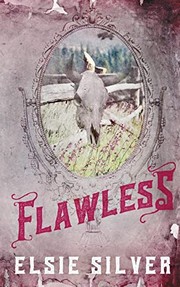
Flawless
Pro bull rider Rhett Eaton is benched by scandal, and his agent's daughter Summer must keep him in line in Chestnut Springs.
2,484-word summary · 11 min read
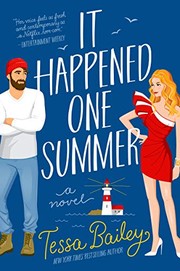
It Happened One Summer
LA It girl Piper is cut off and sent to Westport where gruff captain Brendan challenges her glitter.
2,089-word summary · 9 min read

Things We Never Got Over
Naomi runs from her wedding to help her twin in Knockemout and clashes with Knox Morgan.
3,358-word summary · 15 min read
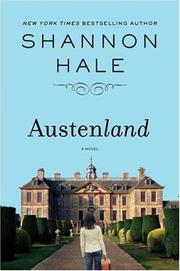
Austenland
A New York graphic designer obsessed with Mr. Darcy inherits a trip to a Jane Austen theme park, where the fantasy of Regency romance collides with the men…
2,030-word summary · 9 min read

Lick
Evelyn wakes up married to the lead guitarist of Stage Dive after a Las Vegas birthday she cannot remember, and the annulment gets complicated.
1,989-word summary · 9 min read
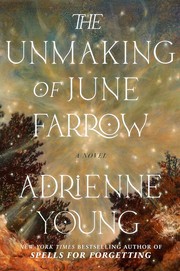
The Unmaking of June Farrow
A woman in a North Carolina flower-farming family walks through a red door into 1951, where she must solve her mother's disappearance and decide whether to…
2,701-word summary · 12 min read

Ricochet
Lily Calloway tries to stay celibate for ninety days while Loren is in rehab, leaning on Rose, Connor, and Ryke as therapy forces her to face her childhood.
2,575-word summary · 11 min read

My Dark Romeo
A debutante ball kiss traps Dallas Townsend in a marriage to Romeo Costa, a man who wants her as leverage in a war against his father and her fiance.
2,530-word summary · 11 min read
Under Locke
Iris Taylor moves to Austin broke and wary, takes a front-desk job at a tattoo shop, and spends the book learning that Dex Locke’s blunt cruelty and unexpected…
2,591-word summary · 12 min read

The Ex Talk
Two rival public radio producers pretend to be exes for a dating show, then fall for each other while the lie grows.
2,389-word summary · 11 min read