
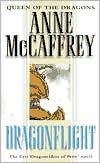
Dragonflight
2,821-word summary 13 min read 309 pages in the book
- First published
- 1968
- Publisher
- Ballantine Books
- Pages
- 309
- ISBN
- 9780345335463
- Series
- Dragonriders of Pern (#1)
Reading options
What's inside (8 sections)
A friend pressed this book on me years ago with the line that it was about dragons but really about politics and stubborn people. I smiled and put it on the shelf. Last month I finally picked it up because I wanted something old school after a run of very long new fantasies. Ballantine Books put it out in July 1968 as a paperback original, 309 pages, the first book in the Dragonriders of Pern. It is a fix-up, meaning McCaffrey joined together stories she had published in Analog magazine, with a bridging section to make them one novel. That history shows in the shape. You can feel the joins. I did not mind once Lessa walked on stage.
Pern itself hooked me faster than I expected. Humans settled there planning for a simple farming life. Then Thread started falling. Thread is a silver spore from the sky that eats anything organic and breeds in soil if it gets down. The only answer turned out to be the local dragons, big, flying, fire breathing, telepathic after generations of breeding work by the settlers. A rider bonds for life with one dragon at hatching. That bond, called Impression, is instant and permanent. Dragons chew a rock called firestone to make flame and burn Thread out of the air before it lands. It is science fiction wearing fantasy clothes, and McCaffrey never lets you forget the cost in burned wings, scored hides, and tired riders.
The set-up when the book opens is bleak for the dragon people. Because Thread comes and goes in long cycles tied to a wandering star, people forget during the quiet years. Holds that once paid tithes to feed the Weyrs stop paying. Only one Weyr is still active, Benden, with too few dragons. The other five Weyrs are empty. No one knows exactly why. Lords of Holds act as if Thread is a story to scare children. Riders know better because they watch the sky.
Ruatha Hold and the girl in the kitchen
Lessa is the reason to read the first third. She is under twenty, small, furious, and the last of the blood of Ruatha Hold. A conqueror named Fax took Ruatha by force and killed her family. She lived because she hid and because she has a strong mind talent. She can push thoughts at people and cloud what they see. She uses it to look plain and older, to work as a drudge in her own kitchen, and to spoil work around the Hold. Milk curdles. Tools go missing. Runners go lame at bad moments. Her plan is patient and mean in a way I respected. If Ruatha looks poor and broken, Fax might let it go.
Fax himself is worth pausing on. He did not just take Ruatha. He collected Holds by marriage, threat, and murder until he held seven. He is loud, greedy, and careless with people. The scenes at Ruatha show his style. He rides in expecting food and obedience, complains about the state of the place, and never guesses the ragged kitchen girl is watching every move and nudging accidents along. Lessa keeps a watch-wher as a sort of ally, a smaller cousin to dragons that guards the Hold at night and talks to her after a fashion in pictures and feelings. It is a lonely friendship and McCaffrey writes it with real warmth.
Then the dragonriders come on Search. Flar, wingleader of Benden Weyr and rider of the bronze Mnementh, is looking for candidates for an important hatching. The old queen at Benden is dead. A new queen egg, gold, is hardening on the hot sands with a clutch. Tradition says girls with mind talent should be brought as candidates for queen eggs. Flar and his half brother Fnor, who rides brown Canth, ride through Fax held territory checking Holds. At Ruatha, Flar feels something odd about the drudge. She fights him mentally without meaning to. He pushes back. The game is up.
What follows is one of my favorite messy scenes in older science fiction. Flar demands that Fax give up one of the Holds he stole, invoking old rights. Fax laughs. They fight with knives under Hold law. Fax dies. Flar does not come off as a pure hero here. Lessa admits to herself that she pushed at his anger, feeding it, wanting Fax dead by another hand. Flar knows it too. He is angry about being used and also impressed by her strength. He tells her she is wasting herself on revenge over one Hold when she could hold something larger. She gives up her claim to Ruatha, which passes to the infant son of Fax by one of his wives, and agrees to come to Benden to stand for the queen egg. It happens fast. It felt right for two hard people who recognize each other.
The hatching and what Impression feels like
The hatching chapters are tense in a way I did not expect from a book this old. Candidates stand on hot sand in a great cavern while eggs crack. Dragonets come out hungry, confused, and already calling with their minds. If no one answers, they can die quickly. Lessa waits for the gold. When Ramoth breaks out, the contact hits like a shout and then a grip that does not let go. McCaffrey describes it as hunger and joy and demand all at once. Lessa feeds her, oils her soft hide, sleeps beside her, and learns that a queen grows fast and eats constantly.
I liked how physical this part is. Ramoth is not a pet. She is a growing animal the size of a horse within weeks, then larger, with itchy skin that needs oiling, wings that need exercise, and a mind that is always there at the edge of Lessa thoughts. Lessa is proud and short tempered and suddenly very important, which is a bad combination. The other women in the Weyr, including the headwoman Manora, try to teach her duties. Lessa resists. She wants Flar to explain why the Weyr is so weak and what he plans to do. He wants her to learn patience first. They clash constantly.
Mating flights complicate everything. When Ramoth rises for her first flight, bronze males chase her, and Mnementh wins. By Weyr custom that makes Flar the Weyrleader and Lessa the Weyrwoman, together. Their dragons feelings spill into them. McCaffrey is frank that riders caught in flight lust act on it. Modern readers will pause here, and should. The book treats it as biology and tradition. Consent gets blurry in a way the book does not fully examine. It bothered me, even while I understood what McCaffrey was trying to show about a closed society with its own rules. Flar and Lessa already have a sharp attraction mixed with rivalry, but the flight forces intimacy before trust is built. That damage takes much of the book to repair.
Old Rgul, the former Weyrleader whose dragon is aging, and other older riders add pressure. They think Flar is reckless. They think Lessa is rude and untrained. They are partly right. What saves the section is Fnor. He is steadier than Flar, kinder to Lessa without flattering her, and his humor keeps long cavern scenes moving. His brown Canth is a good solid animal, not a bronze, and McCaffrey uses that to show how rank among dragons does not always match worth in work.
Learning to run a Weyr that no one feeds
The middle of the book slows down on purpose. Ramoth must grow before she can fly Thread. Lessa must learn to manage stores, drill schedules, birth records, and tithes that are not coming. Benden has too few fighting dragons, about eighty some where once hundreds flew, and Thread is already starting to fall again. The Lords of Holds drag their feet. Some send short measure grain. Some send green boys as candidates and keep strong ones for field work. A few say openly that Thread is over and dragons are parasites.
McCaffrey is good at council scenes. She lets Lord after Lord speak with reasons that sound sensible if you have never seen Thread eat a pasture. One wants proof. One blames the Weyr for poor harvests. One offers soldiers with flamethrowers as if ground crews can cover a whole continent. Flar answers with maps, fall patterns, and offers to fly patrols. Lessa listens and learns who can be shamed, who can be flattered, and who will only move when scared. I found these chapters less exciting than the hatching but more interesting on second thought. This is the adventure part turning into a supply problem. How do you feed dragons when farmers will not share. How do you train new wings when you have no spare riders to teach.
Threadfall itself, when it comes, is scary and strange. It falls in sheets, silver and hungry. Dragons fly through it, belching flame from chewed firestone, dodging with that eerie ability to go between places in a blink. Between is cold nothing, used for instant travel, dangerous if a rider loses focus. A wing will fly a pattern, burn what it can, call for ground crews to flame what gets past, then land with singed wings and riders shaking from cold and fear. McCaffrey does not make it glorious. She makes it work. Men and women come home vomiting from firestone fumes, picking char out of dragon claws, arguing about who missed a patch.
Lessa chafes because Ramoth as a queen does not fly Thread. Queens lay eggs and lead, they do not chew firestone. Lessa wants to fight directly and hates being kept safe. She picks fights with Flar about it. She sneaks into records instead, reading old songs and charts, looking for answers about the empty Weyrs and about how Thread was fought when dragons were many. That stubborn archive digging sets up the wildest part of the book.
Kylara enters here too, and she matters even if she annoyed me at first. She Impresses a second new queen, Prideth, but she is vain and restless and uninterested in duty. The contrast with Lessa is deliberate. One queen rider studies and worries. The other chases praise. It would be easy to dismiss Kylara as a simple rival. I read her as a warning about what Weyr life does to people who want admiration without responsibility.
Dust and arguments and a desperate plan
By the later third, Thread is falling in earnest and Benden cannot cover Pern. Crom and other Holds get hit. Fields blacken. People die. The Lords who mocked now demand help everywhere at once. Flar tries to be everywhere, burning himself and Mnementh out. Fnor flies until Canth is scored. Lessa watches the map fill with falls they cannot meet and starts asking forbidden questions.
The records say dragons once went between times as well as places. A rider can visualize a moment and emerge in the past or future. It is dangerous. Small errors can kill. Going far is worse. The Weyr had banned timing because riders got lost. Flar forbids it. Lessa disobeys in the way only she would, by testing in small steps and then proposing something huge.
First they try a short jump. They send Prideth and Kylara back about ten Turns so Prideth can mature and clutch in the past, then return with more numbers. It works, barely, and it gives them a little breathing room. Then Lessa decides on the real gamble. The five empty Weyrs did not die. She thinks they went forward in time to a moment of need and never came back, or they hid somewhere in the past. If she can go back four hundred Turns to the last bad Pass, she can ask those Weyrs to come forward to now. It is a staggering risk for one rider on a young queen. Ramoth is barely old enough. Lessa might die between. She might arrive and find no one willing to follow a stranger.
I will not spoil every beat of the persuasion, but the scenes in the past work because Lessa does not give a grand speech. She shows up tired, proves who she is through Ramoth, answers hard questions about Thread patterns, and lets the old Weyrleaders argue. Some fear breaking custom. Some fear losing their own Holds support. A few understand at once that an empty Weyr in their time means death in hers. The choice to ride forward, leaving homes behind, using the Red Star as a marker for short hops to spare the dragons, is written as logistics more than heroics. How many dragons can go at once. How much food can be carried. Which sick dragons must wait. That practical tone kept me believing.
There is a personal price too. Lessa nearly does not make it back. Ramoth is spent. Flar thinks he has lost her. When they return with help on their wings, the relief in the Weyr is physical. Drums beat. Watchers on heights cry out. For once Lessa lets people fuss over her without snapping.
What drags and what still shines
No honest retelling should skip the rough parts. The gender politics are dated and sometimes ugly. Flar can be high handed with Lessa in ways the book frames as necessary teaching. Lessa claws back with manipulation that the book frames as spirit. Their fights crackle, but too often he wins by rank and she wins by trick, and neither pattern feels healthy. The mating flight scenes raise real questions about choice that McCaffrey does not answer to my satisfaction. If you need clear consent standards in romance, this book will frustrate you. Kylara gets judged harshly for enjoying sex while male riders are praised for the same freedom. That double standard stuck out badly on this read.
The pacing also sags in the training middle. Long passages explain firestone, wing formations, tithe lists, and Hold genealogy. I skimmed a little around the Crom disputes. Some dialogue repeats the same point about honor and duty. The prose is plain rather than pretty. McCaffrey describes feeling and action well, but landscapes blur and castle interiors repeat. Readers who want detailed magic systems or hard physics for between travel will not find them. The book asks you to accept time travel because the plot needs it and because Lessa wills it through.
And yet the core still shines for reasons that explain why this novel won its writers awards and kept readers for decades. Both novellas inside it won major prizes, Weyr Search taking the Hugo and Dragonrider taking the Nebula, making McCaffrey the first woman to win either. You can see why. Lessa is a difficult heroine who stays difficult. She starts selfish, stays sharp tongued, learns duty without losing edge. Flar is arrogant and often right about Thread, wrong about people, and forced to adjust. Ramoth and Mnementh are characters, not transport, with appetites, moods, jealousy, and humor that come through in mind speech. Thread remains a frightening pressure because it does not hate or plan. It just falls and eats.
I finished feeling affectionate rather than awed, which suits this book. It is not trying to be elegant. It is trying to show how a hungry, ignored guard force talks farmers into feeding it again while the sky burns. The fix-up seams show. The bridge chapters explain a lot. Some attitudes creak. But the flight scenes move, the time gamble lands, and Lessa walking out of a kitchen in rags to claim a golden dragon still feels like the start of something big. I am glad I finally read it, and I already asked my friend for the next one.
Pern after Dragonflight and where to go next
If you finish and want more, the path is simple. Dragonquest comes next and follows the same people with more Thread, more politics, and new trouble from the south. The White Dragon after that centers on Jaxom, the baby who gained Ruatha when Lessa left, grown up and bonded to a small white dragon who breaks rules. Later books jump across centuries to show how Pern was settled and how Thread was first faced. You do not need any of that to enjoy this one. This novel stands alone as Lessa story from drudge to Weyrwoman.
For new readers I would say start here rather than with later prequels. The science behind Pern is lighter here, the society is stranger, and you learn rules as Lessa learns them. Keep a light grip on the old fashioned manners. Notice how often food, clothing, and work details tell you who has power. Watch for the songs, which carry history the Holds have forgotten. And pay attention to Fnor when Flar and Lessa shout. He often says the plain true thing both leaders need to hear.
FAQ
When was Dragonflight published?
Ballantine Books published it in July 1968 as a 309 page paperback original, a fix-up of stories from Analog magazine. The edition cited here carries ISBN 9780345335463.
Is Dragonflight the first Pern book?
Yes. It is book one of the Dragonriders of Pern, followed by Dragonquest. It stands alone as Lessa's story from drudge to Weyrwoman.
Did Dragonflight win any awards?
The two novellas joined inside it won the Hugo and the Nebula, making McCaffrey the first woman to win either award.
Similar books
More from Dragonriders of Pern first, then related titles.
Secrets of the Dragon Sanctuary
Kendra is replaced by a plant copy and held by the Society, while Seth steals a unicorn horn so the family can enter a dragon sanctuary.
2,590-word summary · 12 min read

Archenemies
Nova steals for the Anarchists while Adrian hides his Sentinel identity, and a serum that erases prodigy powers puts them both at risk.
2,485-word summary · 11 min read
Dealing with Dragons
A princess who hates embroidery runs away to become the cook and librarian for a dragon, then has to outthink wizards, knights, and a plot against the dragon…
2,563-word summary · 11 min read
Grip of the Shadow Plague
A plague turns Fablehaven's creatures of light into shadows while Kendra hunts an artifact in Arizona and Seth races to find the cause.
2,131-word summary · 9 min read
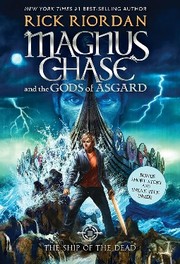
The Ship of the Dead
Magnus and his crew sail to the edges of the Norse worlds to stop Loki from launching Naglfar, the ship of the dead.
2,426-word summary · 11 min read
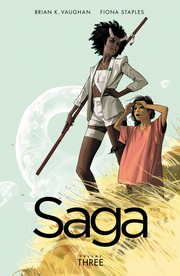
Saga, Volume 3
Marko, Alana, and Hazel hide on the planet Quietus with the reclusive author who inspired their romance, while assassins and a prince close in.
1,989-word summary · 9 min read
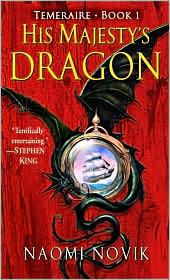
His Majesty's Dragon
When Captain Will Laurence's crew captures a French frigate carrying a dragon egg, the hatchling chooses him, and he trades the Navy for Britain's Aerial Corps.
2,405-word summary · 11 min read
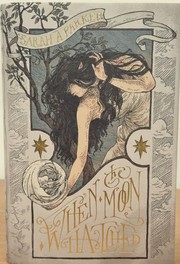
When the Moon Hatched
An assassin who hears air takes a job that throws her to dragons and a hunter.
2,083-word summary · 9 min read
Saga, Volume 2
Alana and Marko flee with baby Hazel while exes, princes, and ghosts close the net.
2,028-word summary · 9 min read
The Farthest Shore
Archmage Ged and Prince Arren sail to the far west to stop Cob, whose bid for endless life drains magic across Earthsea in Le Guin's sad 1972 third volume.
2,800-word summary · 12 min read
Dragons of Autumn Twilight
Old friends reunite at the Inn of the Last Home, guard a glowing Blue Crystal Staff, face black dragon Khisanth, and free slaves at Pax Tharkas in this 1984…
2,803-word summary · 12 min read
The Eyes of the Dragon
In the kingdom of Delain, a jailed prince and his younger brother face a magician whose long plot for the throne turns on a napkin clue.
2,018-word summary · 9 min read
A Wizard of Earthsea
A proud goatherd becomes the wizard Ged, looses a shadow at Roke, and must hunt it across Earthsea to name it. Le Guin's lean 1968 series opener.
2,972-word summary · 13 min read
2001: A Space Odyssey
A black slab nudges apes to tools, calls Floyd to the Moon, and pulls Bowman past HAL toward Saturn and a strange rebirth.
2,982-word summary · 13 min read
Eldest
Eragon trains with Oromis in Ellesmera while Roran defends Carvahall and Nasuada leads the Varden toward war.
2,652-word summary · 12 min read
Eragon
Paolini's Eragon retold: a farm boy, a blue stone, Saphira the dragon, and the road to the Varden.
1,996-word summary · 9 min read
A Game of Thrones
Martin's A Game of Thrones retold: Starks, Lannisters, Dany's dragons, and why Ned's mercy costs him.
2,565-word summary · 11 min read
The Thief
A boastful young thief is pulled from a prison to steal a legendary stone for the king's magus, and the story he tells about himself is not the whole story.
2,514-word summary · 11 min read

The Blinding Knife
Kip trains to join the Blackguard while the Prism hides his true identity, loses his colors, and fights a war against a rogue drafter who wants to birth a god.
2,049-word summary · 9 min read
Ship of Magic
A sentient ship wakes when her captain dies, and the family that owns her starts to come apart over who gets to sail her.
2,026-word summary · 9 min read

Inkdeath
The final Inkworld novel sends Mo into the land of the dead, leaves Meggie choosing between two boys, and ends the Adderhead's immortality with three written…
2,062-word summary · 9 min read
Dawnshard
Rysn sails toward forbidden Akinah to save her dying larkin and finds a Dawnshard guarded by the Sleepless.
3,229-word summary · 14 min read
Bone, Vol. 1: Out from Boneville
Three cartoon cousins are run out of Boneville, separated by locusts, and dropped into a valley where rat creatures and an old grudge are waiting.
2,155-word summary · 10 min read

Vow of Thieves
Kazi and Jase return to Tor's Watch to find it occupied, and their marriage is tested by captivity, betrayal, and a war for the town of Hell's Mouth.
2,059-word summary · 9 min read
The Icebound Land
Captured and enslaved in Skandia, Will fights a drug that erases him while Halt and Horace cut a bloody road through Gallica to bring him home.
2,088-word summary · 9 min read
The Field Guide
Three siblings move into a creepy Maine estate, anger a brownie, and find a forbidden guide to the fairy world in the first Spiderwick book.
2,033-word summary · 9 min read
Prelude to Foundation
A young Hari Seldon arrives on Trantor with a theory he cannot yet prove, and a hunt through the planet-city forces him to turn psychohistory into a real…
2,013-word summary · 9 min read
The Secret of the Nagas
Shiva hunts the Naga who attacked Sati, discovers her hidden twin sister and lost son, and follows the trail to the Naga capital of Panchavati.
2,442-word summary · 11 min read
Lioness Rampant
Alanna searches for the Dominion Jewel with the Shang Dragon, then returns to Tortall to face Duke Roger at Jonathan's coronation.
2,478-word summary · 11 min read

Iron Widow
Wu Zetian enlists to avenge her sister, kills her pilot, and becomes an Iron Widow in a mecha Huaxia where the machines are built to kill women.
2,444-word summary · 11 min read