
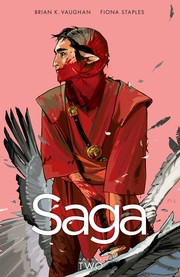
Saga, Volume 2
2,028-word summary 9 min read 144 pages in the book
- First published
- 2013
- Publisher
- Image Comics
- Pages
- 144
- ISBN
- 9781607066927
- Series
- Saga (#2)
Reading options
What's inside (9 sections)
I read the first Saga collection expecting space opera with jokes, and I got that plus a story about new parents trying to stay decent while galaxies hunt them. Volume 2 collects issues 7 to 12, and it reads darker than Volume 1 without losing humor. First published in 2013 by Image Comics, at 144 pages in paperback, it is second in Saga after Saga, Volume 1. The art by Fiona Staples carries as much story as the words, with faces and colors that make strange worlds feel close.
Alana and Marko are still running with baby Hazel. She has wings and horns, proof of a love between warring peoples that both sides call treason. They hide on a quiet forest world, working dull jobs and trying to be normal for Hazel's sake. Normal does not hold. Ex lovers, princes with TVs for heads, and mercenaries with big hearts and worse choices close in from different directions.
Hazel narrates from the future in short captions that hint at loss without spoiling. That voice gives even funny scenes an ache. We know this family story will cost. Watching them laugh over breakfast while hunters board ships makes joy sharper. Vaughan and Staples balance those tones better than almost anyone in comics.
Hiding on quiet worlds
The volume opens with domestic strain that feels real despite horns and wings. Alana works a boring shift to pay rent. Marko stays home with Hazel and struggles with pride about not providing. They love each other and snap about money, sleep, and who gets to leave the house. New parent fights sound the same on any planet, which is the point.
Hazel grows fast in small ways. She babbles, grabs, and watches everything. Her mixed features draw stares in markets. Alana shields her with jokes. Marko shields her with his body. Both fear they are failing a child they love more than causes they left. Those fears drive risky choices later, when safety and morals collide.
Jobs bring new faces. A neighbor who gossips and helps. A boss who underpays and notices too much. Alana hates lying on forms. Marko hates hiding his horns under hats. They argue about whether to move again or root for a season. Rooting feels right for Hazel and wrong for safety. That bind never fully eases in this volume.
Staples draws quiet life with warmth. Kitchens cluttered with alien food. Laundry lines with tiny suits. Hazel chewing a toy while parents talk bills. Colors stay soft in these pages, then cool when ships pass overhead. The contrast tells you peace is borrowed. You feel watched even in calm panels, which is smart visual storytelling.
I like how the book respects work. Alana's aching feet, Marko's boredom, and shared counting of coins ground space war in bodies. It is easy in epics to forget rent. Saga never does. That attention makes later violence cost more, because you know what laundry they left behind.
Prince Robot and the price of duty
Prince Robot IV gets more page time here, and he is awful and pitiable at once. A royal with a screen face from a technological kingdom, he serves a war he doubts while missing his pregnant wife. He follows orders to find Alana and Marko, partly from duty and partly to prove he matters. His captions mix snobbery with fear.
His marriage scenes cut hard. His wife waits in a palace that feels like a prison, watching broadcasts of battles. They speak by screen with delays that mimic emotional distance. He promises to return changed. She hears a stranger. Staples draws his face static shifting with glitches when he lies, a neat trick that shows more than dialogue.
In the field, Robot is brutal and efficient, then shaken by what efficiency means. He kills because command says so, then replays faces at night. He clings to rules to avoid thinking. When rules fail on a forest road, he improvises badly. That failure humanizes him without excusing harm. You understand the man inside the machine without forgiving the machine.
His arc pairs with Alana and Marko's. All three are new or soon to be parents shaped by war. Robot chooses duty over family and calls it honor. Alana and Marko choose family over sides and call it love. The book does not declare a winner. It shows costs on both paths. Robot gains rank and loses sleep. The lovers gain time and lose safety.
A fair note: Robot's crude talk and sexual scenes may put off some readers. Vaughan writes soldiers as vulgar when scared, which fits but can grate. If Volume 1's humor worked for you, this volume pushes further. If it did not, skim those panels and stay for the family beats.
The Will, Gwendolyn, and Lying Cat
The chase trio steals many pages. The Will, a mercenary with a moral code he keeps breaking, travels with Gwendolyn, Marko's ex fiancee, and Lying Cat, a huge beast who growls lie when hearing lies. They hunt Alana and Marko for money and for hurt. Their banter is funny until it turns cruel, which it often does.
The Will takes a child slave named Slave Girl in this volume, a choice that starts as convenience and becomes a mirror. He tells himself he rescued her. She sees a captor with kind moments. Their scenes are uncomfortable on purpose. Vaughan does not let charm erase ownership. The Will's jokes land less as you see the girl flinch. That erosion is the point.
Gwendolyn is sharp, proud, and heartbroken. She loved Marko and lost him to Alana, and she frames the hunt as justice as much as pay. Her spells and sword skill make her dangerous, but her grief makes her sloppy. She argues with The Will about methods while sharing his bed for comfort. Both use each other and know it, which adds sour humor.
Lying Cat remains a favorite for good reason. The beast says nothing but lie, yet communicates loyalty, hunger, and disgust through eyes and posture. Staples draws subtle shifts that read clearly. In a book full of liars, a creature that names lies feels like relief. Readers quote that single word because context makes it land differently each time.
Their road trip structure gives the volume momentum between domestic scenes. Bars, ships, and checkpoints pass with jokes and threats. A rescue goes wrong. A deal sours. Someone shows mercy at the wrong time. The chase tightens without rushing the family pages. That crosscut rhythm keeps 144 pages feeling full.
Ghosts, debts, and hard choices
Volume 2 deepens the war's supernatural edges. Ghosts of the dead linger where battles happened, including a teen ghost named Izabel who babysits Hazel. Izabel is funny, profane, and stuck. She cannot leave the forest where she died, so she helps the family to feel useful. Her bond with Hazel is sweet and sad. A ghost child raising a living baby while neither can leave war behind says much in few panels.
Debts pile up beyond money. Marko owes his mother for help. Alana owes an old friend for papers. The Will owes his brother for a job gone bad. Each debt gets called at bad times. Vaughan shows how war runs on favors that turn to chains. Characters choose between betraying kin or strangers, and both choices wound.
Violence spikes mid volume in ways that shocked me on first read. A trusted figure dies fast. A kind plan fails because someone talks. Staples does not look away. Bodies fall in bright forest light, which makes it worse than dark ship halls. The book earns its mature rating here. If you hand Saga to teens, know this volume is bloodier than the first.
Aftermath scenes handle grief well. Alana cleans while crying. Marko holds Hazel too tight, then loosens. Izabel jokes to break silence and fails. No speeches about meaning. Chores and holding carry feeling. That restraint gives the book weight beyond shock. Death matters because laundry still needs doing.
The volume ends on a turn that reframes the chase and the family. I will not spoil who lives or falls, but alliances shift and a new power enters. Hazel's future captions hint that worse waits. Closing pages mix a birth and a burial mood, which is Saga in one spread. Joy and loss share a bed.
Art that tells half the story
Staples deserves equal billing in any summary because faces do work words cannot. Alana's tired smile, Marko's wary softness, Robot's flickering screen, The Will's grin fading at edges. You can follow feelings without reading balloons. That clarity helps new comics readers who fear confusion in action.
World design stays inventive without clutter. Forest markets with hanging lights. Ships shaped like trees and whales. Ghosts stitched from light. Sex workers with kind eyes and sharp boundaries. Each design tells culture fast. A rocket forest says magic and industry mixed. A palace hospital says power fears death. Look at backgrounds. They carry theme.
Lettering and color guide pace. Warm yellows for home. Cold blues for hunts. Red for Robot broadcasts. Black gutters for kills. Reading feels like breathing changes. When pages go wordless for a chase, sound effects and eyes carry speed. Those silent runs are among the best action in modern comics because you hear motion in stillness.
If you are new to comics, this volume teaches how to read them. Follow eyes first, then balloons, then backgrounds. Reread a confusing fight by panels, not pages. Notice how Hazel's captions sit outside time. That narration lets Vaughan skip weeks without losing heart. Form serves family, not flash.
A small criticism: some panels crowd with text during political talk. Two pages of exposition about alliances may blur for readers who do not remember Volume 1 courts. A quick reread of Volume 1 Dramatis helps. The book includes a recap page. Use it. It saves headaches without spoiling fun.
Who should read and what to know
Saga is for adults who like fantasy with heart and bite. It includes nudity, language, and gore used for character rather than thrill, though lines differ by reader. If Volume 1 felt too much, Volume 2 will not ease you. If Volume 1 thrilled you, this deepens bonds and raises costs in ways that reward trust.
At 144 pages collecting issues 7 to 12, it reads in an evening but lingers. Pair it on this site with graphic novels and space opera shelves, or with fantasy about found family. If you want cozy romance, look elsewhere. If you want a story about parents trying to stay kind while worlds demand cruelty, with art that makes strange feel home, start with Volume 1 then come here. The forest quiet before the storm is worth sitting in.
Reading the pictures first
New comics readers sometimes read only balloons and miss half the story. Try a page with eyes only. Alana holds Hazel a fraction tighter when ships pass. Robot stills his screen when lying to his wife. The Will looks away from Slave Girl when kind. Those tells set up dialogue rather than repeat it.
Color shifts mark safety. Warm kitchen yellows mean home for a page. Cold dock blues mean deals will sour. Red newsroom light means lies will air. Staples uses these cues consistently across volumes, so Volume 1 training helps here. Reread the first collection's market scenes before this forest stay and echoes pop.
The ghosts deserve slow attention. Izabel's stitches glow faintly when she jokes to cover pain. Forest dead gather at edges of panels during fights. They do not speak much, but placement matters. Who stands behind whom when shots fire shows debts that dialogue hides. Comics let the dead share frames with the living without comment, which prose cannot do as quietly.
Give the volume a second pass for hands. Who holds whom, who lets go first, who reaches after. Vaughan writes talk, Staples writes touch. Together they show family forming under fire better than any speech about love. That craft is why Saga lasts beyond shock. Hands remember what minds deny.
FAQ
When was Saga Volume 2 published?
Image Comics published Saga Volume 2 in 2013. The paperback runs 144 pages and collects issues 7 to 12, second in Saga.
Is it part of a series?
Yes. It follows Saga Volume 1. Alana and Marko hide on a forest world with Hazel while The Will and Gwendolyn hunt them.
Similar books
More from Saga first, then related titles.
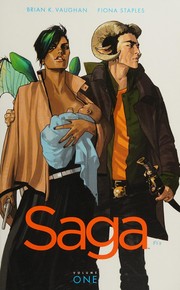
Saga, Volume 1
Alana and Marko flee a galaxy-wide war with baby Hazel, hunted by both sides.
2,200-word summary · 10 min read
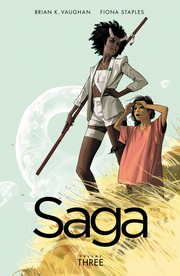
Saga, Volume 3
Marko, Alana, and Hazel hide on the planet Quietus with the reclusive author who inspired their romance, while assassins and a prince close in.
1,989-word summary · 9 min read
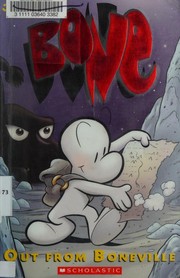
Bone, Vol. 1: Out from Boneville
Three cartoon cousins are run out of Boneville, separated by locusts, and dropped into a valley where rat creatures and an old grudge are waiting.
2,155-word summary · 10 min read

Prelude to Foundation
A young Hari Seldon arrives on Trantor with a theory he cannot yet prove, and a hunt through the planet-city forces him to turn psychohistory into a real…
2,013-word summary · 9 min read

Archenemies
Nova steals for the Anarchists while Adrian hides his Sentinel identity, and a serum that erases prodigy powers puts them both at risk.
2,485-word summary · 11 min read
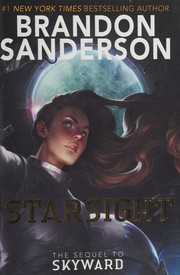
Starsight
Spensa Nightshade goes undercover aboard the Superiority space station Starsight to steal a hyperdrive, and finds a frightened bureaucracy where she expected…
2,568-word summary · 11 min read
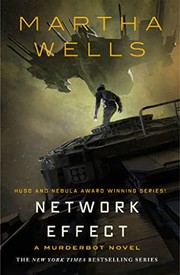
Network Effect
Murderbot's contract job turns into a rescue mission when a hijacked research ship and a colony of corrupted colonists appear.
2,256-word summary · 10 min read
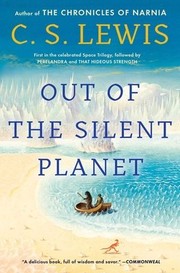
Out of the Silent Planet
A Cambridge philologist is kidnapped and taken to Mars, where the natives are civilized and the humans are the dangerous invaders.
2,612-word summary · 12 min read
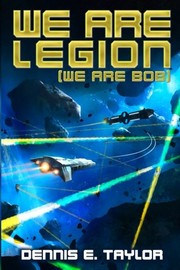
We Are Legion (We Are Bob)
A dead software engineer wakes up as a self-replicating space probe, clones himself into a squabbling fleet of Bobs, and tries to keep a ruined Earth alive.
2,357-word summary · 10 min read
The Stonekeeper
After their father's death, Emily and Navin chase a monster into a hidden world to save their mother, and Emily's great-grandfather's amulet offers power at a…
2,753-word summary · 12 min read
Children of the Mind
Ender's children split across worlds as Jane faces shutdown and Lusitania flees.
2,532-word summary · 11 min read
Ancillary Justice
A ship mind trapped in one human body hunts the emperor who betrayed her across frozen worlds.
2,595-word summary · 12 min read

Y: The Last Man, Vol. 1: Unmanned
Yorick Brown and his monkey Ampersand survive a plague that kills every Y-chromosome mammal and cross a collapsed America.
2,525-word summary · 11 min read

Exit Strategy
Murderbot returns to help its humans as corporate hunters close in and old friends risk all.
2,088-word summary · 9 min read

Cibola Burn
Settlers and a company fight over a new world while Holden tries to stop a war.
2,011-word summary · 9 min read
Seveneves
Stephenson 880-page William Morrow epic, May 2015: the Moon shatters, the Cloud Ark fails, seven women restart humanity, and heirs meet survivors on Earth.
2,389-word summary · 11 min read

The Moon Is a Harsh Mistress
In 2076 Lunar colonists led by Mannie, Wyoh, Prof, and computer Mike revolt against Earth with rocks and rhetoric.
2,003-word summary · 9 min read
The Fall of Hyperion
Keats persona Severn dreams pilgrims to the Time Tombs as Hegemony falls and TechnoCore war breaks the farcasters.
2,115-word summary · 9 min read
Rogue Protocol
Murderbot hunts GrayCris evidence on a dead colony world and befriends a trusting pet robot in this third Murderbot Diaries novella.
2,213-word summary · 10 min read
Ringworld
Bored Louis Wu joins alien crew to explore a vast ring habitat around a star.
2,370-word summary · 11 min read

Hell's Heart
Queer whalers hunt god-monsters over Jupiter in this bloody Moby Dick riff.
2,200-word summary · 10 min read
Dragonflight
A kitchen drudge with hidden mind talent Impresses a golden queen and must unite a starved dragon Weyr against Thread. First of Pern.
2,821-word summary · 13 min read
Caliban's War
Ganymede burns, Bobbie survives it, Avasarala curses through politics, and Prax hunts daughter Mei.
2,080-word summary · 9 min read
All Systems Red
A self aware security robot just wants soap operas, but its survey team keeps walking into corporate murder.
2,119-word summary · 9 min read

2001: A Space Odyssey
A black slab nudges apes to tools, calls Floyd to the Moon, and pulls Bowman past HAL toward Saturn and a strange rebirth.
2,982-word summary · 13 min read
The Thief
A boastful young thief is pulled from a prison to steal a legendary stone for the king's magus, and the story he tells about himself is not the whole story.
2,514-word summary · 11 min read

The Blinding Knife
Kip trains to join the Blackguard while the Prism hides his true identity, loses his colors, and fights a war against a rogue drafter who wants to birth a god.
2,049-word summary · 9 min read
Ship of Magic
A sentient ship wakes when her captain dies, and the family that owns her starts to come apart over who gets to sail her.
2,026-word summary · 9 min read

Inkdeath
The final Inkworld novel sends Mo into the land of the dead, leaves Meggie choosing between two boys, and ends the Adderhead's immortality with three written…
2,062-word summary · 9 min read
Dawnshard
Rysn sails toward forbidden Akinah to save her dying larkin and finds a Dawnshard guarded by the Sleepless.
3,229-word summary · 14 min read