
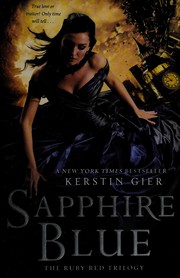
Sapphire Blue
2,218-word summary 10 min read
- First published
- 2010
- Publisher
- Henry Holt and Company
- ISBN
- 9780805092660
- Original title
- Saphirblau
- Series
- Precious Stone Trilogy (#2)
Reading options
What's inside (8 sections)
I came to Sapphire Blue straight after Ruby Red because that first book ends on a cliff edge. This is the second book in the Precious Stone Trilogy, originally published as Saphirblau in 2010 and released in English by Henry Holt and Company, and it picks up days after Gwyneth learns she is the Ruby. I wanted answers about Gideon, Lucy, Paul, and the stolen chronograph right away. It feels messier in the middle than the first and stronger at the end, and I liked it more once I stopped expecting it to wrap things up.
Gwyneth Shepherd is still sixteen, still sharp tongued, still living in that crowded London house with her mother Grace, her grandmother Lady Arista, her great aunt Maddy, her siblings, and Charlotte and Glenda glaring from across the hall. She has just survived first controlled jumps with Gideon de Villiers, she has met Count Saint-Germain in the past and found him charming in a way that made her skin crawl, and she has heard Lucy Montrose and Paul de Villiers warn her not to trust the lodge. She does not know if Gideon likes her or is using her to keep her compliant. That uncertainty drives almost everything here, from training to missions to a ball that changes how she sees him.
After Ruby Red and a Very Confusing Boy
The opening stretch is all fallout. Gwyneth replays every moment with Gideon from book one, the almost tender bits and the cold pullbacks, and tries to decide what was real. Gideon told her about a prophecy that says the Ruby will die for love, which is a horrible thing to hear when you are sixteen and already falling for the boy who told you. He also seemed to admit he cared for her, then went distant again under orders from his uncle Falk and the rest of the Guardians.
I felt for Gwyneth here because Gier writes embarrassment and hope well. Gwyneth jokes with Lesley Hay, her best friend, about how she will not cry over a boy in a frock coat. Then she sees Gideon again at the lodge in Temple and her stomach drops anyway. Lesley brings snacks, timelines, and blunt advice. When Gwyneth spirals, Lesley tells her Gideon is good looking and brave and also a mess from being raised by the lodge.
Charlotte is still in the house and still hurting. She trained her whole life to be the Ruby and learned she never carried the gene. In this book she gets smaller, sadder scenes that helped me see her as more than the perfect rival. She is rude, and her mother Glenda remains awful in a polished adult way, but Charlotte also looks lost. I appreciated that shift.
My gripe with this section is that it circles. Gwyneth goes over the same questions about Gideon for several chapters while Gideon stays offstage, so the romance feels stuck. On second read I saw Gier was letting Gwyneth sit in doubt while adults lie to her, but a tighter edit could have trimmed pages of worrying without losing the feeling.
Learning to Elapse and Failing at Etiquette
A big job for Gwyneth is training. The Guardians need her blood read into the chronograph, the device that lets travelers steer jumps, and they need her to behave in the past. So she gets lessons in history, dancing, fencing, and how to wear dresses that seem designed to make breathing optional. Madame Rossini is kind about it. Mr George tries to explain lodge politics without scaring her. Even Falk de Villiers, the head of the lodge and Gideon's uncle, turns on charm while watching her for obedience.
The best new skill is elapsing. In this series, travelers can sometimes move through time by concentration, without the chronograph sending them, though it is risky. Gwyneth fails a lot at first. She gets headaches and dizzy spells and pops back too soon. I liked these scenes because they show cost. It leaves her pale on a sofa while adults argue about sending her out again.
School keeps going in between. Gwyneth sits through classes and explains absences. Lesley covers for her and researches old records, hunting for mentions of the circle, the chronograph, and past travelers. The gargoyle Xemerius, who only Gwyneth can see, follows her around London making rude jokes and acting as a spy. He perches on chimneys and school walls and reports back what adults say when they think no one listens. He steals every scene. Some readers find him too silly. I think he works because he says what Gwyneth cannot say at the lodge, that the rules are strange and the old men love ritual a little too much.
Fair criticism is that the training chapters pile up. Fencing lesson, dance lesson, history lecture, fitting, scolding. A few blur together. I understand Gier wants us to feel how rushed Gwyneth's preparation is compared to Charlotte's years of study, and that point lands, but the pace sags before the next jump.
Missions That Go Wrong in Useful Ways
Once Gwyneth and Gideon are sent out together, the book finds its pulse. They visit the past to have blood read and meet contacts, and almost nothing goes smoothly. Gwyneth says the wrong thing. Gideon corrects her under his breath and smiles for strangers. She notices details he misses, like how frightened servants look or how scripted polite talk feels when someone powerful watches.
One trip to the early twentieth century stuck with me. The clothes are closer to modern and Gwyneth can breathe for a minute. She and Gideon pose as relations at a social call, gather information about Lucy and Paul, and get out without leaving traces. Gier is good at these fish out of water bits. Gwyneth worries about hair, shoes, curtsy, accent. It is funny until a question lingers too long or a door stays locked.
Gideon is better in action than in class. He fences, dances, lies smoothly to protect her, then says something cutting on the way home. I went back and forth on him. He looks at Gwyneth like he is memorizing her face, then treats her like a chore. The lodge raised him to put duty before feeling and to believe the prophecy about her death is fixed. He tries to keep her safe by keeping distance, and he is bad at explaining that.
What I liked is that Gwyneth learns to trust her eyes. In book one she accepted lodge answers because she was new. Here she compares what adults say with what she sees in drawing rooms and alleys and archives. Why are records missing. Why does Falk go quiet at certain names. Why do servants exchange looks when the Count is mentioned. She writes things down with Lesley and checks dates, and that habit will matter more in book three. Lesley has no gene, but her research moves the plot as much as any jump.
Count Saint-Germain Up Close and Terrifying
Count Saint-Germain dominates this book even off the page. He is the fifth traveler, founder of the Guardians, author of the prophecies, still alive in the eighteenth century and pulling strings into Gwyneth's present. History remembers the real Saint-Germain as a witty adventurer who claimed to be very old, and Gier builds on that rumor with a cold edge. He is polite, curious, well dressed, and certain other people exist to serve his plan to close the circle of twelve.
His scenes with Gwyneth are the strongest. He receives her and Gideon in elegant rooms where everyone performs calm. Candlelight, music, bows that last a beat too long. He asks about her life and listens like a kind grandfather for a minute. Then he says something precise about her future that makes the air go thin. He seems able to catch feelings she does not speak aloud, which leaves her wondering afterward what she gave away and whether thinking loudly near him is dangerous. Gideon goes stiff around him, which tells you how fear works in the lodge. Even his smile looks rehearsed there.
Back in the present, Falk and the older Guardians echo the Count on a smaller scale. They talk of destiny and sacrifice. They tell Gwyneth Lucy and Paul are thieves who stole the second chronograph, that they put history at risk, that she must not listen to them. They say the circle must be closed for healing and knowledge. They never explain in plain words who gains what, or why it needs blood from across centuries. Gwyneth nods and saves doubts for Lesley and Xemerius.
The book is effective here and a little heavy handed. The Count scares because he is controlled, not because he shouts. But lodge scenes sometimes underline danger three times when once would do. I did not mind much, yet readers who like villains with more charm might wish Falk had one truly warm scene. Fear works best quiet, like when the Count asks about her mother and waits a beat too long.
What Lucy and Paul Finally Reveal
Lucy Montrose and Paul de Villiers were names in book one. Here they become people, and the book gets better fast. Lucy was meant to be the Ruby, Paul is Gideon's older brother, and a year before Gwyneth's story they stole the chronograph and fled into the past. The lodge calls them traitors. Gwyneth meets them in rushed encounters that feel like talking through a closing door.
What they tell her changes the trilogy. They say the circle should not be closed. The Count's talk of a great good is cover for something that will give him power and leave others harmed. They ran to protect the future, and they have been hiding while the lodge hunts them. Lucy is fierce and tired. Paul is steady and gentle with Gwyneth. They cannot prove everything in five minutes with Gideon nearby, so they give her places to look and warnings about whom to trust.
I loved this because it reframes book one without cheating. Grace lying about Gwyneth's birth date looks less like cruelty and more like a mother keeping her daughter out of a machine she fears. Missing lodge documents look less like accidents. Gideon's mood swings look less like teen drama and more like a boy caught between an uncle he respects and a brother now called criminal.
A fair knock is limited page time. They appear, warn, vanish. Gwyneth spends much of the book turning over what they meant instead of asking follow ups, which can feel like stalling. I get why, because full answers would end the series early, but two scenes cut off right before the useful answer. Still, the core lands. Lucy and Paul chose each other over the lodge, and that gives Gwyneth a model for disobedience based on care.
The Ball, the Kiss, and the Betrayals That Hurt
Everything builds toward a ball in the past, and Gier writes parties well. Heat, candles, rules about who may dance and speak first. Gwyneth dreads embarrassment, then does better than feared. She dances, makes conversation, watches power move across a room. Gideon sees her differently, and for a while guard drops. They laugh and stand close. It feels like trust might settle.
Then it breaks, and the break is why people remember this book. Without giving away every beat, Gwyneth sees Gideon with Charlotte in a way that feels like betrayal, close and tender when she believed she was the one he cared for. I put the book down and stared at the wall at that section. It hurts because she had started to believe his softer moments. It hurts more because Charlotte is family, at the same table. Gier lets it sit without rushing to excuse it.
There are other betrayals, smaller and sadder. Adults withheld letters. A relative says too much about Grace and Gwyneth's father. The lodge asks Gwyneth to do something routine that carries weight she did not agree to. Each cut is small alone. Together they teach what Lucy warned early, that obedience here means letting others decide what your life is for.
The ball leans on miscommunication, which can annoy. Gwyneth sees pain and runs rather than asking, Gideon fails to explain, Charlotte cries, adults close ranks. If you dislike misunderstandings solved by one honest talk, you will want to shout. I did. But it fits them now. Gwyneth expects heartbreak from prophecy. Gideon hides by training. Charlotte grieves a stolen future. None say plain things yet.
The book ends without closing the circle, right for a middle trilogy but frustrating if you wanted answers. Gwyneth is more skilled, more suspicious, more alone in what she knows. She has Lesley and Xemerius and a mother who lied to protect her, which counts. I finished feeling wrung out and reaching for Emerald Green, which is what a second book should do. It sags in training chapters, but its best scenes with the Count and Lucy and Paul give the series weight Ruby Red only hinted at. For readers who like time travel with manners and secrets and a heroine learning to read adults as well as history, this bridge makes the finale feel necessary.
FAQ
Do I need to read Ruby Red before Sapphire Blue?
Yes. Sapphire Blue continues Gwyneth and Gideon's story directly and assumes you know the Ruby reveal, the stolen chronograph, and the prophecy.
When was Sapphire Blue first published?
It was first published as Saphirblau in 2010, with the English edition from Henry Holt and Company. It is book 2 in the Precious Stone Trilogy.
Is Sapphire Blue appropriate for younger teens?
Generally yes. There is kissing, danger, and heartbreak at a ball, but focus stays on friendship, first love, and solving lodge secrets.
Similar books
More from Precious Stone Trilogy first, then related titles.
Ruby Red
Gwyneth finds she carries the time travel gene, not her cousin, and is paired with Gideon for dangerous jumps.
3,040-word summary · 14 min read

Emerald Green
Gwyneth must close the blood circle that will crown an immortal tyrant, and the prophecy says her death is the final lock.
2,044-word summary · 9 min read

Vow of Thieves
Kazi and Jase return to Tor's Watch to find it occupied, and their marriage is tested by captivity, betrayal, and a war for the town of Hell's Mouth.
2,059-word summary · 9 min read
The Lost Sisters
Taryn Duarte writes a letter to her twin, Jude, explaining how she fell for Locke and why she stayed silent while he used them both.
1,914-word summary · 9 min read

Archenemies
Nova steals for the Anarchists while Adrian hides his Sentinel identity, and a serum that erases prodigy powers puts them both at risk.
2,485-word summary · 11 min read

The Siren
Saved from a shipwreck in 1930, Kahlen becomes a siren who sings men to their deaths for the Ocean, until a boy in a college library makes her want a life she…
2,369-word summary · 11 min read
Cruel Beauty
A girl raised to kill the demon prince who rules her cursed land instead falls in love with him, in a retelling that mixes Beauty and the Beast with Bluebeard…
2,669-word summary · 12 min read
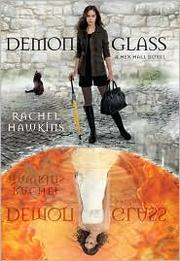
Demonglass
Sophie Mercer spends the summer at the Council's English estate, where two new demons, a suspicious host, and Archer's return complicate her plan to remove her…
2,771-word summary · 12 min read

Born at Midnight
Kylie Galen is sent to a camp for troubled teens and discovers it is a haven for vampires, werewolves, and witches, and that she may be something stranger…
2,310-word summary · 10 min read

The Rose & the Dagger
Shahrzad is pulled from her Caliph husband and left in a desert camp of rebels, needing to break his curse and end a war before it ends her.
2,520-word summary · 11 min read

We Hunt the Flame
In a fractured Arabia-inspired world, a disguised huntress and a prince-assassin race to find a magic-restoring book and confront an ancient evil.
2,195-word summary · 10 min read
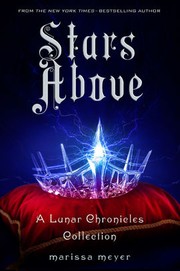
Stars Above: A Lunar Chronicles Collection
Nine Lunar Chronicles stories fill in the histories of Cinder, Wolf, Thorne, Cress, Winter, and Jacin, and end with a wedding after the war.
2,230-word summary · 10 min read

Lore
Lore Perseous, the last of a hunted bloodline, is pulled back into the Agon when a wounded Athena offers her revenge against the god who killed her family.
2,188-word summary · 10 min read
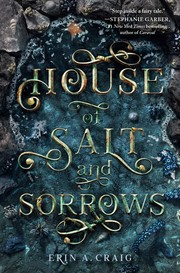
House of Salt and Sorrows
Annaleigh Thaumas investigates her sister's death in a cursed island manor where the balls are illusions and the sea god is always listening.
2,025-word summary · 9 min read
Cemetery Boys
A trans brujo in East Los Angeles summons the ghost of a boy who refuses to move on, and together they uncover a murder hidden beneath Día de los Muertos.
1,997-word summary · 9 min read

Blue Moon
Ever Bloom tries to save her immortal boyfriend, Damen, from a mysterious illness while a new student named Roman quietly takes control of her school and her…
1,998-word summary · 9 min read
An Enchantment of Ravens
Isobel, a mortal artist in the fairy town of Whimsy, paints a portrait of the autumn prince and falls in love with him, breaking the laws of her craft.
2,087-word summary · 9 min read
Switched
A Minnesota teenager who can make people obey her discovers she is a changeling troll princess, and the hidden kingdom she came from wants her back.
2,131-word summary · 9 min read
A Reaper at the Gates
The Martial capital falls to an army of ghosts, Elias becomes the Soul Catcher, and Laia and Helene pay brutal prices as the Nightbringer moves to free the…
1,991-word summary · 9 min read
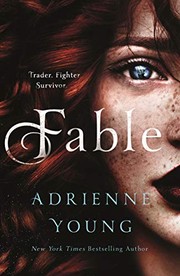
Fable
Abandoned on a lawless island at fourteen, Fable spends four years diving for gems to buy passage off it, straight into the cutthroat trade of the Narrows.
2,320-word summary · 10 min read

World After
Penryn wakes from near-death to find her altered sister Paige hunted as a monster, and follows her into the angels' scorpion factory and Uriel's coup.
2,213-word summary · 10 min read
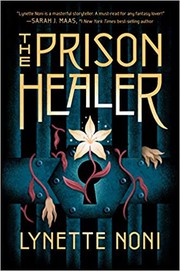
The Prison Healer
Kiva, a teenage healer in a death prison, volunteers to face four elemental trials for a dying rebel queen, and the truths she uncovers change everything.
2,062-word summary · 9 min read

The Indigo Spell
Sydney Sage hunts an aging witch, learns forbidden magic, and finally admits she loves Adrian, while the Alchemist tattoo on her cheek may be controlling her.
2,604-word summary · 12 min read
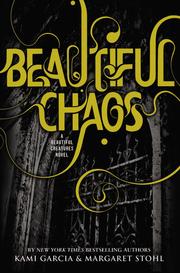
Beautiful Chaos
Ethan Wate is losing himself piece by piece as the broken Order of Things demands a sacrifice, and the answer may be the last person anyone expected.
2,068-word summary · 9 min read

Wayward Son
Simon and Baz road trip America after the war to decide what normal means.
2,505-word summary · 11 min read
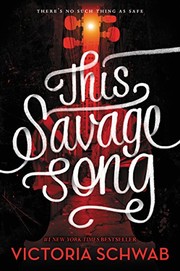
This Savage Song
Monster hunter Kate meets August, a monster who plays violin.
2,574-word summary · 11 min read
These Hollow Vows
Brie trades with the Unseelie to save her sister and steals for a prince.
2,384-word summary · 11 min read

The Winner's Curse
An aristocratic girl buys a slave who is secretly a prince plotting rebellion.
2,124-word summary · 9 min read
The Scorpio Races
Two riders risk deadly water horses in an island race for money and freedom.
2,352-word summary · 10 min read