
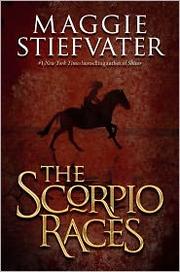
The Scorpio Races
2,352-word summary 10 min read 409 pages in the book
- First published
- 2011
- Publisher
- Scholastic Press
- Pages
- 409
- ISBN
- 9780545224901
Reading options
What's inside (5 sections)
I read The Scorpio Races in November when sea feels coldest, which fits an island race with water horses that kill. First published in 2011 by Scholastic Press at 409 pages in hardcover, standalone fantasy about Thisby, a small island where each fall wild capaill uisce rise from ocean and islanders race them. Sean Kendrick, four time winner who works for grudging employer to buy his horse, and Puck Connolly, first girl rider on her island pony to save home, compete while falling carefully. No sparkles, just salt, blood, and love. I found it thrilling and tender, with horses written better than most people in books. At 409 pages it gallops and lingers in right balance.
Thisby lives by sea and November. Capaill uisce, water horses carnivorous and fast, emerge in fall. Islanders catch and race them first week of November in Scorpio Races. Winners get money and pride. Losers often die, dragged to sea or trampled. Tourists watch, bet, leave. Locals prepare all year, training, mourning. Sean Kendrick, nineteen, quiet, gifted with horses, won four years running on Corr, a red stallion he does not own. He works for Benjamin Malvern, who owns Corr and stables, grudging and controlling. Sean wants to buy Corr with winnings to be free. That want defines him more than victory. Own the horse you love, own your work. Without ownership, wins belong to employer. That economics of stable labor grounds fantasy. Muck stalls, train at dawn, get kicked, keep going. You feel labor behind legend. Sean speaks little because horses listen better than people. That reticence reads as depth, not blank. Watch what he does with horses. Gentle hands, steady voice, no whips. That care wins races more than strength. Learn by watching.
Puck Connolly, Kate, orphaned with brothers Gabe and Finn after parents died at sea, lives in a house about to lose. Gabe plans to leave for mainland. Finn builds engines. Puck decides to race her island pony Dove to win money to keep home. First girl ever. Islanders scoff, threaten, admire. Rules do not forbid girls explicitly, just tradition. She enters anyway with practical bravery. I need home, not glory. That motive distinguishes from Sean's ownership dream and tourists' thrill. She rides to stay, not to win fame. Her pony Dove, small, land horse not water, cannot match capaill speed but knows Puck fully. Trust over power. Training montages on beaches at dawn made me hold breath. Galloping beside cliffs while sea takes unwary. Puck falls, gets up bloody, laughs. That resilience, funny and fierce, carries book. She narrates in first person with dry humor about brothers, islanders, Sean's silence. She talks to Dove more than people, which tells you who listens. Horses listen. Good.
Race and love
The race itself takes up final hundred pages after slow build, which structure rewards. Training, qualifying, politics, love growing. Qualifying trials, parades, bets, dinners. Sean and Puck meet as competitors, then training partners, then friends who advise. He tells her how to hold on when water horse pulls to sea. Bury heels, lean, sing? Actually sing to calm? She tells him how to smile for sponsors without snarling. Those exchanges build respect before romance. No insta love. Mutual aid under deadly stakes. When Sean's employer threatens to sell Corr if he loses, Puck offers help though rival. When Puck's brothers doubt, Sean vouches quietly. That quiet vouching moves more than speeches. Islanders notice. Odds shift. Love grows in shared work, not glances. By race day, you root for both to survive more than win, which raises tension beyond who first. Survival is victory when horses eat. That reframe keeps you from picking favorite. Want both alive. Only one can win money. Both can live. Hope for that.
Horses written brilliantly deserve emphasis. Corr, red stallion, fast and bonded to Sean. Dove, dun island pony, brave and known. Other capaill, black, grey, hungry. Stiefvater, who rides, writes movement, smell, sound accurately. Hooves on sand, salt spray, breath steam in November air. You hear. Water horses are not metaphors alone. They are animals with needs. Blood in fall after fasting in sea. They kill because hungry and wild, not evil. Islanders respect and fear, feeding at distance, racing despite. That respect without romanticizing danger feels right to horse people. Do not trust water horses. Love them carefully. Same for real horses. Love with knowledge of power. Puck knows Dove's limits and does not ask beyond. Sean knows Corr's moods and rests. That horsemanship ethics underlies romance ethics. Know limits, do not push beyond for pride. Love means not asking beloved to die for your win. Both learn. Sean considers throwing race to save Puck. Puck considers withdrawing to save Sean from employer wrath. They decide to race honestly and help if other falls. That decision, to compete fully while ready to sacrifice win for life, defines mature love. Win fairly, save readily. Good.
Island community adds texture beyond leads. Finn building engines from scrap, Gabe torn between leaving and staying, American tourist George Holly who loves island and Puck's friend? Actually tourist who bets and learns. Benjamin Malvern, employer whose control chokes Sean. Trainers, widows, priests. Thisby feels lived, not backdrop. November rituals, cakes, blessings, funerals for riders lost. After race, island mourns and celebrates together. That communal grief and joy will resonate with small town readers. Everyone knows who fell. Everyone eats after. Life continues with sea. That continuation comforts after tension. No one wins alone. Island wins when riders return alive. Remember when reading for plot alone. Place matters as much as pair. Stay for Thisby after race ends. You will miss salt.
What shines is prose and pacing. Stiefvater writes lyrical sentences about sea and horses without purple overload. Short chapters alternating Sean and Puck first person give both voices distinct. Sean quiet, observant, few words. Puck chatty, funny, fierce. That contrast delights. At 409 pages it moves steadily, building to race that delivers. Descriptions of training rides at dawn made me cold and exhilarated. Race itself, chaotic, bloody, beautiful, rewards wait. You will hold breath as horses enter surf. No guarantees. That unpredictability keeps pages turning even though you know leads likely survive (they are narrators). Survival is not question. Cost is. Who else falls. What is lost to win. Those costs land because islanders named and loved die. Mourn with Thisby. Then cheer survivors without forgetting. That mixed ending feels true to dangerous traditions. Continue or stop races? Book does not preach. It shows. Decide yourself after. Good books trust readers. This does.
What strains is slowness for action lovers. First 200 pages mostly training, chores, talks. No race till end. If you need gallops early, you may skim beach rides. Do not. Rides build bonds that make race matter. Without them, final is just horses running. With them, every stride carries Sean's ownership dream and Puck's home hope. Invest to feel. Also, fantasy elements light. No magic systems beyond water horses. If you want epic magic, look elsewhere. This is magical realism with hooves. Water horses are only strange. Rest is island life. That restraint suits story but may disappoint high fantasy fans. Expect literary sports fantasy, not quest. Race as climax, not journey start. Accept and enjoy salt over spells.
Content is teen appropriate with weight. Death of parents at sea discussed, death in races shown without gore linger, animal danger real. No explicit sex beyond kisses and longing. Language clean with island curses mild. Good for ages twelve and up who love horses, and adults who like slow burn romance with stakes. Pair with wild horse documentaries. It respects animals while loving sport that harms. That tension invites discussion about rodeo, racing ethics. Should Scorpio Races continue given deaths. Book does not answer firmly. Sean and Puck love race despite costs. Critique gently while participating. Sit with that ambivalence as horse lovers do. Love sport, mourn losses, work for safer? Actually water horses cannot be made safe. Accept danger or stop. Island chooses continue. Do you. Ask after reading. Good.
Who should race
Read it if you like horse books with teeth, like Wild Hearts Can't Be Broken but fantasy, or slow burn rivals to lovers with mutual respect. Read it in November with tea and blankets. At 409 pages it warms.
Skip it if you need fast fantasy or dislike animal danger. Horses die here, riders die. Though not graphic long, loss real. Take care if horse loss triggers. Skip if dual narration annoys. Sean quiet chapters short. Some want more from him. I liked quiet. You may want louder. Try sample first.
For me, the image that stays is Sean and Puck galloping side by side at dawn training, sea grey, breath white, horses neck and neck, not racing yet just running for joy before November takes. Freedom before stakes. At 409 pages, The Scorpio Races argues freedom is not winning but riding well with those you trust, human and horse. Own your horse if you can. Keep home if you must. Love rivals who teach. Survive November to ride again. I closed it missing Thisby though never visited, trusting Sean bought Corr, Puck kept house, island mourned and celebrated. That trust, built on salt and care, is why book lasts since 2011. Race carefully. Love fiercely. Remember those lost to sea. Ride on.
Island work and November ritual
I want to say more about Thisby work, because labor grounds fantasy. Sean mucks stalls for Benjamin Malvern, who owns Corr and stables, grudging and controlling. Mornings before light, hay, water, hooves. Hands crack. Back aches. Pay little. That work teaches horses better than riding lessons. You learn moods by cleaning. Who kicks when touched left. Who softens with voice. Sean knows Corr fully because he cares daily, not just races yearly. That knowing is why he wins. Not talent alone, but attention. Puck works differently. House with brothers Gabe and Finn after parents died at sea. She cooks, cleans, fixes, cares for Dove. No stable staff. Just family holding. Her work is domestic survival, not wage labor. Both work hard with little praise. Island respects work but pays poorly. Tourists pay to watch races, not to muck. That economics mirrors real horse worlds. Grooms poor, owners rich. Sean wants to buy Corr to own labor fruits. Puck wants prize to keep house. Both race for ownership, not glory. That motive distinguishes from thrill seekers. Need, not want. Remember when rooting. They must win to stay. Others race for fun. That disparity adds tension beyond horses. Poor need victory more. Rich can lose and return next year. Sean and Puck cannot. Feel that weight in every training ride. Fall means lose all. No safety nets. Ride anyway because must. Courage born of necessity impresses more than daredeviltry. Honor it.
November ritual structures island year. All year prepare, one week race, then mourn and feast. Banners, blessings, bets, funerals. Priests bless horses that may die. Widows cook for riders who may not return. That cycle normalizes danger in ways outsiders find barbaric. Tourist George Holly loves island and questions races gently. Islanders defend as tradition and livelihood. Who are outsiders to judge what feeds. That debate mirrors bullfighting, rodeo arguments. Enjoy beauty while mourning costs. Book does not resolve. It shows. Sean loves races despite losing friends to sea. Puck enters despite parents dying at sea. Why. Because island identity and need. To stop would be to leave Thisby, which neither will. Belonging costs blood. Pay or leave. They pay. That choice aches and commands respect. Do not dismiss as foolish. Understand rootedness. Home worth risk when home is all. Many feel so about dangerous jobs, towns, seas. Honor while questioning. Could races be safer with rules. Island tries small measures, vet checks, starting gates, but water horses remain wild. Safety limited. Accept or stop. Island chooses continue. Sit with that choice without easy condemnation. Learn about tradition's pull. Then decide for your own dangerous loves. Stay or go with eyes open. Both brave.
Finn and Gabe as brothers deserve more love. Finn builds engines from scrap, quiet inventor who supports Puck by fixing tack and believing. Gabe plans to leave for mainland, torn between supporting family and living own life. Their talks about leaving ache with sibling love and guilt. Stay to help or go to grow. Puck wants Gabe to stay and wants him free. That contradiction feels true to eldest siblings after parent loss. Hold home together while pushing brothers out to live. Impossible and necessary. Gabe's decision to stay or go shapes Puck's race meaning. If he leaves, prize matters more to keep house with Finn. If stays, shared burden lightens. No spoilers, except brothers love fiercely in gruff island ways. Teasing, sharing food, fixing roofs. Those domestic details balance horse danger. Home matters as much as race. Fight for home by racing. That fight justifies risk. Without home love, race is thrill. With it, race is sacrifice. Feel difference. Cheer accordingly. Not for sport, but for house kept. Good.
If you reread, watch for sea descriptions. Stiefvater writes water as character that hungers in fall after fasting. Horses emerge hungry because sea provides less? Actually mythic cycle. Sea gives and takes. Islanders respect by racing, feeding winners? Actually by riding and sometimes losing riders as tribute? That exchange echoes old sacrifices. Give lives to sea for fish and passage. Modern islanders do not name as sacrifice, but pattern holds. November deaths as offerings for year of fishing. Grim and beautiful. Do not romanticize deaths, but recognize meaning islanders make. Mourning rituals honor, not waste. Funerals with boats and flowers. Stories told. Those stories keep dead present. Sean remembers past winners lost. Puck remembers parents. Memory motivates careful riding, not recklessness. Ride well to honor, not to join. That honoring steadies hands when fear spikes mid race. Remember who taught. Ride for them by surviving, not dying to join. Good lesson for dangerous sports. Honor dead by living well, not joining fast. Keep riding. Remember. Return home.
FAQ
When was The Scorpio Races published?
It was first published in 2011 by Scholastic Press at 409 pages. It is a standalone novel.
Who races?
Sean Kendrick, four time winner, and Puck Connolly, first girl rider, race capaill uisce on Thisby.
Similar books
Forever
Grace turns wolf, Sam scrambles for a cure, and Mercy Falls votes to hunt the pack in trilogy end.
2,217-word summary · 10 min read
Linger
After Shiver, Grace and Sam fight to stay together as summer heat threatens the Mercy Falls wolves in this 2010 sequel. New wolf Cole shakes their fragile…
3,251-word summary · 14 min read
Shiver
Grace Brisbane loves yellow eyed wolf Sam, human in summer, as winter cold threatens to take him back for good in small town Mercy Falls.
2,408-word summary · 11 min read

Vow of Thieves
Kazi and Jase return to Tor's Watch to find it occupied, and their marriage is tested by captivity, betrayal, and a war for the town of Hell's Mouth.
2,059-word summary · 9 min read
The Lost Sisters
Taryn Duarte writes a letter to her twin, Jude, explaining how she fell for Locke and why she stayed silent while he used them both.
1,914-word summary · 9 min read

Archenemies
Nova steals for the Anarchists while Adrian hides his Sentinel identity, and a serum that erases prodigy powers puts them both at risk.
2,485-word summary · 11 min read

The Siren
Saved from a shipwreck in 1930, Kahlen becomes a siren who sings men to their deaths for the Ocean, until a boy in a college library makes her want a life she…
2,369-word summary · 11 min read
Cruel Beauty
A girl raised to kill the demon prince who rules her cursed land instead falls in love with him, in a retelling that mixes Beauty and the Beast with Bluebeard…
2,669-word summary · 12 min read
Demonglass
Sophie Mercer spends the summer at the Council's English estate, where two new demons, a suspicious host, and Archer's return complicate her plan to remove her…
2,771-word summary · 12 min read
Born at Midnight
Kylie Galen is sent to a camp for troubled teens and discovers it is a haven for vampires, werewolves, and witches, and that she may be something stranger…
2,310-word summary · 10 min read

The Rose & the Dagger
Shahrzad is pulled from her Caliph husband and left in a desert camp of rebels, needing to break his curse and end a war before it ends her.
2,520-word summary · 11 min read

We Hunt the Flame
In a fractured Arabia-inspired world, a disguised huntress and a prince-assassin race to find a magic-restoring book and confront an ancient evil.
2,195-word summary · 10 min read
Stars Above: A Lunar Chronicles Collection
Nine Lunar Chronicles stories fill in the histories of Cinder, Wolf, Thorne, Cress, Winter, and Jacin, and end with a wedding after the war.
2,230-word summary · 10 min read

Lore
Lore Perseous, the last of a hunted bloodline, is pulled back into the Agon when a wounded Athena offers her revenge against the god who killed her family.
2,188-word summary · 10 min read
House of Salt and Sorrows
Annaleigh Thaumas investigates her sister's death in a cursed island manor where the balls are illusions and the sea god is always listening.
2,025-word summary · 9 min read
Cemetery Boys
A trans brujo in East Los Angeles summons the ghost of a boy who refuses to move on, and together they uncover a murder hidden beneath Día de los Muertos.
1,997-word summary · 9 min read
Blue Moon
Ever Bloom tries to save her immortal boyfriend, Damen, from a mysterious illness while a new student named Roman quietly takes control of her school and her…
1,998-word summary · 9 min read
An Enchantment of Ravens
Isobel, a mortal artist in the fairy town of Whimsy, paints a portrait of the autumn prince and falls in love with him, breaking the laws of her craft.
2,087-word summary · 9 min read
Switched
A Minnesota teenager who can make people obey her discovers she is a changeling troll princess, and the hidden kingdom she came from wants her back.
2,131-word summary · 9 min read
A Reaper at the Gates
The Martial capital falls to an army of ghosts, Elias becomes the Soul Catcher, and Laia and Helene pay brutal prices as the Nightbringer moves to free the…
1,991-word summary · 9 min read
Fable
Abandoned on a lawless island at fourteen, Fable spends four years diving for gems to buy passage off it, straight into the cutthroat trade of the Narrows.
2,320-word summary · 10 min read
World After
Penryn wakes from near-death to find her altered sister Paige hunted as a monster, and follows her into the angels' scorpion factory and Uriel's coup.
2,213-word summary · 10 min read
The Prison Healer
Kiva, a teenage healer in a death prison, volunteers to face four elemental trials for a dying rebel queen, and the truths she uncovers change everything.
2,062-word summary · 9 min read

The Indigo Spell
Sydney Sage hunts an aging witch, learns forbidden magic, and finally admits she loves Adrian, while the Alchemist tattoo on her cheek may be controlling her.
2,604-word summary · 12 min read
Emerald Green
Gwyneth must close the blood circle that will crown an immortal tyrant, and the prophecy says her death is the final lock.
2,044-word summary · 9 min read
Beautiful Chaos
Ethan Wate is losing himself piece by piece as the broken Order of Things demands a sacrifice, and the answer may be the last person anyone expected.
2,068-word summary · 9 min read
Wayward Son
Simon and Baz road trip America after the war to decide what normal means.
2,505-word summary · 11 min read
This Savage Song
Monster hunter Kate meets August, a monster who plays violin.
2,574-word summary · 11 min read
These Hollow Vows
Brie trades with the Unseelie to save her sister and steals for a prince.
2,384-word summary · 11 min read