
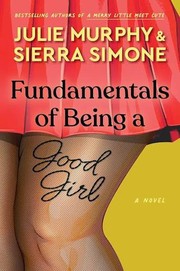
Fundamentals of Being a Good Girl
2,171-word summary 10 min read 416 pages in the book
- First published
- 2026
- Publisher
- Avon
- Pages
- 416
- ISBN
- 9780063338371
- Series
- Academic Affairs (#1)
Reading options
What's inside (7 sections)
I grabbed Fundamentals of Being a Good Girl because the premise read like a dare. A law school grad turned college lecturer who moonlights as a nanny, falling for the single dad professor who hired her, one day after hooking up with him at a bar. Published by Avon on January 13, 2026, a 416 page hardcover with ISBN 9780063338371, it opens the Academic Affairs series from Julie Murphy and Sierra Simone. The leads are Maddie Kowalczk, fresh out of a bad breakup and starting over at Astra University in Kansas, and Bram Loe, a reserved ecology professor raising three kids. Their first night in the same town ends in a bar hookup. Their second day makes them colleagues and boss and employee. The rest is ground rules, broken promptly.
Murphy and Simone previously teamed up for holiday rom-coms, and their shared mode is raunch with a pulse. Funny, filthy, then suddenly tender in a way that sneaks past you. This one is the spiciest of their collabs, openly kinky around praise and discipline play, and it knows exactly what shelf it belongs on. If you want chaste, keep walking. If you want heat that still cares about report cards and lunch money, pull up a chair.
Maddie starts over in Kansas
Maddie Kowalczk arrives at Astra University with a fresh law degree, a dumped by a politician boyfriend story she is sick of telling, and a new job as a political science lecturer. She also needs money fast, so the university setting her up with a side childcare gig sounds perfect. Nanny afternoons, lecture mornings, new town where nobody knows her ex. Her plan for night one is simple. Be a little bad for once. She has been a good girl her whole life, rule following daughter, polished girlfriend, and look where it got her.
The book opens her new life with a parking spot theft, petty and perfect. Maddie swipes a spot from a handsome stranger earlier in the day, then runs into the same man that night at a local bar during a birthday outing. He watches her take a birthday spanking with the crowd cheering, and the look they trade could melt glass. This is Bram, though neither knows the other's name yet, and the anonymity does half the seducing. She is bold because there are no consequences. He is bold because his friend's divorce celebration has him off duty from responsibility for one night.
I liked Maddie immediately. She is broke and proud and funny about both. She narrates her own bad decisions with footnotes and asides, academic habits turned into jokes, and the voice keeps the early chapters bouncing. Under the jokes sits something sore. Years spent performing good girl for a boyfriend who treated her like an accessory. Kansas is her attempt to find out who she is when nobody is grading her. The answer, it turns out, involves a tall ecologist with rolled sleeves and forearms she notices like a field researcher. The book leans into that gaze and never apologizes.
Her money stress is specific enough to feel real. Adjunct pay, moving costs, a car that needs opinions. The nanny job is not a cute detour. It is rent. That grounding matters later when Bram offers a raise alongside his rules. She cannot afford to say no, and the book admits the power gap instead of hiding it.
Bram and the full house
Bram Loe is an ecology professor, a single father of three, and by reputation the most unruffled man on campus. Twins in first grade, loud and physical and devoted to chaos. A teenage daughter with a calendar as full as his. An ex somewhere in the rearview. His life runs on schedules, school forms, lab hours, and friends who worry he has forgotten how to be a person outside the rota. The divorce celebration that lands him at the bar is exactly that kind of friend intervention. One night, no duties, remember you are alive.
Bram on the page is catnip for a certain reader. Reserved in public, filthy in private, endlessly competent with both lesson plans and children. He notices Maddie first as a brat to spar with, then as a problem he cannot stop turning over. The age gap is present without becoming the plot. He is older, established, her senior on faculty in spirit if not in her chain of command. She is new, broke, technically his employee at home and his junior colleague at work. The book stacks the imbalances openly and then makes consent and negotiation part of the kink rather than an obstacle to it.
The kids are written with real attention. The twins are rambunctious in the way of actual small boys and girls, sticky and loud and tender without warning. The teenager is busy and prickly and observant, clocking the new nanny's effect on her father before either adult admits anything. Bram's parenting reads as genuinely good. Tired, stretched, present. He knows bedtime routines and science fair deadlines and which twin needs a quiet minute. This competence is half of his appeal. The other half is that Maddie rattles him like nobody else, and watching the unruffled man get ruffled is the book's favorite sport.
His friend circle deserves mention. Colleagues and old college friends who meddle without mercy, host the parties where bad decisions happen, and then demand full reports. They give the campus a lived in feel. Astra University is not an ivory tower postcard. It is committee meetings, parking wars, adjunct precarity, faculty gossip. Maddie enters at the bottom of that ladder, which the book uses well.
The morning after problem
The hookup is red hot and clearly meant as a one night thing. Then morning arrives with a hangover and a job address, and Maddie's new childcare client opens the door, and it is him. Bram's new nanny is the woman from the bar. The woman from the bar is also the new poli-sci adjunct down the hall. The comedy of the reveal works because both of them handle it badly in character. Maddie considers fleeing the state. Bram goes full professor, calm voice, let's be adults, while his ears burn.
They set ground rules to make the impossible professional. No more sex. Never alone in the house together, which for a nanny is a logistical puzzle. Keep the campus and the kitchen strictly separate. Maddie agrees because she needs the paycheck and the lecturer post. Bram agrees because his kids need stability and he needs to stop thinking about birthday spankings during department meetings. Both of them know the rules are fiction within days. Maddie is great at breaking rules. Bram turns out to be even better at issuing consequences, and consequences are their whole love language.
This stretch is the book at its funniest. Scheduling childcare around never being alone requires choreography worthy of stage farce. Drop offs timed to the minute. A colleague roped into chaperoning homework hour. Whispered fights in a pantry while twins demand snacks at full volume. Every argument fizzes because disagreement is foreplay for these two. He corrects her. She mouths off. He gets professorial. She gets bratty. Repeat until someone drags the other into a room with a lock.
Under the farce sits a real negotiation. They talk, explicitly, about what they want and what is allowed. The book treats that talk as hot rather than clinical, which is the Simone influence shining through. Rules get written, tested, revised. A Sharpie makes an inappropriate appearance. I will leave the details for the page, but the throughline is praise and discipline play with heavy emphasis on Maddie being told she is good, the title working overtime.
One detail I appreciated is how the house itself becomes a character. Bram's place is organized chaos, lab papers stacked beside crayon drawings, a calendar on the fridge holding three kids and two jobs together with magnets. Maddie adds her own layer within days, a grading pile on the counter and lesson notes beside the permission slips. The blending of their stuff happens faster than either admits, and the kids notice before the adults do. Home invades work and work invades home until the ground rules read like wishful thinking.
Lessons in and out of the classroom
The title's lessons operate on two tracks. In the bedroom, Bram instructs and Maddie learns with enthusiasm, hands on study in every sense. The scenes are long, graphic, and specific about kink mechanics, spanking, praise, power exchange with aftercare. Readers who share the appetite will find it generous. Readers who do not should believe the warnings on the tin. This is not fade to black with a wink. It is hundreds of pages of very direct steam.
In daylight, the lessons reverse. Maddie teaches Bram to loosen his grip, to admit he wants things, to stop performing unruffled for an audience of colleagues and kids. She is chaos with a lesson plan of her own. She gets the twins to eat vegetables by making it a game. She talks to the teenager like a person instead of a problem. She tells Bram when he is hiding behind professor voice. He hates it and needs it in equal measure.
The lecturer plot threads through without taking over. Maddie preps poli-sci sessions, grades, navigates department politics as the new adjunct with the loud bar reputation. A few campus scenes crackle, especially where faculty propriety collides with everyone knowing exactly whose house she leaves every evening. Small college towns keep receipts. Bram's standing as the steady single dad professor wobbles as gossip spreads, and the book lets that cost feel real instead of waving it away. His kids hear things. Colleagues raise eyebrows. The question stops being whether the rules work and becomes whether two adults can want each other openly when openness has prices.
My favorite quiet thread is Maddie redefining good girl for herself. Not obedience. Not the politician's polished plus one. Attention, care, showing up for three kids who did not ask for a new adult. Her growth is measured in packed lunches and kept promises as much as in bedroom confidence. The book is filthy, but its moral center is domestic. Show up. Tell the truth. Take care of the people in your house.
What worked and what dragged
What worked starts with voice. Maddie's narration, footnotes and all, kept me turning pages through the saggy middle. The banter between the leads is genuinely funny, brat and professor trading lines like fencers. The kids feel like kids instead of plot furniture. And the book balances sweet and heat the way the early reviews promised. For every scorching scene there is a school pickup or a kitchen table talk that earns the softness.
Criticism, fairly given. At 416 pages this is long for the story it tells, and the middle repeats its loop. Rule set, rule broken, consequence scene, tender morning, new rule. The pattern is fun three times and familiar by the sixth. Some arguments restage the same insecurity with new dialogue. Maddie fears she is the hired help playing house. Bram fears he is exploiting his position. Both fears are valid and both get resolved and un-resolved more than once.
The ex boyfriend plot also fades when it should either matter or exit. He hovers as backstory motivation and rarely as present threat, which makes Maddie's late wobbles feel internally generated in a way the book does not fully own. And the friend group, lovable as it is, occasionally crowds scenes that belong to the family. One party chapter has so many named colleagues shouting advice that the twins vanish for pages.
Tone will divide readers, and that is fine. The footnotes and asides charm or grate depending on taste. The kink content is specific and frequent, and the power gaps, boss and employee, senior and junior, older and younger, get lampshaded more than interrogated. The book's answer is enthusiastic consent plus love, delivered confidently. Readers who need a harder look at those gaps will find this breezy. Readers who want their steam served with jokes and genuine warmth will be very happy.
Who should grab it. Fans of Murphy and Simone's collabs, single dad devotees, nanny romance readers who like the employer employee charge kept honest. Fans of age gap with competence on both sides. Anyone who wants college town gossip, meddling friends, and spice that commits. If 400 plus pages of escalating lessons sounds like a lot, trust that instinct. If it sounds like a promise, it is.
I closed it thinking about Bram's kitchen table buried in permission slips while Maddie quizzes the twins on state capitals and the teenager pretends not to listen from the stairs, the professor finally loud in his own house. Class dismissed. The good girl graduated into something better, a woman who chooses where she belongs and says so out loud.
FAQ
When was Fundamentals of Being a Good Girl published?
Avon published it on January 13, 2026. The hardcover runs 416 pages with ISBN 9780063338371.
Is Fundamentals of Being a Good Girl part of a series?
Yes, it opens the Academic Affairs series as book 1, a college town rom-com line from Murphy and Simone.
Who are the main characters?
Maddie Kowalczk, a law grad turned lecturer and nanny, and Bram Loe, an ecology professor raising twins and a teenager.
Similar books
More from Academic Affairs first, then related titles.
Shopaholic and Sister
Becky Brandon returns from a ten-month honeymoon to meet the half-sister she always wanted, then discovers that Jess is thrifty, prickly, and nothing like the…
2,591-word summary · 12 min read

Two by Two
Sparks's twentieth novel turns from first love to a marriage breaking up: Russell Green loses his wife and his job, then rebuilds his life around his…
2,192-word summary · 10 min read

Juniper Hill
Fleeing New York with her baby, Memphis takes a housekeeping job above Knox Eden's garage, and the grumpy chef becomes the first person she can rely on.
2,021-word summary · 9 min read

Rule
A tattoo artist still grieving his twin and the polished girl who has loved him since she was thirteen finally collide one drunken night in Denver.
2,014-word summary · 9 min read

The Sinner
Sin, a Lord at Barrington, rigs his secret society's rules to claim Elli, the girl he has protected since killing her abuser, while the conspiracy around her…
2,059-word summary · 9 min read

Ten Big Ones
Stephanie witnesses a gang robbery dressed as a devil, and the Comstock Street Slayers put her on a list of people to kill.
2,062-word summary · 9 min read

The Dare
Dared to seduce Conor, Taylor fakes dating him and feels it turn real.
2,371-word summary · 11 min read
Losing It
Bliss plans a one-night stand, then finds her hookup is her professor.
2,195-word summary · 10 min read

Bridget Jones: The Edge of Reason
Bridget doubts Mark, takes a job with Daniel, and lands in trouble in Thailand.
2,198-word summary · 10 min read
The Coincidence of Callie & Kayden
Callie saved Kayden in an alley and meets him again in college, where both must face assault and abuse to learn trust.
2,578-word summary · 11 min read
Shopaholic Ties the Knot
Becky Bloomwood plans two weddings at once while debts pile up and Luke's mother interferes.
2,218-word summary · 10 min read

Playing for Keeps
Childhood neighbors Haley and Jason turn a long prank war into a fake relationship that turns real.
2,571-word summary · 11 min read
Hello Stranger
Portrait artist Sadie loses face recognition after brain surgery and must finish a contest piece while falling for two men.
2,210-word summary · 10 min read

The Play
Briar U hockey star Hunter coaches quiet junior Demi in confidence and fake dating until real feelings break the plan.
3,080-word summary · 14 min read
The Marriage Plot
At Brown in 1982, Madeleine loves Austen while torn between brilliant Leonard and steady Mitchell.
2,804-word summary · 12 min read

Tangled
Told by a cocky businessman, a bet to win the new associate who rejects him turns into real pursuit, strict rules, a painful reveal and a wedding-level happy…
2,868-word summary · 13 min read
The Roommate
Uptight Clara shares a flat with porn star Josh and teams up to build ethical adult films for women.
2,362-word summary · 10 min read
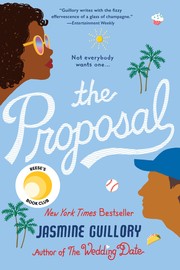
The Proposal
Nik says no to a stadium proposal and rebounds with Carlos in flirty LA romance.
2,044-word summary · 9 min read
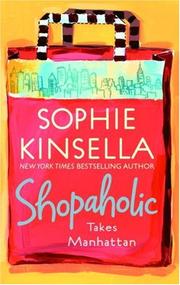
Shopaholic Takes Manhattan
Becky and Luke move to New York where shopping fame tempts her to ruin both.
2,025-word summary · 9 min read
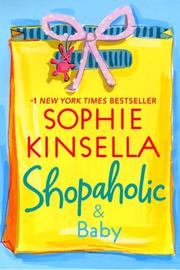
Shopaholic and Baby
Pregnant Becky shops for the perfect nursery while Luke's ex becomes her obstetrician.
2,247-word summary · 10 min read
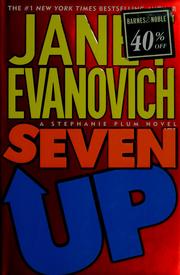
Seven Up
Stephanie hunts old mobster Eddie DeChooch, finds a body, a missing heart, and trouble from Morelli to Ranger.
2,798-word summary · 12 min read
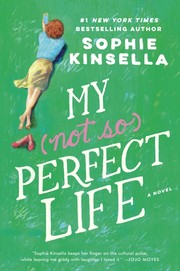
My Not So Perfect Life
Katie chases London creative life while her perfect boss Demeter hides cracks, until a farm trip flips roles.
2,300-word summary · 10 min read
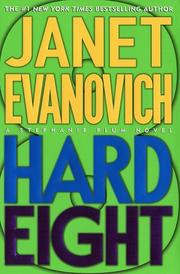
Hard Eight
Janet Evanovich's Hard Eight fully retold: a missing mother and child, Abruzzi's medal hunt, Valerie's rescue, and Ranger crossing a line.
2,961-word summary · 13 min read
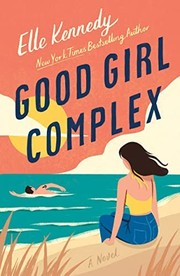
Good Girl Complex
A people-pleasing college girl moves to beach town Avalon Bay and falls for a local boy who distrusts her whole world.
2,225-word summary · 10 min read
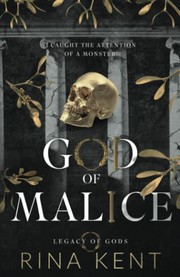
God of Malice
Rina Kent's God of Malice fully retold: Glyndon King, Killian Carson's fixation, secret societies, and the Devlin twist that resets everything.
2,849-word summary · 13 min read

When in Rome
A burnt-out pop star hides out in small-town Kentucky and falls for the grumpy pie-shop owner hiding her.
2,495-word summary · 11 min read
Thoughtless
Kiera follows her boyfriend to Seattle and falls for her roommate, rock singer Kellan Kyle, in a messy love triangle about loyalty and desire.
2,997-word summary · 13 min read

The Starter Ex
A retired bad-girlfriend-for-hire takes one last job and falls for the mark.
2,092-word summary · 9 min read
The Rosie Effect
Married in New York, Don Tillman turns Rosie's pregnancy into research and nearly loses her, until a crisis forces him to listen.
2,869-word summary · 13 min read

The Re-Do List
After a public breakup, Willow Lewis redoes her romantic firsts with her brother's best friend while dog-sitting in Des Moines.
2,390-word summary · 11 min read