
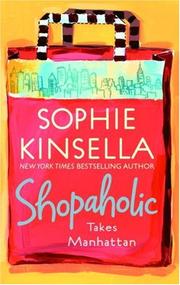
Shopaholic Takes Manhattan
2,025-word summary 9 min read 336 pages in the book
- First published
- 2001
- Publisher
- Delta
- Pages
- 336
- ISBN
- 9780385335881
- Series
- Shopaholic (#2)
Reading options
What's inside (7 sections)
I reread Shopaholic Takes Manhattan after My Not So Perfect Life because I wanted early Becky, before motherhood softened her, and found her both worse and lovelier. First published in the UK in 2001 as Shopaholic Abroad, the US Delta edition as Takes Manhattan runs 336 pages with ISBN 9780385335881. It is Shopaholic book two, after Confessions of a Shopaholic. Year here is 2001 for first UK edition. Becky Bloomwood, financial journalist who cannot budget, goes to New York with boyfriend Luke. Shopping heaven becomes career hell in the most fun way.
When we left, Becky paid debts, kept Luke, kept job on morning TV. Now she is doing well, kind of. She has a motto, Buy Only What You Need, which she sticks to except for essentials like scarves, shoes, gifts, and anything on sale. Luke PR firm opens New York office. He brings Becky. She imagines Sex and the City life with culture on weekends. She finds Barneys, Saks, sample sales, and a British press that follows her debts across the Atlantic.
Luke is work obsessed as ever, charming when present, absent when winning. He wants Becky to behave because clients watch. Becky tries. She really does for three pages. Then a sample sale calls. Foreign money does not count, she reasons. It is basically free. She buys. She hides bags. Suze, her flatmate back home, monitors by phone and fails because Becky lies sweetly. The comedy of hiding, tissue stuffed, receipts flushed, closet double stacked, is peak Kinsella physical humor.
New York, new trouble
New York chapters sparkle with tourist joy and dread. Becky visits museums and thinks about gift shops. She sees a play and thinks about interval ice cream prices. She meets Luke clients and charms them until bills arrive. One dinner where she orders confidently in dollars then converts and pales made me laugh out loud. Anyone who traveled on weak currency knows that math shock.
Work plot thickens. Becky gets a US TV spot as shopping expert, which is like hiring a fox to guard hens. She shines on camera because she loves stuff honestly. Ratings rise. Then British tabloids reprint her debt history. US producers panic. Family finance guru cannot owe Visa. She loses the gig and Luke trust in one bad day. Luke, who hates lies more than debt, asks if she hid shopping. She did. He leaves for a hotel. The flat feels huge. Shopping loses flavor when no one to show. That comedown, three chapters without jokes landing, is Kinsella best work in the book. Becky sits among bags and feels sick, not cute sick. Real shame.
Suze subplot helps. Back in London, Suze frames Becky photos and sells them? Actually Suze makes frames, struggles with boyfriend Tarquin. Phone calls between time zones carry friendship. Suze tells Becky to stop performing perfect and tell Luke truth. Becky resists because truth risks Luke. Suze says lies risk more. She is right. Friends who tell truth while loving are the series backbone. Luke mother, Elinor, arrives to judge. She is cold, rich, perfect. She hates Becky vibrancy. Their clashes, over table settings, over Luke childhood stories, are funny and sad. Elinor sees Becky as gold digger. Becky sees Elinor as ice queen. Both miss.
Becky fight back plan is classic Becky, half brilliant, half insane. She pitches a show about honest shopping, debts included. She returns free gifts. She sells clothes. She budgets on camera. It works because audiences tire of perfect experts. They want someone who messes and fixes. Luke watches from doorway and softens. Not because she succeeded, but because she told truth on TV where lies cost most. That distinction matters. Becky does not stop loving shopping. She stops lying about it. For this series, that is growth.
Love and money
Luke and Becky relationship gets real test here. In book one, love conquered bills. Here bills test love. Luke works eighty hours. Becky shops to fill absence. He criticizes. She hides. They fight about money, which is really about attention. One late night talk in a laundromat, of all places, strips gloss. He admits he brought her to New York as accessory, not partner. She admits she came for shops, not to support. Both true. Both sorry. They decide to be partners, which means shared accounts, shared calendars, shared shame. The scene works because setting is dull. No skyline. Just dryers humming while two people fold and confess.
Kinsella satire of finance media bites. Morning shows want tips that sound smart and cost nothing. PR wants clients who look good. Banks want fees. Becky, who actually reads statements when forced, sees through while participating. Her on air segment where she explains store card traps using her own bills is both funny and useful. Viewers call in. Producers panic at honesty. Honesty rates, though. That paradox fuels the book and Kinsella career. Tell truth about money欠, people listen.
Fair criticism is fair. At 336 pages, shopping gags repeat. Barneys, Saks, sample, repeat. Becky lies in same pattern as book one. Readers wanting growth may fidget. Elinor is thin beyond cold. New Yorkers are caricatures, cabbies, heiresses, assistants. The book loves New York as mall, not city. If you live there, you may roll eyes. Still, charm carries. Becky voice, breathless, digressive, kind, makes even repeated jokes land because she believes each rationalization fresh.
Class lens is gentle. Becky is broke but employable, pretty, white, with safety nets. Real debt is scarier and less funny. Kinsella knows and gestures through a colleague who cannot bounce back. She moves on fast to keep tone. If you carry real debt stress, some scenes may sting. The advice embedded, return, sell, tell, budget on paper, helps if taken as story, not plan. Pair with actual counseling if needed. Books comfort. Experts fix.
Where it sits
Read Confessions first. This book assumes you know Suze, Luke, bank letters, Denny and George scarf. It ends with Becky employed, coupled, wiser but not cured. Shopaholic Ties the Knot follows with wedding mania. The series continues through babies and Hollywood. Book two is my favorite for New York energy and for Luke fight that feels like real couple talk, not rom com banter.
I closed it wanting to clean a closet. Not to shop. To see what I own. Becky teaches by negative example that still loves. She loves color, texture, gifts for friends. That love is not evil. Lying about cost is. When she carries one bag home proudly after returning three, you cheer. Small wins count. Buy only what you need, kind of. Mostly. With much better jokes than budgets usually get.
Suze, Luke, and telling truth
Suze friendship deserves its own praise because she is the series heart. Back in London making frames, dealing with Tarquin, she takes Becky calls at odd hours due to time zones. She listens to shopping confessions without judging, then judges just enough to help. When Becky lies about sample sales, Suze hears bags rustle and calls it. When Becky cries about Luke, Suze does not trash him. She asks what Becky did, what Luke did, what fix looks like. That even handedness saves Becky from victim story. Friends who love and tell truth are rare in books and life. Call yours after reading.
Luke growth shows too, though slower. Work obsessed, charming, scarred by Elinor mother coldness, he loves Becky vibrancy and fears its cost. In New York he tries to protect her by controlling, do not shop, do not talk to press, do not embarrass. Control backfires. Becky shops more when watched. He learns, late, to ask what shopping gives her, excitement, comfort, belonging, and to offer those elsewhere, walks, talks, shared cooking in tiny flat. When he finally says, tell me before you buy, not after, it is not control. It is partnership. She agrees and fails once, then succeeds. That stuttering progress feels real for couples with money fights.
Elinor coldness gets context that does not excuse. Raised to value appearances, married for status, she sees Becky as threat to Luke focus. Her criticisms, about table manners, about job, about debt, land because Becky fears they are true. Becky stands up to her exactly once, at dinner, saying she loves Luke and works hard, even if work looks silly. Elinor blinks, then changes subject. No hug. But later she sends a note with a check for wedding? No, for emergency, with no lecture. That note, practical not warm, is her language of care. Becky cashes it and writes thanks. Both try in different dialects. That is as good as it gets with some mothers in law. Accept and move.
The TV honesty arc closes the theme. Becky pitches a segment on real budgets, showing her bills with names blacked. Producers fear advertisers will flee. Viewers love it because everyone hides bills. Ratings rise. Luke watches from control room and smiles, not because she is famous, but because she is free. Fame without lying tastes better. That lesson, success through honesty not performance, sets up later books where Becky brands herself. Here it is fresh. Tell truth on camera where lies cost most. Win by being the expert who failed and learned. Audiences forgive debt. They do not forgive fake. Keep receipts, review weekly, laugh together. That routine holds better than passion alone. Small wins count daily, one returned bag at a time, one honest talk at a time. Becky learns that shopping joy stays when bills are faced. Luke learns that providing means presence, not just pay. Together they build a New York life that is smaller than dreamed and truer than planned. That truth, told on camera and at home, is why book two endures beyond jokes.
New York as mall and mirror
New York functions as both wonder and test and deserves detail. Becky arrives with list, Statue, museum, show, but spends first free hours in Saks. She justifies as research for TV. She buys essentials that are not. A scarf because cold. Boots because rain. Gifts because Suze would love. Each purchase makes sense alone. Together they sink. Kinsella captures tourist math perfectly. Foreign money feels play. Credit feels future. Future arrives as statement. That cycle, familiar to anyone who traveled broke, is funny because Becky narrates with delight even as total climbs. Readers laugh and wince together. I did both on a plane, which worried seatmates.
Sample sales get set pieces that showcase Kinsella physical comedy. Becky queues at dawn with professionals who bring snacks. She loses a shoe in crush. She finds a dress in wrong size and buys anyway for motivation. She hides bags in office plants. Security knows. Viewers write in. The show loves her because she loves stuff without irony. Producers hate her debts because sponsors fear. That tension, authentic love versus sponsored image, drives plot more than romance. Becky must choose between being liked for fake perfect and being respected for true messy. She chooses messy on air, live, without script. That bravery, for a people pleaser, costs more than money. It wins the right audience.
Luke office move parallels. He opens New York branch to prove himself beyond family name. He works nights, misses dinners, hires wrong assistant who flirts. He thinks providing is loving. Becky thinks presence is loving. Both right. Both tired. Their laundromat talk names it without fixing fully. They agree to calendars, date nights, joint accounts with limits. Those boring tools save more than grand gestures. Later books test them again, but here they learn that love plus systems beats love plus hope. Keep receipts, literally and kindly. Review together weekly. Laugh when over. That routine, dull as dishwater, holds better than passion alone. Kinsella knows domestic comedy is her strength and uses it to teach without preaching.
Closets tell truth. Open yours and count what you love versus what you hide. Return one bag this week. Tell one money truth to someone safe. Write one budget line and keep it. Becky would cheer, then shop a little, then try again. Progress, not perfection, pays debts and keeps friends.
FAQ
When was Shopaholic Takes Manhattan published?
First published in the UK in 2001 as Shopaholic Abroad. The US Delta edition runs 336 pages with ISBN 9780385335881.
Is it part of a series?
Yes. It is Shopaholic book two, after Confessions of a Shopaholic.
Who should read it?
Adults and older teens fit best. There is debt, lying, and mild romance.
Similar books
More from Shopaholic first, then related titles.
Confessions of a Shopaholic
Becky Bloomwood hides maxed cards while chasing a finance writing job.
1,910-word summary · 8 min read
Shopaholic Ties the Knot
Becky Bloomwood plans two weddings at once while debts pile up and Luke's mother interferes.
2,218-word summary · 10 min read
Shopaholic and Sister
Becky Brandon returns from a ten-month honeymoon to meet the half-sister she always wanted, then discovers that Jess is thrifty, prickly, and nothing like the…
2,591-word summary · 12 min read
Shopaholic and Baby
Pregnant Becky shops for the perfect nursery while Luke's ex becomes her obstetrician.
2,247-word summary · 10 min read
My Not So Perfect Life
Katie chases London creative life while her perfect boss Demeter hides cracks, until a farm trip flips roles.
2,300-word summary · 10 min read
The Undomestic Goddess
A burned out London lawyer flees a career mistake and takes a housekeeper job she cannot do.
2,943-word summary · 13 min read
I've Got Your Number
Bride to be Poppy borrows stranger Sam phone and snoops wedding chaos.
2,078-word summary · 9 min read
Can You Keep a Secret?
Emma blurts every secret to a stranger on a turbulent flight, then finds him running her company.
3,114-word summary · 14 min read
Bridget Jones: The Edge of Reason
Bridget doubts Mark, takes a job with Daniel, and lands in trouble in Thailand.
2,198-word summary · 10 min read
The Devil Wears Prada
Andrea Sachs takes an assistant job for Miranda Priestly at Runway and loses herself.
3,203-word summary · 14 min read
Wedding Night
Lottie marries an old flame days after a breakup, then flies to a Greek island while her sister quietly works to sabotage the honeymoon. A farce about memory,…
2,213-word summary · 10 min read
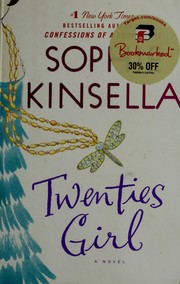
Twenties Girl
Dumped and flailing, Lara Lington is haunted by her great-aunt Sadie, a 1920s ghost who wants her lost necklace back.
2,938-word summary · 13 min read
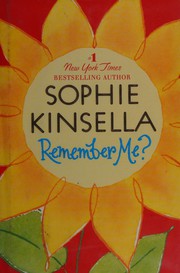
Remember Me?
Lexi wakes after an accident missing three years, with a polished new life and a husband she does not recall, and must work out which parts she wants to keep.
2,390-word summary · 11 min read

Size 12 Is Not Fat
Former teen pop star Heather Wells investigates two dorm elevator deaths while juggling her ex, her crush, and a size-12 wardrobe.
2,805-word summary · 12 min read
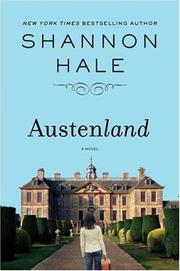
Austenland
A New York graphic designer obsessed with Mr. Darcy inherits a trip to a Jane Austen theme park, where the fantasy of Regency romance collides with the men…
2,030-word summary · 9 min read
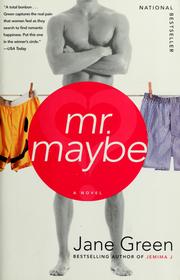
Mr. Maybe
Libby Mason wants a rich husband, but the wealthy man who proposes is dull and the broke writer she cannot forget is not offering forever.
2,322-word summary · 10 min read
Bet Me
A sharp actuary agrees to dinner with a charming serial bettor, then spends the next month pretending the wager does not matter.
2,710-word summary · 12 min read
Angels' Blood
Nalini Singh's 2009 Guild Hunter opener sends vampire hunter Elena Deveraux after a murderous archangel in New York, while its most powerful ruler watches.
2,367-word summary · 11 min read
Dash & Lily's Book of Dares
Two lonely New York teenagers trade dares in a red notebook left at the Strand, falling for each other on the page before they meet.
2,228-word summary · 10 min read
Beautiful Stranger
After a betrayal, Sara Dillon moves to New York and starts a no-strings affair with a British stranger, only to find that control and intimacy are harder to…
2,015-word summary · 9 min read
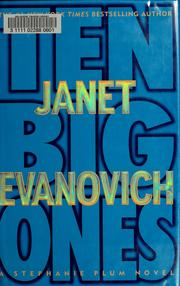
Ten Big Ones
Stephanie witnesses a gang robbery dressed as a devil, and the Comstock Street Slayers put her on a list of people to kill.
2,062-word summary · 9 min read
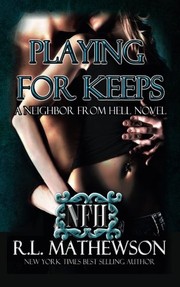
Playing for Keeps
Childhood neighbors Haley and Jason turn a long prank war into a fake relationship that turns real.
2,571-word summary · 11 min read
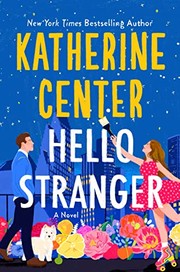
Hello Stranger
Portrait artist Sadie loses face recognition after brain surgery and must finish a contest piece while falling for two men.
2,210-word summary · 10 min read
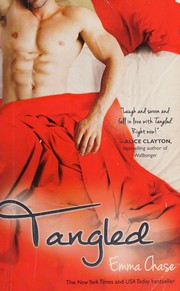
Tangled
Told by a cocky businessman, a bet to win the new associate who rejects him turns into real pursuit, strict rules, a painful reveal and a wedding-level happy…
2,868-word summary · 13 min read
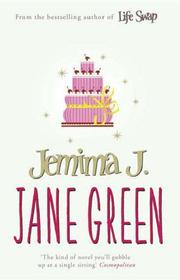
Jemima J
Overweight London journalist Jemima Jones invents a slim online self for a California lover, starves to match the photo, then faces betrayal and learns to…
2,883-word summary · 13 min read
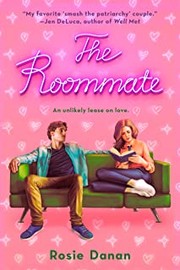
The Roommate
Uptight Clara shares a flat with porn star Josh and teams up to build ethical adult films for women.
2,362-word summary · 10 min read
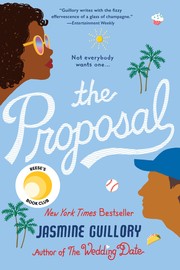
The Proposal
Nik says no to a stadium proposal and rebounds with Carlos in flirty LA romance.
2,044-word summary · 9 min read
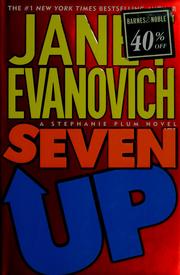
Seven Up
Stephanie hunts old mobster Eddie DeChooch, finds a body, a missing heart, and trouble from Morelli to Ranger.
2,798-word summary · 12 min read
Hard Eight
Janet Evanovich's Hard Eight fully retold: a missing mother and child, Abruzzi's medal hunt, Valerie's rescue, and Ranger crossing a line.
2,961-word summary · 13 min read
When in Rome
A burnt-out pop star hides out in small-town Kentucky and falls for the grumpy pie-shop owner hiding her.
2,495-word summary · 11 min read