
When in Rome
2,495-word summary 11 min read 336 pages in the book
- First published
- 2022
- Publisher
- Dell
- Pages
- 336
- ISBN
- 9780593500781
- Series
- When in Rome (#1)
Reading options
What's inside (8 sections)
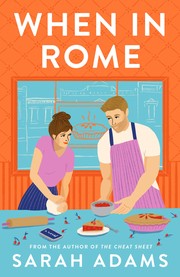
I picked up When in Rome because a friend would not stop talking about the pie. Not a metaphor, actual pie, made by a grumpy man in an apron in a town called Rome, Kentucky. That sounded like my kind of silly until I realized the book underneath is about burnout and privacy, and it handles both with more care than the pastel cover suggests. When in Rome, first in the When in Rome series, first published in 2022, Dell paperback edition running 336 pages, ISBN 9780593500781, follows Amelia Rose, a pop star who performs as Rae Rose, and Noah Walker, a pie shop owner who wants nothing to do with famous people. She runs from her life and her car quits in his town. He finds her asleep where she should not be. What follows is closed door romance, grumpy sunshine done right, and a small town that meddles with love.
Amelia is twenty five and tired in the way that sleep does not fix. Years of tours, fittings, interviews where she smiles on cue. Her calendar belongs to other people. One night she borrows trouble and a car and drives until the road feels quieter, which is how she ends up stranded in Rome, population small enough that a stranger gets noticed before breakfast. She has booked what she thinks is a rental house online. She lets herself in, crashes hard, and wakes to find the house belongs to Noah Walker, who is large, unshaven, and deeply unthrilled.
A pop star with a dead car
The setup could have been creepy and Adams knows it, so she plays it for comedy with an undercurrent of real vulnerability. Amelia is not a mastermind here. She is a sheltered young woman who has never had to solve a problem without staff, and her solution to car trouble is basically to nap through it. Noah, for his part, reacts the way a man living alone would when he finds a stranger on his couch. Loudly. Then, once he confirms she is more lost than dangerous, he does the decent thing wrapped in grumbling. She can stay in the guest room until her car is fixed. Nobody in town can know who she is.
That bargain shapes the whole book. Amelia gets rest and anonymity. Noah gets a temporary headache he insists he does not want. The timeline matters: days, not months, which keeps every interaction slightly pressurized. She cannot call her team without ending the hiding. He cannot throw her out without feeling like a villain, and Noah, for all his growling, hates feeling like a villain.
What I liked about these early chapters is how unglamorous Amelia is allowed to be. She snores. She steals his cereal opinions. She has no idea how a small town works and asks questions that would sound rude from anyone less obviously sincere. There is a nice bit where she tries to pay for things with fame, offering selfies like currency, and Noah stares at her until she finds actual money. Stardom means nothing in his kitchen. That is exactly why she starts to heal there.
The grump and his ground rules
Noah Walker earns the grump label. He rises before dawn for the pie shop, communicates in grunts before coffee, and treats his routines like load bearing walls. He wears flannel and aprons without a trace of performance. Adams gives him a backstory that explains the walls without excusing every snap. He chose this quiet life deliberately after louder years, and a stranger with a spotlight threatens the peace he built for himself and his family.
The ground rules scene is where the book finds its engine. They write up terms for coexisting: she stays out of sight, she helps around the house, no press, no real names outside these walls, and an end date nobody says out loud. Rules in romance novels exist to be broken, but here they function as character work. Each rule tells you what Noah fears. Do not touch my routine means do not make me need company I will lose. Do not tell anyone means my family has been through the wringer before, keep them out of it.
His family arrives fast and stays central. His younger sister Annie runs the flower shop in town and becomes Amelia's first real friend in Rome. Annie is warm the way Noah is guarded, a people pleaser who says yes to everything, and her friendship with Amelia gives the book a second heartbeat beyond the romance. You will recognize Annie if you read on, since her own story comes next in the series. Noah's other sisters orbit with teasing and opinions. The Walkers bicker the way families do when love is assumed and therefore never stated plainly.
Banter carries these chapters. Noah is dry. Amelia is theatrical from years of stage instincts. She narrates her own life like she is still being filmed, and he keeps puncturing it. Go to bed, superstar. Wash your own mug, superstar. The nickname starts as an insult and softens by degrees until it sounds like an endearment he would deny under oath. I laughed out loud twice in this stretch, which for me is the true test of romantic comedy.
Flour, failures, and the flower shop
The middle of the book belongs to pie. Amelia, who has never cooked anything without a chef nearby, decides she wants to learn. Noah refuses. She persists. He relents the way glaciers relent, and then he actually teaches her, with patience that surprises them both. These scenes are the best in the novel. Flour on the floor. Crusts that slump. A lattice that looks like a fence built during an earthquake. Noah's hands guiding hers exactly once before he steps back like the counter burned him.
Pie works as more than set dressing. For Noah it is care made edible, the thing he gives a town that raised him. For Amelia it is the first skill she has learned in years that nobody can applaud on a stage. Nobody claps for a decent crimp. That is the point. Watching her find pride in something unphotogenic is quietly moving, and Adams does not oversell it. She just lets Amelia serve a pie to the family and glow when Noah's sisters fight over the last slice.
Meanwhile the flower shop becomes Amelia's window into normal friendship. Annie puts her to work stripping thorns and sweeping, tasks with visible endings, which turn out to be medicine for a woman whose work never ends but only pauses between tours. They talk the way new friends do when one of them is hiding something enormous. Annie senses the secret and waits instead of prying. That patience pays off later and marks Annie as the moral center of the series, the person everyone confesses to because she listens first.
Town life fills in around them. The diner where everyone orders for everyone else. The church picnic politics. Neighbors who bring casseroles to a man who feeds them pie for a living, because that is how small towns show love, redundantly and with butter. Adams grew up around this texture or studied it well. Rome feels specific rather than generic: particular porches, particular busybodies, particular kindnesses. If you have lived somewhere like it, you will recognize the surveillance state of care, where privacy is impossible and so is being forgotten.
Slow burn in a small kitchen
The romance builds the way trust builds, in small unguarded moments rather than grand speeches. Noah starts making extra coffee without comment. Amelia learns which of his grunts means good morning and which means the ovens are running hot. She sings while doing dishes and he pretends not to listen from the hallway. He fixes things she did not know were broken, including, eventually, her sleep schedule. She drags him to the porch to look at stars he has seen ten thousand times, and he looks at her looking at them instead.
Adams writes attraction with restraint that serves the story. This is closed door romance, so heat lives in proximity and almosts. Hands brushing over a rolling pin. Her falling asleep on his shoulder during a movie and both of them pretending it meant nothing the next day. A kiss delayed long enough that when it happens in his kitchen, flour still on her cheek, it feels inevitable rather than scheduled. Readers who need explicit scenes should know the doors close and stay closed. Readers who like tension will find plenty. Wanting is the whole point of a slow burn, and Adams is good at wanting.
Outside pressure builds alongside. Amelia's team is looking for her. Her sister calls with worry that curdles into guilt. Tour dates loom. Every day in Rome borrows against a reckoning, and both of them know it without saying so, which gives the sweet scenes a salt edge. Noah's resistance to the press also sharpens here. He is not being stubborn for plot reasons. He has seen what attention does to people who did not ask for it, and his family is full of people who did not ask. Every paparazzi scenario he imagines ends with his sisters paying for his choices. That is a reasonable fear, and the book treats it as one.
The midpoint crisis lands when hiding stops being possible. I will keep mechanics vague, but the shape is classic: her world finds her, his town learns what he kept from them, and both feel betrayed in ways that are understandable and slightly unfair. Amelia has to decide whether rest was just vacation or information about the life she actually wants. Noah has to decide whether protecting his peace means keeping everyone out, including the woman asleep down the hall who now knows how he takes his coffee.
What drags and what shines
Fair criticism first, because this book charmed me and I still noticed the seams. The middle sags a little around the two thirds mark. There are consecutive cozy chapters, pie, porch, flower shop, repeat, where the pattern shows. Each scene is pleasant and the cumulative effect is a stretch where nothing new is learned. I skimmed a diner scene I suspect I was meant to savor. Cozy books need this breathing room, but two scenes could have been one.
Noah's grumpiness also crosses a line a few times early on. The book frames his rudeness as protective armor, and mostly it works, but once or twice he snaps at Amelia in ways that felt mean rather than guarded, and her quick forgiveness reads as the genre requiring it. A firmer pushback from her in one of those moments would have balanced them sooner. As written, he apologizes with actions, extra pie, fixed porch step, and she accepts, which is true to both characters but lets him off lightly in dialogue.
The town itself is almost too good. Rome has gossips but no real malice, poverty but no edge, traditions but no one left out of them. That warmth is the fantasy being sold and I bought it happily, but readers wanting texture with their comfort should calibrate. Even the press threat resolves more tidily than real life would allow. One stern conversation does work that in reality takes lawyers. The book chooses wish fulfillment and I respect the choice, but it is a choice.
What shines outweighs all that. The burnout portrait is honest. Amelia's exhaustion is not solved by love but by rest, useful work, and being unknown for a while. Noah does not fix her career or her family. He gives her a guest room and a rolling pin and the radical experience of being uninteresting to everyone around her. That is genuinely insightful about fame: the cure for being watched is not being loved harder, it is being unobserved. The book understands that rest is not laziness but repair, and it lets Amelia be unproductive without punishing her for it.
Adams also writes family well. The Walker sisters feel like sisters, with old jokes and older sore spots and a loyalty that expresses itself as interference. Annie in particular is drawn with such fondness that her later book feels seeded rather than set up. And the comedy lands more often than it misses. Amelia's city girl failures never curdle into contempt for small towns, and the town's curiosity about her never curdles into cruelty. Everyone means well, which in lesser hands would be boring, but here it reads as a deliberate argument that kindness can carry a plot.
An ending without cheap tricks
The last act does something I appreciated: it lets Amelia choose twice. First she goes back to her real life, because contracts and commitments are real and running forever is not growth. The separation chapters are brief but properly sad. Noah returns to his routines and finds they fit differently now, like a room rearranged by someone who has left. Amelia returns to stages and screaming crowds and finds the noise lands differently too. Neither pretends Rome did not happen. Both have to decide what it meant.
I will not spell out the finale beat by beat, but the shape honors both characters. Amelia uses her power rather than just escaping it, and Noah bends without breaking, letting some world in on terms he sets. The town gets its moment, because of course it does, and it earns the tears it is clearly fishing for. There is a public scene near the end that could have been humiliating and instead plays as collective embrace. Rome showing up, literally, is the thesis: you do not have to be lonely to be private, and you do not have to be watched to matter.
The epilogue looks forward instead of preening over what happened. Amelia's career continues in altered form. Noah's shop continues with one new regular who knows the recipes. Annie's future gets a nudge that series readers will catch. Nobody gives a speech about what it all meant, for which I was grateful. The final image involves pie, morning light, and a man who has finally learned to say the soft thing out loud, and it stuck with me longer than any twist could have.
So who should read this. If you like grumpy sunshine where the sunshine has hidden depths and the grump has hidden aprons, come in. If you want small town romance with low angst and high warmth, this is your town. If you need open door heat or gritty realism about fame, look elsewhere and do not blame the book for being what it says it is. For me it sits near the top of cozy contemporary romance, the one I would hand a burnt out friend with instructions to read the pie chapters slowly. I finished it wanting a slice of something and ten more minutes on Noah's porch, and I consider both reactions a recommendation.
FAQ
Who are Amelia and Noah?
Amelia Rose performs as pop star Rae Rose and hides out in Rome, Kentucky. Noah Walker is the grumpy local pie shop owner whose guest room she borrows.
When was When in Rome published?
Sarah Adams first published it in 2022. The Dell paperback runs 336 pages with ISBN 9780593500781.
Is it part of a series?
Yes. It is book 1 in When in Rome, followed by Practice Makes Perfect, which follows Noah's sister Annie. Each book stands alone.
Similar books
More from When in Rome first, then related titles.
Practice Makes Perfect
A people pleaser takes dating lessons from a bodyguard learning to stay.
1,999-word summary · 9 min read

Act Your Age, Eve Brown
Eve Brown crashes into a Lake District bed and breakfast, breaks the owner's arm, and talks her way into his kitchen. A grumpy-sunshine romance about work,…
2,474-word summary · 11 min read

At First Sight
Jeremy and Lexie are married and expecting a baby when anonymous emails tell him the child may not be his.
2,317-word summary · 10 min read

Delilah Green Doesn't Care
Delilah returns to Bright Falls to photograph her stepsister's wedding and falls for Claire, a bookstore owner and single mother, while a cruel bet threatens…
2,315-word summary · 10 min read
Garden Spells
Two sisters reunite in their family home in Bascom, North Carolina, where an apple tree shows anyone who eats from it the biggest event of their life.
2,030-word summary · 9 min read

The Wish
A dying photographer recalls 1996 Ocracoke first love and an adoption choice.
2,176-word summary · 10 min read
The Switch
A burned-out consultant and her 79-year-old grandmother swap London and Yorkshire homes for two months, facing grief, dating apps, and village politics.
2,782-word summary · 12 min read

The Starter Ex
A retired bad-girlfriend-for-hire takes one last job and falls for the mark.
2,092-word summary · 9 min read

The Longest Ride
A stranded widower relives his marriage while a Wake Forest student and a bull rider test new love in North Carolina.
2,488-word summary · 11 min read

Our Ex's Wedding
A struggling wedding planner and a winery owner who share one heartbreaking ex must join forces to pull off that ex's big day.
2,200-word summary · 10 min read
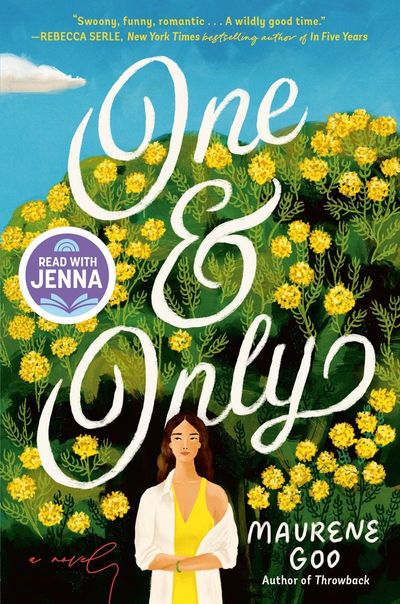
One & Only
Matchmaker Cassia Park finds fated love for everyone but herself, until a 28-year-old fling and a new boss named Daniel Nam collide.
2,033-word summary · 9 min read
Major Pettigrew's Last Stand
A 68-year-old widower and a Pakistani shopkeeper widow fall for each other in a Sussex village that watches their every step.
2,957-word summary · 13 min read
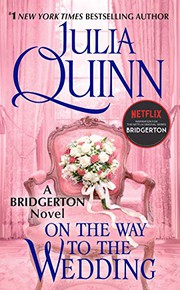
On the Way to the Wedding
Gregory chases the wrong friend while Lucy fights a forced engagement.
1,938-word summary · 9 min read
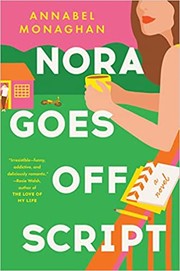
Nora Goes Off Script
A romance writer's house becomes a film set and the actor playing her ex stays.
1,982-word summary · 9 min read
The Choice
A settled Beaufort veterinarian falls for his taken neighbor, then faces an impossible hospital decision eleven years later.
2,150-word summary · 10 min read
China Rich Girlfriend
Rachel Chu meets her birth father and enters Shanghai high society while Nick, Astrid, and Eleanor face weddings, money, and old family claims.
2,861-word summary · 13 min read

Final Offer
Cal Kane must spend the summer at Lake Wisteria to inherit, but his childhood ex Lana, now a mother, says the house belongs to her family.
2,379-word summary · 11 min read
Things We Left Behind
Lucian Rollins returns to Knockemout to bury his father's past and collides with librarian Sloane Walton.
2,777-word summary · 12 min read
Good in Bed
Dumped in print by her ex, reporter Cannie Shapiro faces pregnancy, family mess and a fresh start in Philadelphia.
2,713-word summary · 12 min read
Safe Haven
Katie hides in Southport from a violent husband and falls for widower Alex.
2,480-word summary · 11 min read

Part of Your World
ER doctor Alexis Montgomery falls for carpenter Daniel Grant in Wakan while her surgeon family presses duty.
3,078-word summary · 14 min read

Just for the Summer
Emma and Justin date to break a matching curse, then face sudden guardianship and illness on Lake Minnetonka.
3,090-word summary · 14 min read
The Rosie Project
Melbourne genetics professor Don Tillman launches the Wife Project to find a partner by questionnaire, then meets chaotic Rosie Jarman and agrees to help her…
2,780-word summary · 12 min read

Crazy Rich Asians
Rachel Chu flies to Singapore with Nick Young and learns his family is not just rich but dynasty rich, with mothers, aunties, and weddings testing every bond.
2,117-word summary · 9 min read

Funny Story
Dumped Daphne moves in with her ex's new fiancee's ex, Miles, and they fake-date for revenge.
1,937-word summary · 9 min read

Things We Never Got Over
Naomi runs from her wedding to help her twin in Knockemout and clashes with Knox Morgan.
3,358-word summary · 15 min read

What Happened to Goodbye
Mclean has reinvented herself in four towns since her parents divorced. In Lakeview she uses her real name, and for the first time staying put becomes a choice.
2,796-word summary · 12 min read

The Japanese Lover
A Polish refugee and the son of a Japanese gardener fall in love in San Francisco in 1939, then keep the affair secret for nearly seventy years.
2,286-word summary · 10 min read

The Shadow Sister
Star D'Apliese steps out of her sister's shadow and follows a bookshop clue into the Edwardian life of Flora MacNichol, a woman who gave up love for duty.
2,260-word summary · 10 min read

Lick
Evelyn wakes up married to the lead guitarist of Stage Dive after a Las Vegas birthday she cannot remember, and the annulment gets complicated.
1,989-word summary · 9 min read