
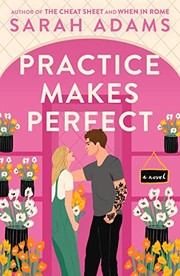
Practice Makes Perfect
1,999-word summary 9 min read 336 pages in the book
- First published
- 2023
- Publisher
- Dell
- Pages
- 336
- ISBN
- 9780593500804
- Series
- When in Rome (#2)
Reading options
What's inside (4 sections)
I had read The Cheat Sheet and found it sweet without much tension, so I came to book two in When in Rome expecting more of the same and got something better. Practice Makes Perfect, second in the When in Rome series, first published in 2023, Dell paperback edition running 336 pages, ISBN 9780593500804, follows Annie Walker, a people pleasing flower shop owner who wants love but freezes on dates, and Will Griffin, a tattooed bodyguard hired to protect her after an incident, who agrees to fake date lessons. It is closed door romance with heat in banter, small town Rome, Kentucky, charm turned up, and unusually honest writing about anxiety and boundaries. I finished it smiling and texted a friend about flower language, which tells you the vibe. Cozy with teeth about consent.
Annie runs the family flower shop, arranges for weddings she is not in, bakes for neighbors, says yes to every committee, and cannot tell a man she likes what she wants in bed or out. Her ex called her boring in bed and she believed him into celibacy of spirit if not body. She wants marriage and babies and fears wanting makes her needy. Will arrives as Amelia's? Actually as bodyguard for a pop star passing through? He is ex military? Actually former? He takes a job watching Annie after a stalker scare involving her shop's visibility. He is gruff, tattooed, kind to old ladies, allergic to small talk. Their first meetings spark through misunderstanding. She thinks he judges her sweetness as weakness. He thinks she performs cheer to avoid conflict. Both are half right, which gives banter somewhere to go beyond flirting.
Lessons that are really about asking
The fake dating lessons premise could feel contrived. Here it works because both need practice Annie does not know. Will needs to learn to stay in a town longer than a job. Annie needs to learn to ask for what she wants without apologizing. Lessons start practical. How to make eye contact on dates. How to end a bad date kindly but firmly. How to order what you actually want. Will coaches with military directness softened by care. Say the sentence. No preamble. Annie practices and reports back. Those debriefs, over pie at diners, are the book's best chapters. Funny about disastrous suitors, tender about fear. A scene where Annie tells a date she is bored and leaves, then calls Will thrilled and guilty, captures growth better than any kiss. She chose herself in public. That choice costs likeability points she was raised to hoard. Spending them feels like freedom and nausea together.
Will's backstory unfolds slowly through nightmares and phone calls he avoids. He guarded someone famous and failed to prevent harm that was not his fault but feels like his. That guilt drives overprotectiveness that Annie must name as both sweet and stifling. When he checks her locks twice and follows her home unasked, she thanks him and sets a rule. Ask before following. He bristles, then respects, then apologizes without groveling. Those negotiations model healthy dating inside fake frame. Consent about safety as well as sex. How to care without controlling when you know danger is real. Adams, who writes closed door, puts heat into these boundary talks. Saying no well becomes foreplay for trust that later allows yes. Readers wanting explicit scenes will find doors closed at key moments with emotion shown after. Readers who prefer that will feel cared for rather than teased. Heat is in glances, remembered touch, and in Will learning Annie's coffee order without being asked.
Rome, Kentucky, as a town that meddles lovingly, gives cover for lessons to look like dates to gossips. Amelia and Noah from book one appear as married friends who tease and advise. Annie's family, especially her brother who worries she settles, adds pressure to prove lessons work by landing a man. That pressure backfires in useful ways. Annie starts performing progress for family rather than feeling it. Will calls it out gently. Are you happy or just able to report happy. That question reframes the whole project from dating skills to self knowledge. Lessons pause while Annie decides what she actually wants beyond marriage as milestone. Flowers as language help. She arranges what she cannot say, then learns to say it too. A bouquet apology to herself after a bad week made me tear up unexpectedly. Care as arrangement first, then as sentence.
For pacing, the lesson middle moves briskly through suitors. Bad date with a mansplainer about flowers. Okay date with a nice man who wants someone else. Good date that scares because it could work. Two lessons in a row about texting follow similar beats. I skimmed one because pattern, Will roleplays texter, Annie overthinks, was clear. Then a lesson where Will pretends to be Annie on a call to show how much she apologizes snaps it back. Hearing your own sorry sorry sorry repeated by a gruff man is funny and horrifying. Annie counts sorries for a week after. That counting changes speech more than any advice. Show, don't tell, applied to dating coaching. Adams trusts readers to feel cringe and adjust alongside.
When fake stops working
Halfway through, lessons become dates in all but name and both know but do not say. Will stays past job end date without clarifying. Annie introduces him as friend with emphasis that fools no one. Their first kiss, delayed well past genre norm for 2023, lands because restraint built charge. Closed door does not mean chaste. Hands, necks, remembered touches carry weight. After, they must decide what practice was for. Was Will preparing Annie for someone else as agreed. He cannot stand the thought and says so badly, sounding possessive. She hears control and retreats to please family by dating a safe suitor. That separation, though brief, hurts proportionally because trust was built carefully. Misunderstanding here is not overheard sentence but incompatible wants stated plainly. He wants to stay but fears failing again. She wants to be chosen without performing. Both need days apart to decide if they can meet as equals rather than coach and student.
The stalker subplot, which justified bodyguard premise, returns late with real danger that tests lessons under pressure. Without giving moves, Annie must use voice she practiced to set hard boundary with someone unsafe while Will must respect her lead rather than take over. That reversal, student directs protector, pays off coaching arc better than any romance gesture. She tells the threat no clearly, loudly, with witnesses, using sentences practiced on bad dates. Will backs her without stepping front. After, they renegotiate protection as partnership. He stays in Rome, not as guard but as neighbor who knows locks and asks before checking. She keeps shop late with rules they set together. Safety as shared project rather than male service. That egalitarian turn elevates what could have been damsel setup.
For craft, Adams writes small town with specificity that avoids caricature. Flower shop inventory by season. Diner pie rotation. Church committees that do real charity alongside gossip. If you like Hallmark settings with more psychology, you will feel home. Dialogue carries pages with banter about tattoos, flowers, brothers. If you want lyrical prose, look elsewhere. This is voicey commercial with heart. Anxiety representation stands out. Annie's spiral thoughts, rehearsing conversations, apologizing preemptively, are written from inside rather than observed. Will's hypervigilance similarly shows as care and cost. They recognize each other's coping without romanticizing illness as quirk. Therapy is mentioned as ongoing, not crisis fix. That normalizing matters more than plot.
For criticism, the book runs cozy to a fault. No one stays unlikeable long. Even the stalker gets humanizing backstory that feels rushed to excuse. Two family confrontations resolve with hugs that come fast after years of control. I wanted one boundary to hold without reconciliation, to show pleasing has costs even when kind. As is, everyone ends fond at a wedding-like gathering that blurs book one and two casts. Sweet, but a little pat. Also, Will's military past stays vague to keep tone light. Given bodyguard premise, more detail about failure that haunts would deepen stakes. A single nightmare repeated tells rather than shows. Still, at 336 pages it reads fast for comfort. I finished in two evenings with tea, which is correct setting. Short chapters ending on texts. No cliffhangers that punish. The final lessons list Annie writes for herself, not for dating but for living, made me copy one line about ordering dessert first. Practice as life, not just love.
For who this is for. If you liked When in Rome, this is warmer and more useful about anxiety. If you are new, start here or with book one; either works, this stands alone fine with Amelia cameos that orient without homework. If you want open door heat, look elsewhere. Doors close with care here. If you please others until resentful, Annie's sorry counting will hit home uncomfortably then helpfully. I closed it thinking about flowers I buy for others and rarely for self. Order what you want. Say the sentence. Practice in low stakes so high stakes feels possible. That instruction, simple and doable, is the book's gift beyond romance.
Annie's flower shop as emotional barometer deserves a closing look because Adams uses arrangements the way others use diary entries. Early bouquets are tight, symmetrical, people pleasing pastels for weddings Annie envies. As lessons progress, arrangements loosen. Wildflowers for herself, bold color for tough days, single stem for Will's kitchen without occasion. Customers notice before Annie states change. Are you okay, you seem brighter. Flowers speak before she can. Will learns to read them, bringing her odd stems he finds on walks rather than store bought roses. Those found flowers, weeds to others, mean more because chosen with attention not money. A late scene where Annie arranges for her own birthday party with colors she loves despite family preferring pastels shows growth in petals. She will hear comments and keep orange. That small defiance predicts larger ones about love and work. Shop as self portrait tended daily. When Will finally orders flowers for Annie, he asks for what she likes, not what impresses. Remembered preference as love proof beats grand bouquets. He listened when she thought she was just chatting about stock. Listening as romance beats rescue every time in this book, which is why fake dating lessons work. They are really listening lessons disguised as flirting tips. Hear what she orders. Repeat back. Act. That sequence builds more intimacy than any kiss, though kisses come and satisfy because earned through hearing first.
Will's tattoos as biography he does not narrate deserve attention because Adams uses ink to show history without info dumping. Sleeves of dates, coordinates, names half covered. Annie asks about one small flower among skulls and gets a short answer that opens long silence. He got it for someone he failed to protect, not as memorial to show but as reminder to do better. She does not push for full story. She touches it gently when he tenses and moves on. That touch permission matters more than backstory details withheld for later books or never. Bodies carry records minds edit. Reading skin respectfully beats demanding narrative. Later, when Will gets a new small flower for Annie after lessons end, he shows without explaining. She understands it marks when he learned to stay rather than guard and leave. No speech about meaning. Just rolled sleeve at dinner. Her eyes fill because she reads fluently now. That literacy, learned through dating lessons that were really attention lessons, closes their arc better than vows. See my skin. Know what stays. Choose to add. Those steps mirror flower arranging Annie teaches him in return. Choose stems. Trim. Place. Leave space to breathe. Both crafts, ink and petals, require deciding what remains visible and what gets covered for growth. Practice as curation of self shown to beloved.
FAQ
Who are Annie and Will?
Annie Walker, flower shop owner who cannot ask plainly, and Will Griffin, tattooed bodyguard hired after a scare who coaches directness.
When was Practice Makes Perfect published?
Dell published it in 2023. The paperback runs 336 pages with ISBN 9780593500804.
Is it part of a series?
Yes. It is book 2 in When in Rome after Amelia and Noah. Stands alone fine with cameos orienting.
Similar books
More from When in Rome first, then related titles.
When in Rome
A burnt-out pop star hides out in small-town Kentucky and falls for the grumpy pie-shop owner hiding her.
2,495-word summary · 11 min read
Act Your Age, Eve Brown
Eve Brown crashes into a Lake District bed and breakfast, breaks the owner's arm, and talks her way into his kitchen. A grumpy-sunshine romance about work,…
2,474-word summary · 11 min read

At First Sight
Jeremy and Lexie are married and expecting a baby when anonymous emails tell him the child may not be his.
2,317-word summary · 10 min read

Delilah Green Doesn't Care
Delilah returns to Bright Falls to photograph her stepsister's wedding and falls for Claire, a bookstore owner and single mother, while a cruel bet threatens…
2,315-word summary · 10 min read
Garden Spells
Two sisters reunite in their family home in Bascom, North Carolina, where an apple tree shows anyone who eats from it the biggest event of their life.
2,030-word summary · 9 min read
The Wish
A dying photographer recalls 1996 Ocracoke first love and an adoption choice.
2,176-word summary · 10 min read
The Switch
A burned-out consultant and her 79-year-old grandmother swap London and Yorkshire homes for two months, facing grief, dating apps, and village politics.
2,782-word summary · 12 min read
The Starter Ex
A retired bad-girlfriend-for-hire takes one last job and falls for the mark.
2,092-word summary · 9 min read

The Longest Ride
A stranded widower relives his marriage while a Wake Forest student and a bull rider test new love in North Carolina.
2,488-word summary · 11 min read

Our Ex's Wedding
A struggling wedding planner and a winery owner who share one heartbreaking ex must join forces to pull off that ex's big day.
2,200-word summary · 10 min read
One & Only
Matchmaker Cassia Park finds fated love for everyone but herself, until a 28-year-old fling and a new boss named Daniel Nam collide.
2,033-word summary · 9 min read
Major Pettigrew's Last Stand
A 68-year-old widower and a Pakistani shopkeeper widow fall for each other in a Sussex village that watches their every step.
2,957-word summary · 13 min read
On the Way to the Wedding
Gregory chases the wrong friend while Lucy fights a forced engagement.
1,938-word summary · 9 min read
Nora Goes Off Script
A romance writer's house becomes a film set and the actor playing her ex stays.
1,982-word summary · 9 min read
The Choice
A settled Beaufort veterinarian falls for his taken neighbor, then faces an impossible hospital decision eleven years later.
2,150-word summary · 10 min read
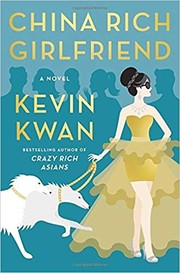
China Rich Girlfriend
Rachel Chu meets her birth father and enters Shanghai high society while Nick, Astrid, and Eleanor face weddings, money, and old family claims.
2,861-word summary · 13 min read
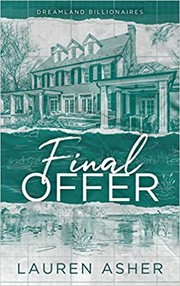
Final Offer
Cal Kane must spend the summer at Lake Wisteria to inherit, but his childhood ex Lana, now a mother, says the house belongs to her family.
2,379-word summary · 11 min read
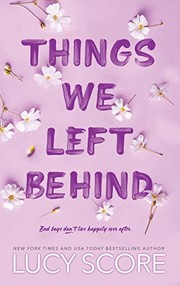
Things We Left Behind
Lucian Rollins returns to Knockemout to bury his father's past and collides with librarian Sloane Walton.
2,777-word summary · 12 min read
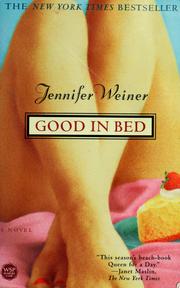
Good in Bed
Dumped in print by her ex, reporter Cannie Shapiro faces pregnancy, family mess and a fresh start in Philadelphia.
2,713-word summary · 12 min read
Safe Haven
Katie hides in Southport from a violent husband and falls for widower Alex.
2,480-word summary · 11 min read

Part of Your World
ER doctor Alexis Montgomery falls for carpenter Daniel Grant in Wakan while her surgeon family presses duty.
3,078-word summary · 14 min read
Just for the Summer
Emma and Justin date to break a matching curse, then face sudden guardianship and illness on Lake Minnetonka.
3,090-word summary · 14 min read
The Rosie Project
Melbourne genetics professor Don Tillman launches the Wife Project to find a partner by questionnaire, then meets chaotic Rosie Jarman and agrees to help her…
2,780-word summary · 12 min read
Crazy Rich Asians
Rachel Chu flies to Singapore with Nick Young and learns his family is not just rich but dynasty rich, with mothers, aunties, and weddings testing every bond.
2,117-word summary · 9 min read
Funny Story
Dumped Daphne moves in with her ex's new fiancee's ex, Miles, and they fake-date for revenge.
1,937-word summary · 9 min read
Things We Never Got Over
Naomi runs from her wedding to help her twin in Knockemout and clashes with Knox Morgan.
3,358-word summary · 15 min read

What Happened to Goodbye
Mclean has reinvented herself in four towns since her parents divorced. In Lakeview she uses her real name, and for the first time staying put becomes a choice.
2,796-word summary · 12 min read

The Japanese Lover
A Polish refugee and the son of a Japanese gardener fall in love in San Francisco in 1939, then keep the affair secret for nearly seventy years.
2,286-word summary · 10 min read

The Shadow Sister
Star D'Apliese steps out of her sister's shadow and follows a bookshop clue into the Edwardian life of Flora MacNichol, a woman who gave up love for duty.
2,260-word summary · 10 min read
The Unmaking of June Farrow
A woman in a North Carolina flower-farming family walks through a red door into 1951, where she must solve her mother's disappearance and decide whether to…
2,701-word summary · 12 min read