
Reading options
What's inside (8 sections)
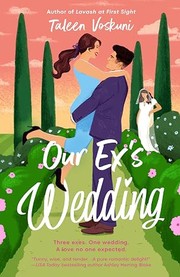
I picked up Our Ex's Wedding because the premise made me laugh out loud in the bookstore: two people who cannot stand each other have to plan their mutual ex's wedding together. It came out in January 2026 from Berkley, and my reading follows the 416 page paperback. It went on to become an instant USA Today bestseller, which tells you the romcom crowd found it fast. I read it in four evenings, and at least twice I had to put it down because I was laughing too hard to see the page.
Ani Avakian was supposed to be the Bay Area's top Armenian wedding planner by now. Instead her business took a serious hit, and she needs one big job to prove she still belongs. That job arrives in the form of a celebrity wedding: an indie movie star marrying her fiancee at a beautiful Armenian-owned winery. Ani wants the gig badly. Then she meets the winery owner, Raffi Garabedian, who is handsome, charming, and completely irritating. Then she meets the couple and learns the fiancee is Kami, the woman who broke Ani's heart two years ago. And then, because the universe enjoys her suffering, she learns Kami once broke Raffi's heart too.
So Ani and Raffi share an ex, a wedding, and a mutual refusal to admit they like each other. What follows is big, warm, funny, and more emotional than the setup suggests.
Ani Avakian needs this wedding to work
Ani opens the book in a hole. Her planning business, built with so much pride, is wobbling after a rough stretch. In the wedding world, reputation is everything, and one bad season can undo years. Ani knows it. She answers emails too fast, overprepares consultations, and says yes to meetings that smell like trouble because she cannot afford to say no. Denting that pride further is the fact that she comes from a community where everyone knows everyone's business. Bay Area Armenian circles are close, loving, and completely without mercy when it comes to gossip. Ani's failures have an audience of aunties.
What I liked right away is that Ani is good at her job. Voskuni does not write her as a mess who stumbles into success. Ani notices the wilting flowers before anyone else. She calms a panicking mother of the bride with three sentences. She carries a kit with everything from stain remover to spare vows. Her problem is not skill. Her problem is that the biggest stage of her career comes with the worst possible emotional seating chart. Planning a wedding means managing feelings for a living, and Ani has to manage her own broken heart on top of everyone else's joy.
Her history with Kami seeps out slowly, the way real ex stories do. Not in one big flashback but in passing hits. A song at a tasting. A restaurant they used to love. The particular way Kami laughs that Ani would know blindfolded. Two years is long enough to function and short enough that the wound still opens. Voskuni writes that stage of post heartbreak well, where you are genuinely fine most days and then one ordinary moment puts you on the floor. Ani is not pining exactly. She is unhealed, which is different and more interesting.
Anyone who has ever had to be professional around an ex will feel this section in their bones.
Raffi Garabedian has a winery and a point to prove
Raffi owns the family winery where the wedding will happen, and he needs the event to succeed almost as much as Ani does. Taking over the family business was supposed to be his proud chapter, the thing that finally makes his father look at him with full approval. Instead the first major event under his management comes with a wedding planner who questions his prices, his timelines, and his taste in table linens. Raffi is used to being the charming guy in the room. Ani is immune to the charm, which offends him more than he admits.
Voskuni gives Raffi more weight than the handsome obstacle role suggests. He loves the land and the wine in a way that feels worked rather than inherited. He walks rows early in the morning. He knows which blocks struggled in which year. He carries the pressure of a son running a family place where every choice gets compared to his father's. Readers from family business backgrounds will recognize his specific bind: you cannot modernize without seeming ungrateful, and you cannot repeat the past without falling behind. Hosting a celebrity wedding could put the winery on the map. One disaster could stain it for years.
His history with Kami mirrors Ani's without copying it. Where Ani loved Kami and lost her, Raffi's version has its own shape and scars, and the book lets the two compare notes in scenes that swing between funny and raw. There is something deeply bonding about discovering the same person hurt you both. It starts as gossip and turns into comfort. Raffi handles it with humor first, honesty later, which tracks for a man whose whole style is warmth with the shutters half closed.
I also appreciated that Raffi respects Ani's work once he sees it up close. The turn from sparring to professional admiration comes before the romantic turn, and that order matters. He falls for her competence first. The rest follows.
Planning Kami's wedding, together, somehow
The middle of the book is a machine for awkward situations, and Voskuni runs it at full speed. Tastings where Ani must smile while Kami feeds cake to her fiancee. Venue walks where Raffi must be gracious while his ex's happiness gets photographed on his property. Vendor meetings where the ex's preferences still live in both their heads. Did Kami ever like peonies, or was that someone else? Who remembers her dance floor rules? Shared memory becomes both a weapon and a bridge. They use it to snipe, then to help, then to grieve the versions of themselves who loved her.
Kami herself is written with more care than the premise requires. It would be easy to make her a villain or a ghost. Instead she is a real person getting married, happy in a way that costs Ani and Raffi something to witness. Her fiancee, the actress, brings celebrity chaos that keeps the stakes high. There are NDAs, security details, and at least one scene involving a famous guest list that had me cackling. The wedding has to be perfect not only for love but for publicity, which means Ani and Raffi cannot afford a single honest outburst. They swallow feelings for weeks. Readers will enjoy watching the pressure build.
The slow burn between the leads works because proximity does the heavy lifting. They fight about centerpieces and discover shared values. They compete over who knows Kami better and discover they both deserved better. They rescue each other from small disasters, a late delivery, a drunk uncle, a sudden storm threat, and each rescue lowers the guard a notch. Voskuni paces the banter well. Ani is dry and precise. Raffi is warm and teasing. Their fights have rhythm, and their truces feel earned rather than scheduled.
One set piece near the end, involving the rehearsal going sideways, is worth the whole book. I will not spoil it. Just know I read it standing in my kitchen because sitting still was impossible.
Big feelings inside the jokes
What surprised me is how much heart sits under the comedy. This is a book about two people forced to watch someone they loved marry someone else, and Voskuni never pretends that stops hurting because the new romance is fun. Ani has scenes of real grief tucked between the jokes. Standing in a beautiful venue knowing she once imagined her own wedding there. Hearing a reading that could have been hers. Raffi gets quieter versions, staring at his vines after everyone leaves, doing the math on what he lost versus what he built. The book lets both truths exist. You can be happy for an ex and still need a minute in the parking lot.
The Armenian American texture is a genuine pleasure. Food gets described with love and specificity, lavash and assembly lines of aunties and the particular politics of who cooks what for a wedding. Family shows up the way family does in close communities, with opinions, food, and emergency interventions. Readers of Voskuni's earlier books will feel at home. New readers get a full welcome without homework. Nothing here reads as decoration. The culture shapes how Ani works, who she answers to, and what failure would cost. That grounding keeps the farce from floating away.
The queer thread is handled with warmth. Ani's past relationship with Kami is treated as simply a love story, no tragedy framing, no coming out trauma plot. Her family and community mostly take it in stride, with the ordinary frictions any relationship would face. Raffi learning to understand that part of Ani, and Ani trusting him with it, becomes one of the book's tenderest lines. For a comedy this broad, the gentleness stands out.
If the book has a thesis, it is that weddings force honesty. You cannot spend weeks staging love for others without facing your own.
What made me laugh and what tested me
The comedy is the star. Voskuni has a gift for embarrassment scenes that escalate past all reason while staying just inside belief. A misdelivered speech. A wardrobe failure at the worst minute. A tasting where two exes of the same woman must toast her future. I laughed more at this book than at anything else I read this year. The dialogue snaps, the physical comedy lands, and the auntie chorus provides running commentary that never misses. Readers who loved the energy of Jasmine Guillory or Christina Lauren will feel at home. This is big romcom energy with cultural specificity on top.
The pace dips once, about two thirds through, when the wedding prep turns into a checklist for a stretch. Venue logistics, vendor calls, seating charts. Some of it earns its place by showing Ani's skill, but a few chapters read like the same argument in different rooms. Ani and Raffi circle the same fear, that wanting each other betrays their professionalism and their pride, and the circling goes one round longer than needed. A subplot about Ani's business rival could have been sharper too. The rival schemes without ever becoming a real threat, which makes those pages feel borrowed from a different book.
Kami's fiancee stays blurry for a long time. Because the celebrity side needs mystery for plot reasons, she reads as a glowing outline deep into the book. That is partly deliberate, keeping focus on the triangle that matters, but I wanted one early scene giving her weight so the final wedding felt fully hers rather than mostly theirs. When that scene finally comes, it is good. I just wanted it sooner.
None of this dented my enjoyment much. The final act pays off the buildup with a wedding that goes wrong in the right ways and a romantic resolution that feels chosen rather than inevitable. Voskuni sticks the landing.
One more thing the book gets right is jealousy. Ex plots often run on possessiveness, but Ani and Raffi rarely act like Kami is property to win back. Their harder moments come from doubting themselves, not from guarding her. When Kami is happy, they feel grief more than rage, and that choice keeps both leads likable through scenes that could have curdled. It also makes the new relationship feel clean. Nobody here is a consolation prize. Ani and Raffi pick each other with open eyes, after watching old love settle into something finished.
Who gets the most out of this one
Hand this to anyone who wants a romantic comedy that actually commits to comedy. It suits wedding season reading, book clubs that like laughing together, and anyone who enjoys love stories built on banter first and grand gestures later. Fans of Voskuni's Sorry, Bro and Lavash at First Sight should clear their schedules. This is her funniest book and her most confident, and the USA Today bestseller tag makes sense the moment the premise starts moving.
Readers who need quiet, interior romance should look elsewhere. This book is loud in the best way, full of crowds, kitchens, dance floors, and opinions. Readers who dislike ex plots or wedding plots should also pass, since both run the whole show. And anyone allergic to secondhand embarrassment should proceed with care. Several scenes made me cover my face.
For me, the book earns its place with generosity. Voskuni loves this community, loves this genre, and loves these two stubborn people. Ani gets her professional redemption without giving up her sharp edges. Raffi gets his father's pride and something better, a life he chose on purpose. And Kami gets her wedding, which is as it should be. Not every love story ends with the person you planned. Sometimes it ends with the person who survived the planning with you. I closed the last page grinning, hungry, and ready to dance.
FAQ
When was Our Ex's Wedding published?
Berkley published it on January 20, 2026. The paperback runs 416 pages and the ISBN is 9780593953648. It became an instant USA Today bestseller.
What is the setup of Our Ex's Wedding?
Wedding planner Ani Avakian and winery owner Raffi Garabedian must stage the wedding of Kami, the ex-girlfriend they have in common.
Is it part of a series?
No, it stands alone. Voskuni also wrote Sorry, Bro and Lavash at First Sight, which share her Bay Area Armenian American setting.
Similar books

Delilah Green Doesn't Care
Delilah returns to Bright Falls to photograph her stepsister's wedding and falls for Claire, a bookstore owner and single mother, while a cruel bet threatens…
2,315-word summary · 10 min read

Aristotle and Dante Dive into the Waters of the World
Ari and Dante return for senior year in El Paso, navigating first love, AIDS, family grief, and the cost of being openly gay in 1987 Texas.
2,188-word summary · 10 min read
When in Rome
A burnt-out pop star hides out in small-town Kentucky and falls for the grumpy pie-shop owner hiding her.
2,495-word summary · 11 min read
The Starter Ex
A retired bad-girlfriend-for-hire takes one last job and falls for the mark.
2,092-word summary · 9 min read
One & Only
Matchmaker Cassia Park finds fated love for everyone but herself, until a 28-year-old fling and a new boss named Daniel Nam collide.
2,033-word summary · 9 min read
Practice Makes Perfect
A people pleaser takes dating lessons from a bodyguard learning to stay.
1,999-word summary · 9 min read
On the Way to the Wedding
Gregory chases the wrong friend while Lucy fights a forced engagement.
1,938-word summary · 9 min read
Nora Goes Off Script
A romance writer's house becomes a film set and the actor playing her ex stays.
1,982-word summary · 9 min read
China Rich Girlfriend
Rachel Chu meets her birth father and enters Shanghai high society while Nick, Astrid, and Eleanor face weddings, money, and old family claims.
2,861-word summary · 13 min read
I've Got Your Number
Bride to be Poppy borrows stranger Sam phone and snoops wedding chaos.
2,078-word summary · 9 min read
Good in Bed
Dumped in print by her ex, reporter Cannie Shapiro faces pregnancy, family mess and a fresh start in Philadelphia.
2,713-word summary · 12 min read
The Rosie Project
Melbourne genetics professor Don Tillman launches the Wife Project to find a partner by questionnaire, then meets chaotic Rosie Jarman and agrees to help her…
2,780-word summary · 12 min read
Crazy Rich Asians
Rachel Chu flies to Singapore with Nick Young and learns his family is not just rich but dynasty rich, with mothers, aunties, and weddings testing every bond.
2,117-word summary · 9 min read

What Happened to Goodbye
Mclean has reinvented herself in four towns since her parents divorced. In Lakeview she uses her real name, and for the first time staying put becomes a choice.
2,796-word summary · 12 min read

The Japanese Lover
A Polish refugee and the son of a Japanese gardener fall in love in San Francisco in 1939, then keep the affair secret for nearly seventy years.
2,286-word summary · 10 min read
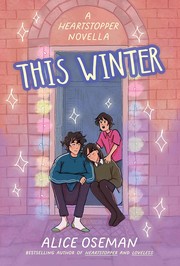
This Winter
On one difficult Christmas Day, Tori, Charlie, and Oliver Spring try to hold their family together while Charlie's eating disorder makes every tradition a test.
2,034-word summary · 9 min read

The Shadow Sister
Star D'Apliese steps out of her sister's shadow and follows a bookshop clue into the Edwardian life of Flora MacNichol, a woman who gave up love for duty.
2,260-word summary · 10 min read
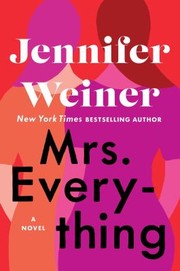
Mrs. Everything
Two Jewish sisters in Detroit grow up, apart and together, across seven decades of American life, from the 1950s to the 2016 election.
2,362-word summary · 10 min read
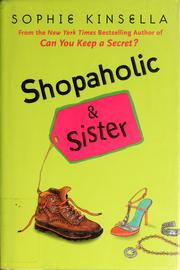
Shopaholic and Sister
Becky Brandon returns from a ten-month honeymoon to meet the half-sister she always wanted, then discovers that Jess is thrifty, prickly, and nothing like the…
2,591-word summary · 12 min read
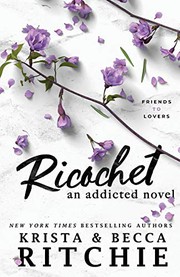
Ricochet
Lily Calloway tries to stay celibate for ninety days while Loren is in rehab, leaning on Rose, Connor, and Ryke as therapy forces her to face her childhood.
2,575-word summary · 11 min read
Under Locke
Iris Taylor moves to Austin broke and wary, takes a front-desk job at a tattoo shop, and spends the book learning that Dex Locke’s blunt cruelty and unexpected…
2,591-word summary · 12 min read

Sam's Letters to Jennifer
A grieving journalist reads her grandmother's letters and finds a decades-long love affair that changes how she sees her family.
2,310-word summary · 10 min read

I Kissed Shara Wheeler
Shara Wheeler kisses her rival Chloe Green at prom and disappears, leaving a scavenger hunt that forces Chloe to rethink everything she knew about her.
2,083-word summary · 9 min read

Act Your Age, Eve Brown
Eve Brown crashes into a Lake District bed and breakfast, breaks the owner's arm, and talks her way into his kitchen. A grumpy-sunshine romance about work,…
2,474-word summary · 11 min read
The Rumor
Two Nantucket best friends, Madeline and Grace, watch a summer of small indiscretions get retold into gossip that reshapes both their households.
2,017-word summary · 9 min read
George's Marvellous Medicine
George stirs a brew of dozens of household chemicals and gives it to his grumpy grandmother, and the medicine works far better than anyone planned.
2,014-word summary · 9 min read

We Are Okay
Marin fled San Francisco after her grandfather vanished and stopped answering anyone. When Mabel visits her college dorm, she has to say what happened.
2,253-word summary · 10 min read

Two by Two
Sparks's twentieth novel turns from first love to a marriage breaking up: Russell Green loses his wife and his job, then rebuilds his life around his…
2,192-word summary · 10 min read
Between Sisters
Estranged sisters Meghann and Claire reunite in Washington when Claire announces a rushed wedding, then face their mother's desertion and a medical crisis.
2,467-word summary · 11 min read
The First to Die at the End
On the night Death-Cast launches, a boy with a bad heart meets a model with everything ahead of him, and one of them gets the call.
2,908-word summary · 13 min read