
Reading options
What's inside (5 sections)
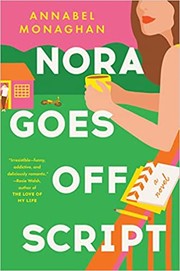
I picked this up because the premise sounded like a Hallmark movie I would pretend not to like and then watch twice. A romance writer whose husband leaves her sells the movie rights to her breakup book, then the movie films at her house in the country and she falls for the actor playing her ex. It could be cute and empty. Nora Goes Off Script, first published in 2022, G.P. Putnam's Sons edition running 272 pages, ISBN 9780593420034, is cuter and fuller than I expected. It is about grief that looks like practicality and about letting yourself be chosen after years of doing the choosing for everyone else.
Nora Hamilton writes romance novels for money and writes them well without quite believing in them for herself. She lives in a small town outside New York with two kids, Arthur and Bernadette, in a house with a red door and a garden she maintains like a second job. Her husband Ben left a few years ago for a younger colleague and now wants more custody flexibility when it suits his schedule. Nora copes by planning. Meal plans, school plans, writing quotas, contractor lists. Control is how she parents through disappointment.
The movie in her backyard
The plot turns when Nora's agent sells her latest book, a thinly veiled account of her marriage ending, to a studio. The studio decides to film at Nora's house because it looks like the book. Suddenly trucks, lights, and a famous actor named Leo Vance are in her yard. Leo is handsome in a tired way, recently divorced, trying to be a good dad to his own kid while tabloids follow him. He is cast as the ex, which means he spends days studying Nora's life to play the man who left her.
What I liked right away is how unsentimental Nora is about the business. She negotiates location fees to pay for a new roof. She makes the crew sign rules about kids and dogs. She keeps writing her next book in the early mornings before call times. She does not swoon when Leo is polite. She notices he is good with her kids and files it as data. That practicality makes the later romance believable. She is not waiting to be saved. She is managing a production that happens to be in her kitchen.
Arthur, her teenage son, is prickly and funny about the film. He likes Leo but does not want to like him. Bernadette, younger, is open and lonely in the way kids of divorce get, quick to attach to kind adults. Nora watches both with a writer's eye and a mother's worry. A scene where Arthur asks Leo about stunt work to avoid asking about his dad tells you everything about the house. No one says divorce. Everyone schedules around it.
Leo's side is sketched efficiently. He got famous playing heroes, got married young, got divorced messily, loves his son but sees him too little because of shoots. He is trying to be less of a performance in real life. On set he is professional. Off set he helps stack chairs, learns the kids' cereal preferences, asks Nora about plotting without condescension. The book does not make him a fantasy billionaire. He is a working actor with back pain and a mortgage on a too big house in Los Angeles. That normalcy helps.
Falling while trying not to
The romance builds through small favors rather than grand gestures. Leo fixes a fence without being asked. Nora lends him a sweater when the night shoot runs cold. He reads her draft and gives a useful note about the ending feeling rushed. She tells him the teardown schedule so he can visit his kid. None of these are billed as dates. All of them accumulate.
Nora resists because she has reasons. She was left. She has kids who would attach. Leo lives across the country and works a job that puts his face on magazines. Her friends tell her to be careful. Her ex tells her, in a particularly ungenerous scene, that she is being used for research. Even Leo's kindness feels suspect because he is playing her ex. How can she tell when he is acting. The book sits with that question longer than I expected and answers it through behavior, not speeches. Leo shows up when cameras are off. He remembers Bernadette's allergy without being reminded. He leaves when Nora asks, even though it costs him.
The kids carry a lot of emotional weight without becoming props. Arthur's anger at his dad comes out sideways at Leo, then sideways at Nora for dating at all. A fight where Arthur accuses Nora of rewriting their family into a book for money is harsh and fair. Nora does write about her life. Arthur has read enough to recognize scenes. The book lets that be uncomfortable. Is it okay to sell your breakup when your kids will read it later. Nora does not have a clean answer. She pays bills with it and feels guilty and keeps writing. That honesty saved the premise for me.
Bernadette's attachment to Leo is handled gently. She draws him pictures, asks if he will be in the sequel, cries when filming ends. Nora does not scold her for feeling. She explains, in age appropriate pieces, that some people visit for a season. I liked that Nora does not promise Leo will stay. She promises she will stay, which is the promise she can keep.
For pacing, the filming middle is the best. Call sheets, weather delays, night shoots, town gossip, all give the romance cover to grow. A night shoot where Nora brings blankets and watches Leo do the same scene six times, getting kinder each take, is lovely without being corny. You see acting as work and you see Nora respecting work. After filming wraps, the book dips a little. Phone calls and visits across country are harder to dramatize than shared kitchens. Two airport scenes in a row blurred for me. Then a late scene at Nora's garden, where Leo shows up without crew and does yard work badly, brings it back.
Grief, money, and the garden
Under the romance is a story about money and grief. Nora's house needs repairs she cannot afford on royalties alone. The location fee matters. Ben's child support is irregular. Writing to deadline while parenting alone means early mornings and no sick days. Monaghan, who writes about this without pity, gets the details right. Grocery lists, plumber quotes, school forms that need two signatures when you only have one adult at home.
Grief here is not only for the marriage. It is for the version of Nora who thought she would be married at forty with a husband who fixed things. She kept the garden because her mother did, because tending something that grows back felt steady when people did not. Leo, who grew up with less stability than his fame suggests, recognizes that without naming it. He does not try to buy her a new garden. He weeds the one she has badly and asks how to do better. That restraint is romantic in a way grand gestures rarely are.
Ben, the ex, could have been a cartoon. He is not quite. He is selfish about time, charming when he wants something, defensive when called out. A scene where he promises Arthur a trip and then hedges made me angry in a familiar way. Nora handles him with a mix of firm texts and tired accommodation that anyone co parenting will recognize. She does not hate him, which would be easier. She manages him, which is harder and less satisfying and true.
The writing itself is light and clean. Short chapters, dialogue heavy, interior jokes about romance tropes. Nora, as a writer, thinks in beats and acts, which lets Monaghan wink without breaking tone. A chapter where Nora outlines her own life as if pitching it, meet cute ruined by logistics, made me laugh and then feel sad. She knows the formulas. She is scared they will not work for her because her life has kids and a mortgage and a dog who barks at cameras.
For criticism, the third act leans on miscommunication that could have been solved with one honest call. Nora assumes Leo's silence means choice. Leo assumes Nora's busyness means no room. Both are busy adults who text for a living in the book's world, so two weeks of silence felt stretched to create a breakup before the reunion. I also wanted more of Nora's writing life beyond deadlines. What does she love about romance as a genre. A late paragraph about happy endings as promises rather than predictions gestures at this but moves on fast.
Still, I finished in three evenings and smiled at the end without feeling manipulated. The final choice involves Leo changing his work pattern, not just his address, and Nora risking her planned life, not just her heart. The kids get a say without getting a veto. The garden gets tended by more hands. That feels like enough.
For who this is for. If you like Emily Henry but want less banter and more parenting logistics, try this. If you want steamy, look elsewhere. This is closed door with heat in glances and in remembered touch. If you are divorced with kids, some scenes will hit close. The Arthur fight, the Bernadette goodbye to the crew, Nora telling Ben no in writing so there is a record. I closed it thinking about my own red door projects, the roofs real and metaphorical I am saving for, and feeling kinder toward romance writers who pay for roofs with happy endings.
One more person worth sitting with is Ben, the ex, because books like this can flatten him into a villain and Monaghan mostly resists. He left for a younger colleague, which is bad enough, but he also calls about pickup times, remembers Bernadette's dentist, sends money late but sends it. His selfishness is ordinary rather than monstrous. He wants to be a good dad without rearranging his new life. Nora sees through his charm faster now, which is growth, but she also lets him stay in the kids' lives because cutting him out would punish them more than him. A late text exchange where Nora says no to a schedule change in writing, polite and firm with a paper trail, felt like a small victory many divorced parents will recognize. Boundaries kept in sentences, not shouts.
I also appreciated the town around Nora. Neighbors who bring casseroles during filming and gossip after, a contractor who explains roof costs without condescending, a school secretary who knows which forms need two signatures and quietly helps with one. Those background kindnesses keep the book from feeling like a closed set with only four people. Nora lives somewhere, not just in a premise. When Leo does yard work badly at the end, a neighbor watches and offers correct tools without mocking. That is how small towns actually work when they work well. They lend, they watch, they do not always charge.
Nora's writing routine also rang true in ways romance novels about writers sometimes skip. She writes early before kids wake, revises in school pickup lines, takes notes on her phone during location lunches when dialogue overhears itself. She hates first drafts and loves third ones. She argues with her editor about the word count for a love scene while a grip tapes cables to her porch. That juggling, art made in fifteen minute bursts between permission slips, felt more honest than tortured genius scenes. When Leo reads her pages and gives a structural note that actually helps, I believed they could work as partners because he respects the job as job, not as cute hobby funding a roof.
FAQ
Who is Leo Vance?
Leo Vance, a famous actor cast as her ex, films at her house, helps with fences and kids, and shows up when cameras are off.
When was Nora Goes Off Script published?
G.P. Putnam's Sons published it in 2022. The edition cited runs 272 pages with ISBN 9780593420034.
How do Nora's kids react?
Arthur resents being written about and Bernadette attaches fast to kind adults. Nora promises she will stay rather than promising Leo will.
Similar books

Sam's Letters to Jennifer
A grieving journalist reads her grandmother's letters and finds a decades-long love affair that changes how she sees her family.
2,310-word summary · 10 min read
When in Rome
A burnt-out pop star hides out in small-town Kentucky and falls for the grumpy pie-shop owner hiding her.
2,495-word summary · 11 min read

The Starter Ex
A retired bad-girlfriend-for-hire takes one last job and falls for the mark.
2,092-word summary · 9 min read

Our Ex's Wedding
A struggling wedding planner and a winery owner who share one heartbreaking ex must join forces to pull off that ex's big day.
2,200-word summary · 10 min read

One & Only
Matchmaker Cassia Park finds fated love for everyone but herself, until a 28-year-old fling and a new boss named Daniel Nam collide.
2,033-word summary · 9 min read
Practice Makes Perfect
A people pleaser takes dating lessons from a bodyguard learning to stay.
1,999-word summary · 9 min read
On the Way to the Wedding
Gregory chases the wrong friend while Lucy fights a forced engagement.
1,938-word summary · 9 min read
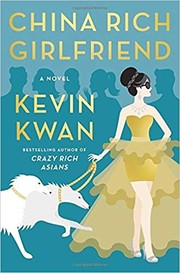
China Rich Girlfriend
Rachel Chu meets her birth father and enters Shanghai high society while Nick, Astrid, and Eleanor face weddings, money, and old family claims.
2,861-word summary · 13 min read
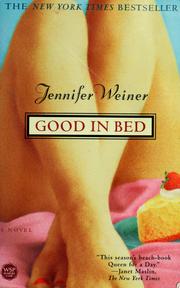
Good in Bed
Dumped in print by her ex, reporter Cannie Shapiro faces pregnancy, family mess and a fresh start in Philadelphia.
2,713-word summary · 12 min read
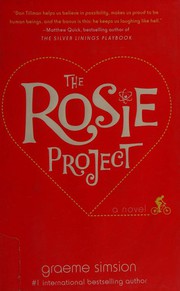
The Rosie Project
Melbourne genetics professor Don Tillman launches the Wife Project to find a partner by questionnaire, then meets chaotic Rosie Jarman and agrees to help her…
2,780-word summary · 12 min read

Crazy Rich Asians
Rachel Chu flies to Singapore with Nick Young and learns his family is not just rich but dynasty rich, with mothers, aunties, and weddings testing every bond.
2,117-word summary · 9 min read

What Happened to Goodbye
Mclean has reinvented herself in four towns since her parents divorced. In Lakeview she uses her real name, and for the first time staying put becomes a choice.
2,796-word summary · 12 min read

The Japanese Lover
A Polish refugee and the son of a Japanese gardener fall in love in San Francisco in 1939, then keep the affair secret for nearly seventy years.
2,286-word summary · 10 min read

The Shadow Sister
Star D'Apliese steps out of her sister's shadow and follows a bookshop clue into the Edwardian life of Flora MacNichol, a woman who gave up love for duty.
2,260-word summary · 10 min read
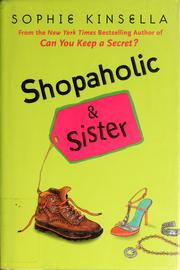
Shopaholic and Sister
Becky Brandon returns from a ten-month honeymoon to meet the half-sister she always wanted, then discovers that Jess is thrifty, prickly, and nothing like the…
2,591-word summary · 12 min read

Ricochet
Lily Calloway tries to stay celibate for ninety days while Loren is in rehab, leaning on Rose, Connor, and Ryke as therapy forces her to face her childhood.
2,575-word summary · 11 min read
Under Locke
Iris Taylor moves to Austin broke and wary, takes a front-desk job at a tattoo shop, and spends the book learning that Dex Locke’s blunt cruelty and unexpected…
2,591-word summary · 12 min read

Act Your Age, Eve Brown
Eve Brown crashes into a Lake District bed and breakfast, breaks the owner's arm, and talks her way into his kitchen. A grumpy-sunshine romance about work,…
2,474-word summary · 11 min read
The Rumor
Two Nantucket best friends, Madeline and Grace, watch a summer of small indiscretions get retold into gossip that reshapes both their households.
2,017-word summary · 9 min read

George's Marvellous Medicine
George stirs a brew of dozens of household chemicals and gives it to his grumpy grandmother, and the medicine works far better than anyone planned.
2,014-word summary · 9 min read

Two by Two
Sparks's twentieth novel turns from first love to a marriage breaking up: Russell Green loses his wife and his job, then rebuilds his life around his…
2,192-word summary · 10 min read
Between Sisters
Estranged sisters Meghann and Claire reunite in Washington when Claire announces a rushed wedding, then face their mother's desertion and a medical crisis.
2,467-word summary · 11 min read

At First Sight
Jeremy and Lexie are married and expecting a baby when anonymous emails tell him the child may not be his.
2,317-word summary · 10 min read

2 States: The Story of My Marriage
A Punjabi boy from Delhi and a Tamil Brahmin girl from Chennai meet at IIM Ahmedabad, and turn a love marriage into a campaign to convince two families.
2,634-word summary · 12 min read

Where We Belong
Marian's orderly New York life cracks when the daughter she gave up for adoption arrives, and the search for the father forces her to tell the truth.
2,056-word summary · 9 min read

What the Wind Knows
Annie scatters her grandfather's ashes on Lough Gill and is pulled into 1921 Ireland, where she becomes the missing Anne Gallagher and falls for Dr. Thomas…
2,056-word summary · 9 min read
Wedding Night
Lottie marries an old flame days after a breakup, then flies to a Greek island while her sister quietly works to sabotage the honeymoon. A farce about memory,…
2,213-word summary · 10 min read

This Is How You Lose Her
Yunior cycles through love affairs and betrayals in nine linked stories, tracing the damage he does and the family history behind it.
2,195-word summary · 10 min read

The Second Summer of the Sisterhood
Four friends share the traveling pants through a summer of grandmothers, first loves, and mothers who are learning to let go.
2,209-word summary · 10 min read
The Overdue Life of Amy Byler
A burned-out school librarian gets a summer to herself when her estranged husband returns, and discovers that being a mother does not have to mean losing…
2,055-word summary · 9 min read