
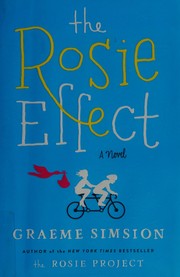
The Rosie Effect
2,869-word summary 13 min read 344 pages in the book
- First published
- 2014
- Publisher
- Simon & Schuster
- Pages
- 344
- ISBN
- 9781476767314
- Series
- Don Tillman (#2)
Reading options
What's inside (8 sections)
I came back to Don Tillman because the first book left me in a good mood and I was curious if marriage would settle him. It does not, which is the point. First published in 2014 by Simon and Schuster, this 344 page novel picks up about ten months after the wedding and moves Don and Rosie from Melbourne to New York. I read it over a few nights, sometimes laughing, sometimes wanting to tell Don to put down the spreadsheet and ask his wife how she slept.
Don is still Don. Associate professor at Columbia now, still timing things, still eating on rotation when he can, still saying the blunt thing in the quiet room. Rosie is working toward a medical degree while she finishes her psychology PhD, which sounds like a lot because it is a lot. She is tired before the main news even lands. Then she tells Don she is pregnant.
Her announcement does not go well. Don panics and leaves the room instead of answering. He later calls the baby Bud, for baby under development, which tells you how he copes. He turns feelings into labels and research plans. Rosie gives him two rules that make sense for her. Do not stress her out. Do not lecture her about the biology of pregnancy. He agrees and then breaks both in spirit almost right away, not from malice but from fear. He is scared he will be a bad father and he tries to fix fear with data.
That fear gets a voice early. At a lunch with new friends, Lydia, a social worker, tells Don after a short exchange that he should do the world a favor and not have kids. It is a cruel line to drop on someone, and Don carries it for the whole book. I kept thinking about that scene while reading the rest. He adores Rosie. He wants the kid. He also believes a stranger might have seen something true about him. So he decides to prove he can learn fatherhood the way he learned everything else, by study and practice, with help from the worst possible coach.
New York life and two rules for the pregnancy
The move matters. Melbourne suited Don because he knew the trams and the quiet corridors and where to buy the right breakfast. New York is loud and crowded and full of small negotiations he cannot script. He has a Columbia post, which gives him status but also new politics. Rosie has classes and thesis statistics she hates and a body that starts changing while she is trying to keep up with school.
Don means to help. He reads about nutrition and strollers and cortisol and oxytocin and tells Rosie at the wrong moments. She does not want a lecture on risk while she is trying to eat dinner. She wants him to notice she is tired and sit with her. He keeps missing that difference.
Part of the problem is time. Don fills his week with other jobs while Rosie drifts to the spare room to sleep. He tends a refrigeration setup, he tries to repair Gene and Claudia from afar, he picks up shifts behind a bar with Rosie for extra cash, he joins a university research project. All of it feels useful to him. To Rosie it looks like he will study anything except her.
I found this stretch believable in an uncomfortable way. New parents often talk past each other like this. One wants facts, the other wants company. Simsion lets both look reasonable and both look stubborn. Rosie chose to get pregnant without a long talk first, which she admits later, and Don never quite says out loud that he is happy because he is afraid saying it wrong will count as a lie. They love each other and still manage to make home feel lonely. That part rang true to me, even when the plot around it got silly.
Gene arrives with bags and advice
Gene Libman, Don's old friend and former mentor, shows up after Claudia throws him out for cheating. Don has already told him he can stay, before checking with Rosie, which is a classic Don error. Honest, loyal, socially blind. Gene moves in and takes up a lot of air.
Gene in this book is sadder than in the first one. He still talks big about women and signals and evolution. He still gives Don tips that sound confident and work badly. But his marriage is actually ending. Claudia, a psychologist and the steadier half of that pair, stays in Melbourne and starts seeing someone else. Gene keeps calling his kids and missing the point with them. He tells Don one night that he has slept with far fewer women than he pretends, which made me pause. The bragging was armor. Under it is a man who wants to be liked and who keeps choosing the move that makes him less likable.
Housing gets solved in a very Don way. Through Dave, a friend with baseball opinions and money trouble, Don meets George, who owns an apartment with a spare three bedroom unit below his. George uses part of it as a beer cooler and hires Don to watch the temperature. Don, Rosie and Gene move in rent free. Don turns one bathroom into an office and starts charting Bud's growth on the tiles week by week so he can track development without lecturing Rosie. Clever workaround. Also you live with a low hum and the smell of beer and a band practicing nearby. Rosie hates some of it and tolerates some of it because rent in New York is rent in New York.
Dave and his wife Sonia matter more than they first seem. They are pregnant too, through IVF with donor sperm, and Sonia is an accountant with a sharp eye. Sonia likes Don and sees past the bluntness. Dave worries quietly about bonding with a child that is not genetically his, which gives Don something to chew on about what father means. Blood or care. Don has argued about this before, back when Rosie was looking for her biological father, and now the question comes back with weight.
Work at the bar adds trouble. Don is good at remembering cocktail formulas and bad at reading when to stop talking. Patrons start treating him like a party trick. Someone compares him to a film character to his face. Later Don refuses to serve a woman he believes is pregnant, meaning well and handling it badly, and he and Rosie both get fired. I winced through those pages. He follows a rule where a little tact would do.
The playground arrest and the social worker who decides early
The most farcical part starts with decent advice. Gene tells Don to watch kids at a playground to learn what small children do. Don goes, notebook in mind, no child of his own in sight, and films with his phone to study later. Of course parents stare. Of course police get called. When officers try to pat him down, Don pulls away because he hates being touched by strangers, which they read as aggression. He gets arrested.
Police soon see he is not a threat, but procedure sends him for a mental health check. That is how Lydia reenters, now as his evaluator. She already dislikes him from that lunch where he asked direct questions and ordered fish she saw as unsustainable. She tells him plainly that he lacks warmth for parenting. Don, terrified that stress will harm Rosie and that an official record will brand him unfit, hides the arrest from his wife.
Then he does something stupid and very human. He asks Sonia to pretend to be Rosie for the follow up meeting so Lydia will see a calm couple and sign off. Sonia agrees because she is loyal and because she thinks the system is misreading Don. The lie works for a minute and then poisons everything. Lydia stays unconvinced. Don now has a secret on top of fear, and secrets in a marriage under strain never stay small.
I have mixed feelings about Lydia as a character. On one hand her bias drives the plot and forces Don to ask if he can read Rosie well enough to keep her safe. On the other she can feel like a device, the stern official who dislikes the odd man and keeps popping up. Her backstory, when it comes, softens her without excusing the early judgment. She once lost a patient to postpartum psychosis, a mother who harmed her infant and then died, while the husband noticed nothing. That loss left her alert to distant partners. It explains why she watches Don so hard. It does not make her fair to him, and the book knows that. I wished Simsion had given her one ordinary scene outside the evaluation role so she felt less like a hurdle.
Learning to father by research and mishap
Don's preparation montage is where the comedy and the ache mix. Columbia assigns him to a project on caregiving, focused on lesbian mothers and how male and female caregivers tend to play and soothe in different patterns. Don throws himself in, hoping for rules he can copy. The dean likes his persistence. Rosie does not want to hear another summary at dinner. I get her side. Imagine writing exams while your husband reports findings about stimulation styles like a weather update.
He also joins a Good Fathers group and manages to scare people by mentioning martial arts training before anyone knows he would never hurt a child. He takes Dave, Gene and George to watch a cow give birth, thinking live birth will teach calm. It teaches mostly that cows are large and birth is messy. He builds a crib designed to block sound and it looks, to everyone else, like a small coffin. Friends stare. Rosie stares. He cannot see why, because in his head less noise means more sleep means less stress for the mother. Logic again, care underneath, delivery all wrong.
Smaller misses pile up. He misses the first ultrasound. He talks too much at a prenatal class and Rosie feels shown up in front of strangers. He draws that tile chart with care and forgets to ask Rosie if seeing development mapped on a bathroom wall comforts her or freaks her out. He means each act as love. She receives some as pressure.
What saves these chapters from being pure slapstick is that Don does help people when he stops performing help. He untangles Dave's business books with Sonia and finds more than fifty thousand dollars owed, which might save Dave and Sonia's marriage finances. He listens to George about his son. He sits with data when friends confess fears about donor conception and affairs and addiction. He is steady in a crisis in a way chatty people sometimes are not. Simsion is good at showing that split. The man who cannot make small talk can keep his head when a situation turns urgent. I believed that contrast more than some of the bigger set pieces.
Still, the middle sags a little for me. One mishap follows another and Rosie starts to blur at the edges. We get her tiredness and her thesis dread and her embarrassment, but fewer scenes where she gets to be funny or sharp on her own terms. A lot comes through Don's filter. He notes what she eats and when she sleeps and whether she smiles, which is sweet and also limiting. I wanted one chapter anchored in her head, even a short one, to balance the bathroom tile view of her pregnancy.
Rosie steps back and makes a spreadsheet
By the later third Rosie is sleeping in her study and talking more to Stefan, a PhD colleague who helps with stats where Don cannot help without lecturing. It is not an affair, though Don's brain goes there for a painful stretch. It is Rosie finding help that does not come with a manual. Stefan explains. Don instructs. That difference matters when you are pregnant and behind on work.
Claudia reads the distance from far away with professional clarity. She suggests Rosie might be repeating an old pattern, raised by Phil after doubt about her biological father, now imagining raising a child alone rather than risking disappointment. Gene says something similar in blunter terms. Maybe. It felt a bit neat to me, turning Rosie's choice into a case note. People also leave because the apartment smells like beer and their husband brings a soundproof box home and calls it a crib. Sometimes the plain reasons are enough.
Rosie does what Don would do. She makes a spreadsheet to decide if the marriage works and concludes it does not. She plans to fly back to Melbourne and have the baby there, with support from Phil and friends, without Don as a day to day father. She tells him there is someone else who loves her, meaning the baby, but Don hears rival and spirals. He moves out to stay with Dave and Sonia. The flat goes quiet. He watches a sentimental film with friends one night and can only think about the hole Rosie will leave in his routines and his days. That scene got me more than the bigger fights. No theory, just a man on a couch realizing the apartment will be too quiet.
Don tries a grand gesture and life interrupts, which is one of the better choices in the book. He books a fancy dinner to win Rosie back. On the way he meets a young man in distress who turns out to be George's son, deep in addiction and talking in ways that scare Don. Don skips the dinner, stays with him, finds George, gets father to son in the same room. It costs him the evening with Rosie. He chooses the urgent stranger over his own plan. I admired that. It shows growth without a speech about growth.
Criticism belongs here too. Gene overstays his welcome for me in this stretch. The jokes about his love life repeat and start to drag focus from Don and Rosie when the marriage needs the pages. A few farcical turns ask a lot of patience, especially anything involving officials and mix ups at airports. If you loved the first book for its warmth and forgave its neatness, you will likely forgive this one too. If you wanted messier truth about pregnancy, money, thesis pressure and being foreign in a hard city, you may feel the book skates past. It borrows serious topics and then hurries to the next comic set piece.
A flight that turns back and a party that turns the tide
The end runs on two big swings. First the airport. Don buys a ticket to get on Rosie's flight to Melbourne, no bags, nervous, evasive when asked plain questions, trying to stay near her after she said go. Security flags him. The plane turns back on suspicion about luggage and intent. It is played for laughs and panic at once, and it works as farce if you do not poke it. Poke it and the logic wobbles. I went along because Don's desperation felt real even if the procedure felt stretched.
Then the Columbia party. Gene insists they go. Rosie sees footage of Don with an infant during his caregiving research, gentle and attentive in a way she had not seen, all focus and soft hands. She sees the tile diagram too, not as a weird bathroom chart but as weeks of attention he did not know how to voice. Friends gather back at the apartment. Someone tallies how Don helped each of them, Dave's books, George and his son, Gene's kids, Sonia through a scary labor where Don and Rosie together hold steady until paramedics arrive. Lydia is there for part of it and finally says out loud what shaped her view, the patient she lost and why a checked out partner scares her more than an awkward one. She admits she judged too fast. It does not fix everything, but it lowers the temperature.
Rosie decides to stay. They fly to Melbourne for the birth. Their son is named Hudson. The last pages are tender without pretending the hard parts vanish. Don will still be blunt. Rosie will still be tired. Gene and Claudia will still be complicated. What shifts is that Don starts asking before fixing, at least more often, and Rosie lets him back into the stats and the night feeds and the fear.
Would I press this sequel on a friend the way I pressed the first book. With a caveat. Read it for Don trying so hard it hurts, for Sonia stealing scenes with dry loyalty, for George and the beer cooler that somehow becomes a home, for the bathroom tiles that map love as data. Expect farce around the edges and a middle where Rosie deserves more room. I closed it fond of them again, Bud and all, and glad the series lets this odd, loyal man keep learning in public.
FAQ
Is The Rosie Effect part of a series?
Yes. It is book 2 in the Don Tillman series by Graeme Simsion, published in 2014 by Simon & Schuster. It follows The Rosie Project and can be read alone, but it pays off more after book 1.
Do Don and Rosie stay together?
They nearly split when Rosie plans to return to Melbourne to have the baby alone. After Don skips a dinner to help George's son, steadies Sonia in labor and faces Lydia honestly, Rosie sees his care and stays.
Why does social worker Lydia judge Don so harshly?
Lydia meets Don at a lunch, then evaluates him after the playground arrest and doubts his warmth. She later admits a past case of postpartum psychosis made her fear distant partners, which biased her against him.
Similar books
More from Don Tillman first, then related titles.
The Rosie Project
Melbourne genetics professor Don Tillman launches the Wife Project to find a partner by questionnaire, then meets chaotic Rosie Jarman and agrees to help her…
2,780-word summary · 12 min read
Shopaholic and Sister
Becky Brandon returns from a ten-month honeymoon to meet the half-sister she always wanted, then discovers that Jess is thrifty, prickly, and nothing like the…
2,591-word summary · 12 min read

Marriage for One
Rose marries a cold lawyer to save her coffee shop, then discovers the arrangement was never only business.
2,032-word summary · 9 min read

Bridget Jones: The Edge of Reason
Bridget doubts Mark, takes a job with Daniel, and lands in trouble in Thailand.
2,198-word summary · 10 min read
Shopaholic Ties the Knot
Becky Bloomwood plans two weddings at once while debts pile up and Luke's mother interferes.
2,218-word summary · 10 min read

Playing for Keeps
Childhood neighbors Haley and Jason turn a long prank war into a fake relationship that turns real.
2,571-word summary · 11 min read

Hello Stranger
Portrait artist Sadie loses face recognition after brain surgery and must finish a contest piece while falling for two men.
2,210-word summary · 10 min read

Tangled
Told by a cocky businessman, a bet to win the new associate who rejects him turns into real pursuit, strict rules, a painful reveal and a wedding-level happy…
2,868-word summary · 13 min read

The Re-Do List
After a public breakup, Willow Lewis redoes her romantic firsts with her brother's best friend while dog-sitting in Des Moines.
2,390-word summary · 11 min read

Catch Her If You Can
Yankees catcher Madden proposes a secret marriage of convenience to burlesque club owner Eve when two kids land on her doorstep.
2,187-word summary · 10 min read

The Wedding
Wilson Lewis courts his own wife again with Noah's help as daughter Anna plans her wedding.
2,076-word summary · 9 min read
Landline
A TV writer left alone at Christmas finds her mom's old phone reaches her husband in 1998, before they married.
3,042-word summary · 14 min read
Josh and Hazel's Guide to Not Dating
Quirky teacher Hazel and steady Josh set each other up on awful double dates in Portland while insisting they are just friends.
2,854-word summary · 13 min read

Wallbanger
Caroline battles thin walls and a charming playboy neighbor in San Francisco, then falls for him.
1,947-word summary · 9 min read
The Soulmate Equation
Statistician Jess matches a genetics grump at top score ever, then tests dating by data.
2,006-word summary · 9 min read

The Flatshare
Two strangers share one bed on opposite shifts and fall in love through notes left around the flat.
2,793-word summary · 12 min read
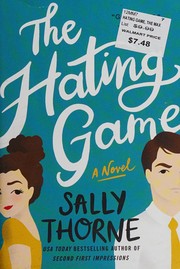
The Hating Game
Two executive assistants share an office, a rivalry, and a promotion neither will concede without a fight.
1,945-word summary · 9 min read
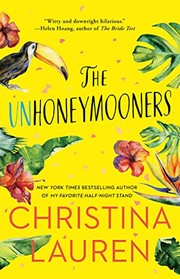
The Unhoneymooners
Olive Torres takes her sister's Hawaii honeymoon with enemy Ethan Thomas after food poisoning ruins the wedding.
2,864-word summary · 13 min read

Fifty Shades Freed
Married Ana and Christian face Hyde, Elena and a pregnancy neither planned.
3,213-word summary · 14 min read
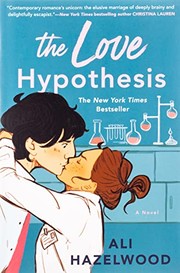
The Love Hypothesis
Love Hypothesis retold: Olive fakes dating Adam, lab hijinks, consent talks, Boston fall.
2,009-word summary · 9 min read

What Happened to Goodbye
Mclean has reinvented herself in four towns since her parents divorced. In Lakeview she uses her real name, and for the first time staying put becomes a choice.
2,796-word summary · 12 min read

Size 12 Is Not Fat
Former teen pop star Heather Wells investigates two dorm elevator deaths while juggling her ex, her crush, and a size-12 wardrobe.
2,805-word summary · 12 min read
Alone With You in the Ether
Two people in Chicago agree to six conversations, and the experiment becomes a love affair that is also a study of bipolar disorder, obsession, and the shape…
2,713-word summary · 12 min read

Dumplin'
Willowdean Dickson enters her town's beauty pageant as a protest and discovers that confidence is harder to keep once she lets someone close.
1,922-word summary · 9 min read

Devil in Winter
A shy heiress with a stammer proposes a marriage of convenience to London's most notorious rake, then makes him prove he can be faithful.
2,548-word summary · 11 min read

Sam's Letters to Jennifer
A grieving journalist reads her grandmother's letters and finds a decades-long love affair that changes how she sees her family.
2,310-word summary · 10 min read
Mr. Maybe
Libby Mason wants a rich husband, but the wealthy man who proposes is dull and the broke writer she cannot forget is not offering forever.
2,322-word summary · 10 min read

I Kissed Shara Wheeler
Shara Wheeler kisses her rival Chloe Green at prom and disappears, leaving a scavenger hunt that forces Chloe to rethink everything she knew about her.
2,083-word summary · 9 min read

Amy & Roger's Epic Detour
Amy Curry has not driven since the crash that killed her father. With Roger at the wheel and a box of maps between them, a cross-country trip becomes a slow…
3,034-word summary · 13 min read