
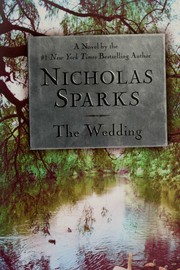
The Wedding
2,076-word summary 9 min read 263 pages in the book
- First published
- 2003
- Publisher
- Warner Books
- Pages
- 263
- ISBN
- 9780446532457
- Series
- The Notebook (#2)
Reading options
What's inside (10 sections)
I read The Wedding because I wondered if a sequel to The Notebook could earn its place. Nicholas Sparks published it in 2003 with Warner Books. My reading follows the 263 page hardcover. It follows Wilson Lewis, married thirty years to Jane, daughter of Noah and Allie Calhoun, as he tries to win her back. It is sweet, sentimental, and more thoughtful about marriage than its reputation suggests.
Wilson is a methodical attorney in New Bern, North Carolina. He provides, plans, and forgets to feel aloud. Jane, warm and capable, has fallen out of love with him through innocent neglect, not betrayal. Their children are grown. Their daughter Anna is engaged. Their home is comfortable and quiet in the wrong way. Wilson realizes on an anniversary he forgot that love needs tending like law needs research.
Learning from Noah
Noah Calhoun, now old and in a retirement home, guides Wilson. Allie has died. Noah spends days feeding a swan he believes holds her spirit. He tells Wilson stories about courting Allie, about letters, porches, and persistence. Those stories, familiar to Notebook readers, gain new shade here. Young passion is easy to admire. Old devotion is harder and better.
Wilson, being methodical, creates a yearlong plan. Romantic notes. Surprise trips. Learning Jane's current tastes rather than assuming old ones. He seeks Noah's advice weekly, bringing questions like a student. How did you apologize. How did you keep surprise. Noah answers with specifics, not maxims. Bring her favorite food without asking. Listen longer than comfortable. Write it down if you must, but say it aloud.
What I liked is that Wilson fails often. He books a restaurant Jane dislikes. He buys jewelry she finds flashy. He plans a grand gesture that rains out. Those failures teach him to ask rather than assume. A scene where he finally asks Jane what she wants for an ordinary Saturday, and listens without fixing, marks real change. Marriage as research, not performance.
Anna's wedding provides deadline and mirror. As Anna and her fiance plan vows, Wilson and Jane remember their own. Anna notices her parents' distance and worries marriage means fading. Wilson wants to prove otherwise. That intergenerational pressure gives the book stakes beyond one couple. What example are we.
Jane and the long marriage
Jane is drawn with more interiority than Sparks heroines sometimes get. She loves Wilson but feels unseen. She raised children, managed a home, supported his career, and lost herself in tasks. She does not hate him. She aches. A chapter where she tells a friend she feels like a reliable employee rather than wife hurts precisely because it is calm, not screaming.
Her perspective shifts late, which some readers may find slow. We stay mostly with Wilson's earnest fumbling. When Jane finally speaks plainly about loneliness, about wanting to be courted not managed, the book lifts. Her speech is not cruel. It is clear. I need words. I need time. I need you to know my day. Those simple needs, unmet for years, explain how good marriages drift.
Noah's grief parallels. He lost Allie after fifty years and continues rituals. Feeding the swan. Reading letters. Sitting on a bench. Some will find the swan belief sentimental. I found it humane. Ritual keeps love after death. Wilson learns that ritual before death keeps love alive. Visit. Call. Touch. Those verbs matter more than nouns like ring or trip.
The twist at the end, which I will not spoil, reframes who pursued whom and what Jane knew. It is gasp inducing as PW noted, and it risks melodrama. On reread it feels planted fairly through small clues about dates and gifts. Whether you buy it will decide your final tear. I bought it because it honored Jane's agency rather than making her passive prize.
Anna's wedding as mirror
Anna's engagement gives the book its clock and its mirror. As Anna plans vows, flowers, and seating, Wilson watches a young couple make promises he fumbled. He helps with costs and logistics, hoping competence proves love. Anna, perceptive and busy, sees through efficiency to distance. She asks her father pointed questions about her mother. Do you know her favorite song now. When did you last surprise her. Those questions sting because Wilson can not answer.
Her fiance, decent and a little blank, serves as contrast to young Noah. Where Noah wrote letters and built houses, this young man books venues and trusts planners. That is not failure. It is modern love with less flourish. Wilson worries the practicality mirrors his own. He lectures the boy about attention, which the boy receives kindly. Those scenes show Wilson learning to teach what he practices late. Advice becomes accountability.
Jane watches her daughter with mixed joy and envy. She is happy Anna is loved and sad she herself feels unloved at the same table where toasts praise lasting marriage. A dress fitting scene where mother and daughter stand mirrored captures it. Same eyes. Different hopes. Jane tells Anna to demand tenderness early, not after thirty years. That counsel, given while pinning a hem, is the book's most feminist moment though quiet. Do not wait like I did.
The wedding day itself, with river light and swans, works as set piece without overshadowing the older couple. Vows echo. Noah cries. Wilson holds Jane's hand with new awareness of weight. Anna throws flowers that Jane catches, laughing. Those beats could be corny and instead feel earned because Sparks staged a year of small efforts before. Joy lands on prepared ground.
Afterward, Anna leaves for honeymoon and calls home to thank parents for example, both good and mended. That call matters. Children notice repair, not just perfection. Wilson's year taught Anna that marriage needs work, a lesson better than any flawless model. Jane tells Anna she is proud and means it without ache for once. That clean pride signals healing more than any twist.
Noah's lessons in practice
Noah's advice deserves listing because it carries the book's craft. Write letters even if your hand shakes. Bring food without being asked. Ask about her day and remember yesterday's answer. Sit on porches without phones. Dance in kitchens. Those suggestions sound small and prove large when Wilson practices. A Tuesday dance to radio static does more than a planned trip to Paris that Jane finds tiring. Scale down to love better. That lesson suits methodical men who think bigger means more.
His swan ritual, feeding a bird he believes holds Allie, could read as delusion. In context it reads as devotion with feathers. Noah knows the bird is not Allie in any literal sense the young would accept. He acts as if care continues because acting sustains him. Wilson learns to act similarly before loss. Feed the swan while she swims. Do not wait for absence to ritualize presence. That temporal shift, from mourning to maintenance, is the book's wisdom.
Friends and children watch Wilson change with amusement and relief. A colleague notes he leaves work on time. A son notes he calls without agenda. Jane's friends report she smiles more. Those external confirmations avoid making change only Wilson's claim. Love becomes visible in calendars and phone logs. That evidential approach suits a lawyer hero. Exhibit A, home by six. Exhibit B, remembered song. The case for love builds.
What finally convinces Jane is not one grand vow but accumulated proof plus a twist that reframes history kindly. I will not detail it, but it involves dates, gifts, and Noah's quiet collusion. Some readers will call it manipulation. I read it as collaboration across generations to heal a good marriage gone dull. Intent matters. Wilson intends delight, not control. Jane receives it as such because groundwork of listening preceded surprise. Surprise without listening would have failed. With it, surprise sings.
Ordinary Saturdays
What I kept thinking after was the book's praise of ordinary days. Not weddings or trips, but Saturdays with errands, cooking, and walks. Wilson learns to ask about grocery lists with interest. To fold laundry while listening. To sit on porches without planning. Those unglamorous hours hold marriages more than anniversaries. Sparks, often accused of grand gestures, here argues for small ones repeated. That argument convinced me more than any prior novel of his.
Jane's growth mirrors Wilson's in quieter key. She learns to state needs before resentment hardens. To say I want company on a walk rather than sighing alone. To accept imperfect efforts without grading. A scene where she thanks Wilson for a mediocre dinner he cooked with care shows grace. It was not good. It was loved. Those distinctions keep long love alive. Perfection is not required. Attention is.
For readers in long relationships, the book works as gentle audit. When did you last ask about your partner's day and remember yesterday. What ritual died from busyness. What small surprise would delight this week. Those questions, asked without shame, can restart. Wilson's year-long plan is extreme. A week-long try suffices to start. That practical takeaway gives the novel use beyond tears. Read, then do one kind thing differently.
A sequel that justifies itself
Sequels to beloved romances often fail by replaying youth with older actors. This one works because it changes question. The Notebook asked can love start against odds. The Wedding asks can love last through comfort. That shift suits readers who aged with Sparks from teens to parents. Wilson is not Noah young. He is Noah's student, slower and more methodical, learning at an age when habits harden. His year of dating his own wife feels both comic and brave. A grown man taking notes on his wife's coffee order is funny until you realize no one taught him to notice. Then it is moving. At 263 pages the book does not overstay. It makes its case for practice and leaves room for readers to practice themselves. That restraint is its grace.
What warms and what cloy
What warms is sincerity about maintenance. Sparks argues love is not feeling but practice. Dates. Notes. Apologies. Memory. That message, unfashionable in stories that prize spark, suits long married readers and young ones who need it early. New Bern details, rivers, porches, swans, give texture. Noah's maxims, sparing and specific, avoid preaching by staying in story.
What cloys is polish. Everyone is handsome, houses are lovely, meals are tasty. Conflict stays soft. Wilson's neglect is innocent, Jane's pain is patient, Anna's doubts resolve neatly. Readers who want friction about money, illness, or infidelity will find it tame. Sparks chooses sweet over sour. That choice comforts many and bores some.
The prose is plain, short sentences, dialogue heavy, with letters and memories inset. It reads fast. That speed suits sentiment but thinly renders side characters. Anna's fiance is decent and blank. Friends offer advice and vanish. Those thinnesses keep focus on Wilson and Jane, which is fine for 263 pages but leaves world small.
Length suits the tale. No bloat. The yearlong plan could have used more months shown, but montage works. The final wedding scene, with vows echoing old and new couples, earns its tears without trickery beyond the twist. I cried a little and do not apologize.
Who should attend
If you loved The Notebook, this sequel will feel like visiting family after years. Noah older, wiser, and grieving. New Bern unchanged in river light. The Calhoun porch still holding stories. Sparks wrote it because readers asked for years what happened next, and he answered with a different couple facing a quieter test. That answer respects the original without copying it. Young love ran. Old love stays. Both need courage. Bring tissues and someone to hold hands with during the last chapters.
Give The Wedding to Notebook fans who want Noah and Allie's legacy, to married readers who like gentle reminders, to romance readers who prefer sweet over steamy. It suits anniversaries, quiet weekends, and book clubs that like feelings talk. Do not give it to readers who need grit or cynicism. Pair it with The Notebook for full arc, or stand alone with brief recap that suffices.
At 263 pages I read it in two evenings, thinking about my own neglected rituals. Wilson starts forgetting anniversaries and ends planning ordinary Saturdays with attention, choosing to court a wife he already has. That choice, unglamorous and repeated, is the whole lesson. Love that lasts is love practiced. Sparks tells that plainly, and for once plain is enough.
FAQ
When was The Wedding published?
Warner Books published it in 2003. The hardcover runs 263 pages and the ISBN is 9780446532457.
Is it a sequel to The Notebook?
Yes. It is book two of The Notebook, following Noah and Allie's daughter Jane and her husband Wilson.
Similar books
More from The Notebook first, then related titles.
The Notebook
The Notebook retold: Noah reads to Allie in a nursing home, summer love in New Bern, letters and choice.
1,957-word summary · 9 min read
The Rescue
Volunteer fireman Taylor finds a crashed mother and son in a storm, then falls for them both.
1,939-word summary · 9 min read
Dear John
A soldier and a student trade letters through war until duty and waiting pull them apart.
2,138-word summary · 10 min read
Without Merit
Merit Voss feels invisible in a crowded converted church home until Sagan, Luck, and a painful night force the truth out.
3,300-word summary · 15 min read
It Ends with Us
It Ends with Us from Lily's flower shop to her marriage: alternating past and present, Ryle's cycles of violence, and why the ending refuses a clean romantic…
2,381-word summary · 11 min read

Two by Two
Sparks's twentieth novel turns from first love to a marriage breaking up: Russell Green loses his wife and his job, then rebuilds his life around his…
2,192-word summary · 10 min read

At First Sight
Jeremy and Lexie are married and expecting a baby when anonymous emails tell him the child may not be his.
2,317-word summary · 10 min read
The Longest Ride
A stranded widower relives his marriage while a Wake Forest student and a bull rider test new love in North Carolina.
2,488-word summary · 11 min read
The Choice
A settled Beaufort veterinarian falls for his taken neighbor, then faces an impossible hospital decision eleven years later.
2,150-word summary · 10 min read
The Last Song
Angry teen Ronnie spends a summer in Wilmington with her pianist father, finding first love, family repair, and loss.
2,761-word summary · 12 min read

What Happened to Goodbye
Mclean has reinvented herself in four towns since her parents divorced. In Lakeview she uses her real name, and for the first time staying put becomes a choice.
2,796-word summary · 12 min read

Sam's Letters to Jennifer
A grieving journalist reads her grandmother's letters and finds a decades-long love affair that changes how she sees her family.
2,310-word summary · 10 min read
Between Sisters
Estranged sisters Meghann and Claire reunite in Washington when Claire announces a rushed wedding, then face their mother's desertion and a medical crisis.
2,467-word summary · 11 min read

A Spool of Blue Thread
Four generations of the Whitshank family in Baltimore, and the silences, resentments and quiet love they hand down without ever saying so.
2,408-word summary · 11 min read

2 States: The Story of My Marriage
A Punjabi boy from Delhi and a Tamil Brahmin girl from Chennai meet at IIM Ahmedabad, and turn a love marriage into a campaign to convince two families.
2,634-word summary · 12 min read
Marriage for One
Rose marries a cold lawyer to save her coffee shop, then discovers the arrangement was never only business.
2,032-word summary · 9 min read
How to Walk Away
Margaret Jacobsen has the job, the fiance, and the future mapped out, until a small-plane crash on Valentine's Day takes almost all of it in one afternoon.
2,012-word summary · 9 min read
Dial A for Aunties
A wedding photographer accidentally kills her blind date, and her mother and three aunties help her hide the body during the biggest wedding of their careers.
2,076-word summary · 9 min read
True Colors
Three Grey sisters split over love and duty after their father judges them.
2,596-word summary · 12 min read
The Identicals
Twin sisters swap Nantucket and Martha Vineyard lives for a summer.
2,556-word summary · 11 min read

Collided
Sophie bets she can resist playboy Liam, then pit walls fall.
2,219-word summary · 10 min read
Heart of the Matter
Two Boston mothers collide after a burn injury puts a single mom in the orbit of another woman's surgeon husband.
2,585-word summary · 11 min read

The Deep End of the Ocean
A three year old vanishes at a Chicago hotel reunion, and nine years later the Cappadoras must face his return as a teen raised by someone else while grief…
2,951-word summary · 13 min read
Captivated by You
Eva and Gideon hide a secret Caribbean marriage while planning a Monterey wedding as Gideon arrest, press threats, and Corinne strain test them in Crossfire…
3,016-word summary · 13 min read
The Statistical Probability of Love at First Sight
Hadley misses a flight, meets Oliver to London, and faces her father wedding in one day.
2,002-word summary · 9 min read
The Switch
A burned-out consultant and her 79-year-old grandmother swap London and Yorkshire homes for two months, facing grief, dating apps, and village politics.
2,782-word summary · 12 min read
The Rosie Effect
Married in New York, Don Tillman turns Rosie's pregnancy into research and nearly loses her, until a crisis forces him to listen.
2,869-word summary · 13 min read
After Ever Happy
Tessa and Hardin face family truths and tragedy before wedding.
2,373-word summary · 11 min read
A Spark of Light
A gunman takes a Mississippi abortion clinic hostage as a negotiator finds his own daughter inside.
2,486-word summary · 11 min read
The Silver Linings Playbook
A man leaves a mental facility sure his wife waits, then dance practice and hard truths reshape him.
2,981-word summary · 13 min read