
Reading options
What's inside (10 sections)
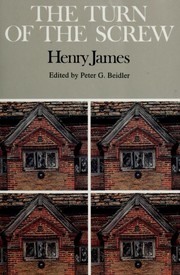
I finally read The Turn of the Screw because every ghost list includes it and no one agrees what happens. Henry James published it in 1898, serialized in Collier's then in book form. My reading follows the 313 page Bedford Cultural Edition from 1994 with context and criticism. A governess sees ghosts at Bly, or thinks she does, while two children glow with possible corruption. It is the most famous ambiguous ghost story in English, and it earned the fame.
A man named Douglas reads a manuscript to friends at Christmas. Written by a governess, now dead, it tells how a Harley Street bachelor hired her to care for his orphaned nephew Miles and niece Flora at Bly, with one condition. Never bother him. She arrives to beauty. Lawns, lakes, and charming children. Mrs. Grose the housekeeper welcomes. Then a figure on the tower. A face at the window. A woman by the lake. The governess learns from Mrs. Grose about Peter Quint, the master's dead valet, and Miss Jessel, the dead former governess, and becomes certain the children commune with them.
What she sees
James stages apparitions with crafted uncertainty. The governess describes Quint's red hair and Jessel's black dress in detail Mrs. Grose confirms, which suggests knowledge she should not have. Or Mrs. Grose leads her there with gasps. Flora plays by water while a figure stands opposite. Miles stares at things the governess can not see, or performs for her panic. Each scene admits two readings. Ghosts walk. Or a repressed young woman projects desire and fear onto innocents. James, master of centers of consciousness, never steps outside her head to settle it. We see what she sees, which is the problem.
Miles's school expulsion shadows everything. Sent home for unnamed badness the headmaster will not specify, Miles charms while hiding. The governess presses. Mrs. Grose deflects. Readers fill the blank with Victorian panic, theft, or precocious sexuality. James plants the letters and withholds contents with sadistic grace. What did the boy do. The answer never comes, which makes every later suspicion heavier. A child already judged corrupt invites ghosts, or invites projection. Both readings feed on the same withheld page.
Flora's half of the story breaks first. Taken to the lake, confronted about Miss Jessel, the little girl erupts in coarse language shocking from a child, or shocking to a governess who needs innocence performed. Mrs. Grose spirits Flora to London while the governess remains with Miles. That split isolates the final confrontation. Woman, boy, and whatever walks. The lake scene divides critics cleanly. Proof of possession, say literalists. Proof the governess terrified a child into mimicking coarseness she overheard, say skeptics. James wrote both doors and locked neither.
The final night
The last chapters tighten like screws, as the title promises. Alone with Miles, the governess demands confessions about Quint, Jessel, school, and stolen moments. Miles dodges with wit that reads as either possessed cunning or a clever boy managing an unstable adult. Storms knock. Candles gutter. The figure appears at the window, or the governess believes it does, and she shields Miles while demanding he name what he sees. He cries out for Jessel's name. Or for help. Then his little heart stops. Dispossessed, the governess says, holding him. Readers close the book arguing about who killed him. Fright. Ghosts. Smothering. James offers the embrace and the corpse. Nothing else.
That ending's power comes from syntax as much as plot. Long circling sentences that approach and retreat. Dashes. Qualifications. Words like apparition, visitation, and corruption deployed without stable referents. The Bedford edition's notes track how James revised toward ambiguity across versions, which rewards students. For general readers the effect is simpler and stronger. Dread without release. You finish certain and then, hours later, unsure what you were certain about. Few stories do that. This one patented it.
Mrs. Grose's role deserves emphasis because she enables both readings at once. Working class, warm, and out of depth, she confirms identifications the governess suggests, then retreats when consequences loom. Did she see Quint too, or agree to keep her place. Her illiteracy becomes plot point. She can not read the school letter. Knowledge flows through talk, with all talk's contamination. That mediation theme suits 1898 anxieties about servants, sex, and seeing. Who tells the house what it saw. Who writes it down. Douglas's manuscript is already third hand before we begin. Ghosts of transmission haunt as much as Quint.
Why it never settles
The critical history, sampled in the Bedford edition, shows a century of confident reversals. Early readers took ghosts literally. Mid century Freudians diagnosed the governess. Later scholars restored ghosts with queer and class lenses. Each school finds textual support because James built it in. Quint's detailed face. The children's strange maturity. The governess's desire for the master in town. All present. None decisive. That overdetermination is the achievement, not a flaw. A story that supports exclusive readings simultaneously is rarer than one that picks.
My own reading shifts with age. At twenty I saw ghosts and pitied children. At thirty I saw hysteria and pitied the governess. Now I see a system. Hired girl, isolated house, beautiful employer who forbids contact, children performing innocence for wages of affection. Anyone would hallucinate or accuse under that pressure. Ghosts may walk at Bly. Capital and gender surely do. The apparitions wear the faces of dead servants because the living ones are already invisible. That reading does not exclude spooks. It houses them.
What to do with Miles's death under each lens matters. Literalists mourn a boy freed too hard. Skeptics indict a woman who squeezed truth from a child until his heart gave. Both grieve. Neither consoles. James denies the comfort of blame settling in one place. The master who forbade bother escapes untouched in town. Mrs. Grose flees with Flora. Only the most vulnerable two remain for the final squeeze. That structural cruelty indicts regardless of ontology. Someone arranged this house to fail children. His name is on the lease, not in the lake.
Class, gender, and the lease
The story's social machinery deserves explicit attention because ghosts distract from it. A nameless young woman, educated but poor, takes charge of rich children for a bachelor who pays well and forbids contact. Her entire authority depends on pleasing an absent man through visible control of his property, including its heirs. Every decision she makes about Miles and Flora also auditions for the master's approval she craves. That eroticized employment warps judgment from the start. She sees what he would want her to see. Threats to his investments. Her vigilance is labor discipline wearing ghost paint.
Mrs. Grose embodies the servant economy that enables and limits the governess. Illiterate, warm, and terrified of losing place, she confirms whatever the lady suggests until confirmation turns dangerous. Then she takes Flora and runs to town, saving one child through the same obedience that endangered both. That contradiction is not character flaw. It is class position. Servants survive by agreeing until agreement kills. James, who observed English houses closely, writes her without condescension. She does what she can with what she is allowed to know. Which is little, by design, of men who own press and pulpit.
The children perform the innocence their market requires with chilling skill. Flora charms visitors. Miles dazzles teachers until expelled for mysteries. Both understand that adults pay for sweetness and punish knowledge. Whether they commune with Quint and Jessel or merely imitate adult behavior glimpsed through keyholes, their performances reveal the same truth. Victorian childhood is theater for wages of affection. The governess, herself performing competence for wages, polices their acting while perfecting her own. Bly is a playhouse where everyone knows the play except the audience. James lets readers sit in that audience uncomfortably. Applaud nothing. Watch everything.
Douglas and the Christmas telling
The frame narrative deserves attention because it shapes everything after. Douglas, holding a manuscript from a dead governess he loved, reads to friends who demand ghost stories for Christmas. That telling situation layers desire over text before page one of her account. He loved her. He waited years to share. His admiration primes listeners to trust her against emerging doubts. Remove the frame and the tale reads colder. Keep it and every apparition arrives wrapped in a man's devotion to a woman's words. Transmission as romance. Evidence as keepsake. James knew exactly what that wrapping does to judgment. He gift wraps unreliability in love.
The friends' reactions, briefly sketched, model readership across centuries. One wants terrors. One wants psychology. One falls asleep. Those responses predict criticism's split better than any preface. James plants his own reception inside the fiction, daring later schools to claim novelty. Freudians, formalists, and historicists all sit around that fire already, arguing politely. Recognizing ourselves in the circle should humble our certainties. We are not first to fight about Bly. We inherited the argument with the manuscript. Join it knowingly.
What the frame withholds matters equally. Douglas never explains how he got the papers or what the governess became after Bly. Those gaps mirror the tale's own withheld letters and unnamed sins. Stories arrive with provenance missing, like estate sale finds. Readers must decide how much absence to trust. That structural rhyme, frame gaps echoing tale gaps, shows James composing at full power. Every level leaks the same way. Truth drains through well placed holes. Bring your own pail or go thirsty.
Miles and the withheld letter
Miles's expulsion letter, summarized but never quoted, functions as the tale's black hole around which all orbits. Every suspicion about Quint, Jessel, and night wanderings gains mass from that unseen page. James, who knew narrative desire, placed the perfect absence at the center. Readers crave the letter more than any ghost because it promises institutional verdict on the boy. Schools judge with records. Ghosts only whisper. By withholding text, James forces judgment without evidence, mirroring exactly what the governess does to Miles nightly. We become her accomplices in condemning without reading. That trap is deliberate and cruel. Check your own verdicts.
The boy's final catechism under pressure replays the letter dynamic at lethal pitch. Name what you see. Confess what you did. The governess demands documents from a child who learned that documents damn. Miles dodges with desperate wit, protecting dead friends, living secrets, or simply privacy any ten year old deserves. Each evasion tightens her grip literally around his small body. The scene reads as interrogation whatever the metaphysics. Power demands confession. Powerlessness rations truth. That political clarity survives all critical fashions. Who gets to withhold from whom decides who lives. Miles, smallest in the house, withholds least successfully. The house wins.
Reading aloud and teaching
The tale rewards reading aloud because James's sentences conduct breath like music. Long approaches. Sudden stops. Qualifications that turn back on themselves. Try the tower apparition passage spoken to feel how syntax performs dread. Breath shortens where clauses pile. Relief never quite arrives where periods promise. Students who struggle silently often hear the design aloud first. Teachers should assign performance over summary. Speak Bly. Then argue what was said.
For classrooms the Bedford apparatus structures debate productively. Assign literalist, Freudian, and historicist excerpts alongside the tale, then stage trial of the governess with textual exhibits only. No outside verdicts allowed. Students discover quickly that evidence supports multiple convictions. That discovery teaches literary interpretation better than lectures on ambiguity. Texts do not confess. Readers prosecute and defend with passages as witnesses. Bly supplies endless exhibits. The screw turns each period.
Who should turn
Give The Turn of the Screw to horror readers who like dread over gore, to classics readers who enjoy sentences that think, to book clubs that relish unresolvable arguments. It suits winter nights and class discussions with the Bedford notes. Do not give it to readers needing clear ghosts or fast scares. Pair it with The Haunting of Hill House for ambiguity lineage, or with A Study in Scarlet for 1890s contrast in method.
At 313 pages in this edition with apparatus I read the tale in an evening and the criticism across a week. The governess starts hired to keep bother from town and ends holding a dead boy she calls dispossessed. That embrace, tender and terrible at once, is why the story turns in minds for over a century. Ghosts or mind, Bly keeps both. You will too.
FAQ
When was The Turn of the Screw published?
Serialized in Collier's and published in book form in 1898. This Bedford edition runs 313 pages and the ISBN is 9780312122607.
Is it part of a series?
No. It stands alone, though Douglas's Christmas frame invites endless critical sequels.
Who are Quint and Jessel?
Peter Quint and Miss Jessel, dead servants the governess says commune with Miles and Flora.
Similar books
The Broken Girls
A journalist revisits her sister's murder while a restored boarding school gives up a girl missing since 1950.
2,579-word summary · 11 min read
Later
Boy Jamie Conklin sees dead people who must answer truthfully, pulling him into NYPD cases and a drug crew's greed.
2,009-word summary · 9 min read
The Sun Down Motel
In 1982 Viv vanishes from a Fell motel desk; in 2017 niece Carly takes the same shift to find her.
2,150-word summary · 10 min read
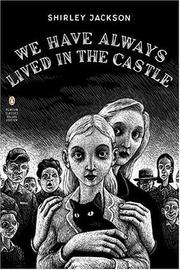
We Have Always Lived in the Castle
Merricat guards sister Constance after arsenic deaths, until cousin Charles invades and fire frees them.
3,011-word summary · 13 min read
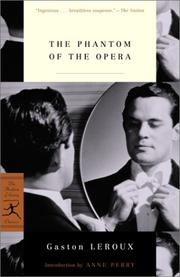
The Phantom of the Opera
A masked Erik haunts the Paris Opera, coaching Christine Daae while rivaling Raoul for her. Chandelier crash, cellar lake, and unmasking follow.
2,307-word summary · 10 min read
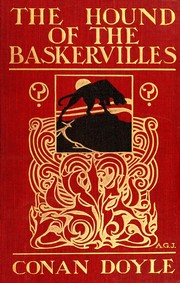
The Hound of the Baskervilles
Holmes Watson probe spectral hound killing Baskervilles on Dartmoor.
2,596-word summary · 12 min read
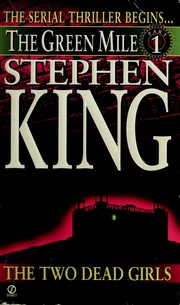
The Green Mile
Guard Paul Edgecombe watches John Coffey show healing miracles on death row in 1932 Louisiana.
2,549-word summary · 11 min read
The Strange Case of Dr. Jekyll and Mr. Hyde
A London lawyer traces a violent stranger to his respectable friend in Stevenson's 1886 tale of two selves.
2,286-word summary · 10 min read
What Moves the Dead
Alex Easton arrives at the Usher house to find Madeline dying, the tarn full of fungus, and the local hares refusing to stay dead.
2,586-word summary · 11 min read
The Crying of Lot 49
A California woman named executor of her ex-lover's estate follows a muted post horn into a possible centuries-old postal conspiracy, and Pynchon refuses to…
2,003-word summary · 9 min read
Authority
The new director of the Southern Reach takes over an agency that is hiding the truth about Area X, and the building starts to change around him.
2,029-word summary · 9 min read

Night Film
A disgraced journalist investigates the death of a reclusive horror director's daughter, following a red coat through hospitals, secret clubs, and a family…
2,690-word summary · 12 min read
A Head Full of Ghosts
A broke Massachusetts family lets a reality TV crew film their daughter's exorcism, and fifteen years later the only survivor tries to explain what really…
2,588-word summary · 12 min read
The Moonstone
A cursed yellow diamond vanishes on the night of a birthday party, and eight witnesses tell what they saw.
2,603-word summary · 12 min read
The Lottery
In Jackson's 1948 story, a village draws lots to keep the corn heavy, and the chosen person is stoned by her neighbors.
3,080-word summary · 14 min read
Circus of the Damned
A rogue master vampire arrives in St. Louis and Anita Blake is caught in an undead turf war, with a science teacher in the crossfire.
2,757-word summary · 12 min read
Locke & Key, Vol. 1: Welcome to Lovecraft
After their father is murdered, the Locke children move into a haunted family estate where keys unlock doors to ghosts, other places, and dangerous secrets.
2,019-word summary · 9 min read
House of Salt and Sorrows
Annaleigh Thaumas investigates her sister's death in a cursed island manor where the balls are illusions and the sea god is always listening.
2,025-word summary · 9 min read
The Memoirs of Sherlock Holmes
Doyle's second Holmes collection gathers twelve Strand stories, including the early case of the Gloria Scott and the confrontation with Moriarty at Reichenbach…
2,390-word summary · 11 min read
The Clockmaker's Daughter
A London archivist finds a Victorian satchel holding a photograph, a sketchbook and a letter, then follows them to Birchwood Manor, where a young woman died in…
2,886-word summary · 13 min read
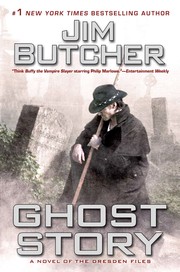
Ghost Story
Dead but not gone, Harry Dresden returns as a spirit to find his killer, protect the friends he left behind, and learn why the afterlife gave him a second…
1,978-word summary · 9 min read
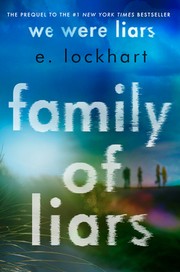
Family of Liars
The prequel to We Were Liars: Carrie Sinclair finally tells the story of the summer of 1987, the boy who died on Beechwood Island, and the lie her family built…
2,072-word summary · 9 min read
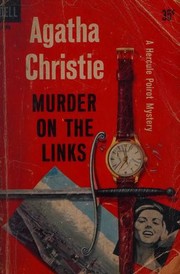
The Murder on the Links
Poirot arrives in France too late to save his client, who is found stabbed in a grave and was not the man he claimed to be. Christie's second Poirot novel.
2,055-word summary · 9 min read

The Caves of Steel
Detective Elijah Baley must solve a Spacer's murder in a domed New York, partnered with R. Daneel Olivaw, a humaniform robot built in the victim's image.
2,445-word summary · 11 min read
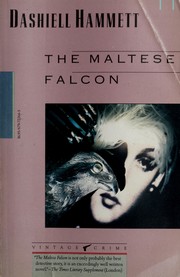
The Maltese Falcon
Sam Spade hunts a jeweled bird through lies after his partner is killed.
2,529-word summary · 11 min read
The Last House on Needless Street
A lonely man, a cat and a mysterious neighbor pull you into a house full of buried trauma.
2,627-word summary · 12 min read
The Day of the Triffids
Blinded survivors flee carnivorous plants after a meteor shower.
2,171-word summary · 10 min read
The Chalk Man
Childhood chalk codes lead to a murder that follows friends thirty years later.
2,350-word summary · 10 min read
Relic
A museum beast kills during an exhibition while an agent investigates.
2,066-word summary · 9 min read
Bleak House
Jarndyce and Jarndyce grinds through Chancery while Esther finds her family.
2,480-word summary · 11 min read