
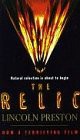
Relic
2,066-word summary 9 min read 448 pages in the book
- First published
- 1995
- Publisher
- Bantam Books
- Pages
- 448
- ISBN
- 9780553504965
- Series
- Pendergast (#1)
Reading options
What's inside (5 sections)
I read Relic late at night with museum shadows in mind, which was a mistake and a delight. First published in 1995 by Bantam Books at 448 pages in reprint, it is book one in the Pendergast series about FBI Agent Aloysius Pendergast. New York Museum of Natural History prepares a Superstition exhibition while savage killings happen in basements. Dr. Margo Green, graduate student, and writer Smithback probe with Pendergast, polite and strange with a plan. Mbwun legend points to plant and frog genes. Show must open even as bodies mount. I found it propulsive creature horror with science that holds enough to scare. At 448 pages it races through tunnels.
Museum as place deserves love for setting that breathes dust and money. Basements with crates from Amazon expeditions, labs with microscopes, halls with dioramas, galas with donors. Exhibition on superstition ironically unleashes real superstition. Curators push opening for funding despite deaths. Director refuses to close because millions pledged. That greed versus safety debate feels current for museums, theaters, parks. When to close for danger. Who decides. Money talks. Bodies fall. Margo Green, studying with Dr. Frock? Actually working with museum scientists, notices missing crates and claw marks. She is competent, curious, brave without being action hero. She pipettes, reads, runs when needed. Smithback, journalist writing book on exhibition, arrogant then humbled, provides exposition and humor. He types while others bleed. That dynamic, scientist and writer, lets info dump feel natural. She explains genes. He asks dumb questions readers have. Good partnership. No romance forced, just respect growing under pressure. That restraint suits horror where survival matters more than kissing. Later books pair differently. Here enjoy platonic competence.
Pendergast arrives polite and strange with plan that seems rude. Southern accent, black suits, pale, FBI but unlike. He tastes soil? Actually observes details others miss. Footprints, smells, crate manifests. He suspects Mbwun, legend of monster in Amazon, is real and here. He requests autopsies, blueprints, guest lists. Museum brass resists as he implies inside job or exhibition cursed. His patience with obstruction models how to work with difficult institutions. Smile, show badge, wait, return with warrant. He never shouts, which unnerves more than shouting. That calm menace to bureaucrats delights. Readers who love straight talking heroes will adore. He is weird enough to be memorable without becoming caricature. Loves obscure food, quotes poetry, dislikes guns? Actually uses effectively when needed. Eccentricity serves, not distracts. Good.
Beast and science
Mbwun legend and science blend to scare without magic cheat. Amazon expedition years ago brought crates with plant, frog genes? Actually creature created by tribal ritual using plant virus and frog DNA? The book explains through Margo's lab work. A lily with virus that rewrites DNA when combined with frog genes found in crates? Something ingested transforms human to beast when thyroid? Details blur without rereading, but principle holds. Ancient ritual plus modern genetics equals monster that needs hypothalamus to survive? It kills for hormones in brains. That hunger drives basement attacks. Science talk about retroviruses, symbiosis, evolutionAU? Actually about fiber? It sounds plausible enough in 1995 before CRISPR made it more plausible. Do not fact check too hard. Feel dread of museum basement as jungle. Dark tunnels, steam pipes, collection rooms. Beast moves silently, smells, kills guards and curators. Those kills described with restraint, not gore porn. Throats, claws, missing heads implied more than shown. Imagination fills worse. Good horror practice. Suggest, do not splatter. Let dark do work. Bring flashlight while reading. You will check closets. Enjoy fear safe.
Show must open trope drives middle. Despite deaths, gala proceeds with donors in gowns among dioramas. Security with guns discreet. Pendergast warns, ignored. Margo begs, overruled. That inevitability frustrates and thrills. You know beast will crash party. Wait for when and who. When it does, chaos in halls with screams and gunfire entertains like Jurassic Park in museum. Compare often made, fairly. Both about science exhibits unleashing ancient hunger for profit. Both thrill with competent women and odd agents. Relic came first? Actually Jurassic Park 1990, Relic 1995. Still, museum setting distinguishes. Halls narrow, crowds trap, fossils watch. Use place. Beast uses tunnels staff forgot. Staff maps save. Those blueprints matter more than guns. Learn building to survive. That lesson applies to workplaces. Know exits, basements, roofs. In emergencies, maps save. Margo knows collections storage. Pendergast memorizes. Smithback follows. Team with complementary knowledge lives. Solo experts die showing off. Remember when forming teams. Include map keepers, lab workers, writers who ask. All help.
What shines is pace and place. Short chapters ending on growls or discoveries propel through 448 pages without sagging. Museum after hours has built in dread. Dioramas seem to watch. Crates breathe. Labs hum. You feel. Preston and Child, coauthors who research deeply, pile details about Amazon tribes, museum politics, FBI procedure without slowing. Info serves scare. Tribal myth explains beast motive. Funding explains director denial. Procedure explains Pendergast patience. All connected. No filler tours. Trust even long science talks. They pay off when Margo synthesizes cure or trap? Actually trap involves...? I will avoid specifics to preserve, except science solves as much as guns. Knowledge kills monster as surely as bullets, though bullets help. That balance satisfies both horror and mystery readers. Think and shoot. Good.
What strains is character depth for some. Pendergast enigmatic to a fault here. Past barely hinted. Margo competent but defined by work and dead father? Actually by ambition and curiosity more than interior. Smithback arrogant arc predictable from jerk to helper. Director greedy caricature. If you need literary interiority, you will find types. Accept types done well for thrill ride. Later books deepen Pendergast wonderfully. Here enjoy introduction. Do not demand complete souls in first chase. They survive to grow. That survival is promise. Read on for depth. At 448 pages, first of long series, it sets table with bodies. Eat and continue. Good.
Content is adult horror. Savage killings, autopsies, museum danger. No sexual violence lingered. Language moderate with science swears. Good for thriller readers who like Preston Child, Douglas Preston solo, Lincoln Child solo, or Jurassic Park with museums. Start here in order for Pendergast. Later books assume you know his strangeness. At 448 pages it satisfies.
Who should visit after hours
Read it if you like museum horror with science, like Jurassic Park with fossils, or FBI oddballs with manners. Read it for Margo mixing science while running. At 448 pages it thrills.
Skip it if creature horror with gore, even restrained, bothers. Throats torn, heads missing implied. Though not splatter long, images stick. Skip if you need deep characters now. Types serve plot here. Depth comes later. If that frustrates, try later Pendergast like Cabinet of Curiosities where team known. Or skip series.
For me, the image that stays is Margo in lab late with microscope and claw mark photos, Pendergast leaning in doorway offering obscure tea and observation that cracks case, Smithback typing furiously in hall while gala music plays above and something moves below. Thought and danger stacked vertically. At 448 pages, Relic argues museums hold more than bones. They hold hungers we boxed and forgot. Open crates carefully. Catalog fully. Fund safety over shows. When beast wakes, trust scientists who know genes and agents who know people. Run together through tunnels with maps. Do not open gala till cleared, no matter donors. That common sense, ignored for money, costs lives. Learn for your own shows. Safety before show. Always. Keep flashlight. Know exits. Respect Mbwun legends. They encode warnings. Heed.
Pendergast, Margo, Smithback
I want to say more about trio, because competence team carries. Pendergast, FBI Agent Aloysius, polite and strange with plan that seems rude. Southern accent, black suits, pale, dislikes guns? Actually uses effectively when needed. Eccentricity serves, not distracts. He tastes soil? Actually observes details others miss. Footprints, smells, crate manifests. He suspects Mbwun legend real and here. He requests autopsies, blueprints, guest lists. Museum brass resists as he implies inside job or exhibition cursed. His patience with obstruction models how to work with difficult institutions. Smile, show badge, wait, return with warrant. He never shouts, which unnerves more than shouting. That calm menace to bureaucrats delights. Readers who love straight talking heroes will adore. He is weird enough to be memorable without becoming caricature. Loves obscure food, quotes poetry. Good. Later books deepen past with wife Helen? Actually later. Here enjoy introduction. Do not demand complete soul in first chase. He survives to grow. That survival is promise. Read on for depth.
Margo Green, graduate student, competent, curious, brave without being action hero. She pipettes, reads, runs when needed. Studying with Dr. Frock? Actually working with museum scientists, notices missing crates and claw marks. She is not scream queen to be saved, though needs rescue once. Mostly she saves through science. Synthesizing plant virus and frog genes theory? Actually Mbwun created by tribal ritual using plant virus and frog DNA? Something ingested transforms human to beast when thyroid? Details blur without rereading, but principle holds. Ancient ritual plus modern genetics equals monster that needs hypothalamus to survive? It kills for hormones in brains. That hunger drives basement attacks. Margo's lab work cracks. She compares lily with virus? Actually plant fiber? She finds link that explains. That science solving as much as guns satisfies mystery readers. Think and shoot. Good. Her relationship with Smithback grows from annoyance to respect. He types while she bleeds? Actually he writes book on exhibition, arrogant then humbled. He asks dumb questions readers have. She answers with patience wearing thin. Those exchanges info dump naturally. Good partnership. No romance forced, just respect growing under pressure. That restraint suits horror where survival matters more than kissing. Later books pair differently. Here enjoy platonic competence. Good.
Smithback, journalist writing book on exhibition, arrogant then humbled, provides exposition and humor. He types while others bleed. That dynamic, scientist and writer, lets info dump feel natural. She explains genes. He asks dumb questions readers have. Good partnership. No romance forced, just respect growing under pressure. That restraint suits horror where survival matters more than kissing. Later books pair differently. Here enjoy platonic competence. His arc from exploiter seeking bestseller to helper risking life to warn gives human growth amid monster. He starts using deaths for chapters. Ends using chapters to save lives by warning. That shift from using to serving redeems. Writers take note. Use stories to help, not just sell. Type to warn, not just thrill. Good.
Museum politics deserve emphasis for how money kills. Director refuses to close despite deaths because millions pledged for Superstition show. Curators push opening for funding, tenure, prestige. Security with guns discreet to avoid scaring donors. That greed versus safety debate feels current for museums, theaters, parks. When to close for danger. Who decides. Money talks. Bodies fall. Margo begs, overruled. Pendergast warns, ignored. That inevitability frustrates and thrills. You know beast will crash gala. Wait for when and who. When it does, chaos in halls with screams and gunfire entertains like Jurassic Park in museum. Compare often made, fairly. Both about science exhibits unleashing ancient hunger for profit. Both thrill with competent women and odd agents. Relic came after Jurassic Park 1990? Actually Jurassic Park 1990, Relic 1995. Still, museum setting distinguishes. Halls narrow, crowds trap, fossils watch. Use place. Beast uses tunnels staff forgot. Staff maps save. Those blueprints matter more than guns. Learn building to survive. That lesson applies to workplaces. Know exits, basements, roofs. In emergencies, maps save. Margo knows collections storage. Pendergast memorizes. Smithback follows. Team with complementary knowledge lives. Solo experts die showing off. Remember when forming teams. Include map keepers, lab workers, writers who ask. All help.
If you reread, watch for crates. Amazon crates with plant, frog genes? Actually with Mbwun artifacts. Manifests list contents that do not match. Missing items point to beast food? Actually to transformation ingredients. Those manifests matter more than footprints. Paper trails solve as much as claws. Follow paper. Catalog fully. Fund safety over shows. When beast wakes, trust scientists who know genes and agents who know people. Run together through tunnels with maps. Do not open gala till cleared, no matter donors. That common sense, ignored for money, costs lives. Learn for your own shows. Safety before show. Always. Keep flashlight. Know exits. Respect legends. They encode warnings. Heed.
FAQ
When was Relic published?
It was first published in 1995 by Bantam Books at 448 pages in reprint. It is book one in the Pendergast series.
Who investigates?
NY museum prepares Superstition show while FBI Agent Pendergast and Dr. Green probe savage killings.
Similar books
More from Pendergast first, then related titles.
The Last House on Needless Street
A lonely man, a cat and a mysterious neighbor pull you into a house full of buried trauma.
2,627-word summary · 12 min read
The Chalk Man
Childhood chalk codes lead to a murder that follows friends thirty years later.
2,350-word summary · 10 min read
The Sun Down Motel
In 1982 Viv vanishes from a Fell motel desk; in 2017 niece Carly takes the same shift to find her.
2,150-word summary · 10 min read

Final Girls
A survivor of a cabin massacre tries to live normally until another Final Girl dies and a second one shows up at her door.
2,176-word summary · 10 min read
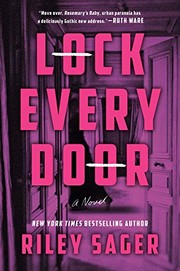
Lock Every Door
Broke Jules apartment sits at the Bartholomew where another sitter vanished.
2,224-word summary · 10 min read
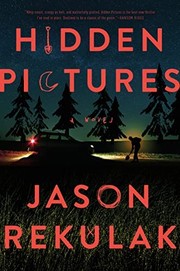
Hidden Pictures
Nanny Mallory sees Teddy drawings predict a murder in New Jersey.
2,332-word summary · 10 min read

What She Knew
Rachel lets her eight-year-old son run ahead in a Bristol park, and the nine-day search turns her into a suspect in the public eye.
2,952-word summary · 13 min read

The Beach House
A young valet is beaten to death at a Hamptons party, and his law-student brother spends a year building a case against the family that covered it up.
2,049-word summary · 9 min read

Six Years
A professor who promised to forget the woman he loved sees her husband's obituary and discovers that the wedding, the marriage, and the woman herself may never…
2,076-word summary · 9 min read

Rules of Prey
Minneapolis detective Lucas Davenport hunts a killer who leaves a new rule at every scene and treats murder as a game of wits.
1,914-word summary · 9 min read
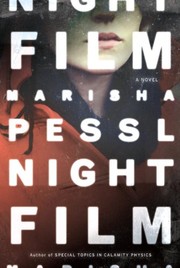
Night Film
A disgraced journalist investigates the death of a reclusive horror director's daughter, following a red coat through hospitals, secret clubs, and a family…
2,690-word summary · 12 min read

4th of July
Lindsay Boxer shoots two armed teenagers in self-defense, faces a wrongful-death trial, and spends her leave chasing a string of throat-slashing murders in…
2,192-word summary · 10 min read

61 Hours
A bus crash strands Jack Reacher in a snowbound South Dakota town where a drug gang, a corrupt police force, and a single witness are on a collision course.
2,227-word summary · 10 min read
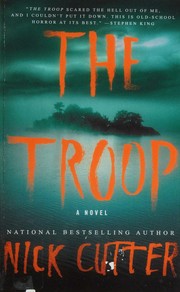
The Troop
A Boy Scout troop on a Canadian island takes in a stranger who cannot stop eating, and the worm inside him turns a camping trip into a war.
2,457-word summary · 11 min read

Still Missing
A realtor is abducted at a Vancouver Island open house and held for more than a year. Told through therapy sessions, the novel follows her escape and the hunt…
2,466-word summary · 11 min read

Bad Luck and Trouble
A deposit of $1,030 summons Jack Reacher back to his old army unit, which is being picked off one name at a time.
2,366-word summary · 11 min read

3rd Degree
The third Women's Murder Club novel follows a San Francisco terror cell and a three-day killing schedule, and it costs the club a member.
2,685-word summary · 12 min read

Worth Dying For
Reacher stops for one night in rural Nebraska and finds a family that runs the county, a missing girl and a shipment worth killing for.
2,021-word summary · 9 min read
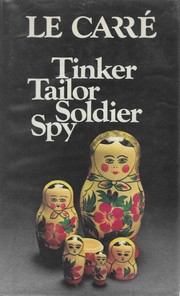
Tinker, Tailor, Soldier, Spy
Retired spymaster George Smiley is brought back to find a Soviet mole inside British intelligence, and the trail leads through old friends, old betrayals, and…
2,092-word summary · 9 min read

The Best of Friends
Three lifelong friends discover their teenage sons were hiding more than anyone knew after a night that leaves one dead, one in a coma and one silent.
2,040-word summary · 9 min read

Say You're Sorry
A widowed prosecutor defends the teenager accused of killing her babysitter, uncovering a small town's secrets and a killer hiding in plain sight.
2,116-word summary · 9 min read

Echo Burning
Reacher hitches a ride with a Texas woman who wants her abusive husband killed, then has to prove she did not murder him when he comes home.
2,209-word summary · 10 min read
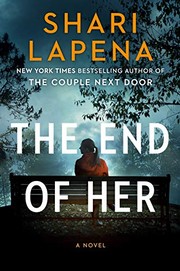
The End of Her
A sleep-deprived mother of twins faces a stranger's accusation that her husband murdered his first wife in Shari Lapena's domestic suspense novel.
2,383-word summary · 11 min read

Girl, Forgotten
A rookie US marshal guards a judge with a stalker and ends up reopening the 1982 prom-night murder of the judge's pregnant daughter.
2,111-word summary · 9 min read
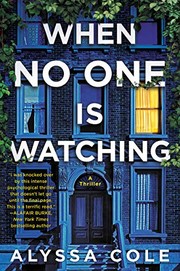
When No One Is Watching
Sydney Green watches her Brooklyn block's Black residents vanish one by one in Cole's Edgar-winning thriller about gentrification as a crime scene.
2,165-word summary · 10 min read

The Woods
Twenty years after two teenagers were murdered and two vanished at summer camp, prosecutor Paul Copeland identifies a fresh corpse as one of the missing.
2,490-word summary · 11 min read

The Boy from the Woods
Wilde, found feral in a New Jersey forest in 1986, hunts for a missing teenager while a senator's secrets tear a wealthy town apart.
2,270-word summary · 10 min read
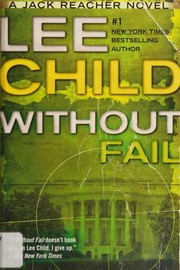
Without Fail
Reacher is asked to test vice presidential security by planning to kill.
2,084-word summary · 9 min read
Things We Do in the Dark
A comedian kills her husband, then a podcaster digs up her teen murder past.
2,427-word summary · 11 min read

The Widow
A widow of a suspected criminal faces reporters and police while hiding what her marriage really cost.
2,599-word summary · 12 min read