

Reading options
What's inside (8 sections)
I read this on a rainy weekend because Stephen King blurbed it and I have a soft spot for slasher movies. I thought I knew the shape. Lone survivor, trauma, copycat. Sager knows you think that too, and he spends most of the book letting you feel smart before pulling the floor out.
The setup is clean. Ten years ago Quincy Carpenter went with five friends to Pine Cottage in the woods. Only Quincy came out, bloody and half conscious. A cop named Coop shot the killer and carried her out. The press grouped her with two other young women who lived through mass killings. Lisa, who lost nine sorority sisters. Sam, who survived an attack at a roadside motel. They call them Final Girls, after the horror trope of the last woman standing.
Quincy in the present is trying hard to be normal. She lives in Manhattan, runs a baking blog, takes Xanax, has a patient fiance named Jeff who works as a public defender. She does not drink much, avoids knives, keeps her apartment tidy. She tells herself she does not remember much of that night, and she prefers it that way.
Then Lisa is found dead in her bathtub, wrists cut, and the police are not sure it was suicide. Then Sam knocks on Quincy's door.
Sam blows in
Sam is everything Quincy is not, at least on the surface. Leather jacket, no filter, drinks, sleeps over without asking, pushes Quincy to break her little rules. Shoplift candy. Stay out late. Stop taking the pills that flatten everything.
At first I liked their scenes together. They get each other in a way Jeff and Coop, for all their care, cannot. Reporters hound them, true crime forums pick apart their clothes and choices, old headlines resurface. Sam says the only way out is to own the label instead of hiding from it. They go to Central Park at night, they confront a heckler, they laugh too loud in restaurants. It feels like friendship, or like trouble. Sager keeps both readings alive.
Coop hovers in the background. He saved Quincy at Pine Cottage, stayed in touch, became a kind of older brother and safety blanket. He is now working security or private jobs, still checking in. Quincy trusts him completely. Too completely, maybe. Jeff notices and does not love it, but he tries to be decent about it.
The middle section leans into paranoia. Quincy starts remembering flashes. A pineapple upside down cake she baked that weekend. A phone with no signal. A friend named Janelle who was cruel in that specific college way. A boyfriend, Craig, who loved her but also loved attention. Little details that do not fit the story she told police.
She also starts doubting Sam. Is Sam really who she says? Why did she disappear for years? Did she know Lisa better than she admits? Quincy follows her, checks her bag, reads her texts. Sam lies about small things, which makes the big lies easier to suspect.
This is where the book is best. Not the kills, which happened years ago, but the slow souring of a new friendship under stress. Anyone who has trauma bonded fast with someone will recognize it. You share the worst thing, you feel close, then you wonder if closeness was just adrenaline.
I did get annoyed at how often Quincy takes a Xanax and then makes a major decision. It becomes a plot button. Anxious, pill, sleep, wake up groggy, miss a clue. After the third time I wanted Jeff to flush them just to move things along.
What happened at Pine Cottage
Sager doles out Pine Cottage in fragments, which suits a narrator who claims amnesia.
The weekend: six friends, drinking, swimming, flirting, petty fights. Quincy and Craig, Janelle and borrow trouble, others circling. A stranger in the woods. A lost hiker story that may not be true. Then screaming, running, blood in a kitchen that smelled like sugar and pine cleaner an hour earlier.
Quincy remembers Coop arriving, shouting, gunshots. She remembers his hands, his voice telling her to stay awake. What she does not remember is who held the knife before Coop got there.
The book plants a few options. An escaped psychiatric patient the police chased that night. A jealous friend. A boyfriend with a temper. Coop himself, though Quincy refuses to consider it. Sager is good at making each version fit for twenty pages, then adding one detail that breaks it.
Reporters and podcasts in the story do what real ones do. They rank the girls by likability. Lisa was the activist, Sam the mess, Quincy the good one who baked and smiled. Quincy hates the ranking and also uses it. She knows being the sympathetic one keeps people soft toward her. That self awareness makes her more interesting than the usual thriller heroine who just cries and runs.
A quick aside. The baking blog is not cute filler. Recipes mark time. When Quincy can bake, she can function. When she stops, you know she is slipping. I liked that better than the usual thriller tell of empty wine bottles.
Lisa, Coop, and the men who help
Lisa's death drives the plot, even though she is dead before page thirty.
Lisa had turned her survival into advocacy, pushing for victim support, speaking carefully to press. Her death being ruled suicide feels off to Quincy because Lisa of all people knew how to ask for help. Then details leak. Bruises, a break in, a missing item. Quincy starts calling old contacts, visiting Lisa's house, annoying detectives.
Coop helps and also controls. He tells Quincy to stay out of it, then shows up to walk her home. He has keys, codes, history. He shot a man to save her. That debt hangs over every scene. Quincy defends him to Jeff, to police, to herself. Sager writes Coop as warm and a little too available. If you have ever had someone whose help felt like a leash, you will clock it before Quincy does.
Jeff is patient to the point of sainthood, then humanly not. He wants marriage, kids, a life where Pine Cottage is a sad story, not a daily presence. He does not understand why Quincy lets Sam move in emotionally if not literally. Their fights felt real to me. Not villainous, just two people wanting different levels of honesty.
The police procedural part is thin. Detectives appear, warn Quincy, leave. The real investigation is Quincy googling, snooping, remembering. If you need airtight forensics, this will bug you. If you accept that trauma memory is the crime lab here, it works.
The turn and the fallout
I will not spoil the exact reveal, but I can talk around it the way the book wants.
Around two thirds in, Sager reframes who was dangerous at Pine Cottage. It is not a masked stranger twist. It is closer, sadder, about what drunk, jealous, insecure twenty year olds can do with a knife and a secret. The final girl trope gets flipped. Survival was not just luck or virtue. Choices, including Quincy's, shaped who lived.
The last eighty pages move fast. A confrontation in an apartment, a kitchen tool as weapon, Coop racing across town, Sam's loyalties snapping into focus. Quincy finally remembers in full, not in flashes, and memory does not set her free. It obligates her. She has to decide whether to tell the truth and lose the tidy story that kept her safe, or keep lying and stay trapped.
She chooses action. Without Coop for once. That matters. The whole book she has been rescued, by Coop at the cottage, by Jeff in daily life, by Xanax, by Sam's boldness. The ending forces her to rescue herself, messily, with a baking pan or whatever is at hand, shaking and loud.
Does it hold together? Mostly. One reveal about Sam requires you to accept she would travel and lie elaborately for reasons that feel thin on reread. And Coop's arc resolves a bit too neatly for a man that entangled. But the emotional logic holds. Quincy stops performing wellness and starts actually facing what she did and did not do.
What I kept thinking after: how fame freezes people. The Final Girls cannot age out of age nineteen in the public mind. Every haircut gets analyzed. Strangers feel entitled to details of the worst night of their lives because they watched a documentary. Sager, who writes as a man under a female pen name in real life and knows something about personas, is sharp on this. Lisa tried to use fame for good and got consumed. Sam tried to reject it and got stuck. Quincy tried to outrun it by being perfect and got hollow.
She keeps the apartment clean because clean can be photographed. She smiles because smiling ends interviews faster.
The prose is plain in a good way. Short chapters, cliffhanger buttons, occasional wry lines about true crime fans. No lyric stretches, which fits Quincy. She is not a poet. She is a baker who counts cups to stay calm.
Fair criticism: the book borrows heavily. If you have seen Halloween, Scream, or read Luckiest Girl Alive, you will see the seams. Sager admits the homage with chapter titles and dialogue about horror rules, but homage does not fully excuse familiarity. Also, the mental health handling is thriller grade. Xanax as truth serum, repressed memory returning in HD. Real recovery is slower and less cinematic.
Why the label sticks
One thing Sager gets right is how the press needs the girls to stay girls. Lisa is almost forty when she dies, running a nonprofit, testifying, mentoring. Headlines still call her Final Girl. Not advocate, not director. Girl. It keeps them young, pretty, breakable. Easier to click.
Quincy plays along because it pays. Her blog traffic spikes whenever Pine Cottage trends. Sponsors like a survivor who bakes. She hates herself for checking stats after Lisa's funeral, and she checks anyway. That contradiction felt honest. Grief and branding can coexist in the same browser tab.
Sam refuses the game, but refusal becomes its own brand. Leather, arrests, rumors. True crime guys love a wild one. They write about her the way horror fans talk about the girl who runs upstairs instead of out the door. With contempt that masks affection. Sam knows it and spits back, which only feeds the cycle.
I thought about real cases while reading. How survivors of school shootings or kidnappings get frozen at the age of the photo that went viral. How interviewers ask what they wore, what they ate, as if detail equals truth. Sager includes a podcast host who is clearly composite of several real ones, friendly voice, ruthless edit. Quincy agrees to talk to control the story and leaves feeling used. Anyone who has done press after something bad will nod here.
Coop fits this too. He is a hero in that photo, carrying Quincy out of the woods. He has lived off that glow for a decade. People buy him coffee, ask for the story. He tells it modestly, which makes them love him more. Quincy sees none of this as calculation until late. Then she wonders what heroism costs the person who has to keep performing it.
Small scenes that carry weight
A few moments stayed past the plot.
Quincy teaching Sam to make pie crust. Flour everywhere, Sam impatient, Quincy insisting on cold butter. No talk of murder for ten pages. Just hands busy. It is the calmest scene in the book and, in retrospect, the saddest, because it shows what normal could have been.
Jeff trying to learn her coffee order and getting it wrong. He brings oat milk when she wanted whole. Tiny failure, big fight, because it stands in for every time he missed the real fear underneath a small preference. I have had that fight in my own kitchen. It is never about milk.
Lisa's house after her death. Neat, plants watered, a to-do list with dentist, call mom, fix gutter. Someone planning to live. Quincy stands in the kitchen and understands that suicide as explanation insults the evidence of a life being maintained. Sager does not oversell it. Just the list.
And a late scene where Quincy finally throws away a souvenir from Pine Cottage she kept hidden. Not burned dramatically. Bagged, tied, left by the trash. No music. That restraint works better than a speech would.
If you like thrillers that are all twists, the middle may feel slow. People eat, sleep badly, argue about dishes. I liked the domestic texture. Fear lives in kitchens as much as in woods. Sager knows a woman checking locks twice is scarier than a jump scare because you have done it.
Still, as a page turner about memory and labels, it earns its reputation. I finished at 2 a.m., checked my locks, then made muffins the next morning because Quincy would. They were a little overbaked. She would have forgiven me.
FAQ
When was Final Girls published?
Dutton published the hardcover on July 11, 2017. It runs 352 pages and the hardcover ISBN is 9781101985366.
Is Final Girls part of a series?
No. It shares themes with his other thrillers but the characters and mystery stand alone.
Is it very gory?
It plays with slasher movie ideas but stays a mystery thriller. The violence is described after the fact more than shown in graphic detail.
Similar books
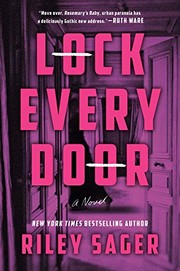
Lock Every Door
Broke Jules apartment sits at the Bartholomew where another sitter vanished.
2,224-word summary · 10 min read
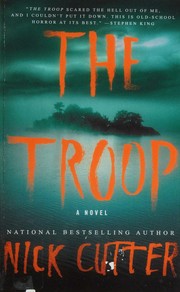
The Troop
A Boy Scout troop on a Canadian island takes in a stranger who cannot stop eating, and the worm inside him turns a camping trip into a war.
2,457-word summary · 11 min read

Still Missing
A realtor is abducted at a Vancouver Island open house and held for more than a year. Told through therapy sessions, the novel follows her escape and the hunt…
2,466-word summary · 11 min read
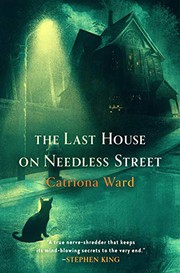
The Last House on Needless Street
A lonely man, a cat and a mysterious neighbor pull you into a house full of buried trauma.
2,627-word summary · 12 min read
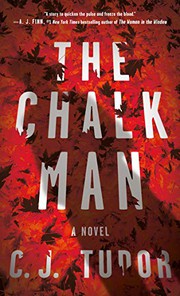
The Chalk Man
Childhood chalk codes lead to a murder that follows friends thirty years later.
2,350-word summary · 10 min read

Relic
A museum beast kills during an exhibition while an agent investigates.
2,066-word summary · 9 min read

Before the Fall
A private jet falls off Martha's Vineyard. A painter and a small boy survive, then face grief and the news cycle.
2,185-word summary · 10 min read
Nowhere Burning
Siblings flee to a burnt ranch commune in the Rockies where old fires still smolder.
2,232-word summary · 10 min read
The Sun Down Motel
In 1982 Viv vanishes from a Fell motel desk; in 2017 niece Carly takes the same shift to find her.
2,150-word summary · 10 min read

Stillhouse Lake
Acquitted wife of a serial killer becomes armed Gwen Proctor, but trolls and followers find her lake refuge.
2,086-word summary · 9 min read

Hidden Pictures
Nanny Mallory sees Teddy drawings predict a murder in New Jersey.
2,332-word summary · 10 min read
Home Before Dark
Maggie renovates haunted Baneberry Hall her father made famous.
2,017-word summary · 9 min read
The House Across the Lake
A widowed actress watching the couple across Lake Greene sees a disappearance that drags her own drowned husband back up.
3,217-word summary · 14 min read

The Only One Left
Caregiver Kit tends mute Lenora Hope accused of 1929 family murders.
2,592-word summary · 12 min read

What She Knew
Rachel lets her eight-year-old son run ahead in a Bristol park, and the nine-day search turns her into a suspect in the public eye.
2,952-word summary · 13 min read

The Beach House
A young valet is beaten to death at a Hamptons party, and his law-student brother spends a year building a case against the family that covered it up.
2,049-word summary · 9 min read

Six Years
A professor who promised to forget the woman he loved sees her husband's obituary and discovers that the wedding, the marriage, and the woman herself may never…
2,076-word summary · 9 min read

Rules of Prey
Minneapolis detective Lucas Davenport hunts a killer who leaves a new rule at every scene and treats murder as a game of wits.
1,914-word summary · 9 min read

Night Film
A disgraced journalist investigates the death of a reclusive horror director's daughter, following a red coat through hospitals, secret clubs, and a family…
2,690-word summary · 12 min read

4th of July
Lindsay Boxer shoots two armed teenagers in self-defense, faces a wrongful-death trial, and spends her leave chasing a string of throat-slashing murders in…
2,192-word summary · 10 min read

61 Hours
A bus crash strands Jack Reacher in a snowbound South Dakota town where a drug gang, a corrupt police force, and a single witness are on a collision course.
2,227-word summary · 10 min read

Bad Luck and Trouble
A deposit of $1,030 summons Jack Reacher back to his old army unit, which is being picked off one name at a time.
2,366-word summary · 11 min read

3rd Degree
The third Women's Murder Club novel follows a San Francisco terror cell and a three-day killing schedule, and it costs the club a member.
2,685-word summary · 12 min read

Worth Dying For
Reacher stops for one night in rural Nebraska and finds a family that runs the county, a missing girl and a shipment worth killing for.
2,021-word summary · 9 min read

Tinker, Tailor, Soldier, Spy
Retired spymaster George Smiley is brought back to find a Soviet mole inside British intelligence, and the trail leads through old friends, old betrayals, and…
2,092-word summary · 9 min read

The Best of Friends
Three lifelong friends discover their teenage sons were hiding more than anyone knew after a night that leaves one dead, one in a coma and one silent.
2,040-word summary · 9 min read

Say You're Sorry
A widowed prosecutor defends the teenager accused of killing her babysitter, uncovering a small town's secrets and a killer hiding in plain sight.
2,116-word summary · 9 min read

Echo Burning
Reacher hitches a ride with a Texas woman who wants her abusive husband killed, then has to prove she did not murder him when he comes home.
2,209-word summary · 10 min read

The End of Her
A sleep-deprived mother of twins faces a stranger's accusation that her husband murdered his first wife in Shari Lapena's domestic suspense novel.
2,383-word summary · 11 min read

Girl, Forgotten
A rookie US marshal guards a judge with a stalker and ends up reopening the 1982 prom-night murder of the judge's pregnant daughter.
2,111-word summary · 9 min read