
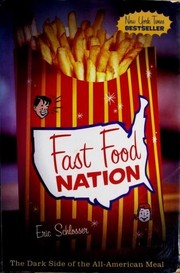
Fast Food Nation
1,938-word summary 9 min read 356 pages in the book
- First published
- 2001
- Publisher
- Houghton Mifflin
- Pages
- 356
- ISBN
- 9780395977897
Reading options
What's inside (4 sections)
This book ruined drive thrus for me in the way good reporting should. Fast Food Nation by Eric Schlosser was first published January 17, 2001 by Houghton Mifflin, a 356 page hardcover with ISBN 9780395977897. Schlosser follows fries from fields to flavor labs to counters staffed by teens, then into slaughterhouses where speed maims. I read it over a week, appetite shifting with each chapter, ending with a home cooked meal that tasted like homework and relief.
Schlosser starts with founders, not villains. Carl Karcher with a hot dog cart. The McDonald brothers with assembly line kitchens. Ray Kroc with milkshake mixers and missionary zeal for uniformity. These men built systems that fed millions fast and cheap. Schlosser respects the ingenuity while tracing costs the menu hides. Standardized potatoes. Standardized workers. Standardized towns around highways. Efficiency as philosophy applied to food and people both.
What makes it stick is reporting from inside rooms most eaters never see. Flavor labs in New Jersey where chemists engineer fry smell. Feedlots where corn sickens cows. Kitchens where teens mop grease at midnight for minimum wage. He interviews managers, migrants, and inspectors who speak plainly because he listens without sneering. You believe the details because they come with names and pay stubs, not just statistics.
Fries and flavor
The fry chapters are famous for good reason and deserve a slow read. Potatoes bred for length, not taste, grown with pesticides, stored in sheds, cut by lasers, blanched, frozen, fried in oil engineered for stability. Then flavor is added back through sprays designed in labs where workers wear white coats and sniff vials labeled meaty, buttery, fresh. Schlosser tours a flavor company that makes most fast food taste the way memory says it should. The science is fascinating and queasy at once. Craved tastes are built, not grown.
He eats the industry meal with you in mind. A burger, fries, and soda in a car, the American communion. Then he unwinds each item to fields and labs. The burger from cattle fed corn in feedlots. The fries from potatoes flavored to taste like the past. The soda from corn syrup marketed to kids. None of this is secret. All of it is invisible by design. Menus show smiles. Supply chains show lagoons. That gap is the book subject more than any company. Cheap requires hidden.
Teen labor gets full chapters that feel urgent even now. Fast food staffs with high schoolers because they are cheap, flexible, and unlikely to unionize. Schlosser visits kitchens where sixteen year olds close alone at midnight, mop with chemicals, and get burned by fryers with little training. Robberies target them because safes hold cash and teens comply. Managers push speed over safety to hit drive thru times posted like scores. Parents reading this will think about first jobs differently. I did. My teen years in food service flashed back with new context. Tired. Burned. Proud of speed that risked fingers.
Marketing to kids gets sharp pages without preachiness. Playground tie ins. Toy deals. School lunch contracts. Schlosser shows how taste is trained early through ads during cartoons and logos on report cards. He interviews a marketing exec who explains cradle to grave branding without shame. That candor chills more than any accusation. The industry does not hide targeting kids. It presents it as fun. After these chapters, toy surprises feel less like treats and more like hooks. My own kid commercials radar went up permanently.
If there is a drag, it is the business history where franchise law and loan terms get pages. Necessary to show how uniformity spreads, but numbers blur. I skimmed one loan amortization sidebar and missed nothing. The payoff, when Schlosser shows how franchisees squeeze labor to pay fees, needs less setup. Still, the boredom is part of the argument. Boring contracts shape meals more than chefs do. A passage on how McDonald brothers lost control to Kroc over paperwork deserves attention though. Innovation without lawyers loses to distribution with them. That lesson repeats in every food startup story since. Make it fast. Own the paper. The rest follows.
Marketing to kids gets sharp pages without preachiness that deserve specifics. Playground tie ins. Toy deals. School lunch contracts that trade scores for logos. Schlosser shows how taste is trained early through ads during cartoons and logos on report cards. He interviews a marketing exec who explains cradle to grave branding without shame. That candor chills more than any accusation. The industry does not hide targeting kids. It presents it as fun. After these chapters, toy surprises feel less like treats and more like hooks. My own kid commercials radar went up permanently. We mute differently now.
Meat and workers
The slaughterhouse section is the book heart and hardest to read, so take it in daylight. Schlosser follows cattle from feedlot to kill floor in plants that run the fastest, most dangerous factory work in America. Stunning, bleeding, and disassembly at line speeds that maim hands and backs. Workers, many undocumented, do repetitive cuts in cold and blood for wages that do not cover injuries. He interviews men with missing fingers and ruined shoulders who keep working because families depend. Their testimony carries more than any statistic, though statistics are grim. Highest injury rate. High turnover. Low fines.
He connects speed to food safety with care that avoids hysteria. E. coli in ground beef comes from mixing many animals in one patty and from rushing evisceration. A single sick cow can taint tons. Regulators test little. Recalls happen after kids sicken. Schlosser names outbreaks and traces patties to plants without blaming line workers. Blame sits with systems that reward volume over care. After these chapters, pink burgers lost appeal for me permanently. Cook through is not fussiness. It is math.
Towns around plants get portraits that complicate boycott simplicity. Garden City and Greeley grew on packing wages, then strained under turnover, housing crunches, and schools absorbing migrant kids with no support. Mayors welcome plants for taxes while dreading costs. Schlosser does not mock these towns. He shows people making rational choices in narrow options. Work that hurts beats no work. Cheap housing near plants beats homelessness. That empathy keeps the book from reading as coastal scold. Systems trap workers and towns together.
The mad cow afterword, added after first edition, shows reporting as living document. Schlosser tracks how Britain ignored warnings and how America risked repeating with feed rules and testing gaps. He names lobbyists and revolving doors without conspiracy tone. Just meetings, memos, and money. That plainness persuades more than outrage would. Readers finish understanding why cheap meat requires political work, not just kitchen work.
What stays with me is not disgust but attention to price. Every cheap meal has someone paying elsewhere. Teen burned. Migrant crippled. River fed with manure. Flavor chemist with a headache. Schlosser does not demand purity. He asks eaters to see. Cook more. Ask where meat lived. Support workers who ask for slower lines. Those small moves beat guilt. After finishing, I still eat burgers sometimes, but fewer, slower, and from places that name farms. That shift feels like the intended effect. See the chain. Choose kindly when you can. That is the whole book in one drive thru decision. Schlosser update chapters on mad cow and food safety laws deserve a final note on how reporting ages. Britain ignored warnings about feeding practices and paid with herds and trust. America risked repeating with testing gaps and revolving doors between regulators and packers. Schlosser names lobbyists and memos without conspiracy tone. Just meetings and money. That plainness persuades more than outrage would. Readers finish understanding why cheap meat requires political work, not just kitchen work. Vote with ballots as well as burgers, he suggests without preaching party. Support slower lines. Ask where meat lived. Cook more. Those small moves beat guilt and outlast news cycles. Colorado towns around plants deserve a closer look as more than backdrop, because they show how jobs trap whole places. Greeley grew on packing wages, then strained under turnover, housing crunches, and schools absorbing migrant kids with no support. Mayors welcome plants for taxes while dreading costs. Schlosser does not mock these towns. He shows people making rational choices in narrow options. Work that hurts beats no work. Cheap housing near plants beats homelessness. That empathy keeps the book from reading as coastal scold. Systems trap workers and towns together. Leaving requires more than lectures. It requires other jobs that pay. Schlosser visits a union hall where organizers explain why packing plants resist organizing with turnover as weapon. Train new crews before old ones learn rights. Bus workers from towns too far to build community. Threaten immigration checks when talk starts. Those tactics get names and dates here, not just claims. A worker named in the book risks his job to say what line speed does to hands. That courage on record matters more than any policy sidebar. Real names beat abstractions. Remember one if you remember nothing else. Hands that make burgers cannot make fists without pain.
Schools deserve a last hard look as customers caught in the same chain. Soda contracts that fund scoreboards. Fries in lunch lines that meet calorie rules while missing nutrition. Schlosser visits a high school where the principal defends a cola deal because buses need paint. Kids drink what is sold where they must be. That trap angers parents across politics. Left and right both dislike feeding children for profit during algebra. The book suggests local action where national stalls. Pack lunches sometimes. Ask what vendors pay workers. Small school board fights add up faster than federal bills. Attention, again, as policy you can keep before lunch bells. Flavor industry workers deserve a last look as the book quiet human footnote. Chemists who sniff vials all day, losing smell to the job that needs it. They craft meaty and buttery notes from compounds with safety sheets longer than recipes. Most never eat what they scent. One tells Schlosser he brings plain food home and tastes little by dinner. That numbness mirrors line workers in a white coat register. Different floors. Same system that separates makers from meals. Remember him when fries smell better than they taste. Someone built that smell on purpose, at cost. The book closing suggestions deserve plain listing since readers ask what to do. Cook more often, even simple food. Ask where meat lived and how workers fare. Support school boards that drop soda deals. Back unions that slow lines to safe speeds. None of this requires purity or wealth. A pot of beans beats a drive thru some nights. That modesty is the point Schlosser lands on after 300 pages of systems. Big chains changed eating by being consistent and cheap. Consistent home cooking and consistent voting change it back by degrees. Slow work. Real meals. Keep at it. The epilogue on In-N-Out as counter example deserves mention for balance. Higher wages. Simple menu. No frozen patties shipped far. Lines out the door prove customers pay for fresh when offered plainly. Schlosser does not worship the chain. He notes limits of scale and geography. But the example rebuts claims that fast must mean exploited. Better models exist and profit. Copy what works. Demand it nearby. That note ends the book on agency rather than despair, which is why it lasts as more than exposé. After finishing, I still eat burgers sometimes, but fewer, slower, and from places that name farms. That shift feels like the intended effect. Attention, not abstinence, as policy you can keep.
FAQ
When was Fast Food Nation published?
Houghton Mifflin published it January 17, 2001. It runs 356 pages and the hardcover ISBN is 9780395977897.
Is it part of a series?
No. It stands alone as investigative reporting with an update on mad cow.
Similar books
In Defense of Food
Pollan argues we stopped eating food and started eating nutrients, and offers a plain way back.
2,320-word summary · 10 min read
The Omnivore's Dilemma
Four meals traced from corn fields to foraging show what industrial food costs and what else is possible.
1,918-word summary · 9 min read
The E-Myth Revisited
Gerber argues that most small businesses are run by technicians who own a job rather than a business, and that the fix is a system that runs without them.
2,169-word summary · 10 min read
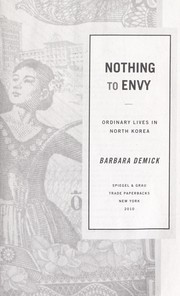
Nothing to Envy
Barbara Demick follows six defectors from Chongjin through the North Korean famine, showing how ordinary people lived, believed, and finally left.
2,068-word summary · 9 min read
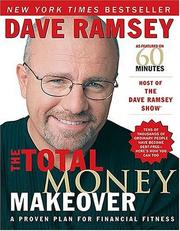
The Total Money Makeover: A Proven Plan for Financial Fitness
Dave Ramsey lays out seven Baby Steps, from a $1,000 starter fund to a paid-off house, with the debt snowball at the center.
2,663-word summary · 12 min read
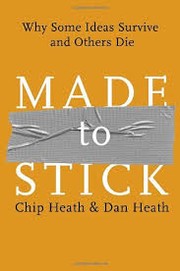
Made to Stick: Why Some Ideas Survive and Others Die
The Heath brothers break down why some ideas vanish on contact while others lodge in memory, tracing six traits that make a message stick.
2,527-word summary · 11 min read
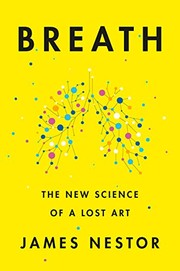
Breath: The New Science of a Lost Art
Journalist James Nestor investigates how modern humans learned to breathe badly, and what researchers, athletes, and breathwork practitioners have found about…
2,011-word summary · 9 min read
Beautiful Boy: A Father's Journey Through His Son's Addiction
David Sheff recounts watching his son Nic slide into meth addiction, and his own desperate, humbling search for how to help without destroying them both.
2,076-word summary · 9 min read
The Magic of Thinking Big
Schwartz's 1959 self-help classic argues that success follows from the size of your thinking, supported by sales anecdotes, vocabulary drills and goal setting.
2,579-word summary · 11 min read
Columbine
Ten years of reporting on the 1999 school massacre, including a journalist's correction of the myths he helped create in the first hours.
2,232-word summary · 10 min read
The Magnolia Story
How Chip and Joanna Gaines met, closed their first shop, nearly lost everything in a housing development, and built Fixer Upper.
2,994-word summary · 13 min read
Creativity, Inc.: Overcoming the Unseen Forces That Stand in the Way of True Inspiration
Pixar's president on why the studio that made Toy Story nearly broke itself, and the daily habits that kept the creativity coming.
2,179-word summary · 10 min read
At Home: A Short History of Private Life
Bill Bryson tours his own Norfolk rectory room by room to explain how private life and the modern home got built.
2,334-word summary · 10 min read
The Hard Thing About Hard Things
A founder and CEO writes about the parts of running a company that no framework can fix, from layoffs and demotions to the loneliness of the job.
2,161-word summary · 10 min read
How to Cook Everything: Simple Recipes for Great Food
Bittman's 1998 doorstop taught a generation that dinner is a technique, not a recipe, with master recipes and variations instead of rigid instructions.
2,027-word summary · 9 min read
Catch and Kill: Lies, Spies, and a Conspiracy to Protect Predators
Ronan Farrow recounts how NBC killed his Harvey Weinstein reporting, then how The New Yorker published it and helped ignite #MeToo.
2,057-word summary · 9 min read
The World Is Flat: A Brief History of the Twenty-first Century
Thomas L. Friedman's 2005 bestseller argues that technology, trade, and open borders leveled the global playing field, and it names the ten forces that did it.
2,369-word summary · 11 min read
What the Dog Saw and Other Adventures
Nineteen New Yorker essays on pitchmen, ketchup, Enron, profiling, late bloomers and the limits of prediction, arranged in three parts.
2,049-word summary · 9 min read
The Stranger Beside Me
Ann Rule's classic memoir of her friendship with Ted Bundy, written by the true-crime author who knew him long before the world learned what he had done.
2,481-word summary · 11 min read
Dare to Lead
Research on courage shows how leaders build trust through vulnerability and clear values.
2,442-word summary · 11 min read
Behind the Beautiful Forevers: Life, Death, and Hope in a Mumbai Undercity
Life in a Mumbai slum near the airport, where families hustle for a better future.
2,406-word summary · 11 min read
Animal, Vegetable, Miracle: A Year of Food Life
A family eats only local for a year from their Virginia farm.
2,270-word summary · 10 min read
Think Again
Adam Grant argues for holding views loosely and testing them like a scientist, moving past preacher, prosecutor, and politician habits at work and in debate.
3,204-word summary · 14 min read
The Black Swan
Taleb argues rare shocks shape history more than models admit, and urges safer exposure over prediction.
2,588-word summary · 12 min read
Essentialism
McKeown argues for less but better: discern the vital few, refuse the trivial many, and use buffers, small wins, and steady routines so key work gets done well…
2,421-word summary · 11 min read
Empire of Pain: The Secret History of the Sackler Dynasty
How the Sackler family sold OxyContin and shaped an overdose crisis while giving to museums.
2,048-word summary · 9 min read
The Millionaire Next Door
Stanley and Danko survey wealthy Americans and find frugal savers living next door, not big spenders, in this 1996 money study.
2,466-word summary · 11 min read
Drive: The Surprising Truth About What Motivates Us
Pink argues fair pay plus autonomy, mastery, and purpose at work beat carrots and sticks, using FedEx days, ROWE, flow, and clear Goldilocks tasks to explain…
2,339-word summary · 10 min read
The Five Dysfunctions of a Team
New CEO Kathryn unites warring execs through trust, conflict, and care.
2,029-word summary · 9 min read
SuperFreakonomics: Global Cooling, Patriotic Prostitutes And Why Suicide Bombers Should Buy Life Insurance
Levitt and Dubner apply incentives to prostitutes, suicide bombers, doctors, and climate fixes with cheeky data.
2,007-word summary · 9 min read