
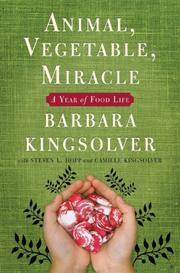
Animal, Vegetable, Miracle: A Year of Food Life
2,270-word summary 10 min read 384 pages in the book
- First published
- 2007
- Publisher
- HarperCollins
- Pages
- 384
- ISBN
- 9780060852559
Reading options
What's inside (6 sections)
I read Animal, Vegetable, Miracle across seasons, a chapter a month, which suits a book about a year of eating local. First published in 2007 by HarperCollins at 384 pages in hardcover, narrative nonfiction by Barbara Kingsolver with husband Steven Hopp and daughter Camille. Family moves to a farm in Virginia to eat only what they grow or buy local for twelve months, except grains and olive oil. Tomatoes, cheese, roosters, canning. Factory food costs weighed against garden gains. Kids learn husbandry. Readers learn seasons. I finished with fuller pantry and clearer choices, not guilt. That generosity is why the book lasts since 2007, named a top nonfiction book that year.
Kingsolver starts with decision, not dogma. After years writing about ecology, she wants to live it with family. Husband Steven, biologist, agrees. Daughters Lily, young, and Camille, teen, agree with conditions. Lily gets chickens. Camille gets to document. They move to Virginia farm with land, learn soil, plan. Rules: eat local except grains and olive oil, buy dry beans in bulk? Actually allow coffee? They allow some exceptions transparently. Honesty about exceptions helps. No purity contest. Just try. That try invites readers without shaming grocery shoppers. We all start where we are. The book meets there, then nudges.
Spring opens with asparagus and hope. Planting tomatoes of many varieties, learning to can, watching roosters. Lily loves chickens, names them, mourns losses to hawks. Camille cooks with what is ripe. Steven explains pollination, soil, water. Barbara narrates with novelist's eye. Dirt smells, seedlings push, rain matters. You feel spring work as joy and ache. Back pain, muddy boots, late frosts killing starts. Yet first harvest tastes like miracle. Tomato warm from vine versus store winter red. Difference shocks. I tasted memory while reading. Summer tomatoes from childhood gardens versus January imports. No contest. That taste argument convinces more than data, though data comes. Food miles, nutrient loss, fuel costs. Facts woven in sidebars by Steven, recipes by Camille. Family collaboration shows on page. Multiple voices, charts, menus. You learn without lecture because stories carry.
Summer abundance and fall work
Summer brings glut and learning to preserve. Zucchini mountains, tomatoes by bushels, beans endless. Family cans, freezes, dries. Lily sells eggs. Neighbors trade. They learn cheese making from goats? Actually they make cheese from dairy? They keep turkeys? Details blur but effort clear. Long days, full freezers, pride. Kingsolver writes about rooster husbandry with humor and respect. Roosters crow early, fight, fertilize, become dinner. Lily names then eats with tears and understanding. That cycle, love and eat, troubles vegetarians and comforts omnivores who want honest meat. The book does not preach vegetarianism. It preaches knowing. If you eat meat, know a rooster lived and died. That knowing changes how much you waste. I ate less meat for weeks after, not from guilt but from attention. Attention is the book's real crop.
Fall brings harvest and reckoning. Did they save money. Did they eat well. Did kids resent. Answers mixed. They spent less on produce, more on time. Time is cost often ignored in local food debates. Who has hours to can. Kingsolver acknowledges privilege. Land, knowledge, flexible schedules. Not all can. She suggests small steps. Farmers markets, one seasonal meal weekly, garden herbs on windowsills. Those steps matter without requiring farms. That inclusivity helps. She does not scold apartment readers. She invites. Grow basil. Know farmer names. Choose one local thing. Small shifts aggregate. That message aged well as local food grew mainstream. Farmers markets boomed after 2007 partly due to books like this. Reading now feels prescient, not dated. Problems remain. Solutions still partial. Keep trying.
Winter tests with storage. Root cellars, canned tomatoes, frozen beans, dried herbs. Meals narrow to squash, potatoes, onions. Creativity needed. Camille's recipes shine here. Soups, gratins, breads. Family craves fresh greens. They sprout indoors. They trade for citrus? Actually they allow some exceptions? They stick mostly, learning hunger for spring. That hunger teaches seasons in bodies, not calendars. We moderns eat strawberries in January without tasting season. They taste February as stored apples and cheese. That limitation feels both hard and rich. I tried a local week in February after reading and failed by day four, craving lemons. Failure taught more than success would. How dependent I am on global supply. How little I know storage. Respect grew for those who do. Start small, fail kindly, try again. That is the book's ethic. Not perfection, practice.
Steven's sidebars give science without overwhelming. Food miles, carbon, water, biodiversity. He explains why local is not always lowest carbon if grown in heated greenhouses versus shipped field grown. Nuance matters. The book does not claim local always wins. It claims knowing wins. Know where food comes from, how grown, by whom paid fairly. That knowing leads to better choices, sometimes local, sometimes fair trade distant. That honesty prevents dogma. Critics who call locavore elitist miss this nuance. Kingsolver admits limits. Bananas? Coffee? She allows some imports transparently. Focus is attention, not purity. Pay attention and choose thoughtfully within means. That is doable for many, not just farmers. I appreciated that after fearing scold. No scold, just invitation with data.
Camille's voice as teen adds freshness. She writes about school lunches, friends thinking family weird, dating with garden dirt under nails. She loves and resents project. That ambivalence helps teen readers. It is cool to care and embarrassing to be different. She navigates both. Her recipes are simple and good. Pesto, salsa, apple butter. Lily's chicken love gives youngest perspective. Naming, losing, eating. Kids learn life cycles early. That learning is gift and grief. Parents reading will note how Kingsolver includes daughters as partners, not props. They choose, complain, contribute. Family project, not parental imposition. That respect models how to do hard family experiments without breeding resentment. Listen, adjust, allow treats. They do.
What nourishes and what nags
What nourishes is prose and practicality. Kingsolver writes fiction lushness applied to garden. Tomatoes as jewels, soil as story. You smell and taste. Recipes work. Menus by month help plan. Resources list farms and books. You finish equipped, not just inspired. At 384 pages it is substantial but readable in pieces. Read a month per sitting. Cook one recipe. Visit one market. That interactive pace suits. Do not binge without acting or you will feel inadequate. Act small alongside. Plant herbs. Can one jar. Taste difference. Those acts anchor.
What nags is privilege and repetition. Land ownership, flexible writer schedules, prior knowledge make year possible in ways many lack. Kingsolver acknowledges but cannot solve. Readers in food deserts may feel distance. She suggests advocacy for better access, but focus stays on family farm. That narrow lens limits. Also, months repeat. Plant, weed, harvest, preserve. About fifty pages could trim for those who get cycle early. I skimmed some summer abundance to reach fall reckoning. Still, repetition teaches seasons. Same tasks different month feel different. Stick with rhythm or skip to months that interest. Winter and spring strongest. Summer lush but long.
Content is gentle. Animal slaughter discussed honestly but not graphic. Roosters killed, turkeys processed. Kids witness with tears and understanding. No sensationalism. Language clean. Good for families, classrooms, book groups. Pair with visits to farms. Suitable for ages ten and up with guidance about food choices. It respects vegetarians and omnivores alike. Choose knowingly. That respect keeps tone kind. No food shaming, only invitation. In diet wars, that kindness stands out. Eat with attention, not anxiety. Good.
Who should taste
Read it if you like narrative nonfiction about food and place, like Omnivore's Dilemma but warmer and family centered. Read it for Virginia seasons, for Lily's chickens, for tomato joy. At 384 pages it feeds.
Skip it if you need fast argument or cannot sit with privilege. This is memoir with data, not policy paper. Solutions partial. If that frustrates, pair with policy books. Skip if farming details bore. Much compost talk. Love it or leave.
For me, the image that stays is Lily carrying eggs carefully across yard at dawn, breath visible, chickens clucking, tomatoes waiting red. Child work as care, not chore. At 384 pages, Animal, Vegetable, Miracle argues miracles are seasonal and shared. Tomato in August, stored soup in February, cheese made together. Industrial food promises always. Real food promises return. Wait, work, taste. That waiting, unfashionable now, restores. I closed it planning a small garden box and a market visit, not a farm. Small is enough to start. Taste one local thing fully. Notice miles not traveled. Thank hands that grew. That thanks, practiced meal by meal, is why the book endures since 2007. Eat with place. Remember season. Miracle follows, ordinary and sweet.
Seasons as teachers
I want to say more about each season, because the book's structure teaches by living. Spring starts with hunger for fresh after winter stores. Asparagus first, then lettuce, peas. Planting tomatoes of dozens of varieties, learning to stake, prune, can. Lily gets chicks peeping in boxes, learns to hold gently, to clean coops, to mourn hawk losses. Camille plants herbs for cooking she loves. Steven tests soil pH, explains nitrogen. Barbara watches frost dates anxiously. That anxiety about late frost killing starts is real for gardeners. One cold night undoes weeks. You learn humility fast. Weather does not negotiate. Cover or lose. That lesson applies beyond garden. Prepare, watch sky, accept loss. Spring teaches hope with caution. Plant extra. Share surplus. Expect some failure. Joy when first tomato ripens makes up for losses. Taste it warm, salted, with family around. That taste is why you planted. Remember in February when eating stored sauce. Summer sun stored in jars. Hope canned.
Summer abundance overwhelms and instructs about enough. Zucchini by armloads, beans daily, tomatoes by bushels. Family cans till midnight, freezes, dries, gives away. Neighbors trade corn for tomatoes. Lily sells eggs for feed money. Learning to say enough is hard when harvest begs to preserve all. They work till tired, then prioritize. What will we actually eat. What rots despite best. Waste teaches humility. Even with care, some spoils. Compost returns to soil. Nothing truly wasted if returned. That cycle comforts perfectionists. Do your best, compost rest. No guilt, just loop. Kids learn work ethic without lectures. Pick beans before school. Wash jars after. Chores as contributions, not punishments. Lily proud of egg money. Camille proud of sauce. Pride in feeding family builds deeper than grades. Schools could learn. Garden curricula teach biology, math, patience. Kingsolver advocates without preaching by showing daughters thriving. Test scores? Actually life scores rise. Health, mood, family talk. Those metrics matter though unmeasured. Notice while reading. What grew in your family alongside tomatoes. Talk. Laughter. Competence. Those harvests last beyond season.
Fall harvest brings reckoning and gratitude. Did year work nutritionally, financially, emotionally. Steven crunches numbers. Less spent on produce, more on time. Time valued? If time is money, local loses. If time is life, local wins. That framing redefines wealth. Hours in garden are not lost wages but gained health, family, taste. Economists miss this. The book does not. It argues time spent feeding loved ones well is wealth. Fall meals reflect. Harvest dinners with everything from farm except oil and grains. Turkey raised and killed with thanks and tears. Lily cries then eats with understanding. That understanding, that meat was a bird she knew, changes eating. Less waste, more thanks. Omnivores who want ethical meat should read these chapters closely. Know, kill kindly if you must, use all, thank. Or choose vegetarian with garden protein. Either way, know. Ignorance is what factory hides. Knowledge restores choice. Choose knowingly after reading. That is all book asks. Not all hunt or raise. Just know where food comes from and who paid. Then choose within means. Small choices aggregate. Buy one local thing weekly. That shift, multiplied, changes markets. Power in carts.
Winter storage tests commitment and creativity. Root cellar with squash, potatoes, onions, garlic. Freezer with beans, tomatoes, turkey. Canned sauces lined like jewels. Meals narrow. Creativity needed to avoid boredom. Camille invents soups, gratins, breads with stored goods. Family craves fresh greens. They sprout lentils indoors, trade for citrus? Actually they allow some exceptions? They stick mostly, learning hunger for spring. That hunger teaches seasons in bodies. Modern eaters never feel February scarcity. They eat strawberries flown. Tasting only stored teaches patience and gratitude when asparagus returns. That cycle mirrors liturgical calendars many forgot. Advent hunger before Christmas feast. Lent before Easter. Bodies need rhythms. Industrial always flattens. Seasonal restores. Try one seasonal month. Eat only stored and local. Feel February. You will taste April differently. That embodied learning exceeds data. Steven's sidebars give carbon numbers, but bodies give meaning. Both needed. Read numbers, feel hunger. Then choose.
If you garden, use this as companion. Month by month tips embedded. When to start tomatoes indoors. How to can safely. How to keep roosters. What varieties do well in Virginia and adapt to yours. It is not manual, but memoir with how to woven. Pair with local extension guides for precision. If you do not garden, use as market guide. What is in season when. Ask farmers. Taste comparisons. The book lists resources that, though dated to 2007, point to ideas still valid. Farmers markets, CSAs, coops. Find yours. Visit. Talk. That talking builds community that outlasts book. Food connects. Use it to connect. At 384 pages, the book gives enough to start without overwhelming. Pick one project. Tomatoes in pots. Herbs on sill. Eggs from neighbor. Start there. Miracle follows, ordinary and sweet, seasonal and shared.
FAQ
When was Animal, Vegetable, Miracle published?
It was first published in 2007 by HarperCollins at 384 pages. It is narrative nonfiction with family help.
What is the project?
Barbara, husband Steven and daughters Lily and Camille grow, can and learn seasonal eating for twelve months.
Similar books
The Anthropocene Reviewed: Essays on a Human-Centered Planet
John Green reviews ordinary parts of human life on a five-star scale, turning geese, keyboards, and sunsets into a warm memoir about attention.
2,982-word summary · 13 min read
Braiding Sweetgrass
A Potawatomi botanist braids plant science with family stories to argue for gratitude and return gifts to the living world.
2,410-word summary · 11 min read
Walden
Thoreau builds a cabin at Walden Pond and spends two years testing what a person really needs to live well.
2,986-word summary · 13 min read
The Omnivore's Dilemma
Four meals traced from corn fields to foraging show what industrial food costs and what else is possible.
1,918-word summary · 9 min read
Kitchen Confidential: Adventures in the Culinary Underbelly
Bourdain on rough kitchens, past drug use, Les Halles years, and why you should never order fish on Monday.
2,562-word summary · 11 min read

Long Walk to Freedom
Mandela's account of a Thembu childhood, a law practice, a banned movement, twenty-seven years in prison, and the negotiation that ended apartheid.
2,454-word summary · 11 min read

In Order to Live: A North Korean Girl's Journey to Freedom
A young North Korean girl crosses the Yalu, survives trafficking in China, and rebuilds her life in Seoul in this unsparing memoir.
2,027-word summary · 9 min read

Too Much and Never Enough: How My Family Created the World's Most Dangerous Man
Mary L. Trump's 2020 memoir traces how a cold, zero-sum Queens household shaped her uncle, and uses family tax documents to challenge his self-made story.
2,059-word summary · 9 min read
Same Kind of Different as Me
An art dealer and a formerly homeless sharecropper tell the story of the friendship that began at a Fort Worth mission and the woman who insisted on it.
2,023-word summary · 9 min read
My Life in France
Julia Child's memoir of learning to cook in Paris, testing recipes for nine years, and becoming the teacher who changed how America thought about French food.
2,038-word summary · 9 min read

Infidel
Ayaan Hirsi Ali's memoir of a Somali childhood, a forced marriage, a Dutch asylum claim, and the political fight that followed the murder of Theo van Gogh.
2,041-word summary · 9 min read
Once There Were Wolves
A biologist reintroduces fourteen wolves to the Scottish Highlands while protecting her traumatized twin sister, then finds a body in the snow that could…
2,682-word summary · 12 min read
Down and Out in Paris and London
Orwell's account of washing dishes in Paris hotels and tramping through London does not ask for pity, only for a clear look at how poverty actually works.
2,282-word summary · 10 min read
Year of Yes: How to Dance It Out, Stand in the Sun and Be Your Own Person
Shonda Rhimes takes her sister’s accusation seriously and spends a year saying yes to the things that frighten her, from live television to her own reflection.
2,585-word summary · 11 min read
The Girl with Seven Names: A North Korean Defector's Story
Hyeonseo Lee crossed the frozen Yalu River at seventeen, spent years hidden in China, escaped to South Korea, and later returned to rescue her family.
2,404-word summary · 11 min read
Love Does
A lawyer and activist tells stories of saying yes, showing up, and loving people through ordinary, often ridiculous actions.
2,411-word summary · 11 min read
Beautiful Boy: A Father's Journey Through His Son's Addiction
David Sheff recounts watching his son Nic slide into meth addiction, and his own desperate, humbling search for how to help without destroying them both.
2,076-word summary · 9 min read
The Magnolia Story
How Chip and Joanna Gaines met, closed their first shop, nearly lost everything in a housing development, and built Fixer Upper.
2,994-word summary · 13 min read
Lone Survivor: The Eyewitness Account of Operation Redwing and the Lost Heroes of SEAL Team 10
Marcus Luttrell's account of the 2005 SEAL mission in Afghanistan that killed three of his team and left him alone.
2,144-word summary · 10 min read
Life
The Rolling Stones guitarist tells his own story: a Dartford childhood, the band's first gigs, the drug raids, the tax years and Patti Hansen.
2,761-word summary · 12 min read
Dry
A memoir of drinking, rehab and relapse, and the strange business of getting sober one morning at a time.
2,643-word summary · 12 min read

Dear Girls: Intimate Tales, Untold Secrets & Advice for Living Your Best Life
Ali Wong's debut collects fourteen letters to her daughters, covering sex, money, work, marriage, Vietnam, and being a working Asian American mother.
2,266-word summary · 10 min read
At Home: A Short History of Private Life
Bill Bryson tours his own Norfolk rectory room by room to explain how private life and the modern home got built.
2,334-word summary · 10 min read
Travels with Charley
Steinbeck drives across America with his poodle Charley, looking for the country he remembers and finding a place that has changed.
2,039-word summary · 9 min read
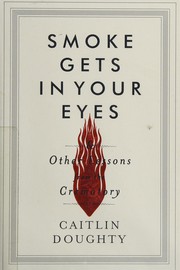
Smoke Gets in Your Eyes: And Other Lessons from the Crematory
A young medieval history graduate takes a job at an Oakland crematory and becomes a mortician, confronting the physical reality of death and the funeral…
2,003-word summary · 9 min read

Scrappy Little Nobody
Anna Kendrick's essays trace her path from a Portland childhood and Broadway to Hollywood, with jokes, anxiety, and a refusal to pretend fame fixed her.
2,092-word summary · 9 min read
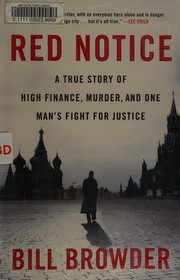
Red Notice
An American financier in Moscow exposes a $230 million tax fraud, watches his lawyer die in prison, and turns the case into an international human rights law.
2,008-word summary · 9 min read
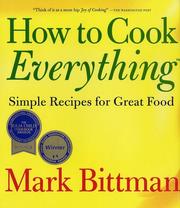
How to Cook Everything: Simple Recipes for Great Food
Bittman's 1998 doorstop taught a generation that dinner is a technique, not a recipe, with master recipes and variations instead of rigid instructions.
2,027-word summary · 9 min read
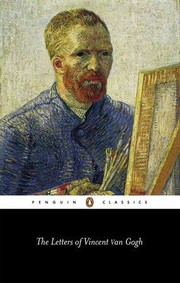
The Letters of Vincent van Gogh
Vincent van Gogh's letters to his brother Theo, in a Penguin Classics selection edited by Ronald de Leeuw, trace a decade of work, faith, and obsession.
2,611-word summary · 12 min read
Lucky
Alice Sebold's memoir of the 1981 rape she survived as a college freshman, the courtroom that followed, and a conviction later proven to be a case of mistaken…
2,091-word summary · 9 min read