
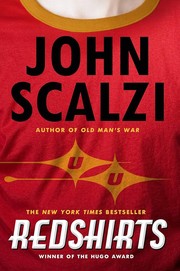
Redshirts
2,152-word summary 10 min read 317 pages in the book
- First published
- 2012
- Publisher
- Tor Books
- Pages
- 317
- ISBN
- 9780765316998
Reading options
What's inside (5 sections)
I read Redshirts on a plane because Star Trek satire suits recycled air and certain death jokes. First published in 2012 by Tor Books at 317 pages in hardcover, comic science fiction that won Hugo and Locus Awards for Best Novel. Ensign Andrew Dahl joins starship Intrepid and notices away teams die around senior officers while he somehow survives. Crew fears assignments. A mentally unstable Jenkins theorizes their reality is under influence of a badly written TV show, Chronicles of the Intrepid, from the past. As writers create plot, free will ceases to progress Narrative. Dahl and ensigns kidnap a senior officer to travel to past and convince creators to end Narrative. They meet actor doubles, strike deals, return to live revised plot. Three codas follow writers, producer's son, actress. I laughed a lot and thought about free will after. At 317 pages it breezes with brains.
Dahl starts as former seminarian expert in linguistics and xenobiology, gifted scientist posted to flagship Universal Union Dub U. He quickly discerns crew phobic of senior officers and away missions due to fatality rate. Over missions, theories range from incompetence to superstitious sacrifice. After close calls, Dahl contacts Adam Jenkins, hiding in cargo tunnels monitoring activity, who offers TV theory. Their reality and timeline under periodic influence of past show. As writers create, characters' free will temporarily ceases. Good officers become incompetent, crewmen make poor decisions, mysterious tech appears to produce last minute inventions. Narrative subject to writers neither military nor scientific, needing artificial drama with on screen deaths. Jenkins explains Dahl and ensigns' routine duties and colorful histories will inevitably make them targets when writers need glorified extras to kill. That explanation lands like horror and relief. Not cursed, just written badly. To survive, confront writers. Brilliant meta premise that could be gimmick but becomes meditation on character and genre like Rosencrantz and Guildenstern. Extras get a life. Good.
Ensigns kidnap senior officer and travel to past with mission to convince creators to end Narrative. Once there, they meet actor doubles and realize exact doppelgangers. Even imagined backstories became integral events. Dahl strikes deal with producer and head writer, who is Jenkins' double, to save producer's comatose son by switching with crew double. Because producer's son appeared as extra, one crew member is identical twin and will revert to young man's personality by staying in past. Conversely, bringing comatose son to future will allow advanced tech and reality altering writing to save life. That swap is clever and humane. Save redshirt by giving him real life in past, save boy by giving him future tech. Both live fuller. No one dies to fix plot. Fix plot to let live. That ethics redeems meta trick. Writers choose to save ensigns with meaningful scenarios rather than cheap deaths. Power used kindly after confronted. Good.
Dahl returns to future and lives revised plot including saving injured crewman. Then fatally injured by shrapnel and resigns to death. Awakening later, learns promoted to Lieutenant and receives message writers chose to save him, remaining episodes will feature ensigns meaningfully rather than cheap deaths. Dahl compares close calls with TV protagonists and deduces another narrative protecting him, wondering if he is protagonist in another story. That final wink breaks fourth wall gently. Are we all protagonists protected by narratives we cannot see. Maybe. Live as if meaningful, not expendable. Good.
Codas and themes
Three codas deepen beyond romp. First, head writer deals with writer's block as consequence of bad choices. Creating cheap deaths blocks creativity. To write well, respect characters even extras. That moral for writers lands. Do not kill for shock. Give lives weight. Second, producer's son, having reverted to crewman personality, determines to do something useful with second chance. He lived as expendable, now lives as privileged son with memory of both. That perspective could make him kinder rich kid. Hopeful. Third, former actress who played extra receives message showing intimate details of woman whose life and death she helped create. She memorializes lost sister on beach and meets head writer who played her character's husband. They date. That coda about actors and characters as siblings across reality moved me most. Performance creates persons who live beyond screen in someone's memory. Honor those you play, even extras. That ethic extends to writing, acting, living. Treat supporting actors as protagonists of own stories. Good.
Themes satirize redshirts, black box, plot armor common in TV sci fi. In course, Scalzi examines free will and what it takes to be hero of own story. Are ensigns free when Narrative controls. Are writers free when ratings demand. Are we free when tropes push. Answers nuanced. Influence exists but resistance possible through awareness and travel to source. Become conscious of Narrative, then negotiate with creators. That meta advice applies to genre readers tired of tropes. Notice when story forces stupid decisions to create drama. Call out. Demand better. Writers can choose to save redshirts with meaningful scenarios. Readers can demand. That dialogue between creators and fans shapes modern TV. Scalzi anticipates. Good.
Characters charm quickly despite large cast. New recruits Dahl, Maia Duvall security with medical experience and Kerensky love interest, Jimmy Hanson best friend engineering rich kid, Jasper Hester only without detailed backstory because created to allow producer's son to appear, Finn maintenance with narcotics penchant who dies shielding captain. Senior officers Captain Abernathy boisterous, Q'eeng science second, West engineer most lethal to be near, Kerensky astrogator who heals fast to be ready next mission masking trauma with alcohol and hedonism, Hartnell medical. Other crew Jenkins unstable theorist, Collins xenobiology superior, Trin, Cassaway, Mbeke who die, Davis devoured by land worms in prologue, Fischer new security chief whose death reveals presence danger, Grover veteran about to retire killed, Black predecessor sacrificed. TV cast Charles Paulson producer, Matt son actor Hester, Nick Weinstein writer actor Jenkins, Mark Corey actor Kerensky, Brian Abnett actor Dahl, Samantha actress Jenkins wife. Many names but distinct voices and fates keep trackable. Finn's death shielding captain hurts because he was shady but brave. Hester trade saves boy. Those sacrifices give weight to comedy. Laugh while mourning. Good.
What shines is breezy fun that works on multiple levels, as Forbes noted. Beach read and surreal meditation like Rosencrantz. You do not need hardcore sci fi knowledge, though Easter eggs delight Trekkies. Away missions, red shirts, technobabble boxes. All mocked lovingly, not cruelly. Scalzi loves Star Trek while critiquing lazy writing. That affectionate satire welcomes newcomers. At 317 pages it flies with short chapters ending on near deaths. Audiobook by Wil Wheaton adds Star Trek actor joy. Listen if you can. His exasperation as ensign fits. Good.
What strains is middle travel to past with exposition about doubles. About thirty pages of explaining doppelgangers and swaps could confuse. Pay attention to who is actor versus ensign. Hester trades with Matt. Jenkins is Weinstein. Dahl meets Abnett. Those mirrors delight if tracked, blur if tired. Take notes or accept blur and focus on deal. Save boy, save ensigns. That core holds even when doubles confuse. Also, codas shift tone from romp to melancholy. Some want more Intrepid after. Codas give writers and actors instead. That shift is point about creators, but can feel anticlimactic after Dahl saved. Stick with codas. They deepen. Writer's block as consequence, son's second chance, actress memorializing. All about responsibility to characters. Sit with. Good.
Content is light for sci fi. Deaths of redshirts discussed comically but with heart, no gore linger. Language moderate with military swears. No explicit sex beyond flirtation. Good for teens older who love Trek and adults who like meta. Pair with Galaxy Quest film. At 317 pages it delights.
Who should beam up
Read it if you like Star Trek with self awareness, like Galaxy Quest in book form, or metafiction about free will. Read it for Dahl's competence and Jenkins's paranoia that proves right. At 317 pages it entertains.
Skip it if you need hard military SF or dislike meta. This breaks fourth wall deliberately. Reality bends to writers. If that annoys, skip. Skip if redshirt deaths, even comic, bother. They die to make point about cheap deaths. Irony may not comfort. Choose earnest space opera instead.
For me, the image that stays is Dahl comparing close calls with TV protagonists and wondering if he is protagonist in another story protecting him. Narrative within narrative. At 317 pages, Redshirts argues extras are protagonists of own stories if they demand meaningful scenarios rather than cheap deaths. Demand from writers, from captains, from universe. Kidnap senior officer if must to travel to source and negotiate. Save producer's son by swapping. Save self by asking writers to write better. That asking, humble and bold, is why book won Hugo since 2012. Write better. Live as protagonist even in red shirt. The Narrative may protect if you make it care. Make it care by living fully in routine duties and colorful histories. Those details make extras unforgettable. Be unforgettable. Live.
Extras, writers, and free will
I want to say more about Jenkins, because paranoia proved right is cathartic for anyone dismissed as crazy. Adam Jenkins hides in cargo tunnels monitoring activity after wife dies to advance plot. He loses wife not to enemy but to Narrative need for motivation. That loss breaks him into theory that saves others. Grief as research. He watches crew avoid senior officers, notes who dies when, builds model of TV influence. Colleagues call unstable. Dahl listens because close calls make open. That listening across credibility gap saves lives. Believe cargo tunnel prophets when patterns fit. Check data, not reputation. Jenkins devises travel to past to change fates, a plan absurd and brave. Kidnap senior officer, use ship tech boosted by Narrative to go back, confront creators. It works because Narrative allows dramatic time travel for sweeps. Use trope against trope. Clever. His double as head writer Nick Weinstein adds poignancy. Creator and theorist same face across realities. Writer blocked because he kills cheaply. Theorist clear because he lives cheap deaths. They meet and recognize. Forgive yourself, Jenkins tells Weinstein? Actually demands better writing to save. That demand from character to creator flips power. Characters can judge writers. Readers can too. Demand better than cheap deaths for emotional impact. Write meaningful scenarios where extras grow. That demand improves TV beyond book. Showrunners, take note. Fans notice redshirts. Give them lives, not just deaths to motivate leads. Good.
Dahl as protagonist who wonders if he is protagonist elsewhere delights because it implicates readers. We protect characters we love by reading on. Does our attention shield. In a way, yes. Popular characters survive because fans demand. Redshirts die because no one advocates. Dahl deduces another narrative protecting him after writers choose to save. Is he protagonist in our story reading. Yes, we root. That rooting may be Narrative he senses. Meta without breaking heart. Feel held by story while questioning. Good. His background as former seminarian expert in linguistics and xenobiology matters more than quirk. He interprets alien languages and narrative languages both. Faith training helps him accept unseen writers like unseen gods. Who writes suffering and why. Theodicy as TV criticism. Why do good ensigns die. Bad writing or mysterious plan. Jenkins says bad writing. Dahl accepts and negotiates for better. That negotiation mirrors prayer. Ask creators to write kinder. Sometimes they listen, as here. Sometimes not. Keep asking. Write fan letters. Demand. That agency within determinism comforts. Not fully free, but heard. Enough to keep serving on Intrepid with eyes open. Good.
Codas extend ethics to actors and families. Head writer blocked after bad choices learns cheap deaths block creativity. To write well, respect characters even extras. That moral for writers lands after romp. Do not kill for shock. Give lives weight. Producer's son given second chance through swap determines to do useful with life. Having lived as expendable Hester, now privileged Matt with memory of both, he can bridge worlds. Privilege with memory of expendability could make kinder rich kid. Hopeful. Actress who played extra receives message with intimate details of woman whose life and death she helped create. She memorializes lost sister on beach and dates writer who played husband. Performance creates persons who live beyond screen in someone's memory. Honor those you play, even extras. That ethic extends to living. Treat supporting actors in life as protagonists of own stories. Baristas, ensigns, extras. Learn names. Give meaningful scenarios, not just orders. Those habits make better ships and shows. At 317 pages, the book practices what it preaches by naming ensigns fully. Dahl, Duvall, Hanson, Hester, Finn. Say names. Remember Finn who dies shielding captain. Mourn, not just count. That mourning distinguishes good captains from bad writers. Be good captains. Write better. Live as protagonist even in red shirt. The Narrative may protect if you make it care. Make it care by living fully. Be unforgettable.
FAQ
When was Redshirts published?
It was first published in 2012 by Tor Books at 317 pages. It won the Hugo Award for Best Novel.
What is the setup?
Ensign Dahl notices away teams die around senior officers because writers need redshirts for drama.
Similar books
Mostly Harmless
Arthur makes sandwiches on Lamuella while Ford steals a Guide Mk II that wipes Earths across realities.
2,059-word summary · 9 min read
Life, the Universe and Everything
Arthur in slippers must stop cricket robots from rebuilding the Wikkit Gate.
2,216-word summary · 10 min read
The Restaurant at the End of the Universe
Arthur Dent flees Vogons, dines at Milliways at the end of time, and strands on prehistoric Earth in Adams' sharp 1980 sequel.
2,749-word summary · 12 min read

The Hitchhiker's Guide to the Galaxy
Douglas Adams' Hitchhiker's Guide retold: Earth's end, Ford, Zaphod, Marvin, and the answer 42.
2,253-word summary · 10 min read
Hogfather
Death fills in for a missing Father Christmas, Susan Sto Helit hunts the Hogfather, and the twentieth Discworld novel turns Santa into a management problem.
2,871-word summary · 13 min read
We Are Legion (We Are Bob)
A dead software engineer wakes up as a self-replicating space probe, clones himself into a squabbling fleet of Bobs, and tries to keep a ruined Earth alive.
2,357-word summary · 10 min read
A Connecticut Yankee in King Arthur's Court
Hank Morgan, a Connecticut factory man, wakes in King Arthur's England, rises to chief adviser, and rebuilds the kingdom until his own inventions turn on him.
2,193-word summary · 10 min read
Breakfast of Champions
A Pontiac dealer breaks down while a broke sci-fi writer brings the book that tells him others are robots.
2,013-word summary · 9 min read

The Martian
Mark Watney is stranded on Mars after his crew leaves him for dead, and survives with botany, repairs, and stubborn humor.
2,271-word summary · 10 min read

Go the Fuck to Sleep
A rhyming bedtime book for adults in which an exhausted father narrates the fourth hour of a toddler's stalling, one profane couplet at a time.
2,291-word summary · 10 min read
Prelude to Foundation
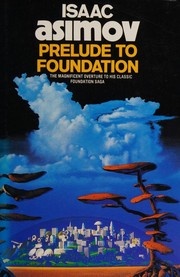
A young Hari Seldon arrives on Trantor with a theory he cannot yet prove, and a hunt through the planet-city forces him to turn psychohistory into a real…
2,013-word summary · 9 min read
Witches Abroad
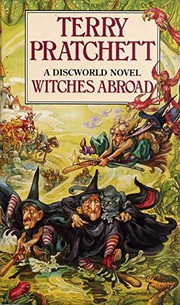
Three Lancre witches fly to Genua to stop a fairy godmother from forcing a servant girl into a storybook marriage, and find a city arranged around a happy…
2,651-word summary · 12 min read
George's Marvellous Medicine
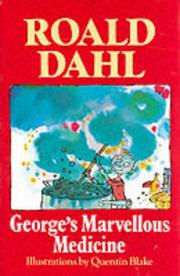
George stirs a brew of dozens of household chemicals and gives it to his grumpy grandmother, and the medicine works far better than anyone planned.
2,014-word summary · 9 min read
Starsight
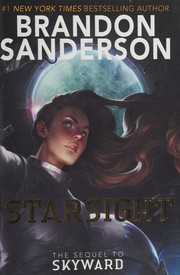
Spensa Nightshade goes undercover aboard the Superiority space station Starsight to steal a hyperdrive, and finds a frightened bureaucracy where she expected…
2,568-word summary · 11 min read
Network Effect
Murderbot's contract job turns into a rescue mission when a hijacked research ship and a colony of corrupted colonists appear.
2,256-word summary · 10 min read
America (The Book): A Citizen's Guide to Democracy Inaction
Jon Stewart and the Daily Show writers turn a high school civics textbook inside out, with a foreword from beyond the grave.
2,511-word summary · 11 min read
Out of the Silent Planet
A Cambridge philologist is kidnapped and taken to Mars, where the natives are civilized and the humans are the dangerous invaders.
2,612-word summary · 12 min read
The Illustrated Man
A tattooed drifter's moving pictures retell eighteen Bradbury stories of children, rockets, Mars and the last night of the world.
2,791-word summary · 12 min read
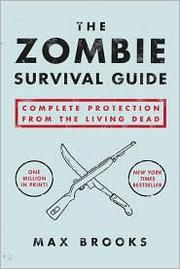
The Zombie Survival Guide: Complete Protection from the Living Dead
Max Brooks's deadpan survival manual explains the Solanum virus, the only ways to destroy the living dead, fortifying a home, and the outbreaks history quietly…
2,650-word summary · 12 min read
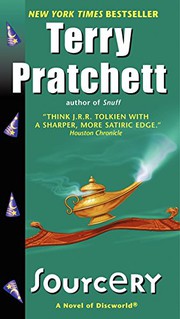
Sourcery
A dying wizard hides his soul in a staff, his eighth son becomes a sourcerer strong enough to break the world, and Rincewind is sent to stop him with a sock.…
2,404-word summary · 11 min read
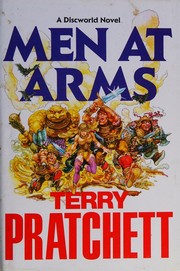
Men at Arms
The City Watch gets new recruits and a murder case when the Disc's only handgun turns up in Ankh-Morpork, in the fifteenth Discworld novel.
2,216-word summary · 10 min read
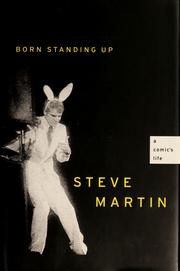
Born Standing Up: A Comic's Life
Steve Martin's memoir of how a shy Disneyland magician's assistant built a strange avant-garde act, and why he walked away from stand-up at his peak.
2,034-word summary · 9 min read
Severance
Candace keeps office routine as fever empties New York, then joins survivors.
2,340-word summary · 10 min read

Seriously...I'm Kidding
DeGeneres strings show stories and home jokes into light life advice.
2,292-word summary · 10 min read
Reaper Man
Death gets fired and farms while Windle Poons refuses to die.
2,579-word summary · 11 min read
Eleven on Top
Stephanie quits bounty hunting for normal jobs, but a killer and a wedding keep pulling her back.
2,508-word summary · 11 min read
Children of the Mind
Ender's children split across worlds as Jane faces shutdown and Lusitania flees.
2,532-word summary · 11 min read

Bridget Jones: The Edge of Reason
Bridget doubts Mark, takes a job with Daniel, and lands in trouble in Thailand.
2,198-word summary · 10 min read
Ancillary Justice
A ship mind trapped in one human body hunts the emperor who betrayed her across frozen worlds.
2,595-word summary · 12 min read

Solaris
Kelvin reaches a silent station above Solaris and finds grief made solid when the ocean returns his dead wife Rheya, testing memory, science, and the limits of…
2,548-word summary · 11 min read