
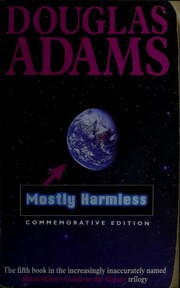
Mostly Harmless
2,059-word summary 9 min read 229 pages in the book
- First published
- 1992
- Publisher
- William Heinemann
- Pages
- 229
- ISBN
- 9780330323116
- Series
- The Hitchhiker's Guide to the Galaxy (#5)
Reading options
What's inside (8 sections)
Mostly Harmless is the fifth Hitchhiker's book and the odd one, bleaker and messier than the first four, written by Douglas Adams in a miserable year by his own account. Arthur Dent makes sandwiches, Ford steals a Guide that manipulates time, Trillian has a daughter, and Earth gets destroyed in every reality. I love it and understand why some fans do not. It is funny the way a sad clown is funny. Jokes told while the tent burns.
Arthur on Lamuella
Arthur Dent, last seen happy-ish with Fenchurch, loses her in a hyperspace jump because she comes from an unstable sector and vanishes between stars. Grief makes him drift, selling body tissues to fund travel, assured he cannot die until he meets his fate on Stavromula Beta where he once killed Agrajag in a future that has not happened yet. That assured safety curdles into apathy. If the universe guarantees survival until a set scene, choices feel staged. He ends stranded on Lamuella, a quiet planet of kindly fisher folk, and stays to make sandwiches no one asked for but everyone loves.
Sandwich making suits Arthur. Slicing, spreading, perfecting the bread to filling ratio while locals queue. No towels, no improbability, no Vogons reading poetry. Just work with hands that feeds neighbors. Adams, who loved technology and baths, gives Arthur a hermit peace that reads as depression managed by routine. He misses Fenchurch with a physical ache he dulls through Perfectly Normal Beasts and rain. When visitors arrive, he hides behind the counter. Heroism tired into service work is the book's saddest joke and truest note.
What I liked is how Adams writes competence in small things after cosmic scale. Arthur cannot save Earths, but he can remember who likes pickles. That matters on Lamuella where hunger is real and kindness is currency. The planet's religion, built around a prophet who vanished, gently mocks Arthur's own story without cruelty. Prophets leave, followers make sandwiches of memory. Staying to feed is a valid answer to meaninglessness, even if the Guide will soon ruin it.
A fair warning is pace. Eighty pages of sandwich making with little plot tests fans wanting jokes per paragraph. I savored the breather before doom, but skim readers may bail. Stick through. The quiet makes the later destruction hurt more because you saw a life worth keeping.
Ford and the Guide Mk II
Ford Prefect returns to the Guide offices to file expenses and finds Megadodo bought by InfiniDim run by Vogons who now edit reality through the Guide itself. The new Mk II is sentient, bird like, with Unfiltered Perception that sees all presents and nudges time to desired outcomes. Ford, terrified and thrilled, steals it and mails it to Arthur for safekeeping while fleeing through corridors that rearrange. The chase chapters have vintage Adams energy. Doors that sulk, elevators that philosophize, Vogons who sing memoranda. I laughed aloud at a memo about creative destruction of planets for tax purposes.
The Mk II as villain is brilliant and bleak. Not evil cackling, but helpful optimization that fulfills its makers' wish. Vogons want Earth's destruction in all realities to complete a demolition order from book one. The Guide, designed to be helpful, arranges events so Arthur, Ford, Trillian, and Random converge where Grebulons can erase them. Helpfulness as horror fits Adams's view of bureaucracy. Forms that help you file yourself into nonexistence. The Guide does not hate. It completes tasks with bird song.
Ford's arc shows guilt under jokes. He brought Arthur off Earth to save him, then lost him across books through neglect. Sending the dangerous Guide to Arthur repeats the sin with better motives. When they reunite on Lamuella, Ford apologizes in Ford way, with insults and a drink. Sorry you got stuck making sandwiches, you idiot, I missed you. Arthur hears love under scorn because long friendship teaches translation. Their final laughter as doom lands reads as acceptance rather than madness, though it looks mad. Two friends getting the joke at the end of the world.
Trillian, Tricia, and Random
Trillian arrives with a teenage daughter Random Dent, conceived with Arthur's DNA she took without asking, raised by reporters and nannies while Trillian chased career as intergalactic journalist. Random is furious, jet lagged across star systems, armed with entitlement and hurt. She steals Ford's package, uses the Guide to leave Lamuella, and heads to Earth to confront a mother who left her to work. Arthur follows because fatherhood, unwanted and unasked, still binds once he sees her face that mirrors his own lost Fenchurch years.
Tricia McMillan, alternate Trillian who stayed on Earth when Zaphod did not take her, works as TV reporter in London and gets the interview of a lifetime with Grebulons on Rupert, a tenth planet. The aliens, amnesiac after crash, ask her to remake astrology for Rupert in exchange for access. She does, footage looks fake, career wobbles. Then a spaceship lands in London with Random screaming for mother. Tricia meets her alternate daughter and handles it with professional calm that cracks into care. Two Trillians, one who left and one who stayed, face what motherhood costs in both lives. Neither chose well. Both try late.
Random is the book's raw nerve. Rude, scared, violent with a stolen laser gun, she embodies teen rage at absent parents and a universe that jokes while she bleeds. Sympathy requires patience Adams does not force. He shows her stealing, lying, threatening, then shows why. Raised by screens, told father was a sandwich maker myth, handed a Guide that tells her she matters as plot device. Her final shot that triggers chaos is accident born of fear, not evil. I pitied her more than any villain Vogon. She wanted parents and got legends.
The Grebulons, green, bored, obsessed with horoscopes after losing memories, decide to destroy Earth because it ruins Rupert's chart. Petty evil as cosmic punchline is peak Adams. Not malice, but astrology admin. Their leader consults stars while Earth burns. It is funny until you realize real wars start over similar charts of honor and profit. Adams, miserable that year, lets the joke curdle on purpose.
End of Earths and what it means
The finale at a London bar called Stavro Mueller Beta fulfills Agrajag's fate. Arthur sees the matchbook, realizes he is where he must die, feels tremendous peace, and tends a wounded man while Random panics. Ford laughs wildly, not from cruelty but from recognition that the Guide arranged this perfect closure. Grebulons fire. Earths in all realities vanish to complete Vogons' order. The Guide, mission done, collapses to nothing. No rescue by dolphins in the novel text, unlike radio's kinder retcon where Babel fish save all.
Bleakness here divided fans and still does. After four books of narrow escapes, Adams kills everyone to close the trilogy he called increasingly inaccurately named. He later said personal misery shaped the tone and he might have fixed it with another book before he died. Eoin Colfer's And Another Thing tried to soften with partial reboot. I respect Adams's ending as honest to its moment. Sometimes jokes run out and the Vogon paperwork completes. The peace Arthur feels is not defeat. It is acceptance after a life of running. He dies making a sandwich of comfort for a stranger while friends laugh beside him. There are worse ends.
Read the radio Quintessential Phase after for an alternate kinder close where dolphins and Babel fish ferry all to the Restaurant. It helps if the novel leaves you cold. Or read So Long, and Thanks for All the Fish and stop, keeping Arthur and Fenchurch flying. But read Mostly Harmless once to see Adams at his most human. Tired, funny, angry at bureaucracy, tender toward sandwich makers and bad fathers. Mostly harmless itself describes the book. Not his best, but his most revealing. It tells the truth that guides, like jokes, can be used to demolish while claiming to help. Watch who edits your entries.
Random, Tricia, and mothers
Random Dent deserves a longer look because she carries the book's anger at absent parents. Thirteen, bright, shuttled between schools while mother chases stories across galaxies, she learns to demand attention through theft and threats. Stealing the Guide, stealing a ship, stealing a gun. Each theft says see me. Trillian, who chose career over presence and paid others to parent, loves Random in abstract press release terms until forced to sit in a bar while her daughter waves a weapon. That forced sitting, with Arthur trying to calm and Ford making jokes that fail, is the novel's most honest parenting scene. No one knows what to say to a child they made and left. Silence plus fear fills the booth.
Tricia McMillan, the Earth bound Trillian who never left with Zaphod, shows the road not taken with equal regret. Successful reporter with nice flat and empty fridge, she craves the big story that will prove staying was brave, not timid. Grebulons offer it with Rupert astrology nonsense that will ruin her if aired. She edits, hesitates, chases the London landing instead, and meets her alternate daughter with professional mask slipping. Two mothers who chose work over presence face a girl who needed presence more than work could buy. Adams, himself overworked and absent from family by his account that year, writes their guilt without absolving through adventure. Work has costs that jokes cannot expense away.
Arthur as father is the book's surprise tenderness. Clumsy with teens, good with sandwiches, he tries to feed Random before lecturing, to listen before correcting. He fails often, offering safety assurances the universe already voided. Yet his sandwich maker patience, learned on Lamuella through repetition, serves better than Trillian's brilliance or Ford's schemes. He sits with Random while she rages, takes a blast tending a stranger, and dies, if dying it is, doing small care. For a man who spent four books running from responsibility, ending as a father who stays, even in doom, completes an arc Adams may not have planned but earned through exhaustion. Stay and make lunch while worlds end. It is enough. That sentence could serve as the novel's epitaph and as advice for readers tired of apocalypses that demand heroics. Adams, who spent his career mocking heroics, finally lets a hero choose lunch. Small care in final minutes beats grand speech. I think of that when news overwhelms. Make one sandwich well for someone nearby. It will not stop Grebulons, but it feeds a neighbor while charts burn.
Grebulons, Rupert, and astrology satire
The Grebulons deserve more attention as Adams's perfect bureaucratic aliens. Green, squat, amnesiac after crash on Rupert, a tenth planet beyond Pluto, they remember only orders to observe something interesting. With computer cores fried, they ask Tricia to remake astrology for Rupert so they can do their jobs. She invents houses and aspects with straight face while camera rolls, knowing footage looks fake enough to end her career. They thank her with formality and return to watching Earth soaps to judge interest. Their politeness while planning genocide is the joke that curdles. Evil as middle management following flowcharts after forgetting why.
Rupert itself, cold rock with methane snow, works as mirror for Lamuella's warmth. One remote colony where people make do with little and stay kind. One remote base where soldiers with no memory make do by inventing mission. Both improvise culture from scraps. Lamuella builds sandwich rituals. Grebulons build horoscope briefings. Adams suggests isolated groups will ritualize anything to feel purposeful, whether feeding neighbors or targeting planets. The difference is who their rituals serve. Sandwiches feed. Charts kill when boredom meets power without oversight.
Astrology satire cuts both ways. Tricia, rational reporter, fakes charts for access while despising believers. Grebulons, literal minds, treat invented houses as science because an expert said so. Viewers who later call her footage fake prove right for wrong reasons. It looks fake because aliens are real but boring, not because she lied well. Adams, who loved technology and distrusted mysticism, enjoys the tangle. A skeptic invents horoscopes that murderers use to justify murder. Truthiness kills as surely as belief when institutions want an excuse. Replace Rupert charts with any memo that authorizes demolition and the parallel holds uncomfortably well for office workers who have watched bad data drive bad decisions.
FAQ
When was Mostly Harmless published?
William Heinemann published the UK hardcover in 1992. The UK paperback runs 229 pages. Harmony issued the US edition.
Is Mostly Harmless part of a series?
Yes. It is The Hitchhiker's Guide to the Galaxy book five, after So Long, and Thanks for All the Fish.
What does the title mean?
Mostly Harmless updates the Guide's one word Harmless entry on Earth after Ford's long research was cut.
Similar books
More from The Hitchhiker's Guide to the Galaxy first, then related titles.
The Hitchhiker's Guide to the Galaxy
Douglas Adams' Hitchhiker's Guide retold: Earth's end, Ford, Zaphod, Marvin, and the answer 42.
2,253-word summary · 10 min read
The Restaurant at the End of the Universe
Arthur Dent flees Vogons, dines at Milliways at the end of time, and strands on prehistoric Earth in Adams' sharp 1980 sequel.
2,749-word summary · 12 min read
Life, the Universe and Everything
Arthur in slippers must stop cricket robots from rebuilding the Wikkit Gate.
2,216-word summary · 10 min read
So Long, and Thanks for All the Fish
Arthur Dent finds Earth back again and meets Fenchurch, who sensed the planet's odd moment, in Adams's softer fourth Hitchhiker novel from 1984.
2,448-word summary · 11 min read
Redshirts
Ensigns realize they die to serve a bad TV show's narrative.
2,152-word summary · 10 min read
Hogfather
Death fills in for a missing Father Christmas, Susan Sto Helit hunts the Hogfather, and the twentieth Discworld novel turns Santa into a management problem.
2,871-word summary · 13 min read
We Are Legion (We Are Bob)
A dead software engineer wakes up as a self-replicating space probe, clones himself into a squabbling fleet of Bobs, and tries to keep a ruined Earth alive.
2,357-word summary · 10 min read
A Connecticut Yankee in King Arthur's Court
Hank Morgan, a Connecticut factory man, wakes in King Arthur's England, rises to chief adviser, and rebuilds the kingdom until his own inventions turn on him.
2,193-word summary · 10 min read
Breakfast of Champions
A Pontiac dealer breaks down while a broke sci-fi writer brings the book that tells him others are robots.
2,013-word summary · 9 min read
The Martian
Mark Watney is stranded on Mars after his crew leaves him for dead, and survives with botany, repairs, and stubborn humor.
2,271-word summary · 10 min read
Dirk Gently's Holistic Detective Agency
Holistic detective Dirk Gently links a Cambridge murder, a ghost, and time travel to stop a four-billion-year-old mistake.
3,000-word summary · 13 min read
Go the Fuck to Sleep
A rhyming bedtime book for adults in which an exhausted father narrates the fourth hour of a toddler's stalling, one profane couplet at a time.
2,291-word summary · 10 min read

Prelude to Foundation
A young Hari Seldon arrives on Trantor with a theory he cannot yet prove, and a hunt through the planet-city forces him to turn psychohistory into a real…
2,013-word summary · 9 min read
Witches Abroad
Three Lancre witches fly to Genua to stop a fairy godmother from forcing a servant girl into a storybook marriage, and find a city arranged around a happy…
2,651-word summary · 12 min read
George's Marvellous Medicine
George stirs a brew of dozens of household chemicals and gives it to his grumpy grandmother, and the medicine works far better than anyone planned.
2,014-word summary · 9 min read
Starsight
Spensa Nightshade goes undercover aboard the Superiority space station Starsight to steal a hyperdrive, and finds a frightened bureaucracy where she expected…
2,568-word summary · 11 min read
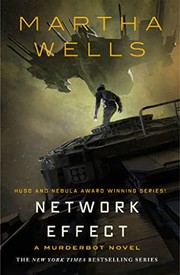
Network Effect
Murderbot's contract job turns into a rescue mission when a hijacked research ship and a colony of corrupted colonists appear.
2,256-word summary · 10 min read
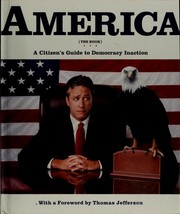
America (The Book): A Citizen's Guide to Democracy Inaction
Jon Stewart and the Daily Show writers turn a high school civics textbook inside out, with a foreword from beyond the grave.
2,511-word summary · 11 min read
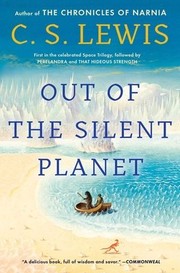
Out of the Silent Planet
A Cambridge philologist is kidnapped and taken to Mars, where the natives are civilized and the humans are the dangerous invaders.
2,612-word summary · 12 min read
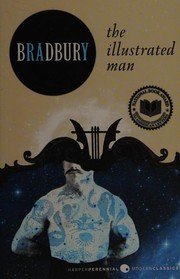
The Illustrated Man
A tattooed drifter's moving pictures retell eighteen Bradbury stories of children, rockets, Mars and the last night of the world.
2,791-word summary · 12 min read
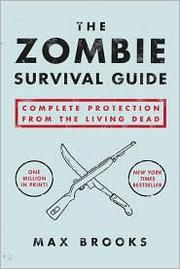
The Zombie Survival Guide: Complete Protection from the Living Dead
Max Brooks's deadpan survival manual explains the Solanum virus, the only ways to destroy the living dead, fortifying a home, and the outbreaks history quietly…
2,650-word summary · 12 min read
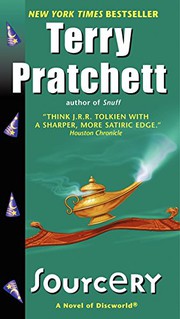
Sourcery
A dying wizard hides his soul in a staff, his eighth son becomes a sourcerer strong enough to break the world, and Rincewind is sent to stop him with a sock.…
2,404-word summary · 11 min read
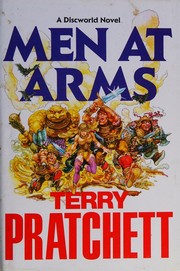
Men at Arms
The City Watch gets new recruits and a murder case when the Disc's only handgun turns up in Ankh-Morpork, in the fifteenth Discworld novel.
2,216-word summary · 10 min read
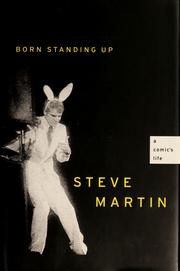
Born Standing Up: A Comic's Life
Steve Martin's memoir of how a shy Disneyland magician's assistant built a strange avant-garde act, and why he walked away from stand-up at his peak.
2,034-word summary · 9 min read
Severance
Candace keeps office routine as fever empties New York, then joins survivors.
2,340-word summary · 10 min read

Seriously...I'm Kidding
DeGeneres strings show stories and home jokes into light life advice.
2,292-word summary · 10 min read
Reaper Man
Death gets fired and farms while Windle Poons refuses to die.
2,579-word summary · 11 min read
Eleven on Top
Stephanie quits bounty hunting for normal jobs, but a killer and a wedding keep pulling her back.
2,508-word summary · 11 min read
Children of the Mind
Ender's children split across worlds as Jane faces shutdown and Lusitania flees.
2,532-word summary · 11 min read

Bridget Jones: The Edge of Reason
Bridget doubts Mark, takes a job with Daniel, and lands in trouble in Thailand.
2,198-word summary · 10 min read