
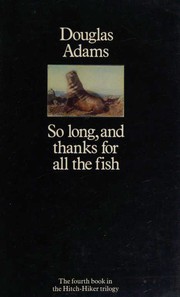
So Long, and Thanks for All the Fish
2,448-word summary 11 min read 191 pages in the book
- First published
- 1984
- Publisher
- Pan Books
- Pages
- 191
- ISBN
- 9780330284981
- Series
- The Hitchhiker's Guide to the Galaxy (#4)
Reading options
What's inside (8 sections)
I came to this one feeling spoiled. The first Hitchhiker book had made me laugh out loud on a train, and the next two kept the jokes coming while the universe kept ending. So I picked up the fourth book, the 1984 Pan Books novel that runs 191 pages, expecting more Vogons and more panic. What I got instead was quieter, stranger, and oddly sweet. Arthur Dent hitchhikes less and feels more. There is still Ford Prefect, still Zaphod and Trillian around the edges, still a deeply gloomy Marvin, but the center belongs to Arthur and a woman named Fenchurch and a question about what happened to Earth.
The setup needs a light touch because Adams himself stays loose with it. Arthur finds his way back to Earth, which should be impossible since the planet was cleared for a hyperspace bypass back in book one. Yet there it is, rain and roads and pubs, more or less as he left it. He tries to make sense of that return while holding onto his dressing gown habits. Then he meets Fenchurch, hears about a worldwide pause everyone half remembers, follows clues toward a man called Wonko the Sane, and ends up chasing what the book calls God's Final Message. I will keep specifics general where my memory blurs and stick to the shape Adams gives the trip.
Arthur back on Earth that should not be there
Arthur starts the book tired in a way I recognized. He has survived planet death, bad food, worse poetry, and long stretches of nothing. He lands back in England and finds life going on as if nothing happened. Cars queue. Phones ring. Someone wants exact change. My favorite early pages are just Arthur trying to be normal again. He buys things. He walks familiar lanes. He watches the sky like it might send a bill.
The joke underneath is that normal will not hold. Arthur keeps noticing small wrongnesses, dates that slip, stories that do not line up, people who remember a strange moment and then laugh it off. Adams writes this with a soft touch rather than a siren. Nobody shouts about aliens in the street. A driver shrugs. A barman changes the subject. You get the sense of a whole planet that agreed, without meeting, to forget something huge because remembering would ruin lunch.
Ford Prefect drifts back into view in this stretch, and I was glad to see him. Ford is still the harried researcher with a towel and a deadline, popping up with half answers and full panic. His scenes with Arthur have the old snap. Ford explains too fast, Arthur misunderstands at exactly the wrong speed, and somewhere in the middle a fact escapes. I missed having more of that pair together, since this book separates them for long runs. When they share pages, the rhythm I loved returns at once.
There is also rain, so much rain, and a minor god of it who sulks through his duties. I am keeping that figure vague because Adams treats him as a passing gag with a sad edge, not a system to learn. He marks weather that follows Arthur around, which suits a man who feels damp in his luck. It is a small comic idea that pays off later in a sweet way, and it shows Adams finding jokes in mood rather than in starships for once.
The girl who noticed everything
Fenchurch enters like a correction to the whole series. She is a young woman living in England who did not forget the strange moment everyone else filed away. During what people call a worldwide pause, she saw or sensed what was happening while the planet jumped, and it changed her. She lost a job path, lost patience with small talk, gained a reputation for being odd. When Arthur hears her story, he does not treat her as a case. He treats her as someone who might confirm he is not mad.
Their first real talks are my favorite part of the book. They trade notes on missing time, on dreams that feel like news, on the loneliness of remembering what friends insist never happened. Adams, who can be all elbows and asides, writes these scenes with unusual care. Fenchurch is funny without being a punchline. She pushes back when Arthur gets vague. She asks plain questions. He answers as plainly as he can, which for Arthur is still pretty cloudy, and she likes him anyway.
The romance grows from shared curiosity more than charm. They go looking together. A road trip of sorts, with tea stops and wrong turns. They test each other's story. She shows him where she was when the pause hit. He tells her, in rough shape, about stars and ships and guides. She believes him faster than expected, which bothered me a little on first read and charmed me on second. After years of books where nobody believes Arthur, watching one person simply say yes feels like water after salt.
Fenchurch steadies Arthur in a way the Guide never could, and Adams lets that be enough for long stretches. No chase, no countdown. They hold hands. They miss a train. They laugh at a bad sign. Readers who came for space opera may fidget here. I fidgeted too, then found I did not want the quiet to end. It helps that Fenchurch has her own want driving her. She is not there to fix Arthur. She wants the truth about what she felt, and he happens to be the one man who can help her name it.
Wonko the Sane and the asylum with the sign
The search leads, by a crooked path, to Wonko the Sane. He is a man who saw instructions for the world, decided the world was mad, and built his own answer. I am staying general on the details because Adams piles specifics that blur if you list them cold, but the shape is this. Wonko lives apart, keeps odd rules, and treats outside life as a locked ward where he is the sane patient. His house and habits read as both joke and protest.
Arthur and Fenchurch arrive skeptical and leave altered. Wonko shows them something he found, something tied to the jump and to missing things, and the scene lands because he is calm about it. No villain speech, no laser grid. A tired man pours tea and points at proof. Fenchurch reacts with hunger. She has waited years for someone to show her she was right. Arthur reacts with dread and hope mixed, since proof means his strange life was never over.
What I like about Wonko is how Adams uses him to mock sense itself. The sane man lives in a hut with strict customs. The sane world builds bypasses through planets and calls it progress. Who gets the label depends on who prints the forms. The comedy here is gentler than the Vogon line cutting of book one, more sad clown than satire. Some readers find the episode slow. I found it the clearest statement of the theme. Sanity looks different after your planet blinks.
There are smaller delights tucked around this visit. A ticket, a queue, a polite argument about procedure that goes nowhere useful. Adams loved offices of the universe, and he gives us a few. They do not top the best bits from earlier books, but they hum along. I laughed once, hard, at a perfectly flat exchange about rules, then felt fond rather than thrilled. That fondness sums up much of this novel for me.
God's Final Message and the old crew
Behind the love story, a larger thread pulls tight. There is talk of God's Final Message to creation, a last word left where the right traveler can find it. Ford has heard rumors. Others have chased them. The idea fits Adams well. After guidebooks and answers that miss the point, why not a sign off note from the top. The search gives Arthur and Fenchurch a destination when wandering starts to drift, and it gives the series a reason to lift its eyes past England.
I will keep the how and where of that message light, partly to leave you the pleasure and partly because Adams keeps the mechanics thin. What matters is who shows up around it. Zaphod and Trillian pass through in lighter turns, more like bright comets than drivers of plot. Ford does more of the legwork, sniffing out leads and dodging trouble. And Marvin, poor Marvin, waits where the story needs him, still depressed after all this time, still finding the bleak lining in every silver cloud.
Marvin nearly steals the book in a few pages. Adams gives the paranoid android a moment of scale that fits his gloom. After parking through ages of waiting, Marvin has seen things no one else has seen, and his complaint takes on weight. I felt real pity under the laugh. The joke of Marvin was always that misery is boring. Here misery becomes a kind of record keeping. He remembers what cheerful people paid to forget.
The closing movement ties Arthur, Fenchurch, and the message together in a way that aims for awe more than punchlines. It is short, bright, and a little rushed. I closed those pages feeling warmed rather than dazzled. Fans who want a big logic trick may feel shortchanged after the famous answer of 42. This book wants a different payoff. It wants two people to stand somewhere vast and feel, for once, addressed.
Why this one feels so different
Tone is the big shift, and it helps to name it plainly. The first books were sketch comedy in space, fast scenes and footnotes and throwaway worlds. This fourth entry reads like a romantic comedy that wandered into science fiction and decided to stay. The Guide itself appears less. The jokes come slower. Whole chapters pass in pubs, cars, and living rooms. Adams even lets sentiment sit without puncturing it right away, which old fans may find strange.
Pace follows tone. At 191 pages this is a slim book, yet parts of the middle feel long because so little threatens the leads. No one is about to be thrown into vacuum for chapters at a time. The tension is inner and curious. Will Arthur trust this return. Will Fenchurch get proof. Will they stay together once they know. That is enough for me on most days, but I admit I missed the old engine of escape. A book can be pleasant and still feel thin, and this one sometimes does.
The science fiction furniture also thins out. Time skips, a rain god, a message at the edge, these float by without manuals. Adams never loved hard rules, but earlier books piled inventions fast enough to hide the gaps. Here the gaps show. If you love lore, you may shrug. If you love Arthur finally getting a win, you will forgive plenty. I forgave plenty, then wrote grumpy notes in the margin anyway. Both reactions fit.
One more change worth noting is language. Adams still coins and twists, still loves a deadpan aside about humans and their habits. But the metaphors lean watery and soft, rain and rivers and seas, and the sentences run longer when Arthur and Fenchurch talk. It is pretty writing by his standards, less showy than the Guide entries and more patient. I underlined a few lines about ordinary streets feeling alien after space, then chose not to copy them here since I do not trust memory with wording. Trust that the feeling lands.
What I loved and where it wobbles
What I loved most was Arthur allowed to be happy for pages at a time. After three books of being the towel clutched punching bag, he gets tea with a woman who listens, a puzzle that suits him, and luck that bends toward kind. His fussiness turns from panic into care. He worries about the right change, the right stop, the right words. Watching competence grow in such an incompetent hero is a quiet thrill. Fenchurch deserves credit for that shift. She treats him as a source, not a stray.
I also loved the small human comedy back on Earth. Pub talk, road works, estate agents of the soul, that sort of thing. Adams writes England with the same alien eye he once aimed at Betelgeuse, and the effect is warm. A queue becomes a ritual. A phone call becomes a trial. Anyone who has tried to explain a strange week to polite friends will feel seen. These chapters show what the series always claimed. The most alien planet is home.
Now the wobbles, and they are real. The plot is thin even by Adams standards. Clues arrive because someone mentions them, not because anyone earns them. Wonko hands over a key step. Ford ferries news. The message waits where it needs to wait. Cause and effect feel loose, like notes toward a story rather than the story. I finished with a happy glow and a nagging sense that little had been risked.
The old crew gets shortchanged too. Zaphod blazes past without much to do. Trillian gets less than she deserves after carrying key scenes before. Ford has energy but no arc. Marvin gets a strong beat yet vanishes around it. If these are your favorites, adjust hopes. This is Arthur and Fenchurch first, everyone else in support, and the book does not pretend otherwise.
And yes, some longtime readers call this the weakest of the five, and I see why even as I keep my own soft spot. The romance shift narrows the scope. The jokes per page drop. The ending leans sweet where the series used to lean sharp. I would still press it on a tired friend over many louder books. It reads fast, it leaves a kind aftertaste, and it sets up the next turn without demanding homework. Just know what it is. A breather, a love letter with footnotes, a man and a woman trying to read a note the universe left on the fridge.
If you read it, track two threads as you go. One is memory, who remembers the pause and who paid to forget. The other is kindness, who offers Arthur food, shelter, belief. Adams spreads both through pubs and planets alike. Follow them to the closing pages and the title will click into place. It is a farewell and a thanks, aimed at more than dolphins, and meant, I think, for anyone who ever looked up during an ordinary day and felt the world skip.
FAQ
Where does So Long, and Thanks for All the Fish fit in the series?
It is the fourth book in The Hitchhiker's Guide to the Galaxy. It was first published in 1984 by Pan Books, and the edition cited here has 191 pages.
Who is Fenchurch and why does she matter?
Fenchurch is a young woman Arthur meets in England who felt something strange during a worldwide pause. She becomes his partner in the search for meaning behind that moment.
Do I need to read the earlier Hitchhiker books first?
You can, since the plot is mostly self contained, but Arthur, Ford, Zaphod, Trillian, and Marvin carry jokes and history from earlier books. Reading at least the first book helps.
Similar books
More from The Hitchhiker's Guide to the Galaxy first, then related titles.

The Hitchhiker's Guide to the Galaxy
Douglas Adams' Hitchhiker's Guide retold: Earth's end, Ford, Zaphod, Marvin, and the answer 42.
2,253-word summary · 10 min read
The Restaurant at the End of the Universe
Arthur Dent flees Vogons, dines at Milliways at the end of time, and strands on prehistoric Earth in Adams' sharp 1980 sequel.
2,749-word summary · 12 min read
Life, the Universe and Everything
Arthur in slippers must stop cricket robots from rebuilding the Wikkit Gate.
2,216-word summary · 10 min read
Mostly Harmless
Arthur makes sandwiches on Lamuella while Ford steals a Guide Mk II that wipes Earths across realities.
2,059-word summary · 9 min read
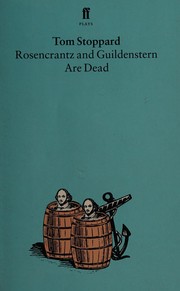
Rosencrantz and Guildenstern Are Dead
Stoppard's 1966 play retells Hamlet from the wings, where two minor courtiers wait, joke, and walk toward a death they cannot see.
2,021-word summary · 9 min read

Emma
Emma Woodhouse matchmakes Harriet Smith in Highbury while missing Mr Knightley beside her.
3,369-word summary · 15 min read

Dirk Gently's Holistic Detective Agency
Holistic detective Dirk Gently links a Cambridge murder, a ghost, and time travel to stop a four-billion-year-old mistake.
3,000-word summary · 13 min read

Archenemies
Nova steals for the Anarchists while Adrian hides his Sentinel identity, and a serum that erases prodigy powers puts them both at risk.
2,485-word summary · 11 min read

Shopaholic and Sister
Becky Brandon returns from a ten-month honeymoon to meet the half-sister she always wanted, then discovers that Jess is thrifty, prickly, and nothing like the…
2,591-word summary · 12 min read

Carve the Mark
On a planet divided between conquered and conqueror, the tyrant's sister and a kidnapped oracle's son discover that their gifts make them useful to everyone…
2,340-word summary · 10 min read
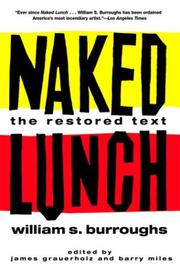
Naked Lunch
Burroughs's banned 1959 collage novel follows Bill Lee through addiction, Tangier, and the nightmare bureaucracy of the Interzone.
2,082-word summary · 9 min read

Ivanhoe
A disinherited Saxon knight, a great tournament, a besieged castle and a trial by combat. Scott's most famous novel, set in England in 1194.
2,834-word summary · 13 min read
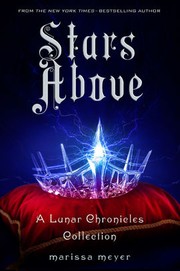
Stars Above: A Lunar Chronicles Collection
Nine Lunar Chronicles stories fill in the histories of Cinder, Wolf, Thorne, Cress, Winter, and Jacin, and end with a wedding after the war.
2,230-word summary · 10 min read
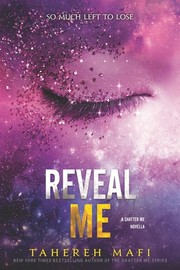
Reveal Me
A Shatter Me novella told by Kenji, set between Defy Me and Imagine Me, as the rebels learn Anderson has taken hostages and Juliette faces Emmaline.
2,098-word summary · 9 min read
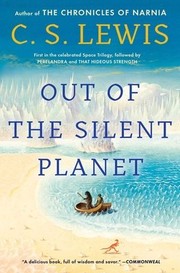
Out of the Silent Planet
A Cambridge philologist is kidnapped and taken to Mars, where the natives are civilized and the humans are the dangerous invaders.
2,612-word summary · 12 min read

Doctor Zhivago
A doctor and poet lives through revolution, war, and love in Pasternak's novel of private life under the pressure of Russian history.
2,213-word summary · 10 min read

Wither
In a future where women die at twenty, sixteen-year-old Rhine is sold as a bride to a wealthy stranger and plots an escape from a beautiful prison.
2,395-word summary · 11 min read
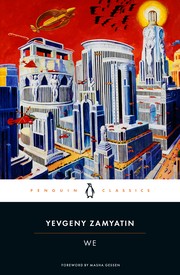
We
In a city of glass ruled by the Benefactor, a state engineer building a spaceship falls for a woman who wants to tear the One State down.
2,247-word summary · 10 min read
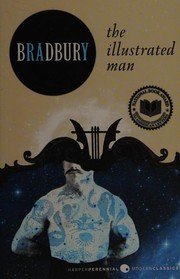
The Illustrated Man
A tattooed drifter's moving pictures retell eighteen Bradbury stories of children, rockets, Mars and the last night of the world.
2,791-word summary · 12 min read
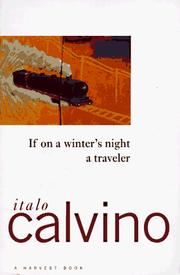
If on a Winter's Night a Traveler
You, the Reader, chase a defective novel through bookshops and translators while ten other novels keep interrupting. Calvino's famous puzzle about the act of…
2,173-word summary · 10 min read
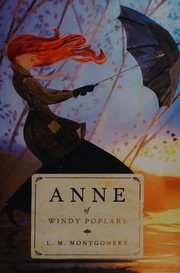
Anne of Windy Poplars
Anne spends three letter-filled years as principal of Summerside High, outlasts the Pringle clan, and warms a lonely vice-principal and a dreaming little girl…
2,599-word summary · 12 min read
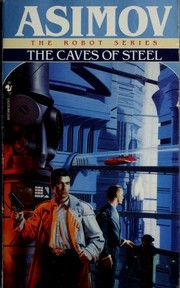
The Caves of Steel
Detective Elijah Baley must solve a Spacer's murder in a domed New York, partnered with R. Daneel Olivaw, a humaniform robot built in the victim's image.
2,445-word summary · 11 min read

Ten Big Ones
Stephanie witnesses a gang robbery dressed as a devil, and the Comstock Street Slayers put her on a list of people to kill.
2,062-word summary · 9 min read
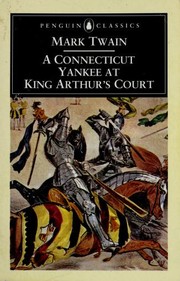
A Connecticut Yankee in King Arthur's Court
Hank Morgan, a Connecticut factory man, wakes in King Arthur's England, rises to chief adviser, and rebuilds the kingdom until his own inventions turn on him.
2,193-word summary · 10 min read
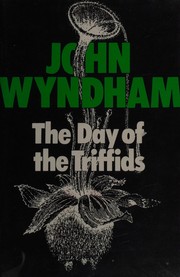
The Day of the Triffids
Blinded survivors flee carnivorous plants after a meteor shower.
2,171-word summary · 10 min read

Redshirts
Ensigns realize they die to serve a bad TV show's narrative.
2,152-word summary · 10 min read
I Capture the Castle
Cassandra journals six months of love and money trouble in a castle.
2,402-word summary · 11 min read

Bridget Jones: The Edge of Reason
Bridget doubts Mark, takes a job with Daniel, and lands in trouble in Thailand.
2,198-word summary · 10 min read

Anne's House of Dreams
Newlyweds Anne and Gilbert start in a seaside house with kind neighbors.
2,465-word summary · 11 min read

A Canticle for Leibowitz
After nuclear war, monks save books across centuries while the world rebuilds and falls again.
2,381-word summary · 11 min read