
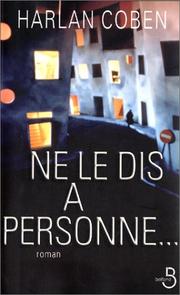
Tell No One
3,579-word summary 16 min read
- First published
- 2001
- Publisher
- Delacorte Press
- ISBN
- 9780385335553
Reading options
What's inside (8 sections)
I picked this up because I wanted to see where Harlan Coben started his standalone run. Published in 2001 by Delacorte Press, Tell No One was his first standalone thriller after his series work, and it set the template he would use for years. Grieving man. Buried past. A message that should be impossible. I read it on a weekend with my phone face down, and I kept flipping pages past midnight. This is a full retelling, so every major turn is below.
My entry point was simple. I like missing person stories where grief never settles. Beck interested me right away because he is not a cop or a spy. He is a doctor trying to live a normal life after horror. When the book opens, eight years have passed since the worst night of his life, and he still measures time from it. That kind of wound does not close clean. Coben gets that. He writes Beck as tired and decent and stuck, a man who shows up for work and for family while part of him stays at a lake in the past.
A lake, a murder, eight years
Beck and his wife Elizabeth grew up together in the way that makes love feel fated. Childhood friends. Teen sweethearts. Adult partners who still liked each other. Coben gives us their history in warm flashes. Summer swims. Shared jokes. A bond with her family that survived into marriage. You feel what Beck lost, which matters because the whole plot runs on that loss.
Eight years before the main story, they went to a lake. It was a place tied to their youth, remote enough for privacy and dark enough for fear. What happened there left Elizabeth dead. Beck was hurt badly and left for dead himself. He survived. She did not. The official account said murder during a random attack or robbery gone wrong, the kind of verdict that lets a town move on while a husband cannot.
Beck lived through the aftermath in a fog. Hospital. Funeral. Police questions. Sympathy that curdles into suspicion, as it often does for husbands left alive. He was cleared, or at least never charged, but whispers followed. He went back to medicine. He worked long shifts. He tried to date once or twice and stopped. He kept photos. He visited the grave. He talked to Elizabeth in his head on bad nights.
Coben does not rush this setup. He lets Beck's routine carry weight. Early shifts. Coffee gone cold. Charts and rounds. A sister who checks on him and teases him back toward life. Friends who invite him and stop inviting him when he declines too often. Grief here is not a speech. It is missed calls and an empty side of the bed and a closet he cannot clean out.
Then the present breaks open. Beck gets a message. It is short and strange and personal. It tells him to tell no one. It points to a time and a place to watch. It uses details only Elizabeth would know, small private markers from their shared past. A phrase. A memory tied to a kiss at the lake years ago. Beck stares at the screen and feels the floor tilt. It reads like a prank until it does not.
I loved how Coben stages this. No thunder. Just a man at a keyboard late at night, rereading lines, checking the sender, telling himself it cannot be real while his hands shake. Beck wants it to be false and wants it to be true in the same breath, and that split drives the whole book. If Elizabeth lived, his grief was a lie. If someone fakes her voice, his grief is being used. Either way he cannot ignore it.
The email that says tell no one
The message leads Beck to a live feed or timed clip, depending how you picture early internet video. The tech reads old now, and I will get to that, but in story terms it works. At a set hour, Beck watches a scene that seems to show Elizabeth alive. The image is brief and grainy. A woman in a crowd. A face turned half away. Light poor. Time short. Enough to ignite hope. Not enough to prove.
Beck replays it until his eyes burn. He freezes frames in his mind. He tells himself it could be a lookalike. He tells himself no lookalike would know that phrase. He tries to trace the sender and hits walls. Anonymous routing. Borrowed accounts. Someone who knows how to hide. That skill scares him more than the message. A cruel teen would brag. This sender plans.
He follows the next nudge. Another note. Another small test only the two of them would pass. A question about a scar. A reference to a song or a spot by the water. Each hit lands like a pulse. Coben spaces these well. Beck gets just enough to keep moving and never enough to rest. He starts lying to people around him, which for an honest man feels awful. He skips work events. He takes odd drives. He checks his inbox the way addicts check a stash.
The order to stay silent isolates him. Tell no one sounds like protection, but it also cuts Beck off from help. He cannot ask his sister what she sees in the image without breaking the rule. He cannot ask police to trace it without risking the thread. He cannot tell his lawyer friend the full story without putting that friend in a bind. So he carries it alone, and alone makes him sloppy. He misses tails. He misreads kindness as threat and threat as kindness.
One scene I liked has Beck in a public place at the appointed time, watching strangers for a face. Coben writes crowds well. Hats and scarves. Phones held up. Kids darting. Beck scanning and failing, then catching a flash that might be her. His chest seizes. He pushes through bodies. He reaches the spot seconds late. Gone. That miss hurts more than no show would have. It keeps him hooked.
There is also a quiet thread about guilt. Beck replays the lake night and blames himself for choices that seem small now and felt small then. Parking a bit far. Swimming out a bit late. Turning at a sound a second too slow. Survivors do this. Coben lets Beck spiral without turning it into self pity. Work helps for hours. Night brings it back. The emails weaponize that guilt. If you had moved faster, she would have lived. If you tell, she will die now. It is a cruel lever and it moves him.
By the end of this stretch, Beck believes two things at once. Someone wants him to think Elizabeth survived. Someone with power wants him watched. Strange cars linger. His phone clicks. Men ask casual questions that feel rehearsed. He does not know if the watchers sent the mail or hunt the sender. He only knows his quiet grief has become a live case again.
The body that does not match
While Beck chases pixels, the ground shifts under the old case. Police and federal agents reopen interest in Elizabeth's death after new facts surface. I will keep this general rather than invent lab language. The core is simple and shattering. A body thought to be hers may not line up. An exhumation or fresh review raises doubt about identity or timing. Records that once looked clean now show gaps.
For Beck this is worse than the emails. Messages can be faked. Graves should not lie. If the remains in her plot are not as recorded, then the whole history of the last eight years rests on error or fraud. He thinks of the funeral. The closed casket or the viewing he barely recalls through sedatives. The priest. The dirt. The stone with her name. He feels sick.
Law enforcement reads the mismatch another way. To some cops, a wrong body points at the husband. Maybe Beck hid the real body. Maybe he paid for a swap. Maybe grief was performance. Beck, who can barely lie about being late to rounds, now faces interview rooms where every pause counts against him. Detectives ask about money. About fights. About affairs that never happened. They ask why he never pushed for more inquiry if he doubted. He has no good answer except shock and shame.
Coben handles the procedural side with pace rather than depth. We get interrogations and press and lawyers conferring in halls. Beck's lawyer friend steps in, warns him to stop talking, walks him through what not to sign. His sister stands by him with fierce loyalty and sharp questions. She loves Beck and she also sees when he hides. Their scenes give the book heart. She brings food he does not eat. She sits while he stares. She tells him he looks terrible in the way only family can.
Meanwhile other deaths pile near the case. People tied to the lake night or to the new inquiry turn up hurt or dead. A witness who might have talked goes silent for good. A hard man with ties to old money watches from the edge. Coben keeps these figures blurry on purpose for a long stretch. You sense reach. Money that buys silence. Phones that go dead when you need them. Files that thin out.
One strong sequence has Beck called in for formal questioning while his inbox burns with another timed note. He sits under lights answering the same questions while the clock ticks toward a window he will miss. He sweats. He asks for water. He thinks of Elizabeth's face in grainy video. The detectives think his nerves prove guilt. Readers know his nerves prove divided loyalty. That gap between what police see and what we know creates real tension.
The mismatch forces everyone to pick a theory, and none of them comfort Beck. If Elizabeth died that night but the body was moved or swapped to hide something else, who had power to do it. If she lived and someone buried a stand in, where has she been for eight years and why now. If the lab erred, why do the emails know private things. Each path costs him. Each path makes him look worse to someone.
On the run
Halfway through, flight becomes the only move. Evidence or timing puts Beck in danger of arrest, or worse, in danger from people who do not wait for warrants. His lawyer tells him to sit tight. His gut tells him sitting tight will kill the one chance to learn truth. He runs.
The run section is pure Coben. Beck is no action hero. He gets winded. He bleeds. He makes dumb choices under stress. He trusts a stranger too fast, then doubts a friend too long. He sleeps in cars. He doubles back. He throws a phone away and then misses it. I found this more engaging than slick chases because Beck fumbles like a real civilian would. He is a doctor, not a commando. His skills help in small ways. He stays calm with injury. He reads people in pain. He notices when a story does not fit a wound. Those bits felt true.
Help comes in pieces. His sister risks herself to pass cash and keys and warnings. His lawyer friend bends rules to buy time and takes heat for it. An online contact or hired tech hand helps trace the mail chain a step further before it cuts out. Beck learns to use pay phones and blind drops and timed meets. The dated tech shows here. Internet cafes. Slow loads. Cameras with tape. In 2001 this felt current. Now it reads like a period piece, but the fear underneath still works. Being tracked through tools you need is timeless.
Pursuit comes from two sides. Police want him for questioning and then for custody. They set perimeters. They pull car records. They lean on family. The other side wants him silent for good. These are professionals or paid amateurs with guns and patience. Coben stages near misses in parking garages and stairwells and woods near water. Beck escapes more by luck than skill, slipping through a door before it locks or getting lost in a crowd at the right second. If you dislike coincidence, this stretch will test you. I counted at least three saves that needed perfect timing. I forgave them for pace, but I noticed.
One chase beat stuck with me. Beck hides in a hospital, his own world turned strange. He knows the halls and supply closets and shift rhythms, so he moves well for once. But every white coat looks like a threat and every page overhead sounds like his name. The place where he heals becomes a trap. Coben uses that flip well. Competence at work does not equal safety when the hunters know your habits.
Emotional beats land between sprints. Beck calls his sister from a borrowed phone and cannot say where he is. She cries and curses him and tells him to stay alive. He leaves a message for his lawyer that sounds like goodbye. He thinks of Elizabeth as a teen laughing at the lake before any of this, and the memory steadies him more than fear does. Those pauses keep Beck human when plot threatens to turn him into a token.
The run also exposes how thin his support is. Neighbors close doors. Colleagues avoid his eyes. News paints him as a grieving husband turned suspect, which is catnip for cameras. Coben shows media as hungry rather than evil. Reporters stake out the sister's house. A anchor speculates on air. Beck watches himself become a story and hates it. It mirrors his day job in a bleak way. He once gave statements to families. Now strangers parse his face for guilt.
Who pulled the strings
I will stay general on names and roles here to avoid stating uncertain details as fact. The shape of the answer matters more than a roster. Behind the lake attack and the long silence sits a knot of money and power and family shame. A wealthy household with a cruel streak. A son or hanger on whose violence was cleaned up as habit. Fixers who bury files and bodies with equal calm. Their motive that night was not grand conspiracy at first. It was cover for ugly behavior that went too far. Over years the cover grew into system. Payoffs. Threats. A false record that held because no one with clout wanted it poked.
Elizabeth got caught in that machine. Without spoiling beat by beat, she learned or saw something that made her dangerous to protected people. The lake gave cover. Darkness and water and a young couple alone. Beck was meant to die too, or to be ruined enough that no one would hear him. His survival was the loose thread. For eight years the thread held because grief kept him quiet and the false grave kept questions down. The emails yanked it.
The sender question powers the last third. Is Elizabeth alive and reaching out through cutouts. Is a friend of hers finishing her work. Is an enemy luring Beck into the open to end it. Coben doles clues that point each way. A witness recalls a woman matching her years later in another city, living small and scared. A paper trail hints at funds moved to keep someone hidden. A hard eyed helper warns Beck off with words that sound like care. I guessed wrong twice, which I count as a win for misdirection.
The villain reveal, when it lands, is more about reach than charisma. The people at the top are cold and entitled rather than vivid. They order harm the way others order lunch. Their fixer does the wet work with flat efficiency. I found this part thinner than the Beck chase. After so much time in Beck's head, the bad guys read as functions. Rich. Ruthless. Shielded. One has a temper that explains the original violence. Another has a calculator where a conscience should be. It suffices for plot but not for memory. You will remember Beck and his sister long after you forget the boardroom voices.
The final confrontations move fast and bloody. A meet set by email turns into a trap. A safe house proves unsafe. Beck walks in expecting answers and finds guns. People he trusted show other faces. One ally bends under threat. One stranger proves braver than expected. Beck, unarmed and outmatched, uses wits and nerve and a doctor's eye for bodies to survive moments he should not. There is a scene near water that echoes the lake night, and Coben lets past and present blur for Beck in a way that felt earned rather than cute.
The Elizabeth question resolves in a manner I will not spell out fully, but I can say it honors grief more than twist hunger. Coben gives Beck a clear accounting of what happened that night and why the messages came now. Some readers will find it sad rather than shocking. I did. The last pages choose feeling over fireworks. Beck must live with what survival cost and what love could not stop. He gets truth, or most of it, and truth does not heal clean. It only lets him start again without lies.
What holds up and what creaks
Fair criticism first, because this book invites it. Coincidence does heavy lifting. Beck slips nets that should hold. Emails arrive at perfect beats. Helpers appear in alleys at the right second. Villains with vast reach miss easy kills to keep plot alive. If you read thrillers for airtight logic, you will snort more than once. I snorted, then kept turning pages, which tells you where I land. Pace papers over holes while you read. Holes show later when you think.
The villains are thin, as noted. They have power but little texture. One brutal act defines them and then they repeat it at scale. I wanted one scene that made their world feel real beyond menace, a dinner or a deal where charm masks threat. Without it they feel like weather. Dangerous, but blank. Coben later learned to give his rich bad guys odder habits and sharper lines. Here they are still sketches.
Tech has aged. Anonymous email tricks and grainy web video and tape over lenses once felt slick. Now young readers may smile. Trace times that took hours now take seconds. Cameras everywhere would change half the moves. None of this breaks the story if you accept 2001 as setting, which you should. Read it as period. The bones are strong. A lost love pinging from the void still chills, even if the ping now would come through other apps.
What holds up is Beck. He is a strong everyman lead. Kind without being soft. Smart without being brilliant. He makes moral calls under pressure that cost him. He refuses to trade innocent lives for answers. He keeps doctor habits in a killer plot, checking pulses and pressing cloth to wounds even while hunted. His love for Elizabeth never turns possessive or saintly. He remembers fights as well as kisses. That balance kept me with him through contrived stretches.
Family heart helps too. His sister is more than support. She argues and acts and pays for loyalty. His lawyer friend risks a career for principle, not for fees. Those bonds give the chase stakes beyond survival. Beck is fighting for more than his own safety. He is trying not to drag down people who chose to stand near him. When he runs, he thinks of their doors being knocked. That guilt slows him and humanizes him.
Coben's pacing also holds. Short chapters. Clean hooks. Reveals timed to make you start the next section. He withholds without cheating too badly, at least on big beats. Clues about the lake night and the grave and the money are planted early enough to feel fair. The final shape may lean on luck, but the path is marked. I admire that craft even when I question the odds.
A word on the film. A French screen version came out in 2006 and found a wide audience, which speaks to the story's core strength. I will not compare plot points in detail here. In general, film viewers praise tension and feeling over mechanics, much like book readers do. If you saw it first, the book still offers more interior grief and more time with Beck's family circle. If you read first, the film is worth a night for mood, with allowances for changes that films always make.
Would I press it on a friend. Yes, with a clear pitch. If you want a fast, emotional chase with a decent man at the center and a mystery rooted in old loss, start here. Accept some lucky breaks and pale villains and dial up patience for early internet tech. You will get a propulsive middle, a sad and satisfying close, and a good sense of why Coben built a career on ordinary people hit by buried pasts. I closed it tired and a bit wrung out, in the way of good thrillers that care about hearts as well as traps. For a first standalone, that is a real achievement, and it made me reach for his next one.
FAQ
Who is Beck in Tell No One?
Beck is a doctor whose wife Elizabeth was killed eight years earlier. He gets a message that suggests she may still be alive.
When was Tell No One published?
It was published in 2001 by Delacorte Press as Harlan Coben's first standalone thriller.
Was Tell No One made into a film?
Yes. A French film version was released in 2006 and brought the story to a wider audience.
Similar books

Six Years
A professor who promised to forget the woman he loved sees her husband's obituary and discovers that the wedding, the marriage, and the woman herself may never…
2,076-word summary · 9 min read
When No One Is Watching
Sydney Green watches her Brooklyn block's Black residents vanish one by one in Cole's Edgar-winning thriller about gentrification as a crime scene.
2,165-word summary · 10 min read
Before the Fall
A private jet falls off Martha's Vineyard. A painter and a small boy survive, then face grief and the news cycle.
2,185-word summary · 10 min read

Inferno
Dan Brown's Inferno retold: Robert Langdon wakes in Florence with lost memory, follows Dante's clues with Sienna Brooks from Palazzo Vecchio to Venice and…
2,395-word summary · 11 min read
The Da Vinci Code
Dan Brown's The Da Vinci Code retold: a Louvre murder, Sophie Neveu, the Grail cryptex, and the chase to Rosslyn.
2,590-word summary · 12 min read

Angels & Demons
Dan Brown's Angels & Demons explained: a murdered physicist, the Illuminati, four missing cardinals, and Robert Langdon racing through Rome to stop an…
2,548-word summary · 11 min read

The Woods
Twenty years after two teenagers were murdered and two vanished at summer camp, prosecutor Paul Copeland identifies a fresh corpse as one of the missing.
2,490-word summary · 11 min read

The Boy from the Woods
Wilde, found feral in a New Jersey forest in 1986, hunts for a missing teenager while a senator's secrets tear a wealthy town apart.
2,270-word summary · 10 min read
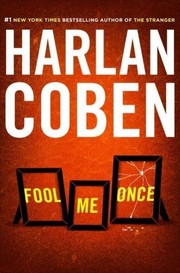
Fool Me Once
Widowed Maya sees murdered husband on nanny cam and digs into family lies.
2,104-word summary · 9 min read

What She Knew
Rachel lets her eight-year-old son run ahead in a Bristol park, and the nine-day search turns her into a suspect in the public eye.
2,952-word summary · 13 min read

The Beach House
A young valet is beaten to death at a Hamptons party, and his law-student brother spends a year building a case against the family that covered it up.
2,049-word summary · 9 min read

Rules of Prey
Minneapolis detective Lucas Davenport hunts a killer who leaves a new rule at every scene and treats murder as a game of wits.
1,914-word summary · 9 min read

4th of July
Lindsay Boxer shoots two armed teenagers in self-defense, faces a wrongful-death trial, and spends her leave chasing a string of throat-slashing murders in…
2,192-word summary · 10 min read

The Camel Club
Four Washington misfits witness a murder on Roosevelt Island and stumble into a conspiracy that reaches the Oval Office, with a hostage president and a nuclear…
2,354-word summary · 10 min read
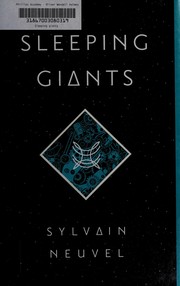
Sleeping Giants
A girl falls into a field and lands in a giant metal hand. Years later a secret team assembles the rest of the machine, and it chooses its own pilots.
2,466-word summary · 11 min read

61 Hours
A bus crash strands Jack Reacher in a snowbound South Dakota town where a drug gang, a corrupt police force, and a single witness are on a collision course.
2,227-word summary · 10 min read
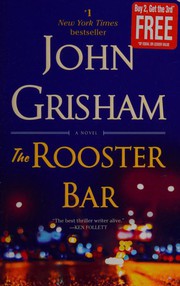
The Rooster Bar
Three law students buried in debt discover their for-profit law school is a scam, and decide the only way out is to con their way into practicing law before…
2,837-word summary · 13 min read

Still Missing
A realtor is abducted at a Vancouver Island open house and held for more than a year. Told through therapy sessions, the novel follows her escape and the hunt…
2,466-word summary · 11 min read

Bad Luck and Trouble
A deposit of $1,030 summons Jack Reacher back to his old army unit, which is being picked off one name at a time.
2,366-word summary · 11 min read

3rd Degree
The third Women's Murder Club novel follows a San Francisco terror cell and a three-day killing schedule, and it costs the club a member.
2,685-word summary · 12 min read

Worth Dying For
Reacher stops for one night in rural Nebraska and finds a family that runs the county, a missing girl and a shipment worth killing for.
2,021-word summary · 9 min read
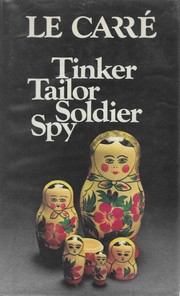
Tinker, Tailor, Soldier, Spy
Retired spymaster George Smiley is brought back to find a Soviet mole inside British intelligence, and the trail leads through old friends, old betrayals, and…
2,092-word summary · 9 min read

The Best of Friends
Three lifelong friends discover their teenage sons were hiding more than anyone knew after a night that leaves one dead, one in a coma and one silent.
2,040-word summary · 9 min read

Say You're Sorry
A widowed prosecutor defends the teenager accused of killing her babysitter, uncovering a small town's secrets and a killer hiding in plain sight.
2,116-word summary · 9 min read

Echo Burning
Reacher hitches a ride with a Texas woman who wants her abusive husband killed, then has to prove she did not murder him when he comes home.
2,209-word summary · 10 min read
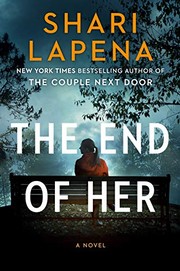
The End of Her
A sleep-deprived mother of twins faces a stranger's accusation that her husband murdered his first wife in Shari Lapena's domestic suspense novel.
2,383-word summary · 11 min read

Girl, Forgotten
A rookie US marshal guards a judge with a stalker and ends up reopening the 1982 prom-night murder of the judge's pregnant daughter.
2,111-word summary · 9 min read
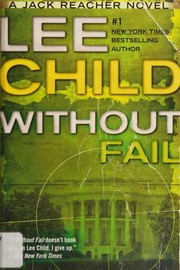
Without Fail
Reacher is asked to test vice presidential security by planning to kill.
2,084-word summary · 9 min read
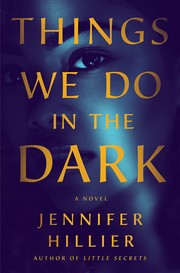
Things We Do in the Dark
A comedian kills her husband, then a podcaster digs up her teen murder past.
2,427-word summary · 11 min read

The Widow
A widow of a suspected criminal faces reporters and police while hiding what her marriage really cost.
2,599-word summary · 12 min read