
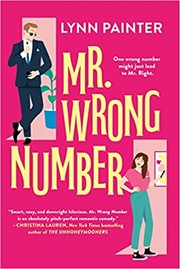
Mr. Wrong Number
2,248-word summary 10 min read 352 pages in the book
- First published
- 2022
- Publisher
- Berkley
- Pages
- 352
- ISBN
- 9780593437261
Reading options
What's inside (8 sections)
I picked this one up because a friend kept sending me screenshots of the texts and swearing the banter was worth it. She was right about the banter. Lynn Painter published Mr. Wrong Number in 2022 with Berkley, and the paperback runs 352 pages. It was her adult debut after her young adult books, and it reads like someone let loose writing the exact rom com she wanted to read. Full spoilers here, because the whole engine of the book is a secret identity and there is no point dancing around it.
Olivia Marshall is having the kind of month that makes you want to turn off your phone. She loses her job. She finds out her boyfriend Eli has been cheating on her. Then, while burning a box of his old love letters in a small fit of closure, she accidentally sets fire to her apartment building. Not her apartment. The building. She goes from employed and housed to jobless and homeless in about a week, mostly through bad luck with a thick streak of her own chaos mixed in.
With nowhere to go, she leaves Chicago and drives to Omaha, where her older brother Jack has a spare room. Jack is steady and protective and a little exasperated by his sister, which feels like a lifelong condition. The catch is that Jack already has a roommate. Colin Beck has been Jack's best friend since they were kids, and he has treated Olivia as an annoyance for most of that time. She thinks he is arrogant and hot in the worst combination. He thinks she is a walking disaster. They are both a little right, which is what makes the roommate setup work instead of feeling forced.
Bad luck and a burned apartment
The opening chapters move fast and set the tone. Olivia is funny about her own mess without asking you to pity her. She narrates the firing, the cheating reveal, and the fire with the timing of someone telling a story at a bar, pausing for your laugh before she admits the part that stings. Eli barely appears on the page, which is smart. He is not a rival or a villain with speeches. He is just the guy who proved he could not be trusted, and Olivia's anger at him matters less than her embarrassment at having missed the signs.
Painter grew up around Omaha and sets most of her books there, and the city feels lived in rather than pasted on. Bars with sticky floors, apartments with thin walls, winter parking fights. Nothing scenic, just the background of people in their twenties figuring out rent and jobs. Olivia temps at odd gigs and tries to rebuild. Her parents hover with the particular worry of people who love a chaotic kid and have stopped expecting calm. Jack pays for things and pretends it is no big deal. Family money is not the point. Attention is. Olivia has spent years feeling like the screw-up sibling, and every visit home seems to confirm the role.
What I appreciated is that Olivia's clumsiness never tips into cartoon. She drops things, says the wrong thing at work events, texts too fast. Stephanie Klose at Library Journal argued Painter pushes the klutzy heroine bit about ten times too hard, and I get the complaint in the early chapters. There is a lot of pratfall energy. But Suzanne Krohn at Shelf Awareness read it the opposite way, as a send-up of the trope, and I landed closer to her. Olivia's mess causes real consequences. She loses a job. She pays for the fire. People get tired of cleaning up after her. The book lets her be funny without letting her off the hook.
The roommate she cannot stand
Colin is the classic controlled guy with a cracked foundation. He is a doctor, or finishing that track, buttoned up at work and loose only around Jack. Around Olivia he defaults to teasing, the old habit from when she was twelve and trailing them. Now she is grown, and the teasing has an edge neither of them wants to name. He notices her. He hates noticing her. She catches him looking and files it under hostility because that is safer.
The roommate scenes carry the middle of the book. Kitchen negotiations. Bathroom schedules. Olivia coming home late and loud. Colin cooking actual meals while Olivia burns toast. Jack watching them circle each other with the tired eyes of a man who knows exactly how this ends and cannot stop it. There is a scene where Colin patches up one of Olivia's small injuries with brisk competence while scolding her, and the scolding is so clearly worry that Olivia goes quiet. Painter is good at these beats. The attraction is physical, sure, but the turn happens in caretaking moments. Someone makes soup. Someone remembers how you take your coffee. Someone waits up.
Colin has his own damage, mostly around control. He likes plans and clean outcomes. Olivia is the opposite of a clean outcome. His resistance to her is not really about her being annoying. It is about her being unpredictable in a way that scares him. Once you see that, his early coldness reads less like cruelty and more like self defense. Not great self defense, but human.
A fair criticism, and Kirkus made this one, is that some fights peak too early while other problems melt a little fast. A couple of blowups between Olivia and Colin follow the same shape. He pulls away, she chases, they snap, they make up. By the third round I could feel the pattern. The side conflicts with her parents also resolve with a single honest conversation each, which felt quick after chapters of buildup. The book is a comedy first, so it forgives fast, but readers who want consequences to linger may feel the smoothing.
Miss Misdial and the stranger
The texting plot starts with a wrong number. Olivia gets a message meant for someone else, the kind that opens with "What are you wearing," and instead of ignoring it she answers. The stranger answers back. They fall into a flirty, funny, increasingly personal exchange. She saves him as Mr. Wrong Number. He calls her Miss Misdial. Neither knows the other's name.
These chapters are the reason the book took off. The texts are genuinely funny, full of typos and dares and escalating dares-to-be-honest. They trade terrible-day stories. They send photos that are suggestive without showing much. They confess things they would never say out loud. Olivia tells the stranger about the fire and the shame underneath the jokes. The stranger admits he is stuck on someone right in front of him and handling it badly. Readers know before Olivia does that the stranger is Colin, typing from the next room, and the dramatic irony does all the work. Every sweet message lands twice, once as romance and once as dread, because you know the reveal will hurt.
Painter writes the two voices well. Text Olivia is bolder than spoken Olivia, quicker to ask for what she wants. Text Colin is softer than roommate Colin, willing to be uncertain. The gap between the versions is the point. Phones let them skip the old roles. Brother's best friend and annoying little sister do not exist in the chat. Two tired adults who like each other's jokes do.
One note on heat. This is an adult book with open door scenes and a lot of sexting, much spicier than Better Than the Movies. Nothing extreme by the standards of the genre, but it is explicit about desire and bodies. If you hand Painter to a teen reader, this is not the one. Start with the young adult titles.
The secret Colin keeps
Colin figures out her identity first. He realizes Miss Misdial is Olivia, and instead of telling her, he pulls back. He cools the texts. He dodges. His reasoning is a tangle of decent and cowardly motives. He does not want her to feel tricked. He does not want Jack to kill him. He does not want to admit that the woman who drives him crazy in the kitchen is the same one he waits to hear from at midnight. So he stalls, and the stall becomes its own lie.
This is the stretch where your sympathy for Colin will be tested. Mine wobbled. Ghosting someone to protect them is still ghosting, and Olivia feels the silence exactly the way a person would. She mopes. She rereads old messages. She wonders what she said wrong. Watching her shrink while Colin watches her shrink, knowing he could fix it with one sentence, is frustrating on purpose. Painter wants you mad at him here. The book needs the anger so the apology has weight.
The reveal itself lands in a messy, believable way rather than a stagey one. No grand public scene. Just the pieces clicking for Olivia at the worst moment, the phone and the man lining up, and the bottom dropping out. Her reaction rang true to me. She is hurt less by the secret than by what it implies. Of course the one man who seemed to want her without the baggage was the man with the most baggage about her. Of course the easy thing was a trick. Olivia's history has trained her to read every good break as a setup for a punchline, and Colin just confirmed the theory.
Jack's reaction deserves mention because brother's-best-friend books live or die on the brother. Jack is angry, then practical, then quietly on Olivia's side in a way that felt like real sibling love. He threatens Colin, because that is the job, but he also tells Olivia the truth about what he has seen. He does not pick sides so much as refuse to let either of them lie.
Olivia's work life deserves a line too, because the book ties her romantic growth to plain competence. She stops job hopping and sticks with a role that suits her people skills, showing up on time and handling customers without turning every shift into a story. Her boss notices. Her paychecks steady. It is not glamorous, and Painter does not dress it up, which is why it lands. The woman who set a building on fire in chapter one learns to lock up carefully and count the drawer, and the smallness of that victory feels bigger than any speech.
Putting it back together
The last act is grovel plus growth, in that order. Colin apologizes without excuses taking up most of the air. He names what he did, says why it was wrong, and accepts that Olivia might not come back. Importantly, he does not ask Jack or her parents to lobby for him. He shows up where she is, says the plain thing, and leaves room. Olivia, meanwhile, does the harder work of deciding what she wants apart from being wanted. She steadies her job situation. She stops performing chaos for laughs and starts catching herself before the spiral. Not a total rebuild. She is still Olivia. Just Olivia with a budget and a little more pause.
Their reunion works because it happens in person, in daylight, without phones. The banter is still there, but the lines are simpler. He teases less to wound. She jokes less to deflect. There is a wedding at the end, theirs, glimpsed as the setup for the next book, where Jack meets Hallie Piper after a one night stand and the two strike a wager about finding love. That story became The Love Wager, published by Berkley in 2023. Here it plays as a happy coda. Olivia and Colin made it. The family expands. Chaos finds a new volunteer.
Readers who dislike third act breakups should know this one follows the shape. Secret, blowup, separation, return. Painter executes it better than most because the separation is short and the characters stay in motion. Olivia does not just wait to be won. She works, she apologizes to people she snapped at, she figures out what steady looks like for her. If the pattern still bothers you, no craft will fix it. That is fair. The shape is the shape.
Who should read it
This is the book for readers who want a modern romantic comedy with real heat and jokes that land out loud. Fans of Christina Lauren or Ali Hazelwood will feel at home, and Painter's Omaha crew scratches the same itch as a favorite sitcom cast. Go in expecting mess, texts, and a slow thaw rather than a puzzle. The mystery is never who is texting. It is whether two people can stand each other in the same kitchen once the screens go dark.
A last honest word. The book is long on charm and short on surprise. You will guess every turn chapters early. Olivia repeats mistakes. Colin broods on a loop. The parents forgive fast. None of that ruined it for me, because the pages between the turns are so readable. I laughed on a plane at the wrong-number exchange about her terrible week and got looks. Then I sat with the sadder parts, the ones about being the family disappointment and wondering if love is just another accident waiting to happen, longer than I expected. That mix is Painter's gift. She writes jokes with weight under them, and the weight holds.
FAQ
Is Mr. Wrong Number the start of a series?
No. The publisher treats The Love Wager (2023) as a spinoff about Olivia's brother Jack and Hallie Piper, not as book two of a series named for this book. This post omits series fields for that reason.
Why does Olivia move in with her brother?
She loses her job, learns her boyfriend Eli cheated, then accidentally sets fire to her apartment building while burning his letters. Broke and homeless, she moves from Chicago to her brother Jack's place in Omaha.
How steamy is Mr. Wrong Number?
It is an adult contemporary romance with open door scenes and explicit texting, spicier than Painter's young adult books. Best for adult readers rather than teens.
Similar books

Act Your Age, Eve Brown
Eve Brown crashes into a Lake District bed and breakfast, breaks the owner's arm, and talks her way into his kitchen. A grumpy-sunshine romance about work,…
2,474-word summary · 11 min read

2 States: The Story of My Marriage
A Punjabi boy from Delhi and a Tamil Brahmin girl from Chennai meet at IIM Ahmedabad, and turn a love marriage into a campaign to convince two families.
2,634-word summary · 12 min read
My Favorite Half-Night Stand
Millie, a criminology professor who has always been one of the guys, invents a secret dating profile and matches with her best friend Reid.
2,362-word summary · 10 min read
Austenland
A New York graphic designer obsessed with Mr. Darcy inherits a trip to a Jane Austen theme park, where the fantasy of Regency romance collides with the men…
2,030-word summary · 9 min read
Ricochet
Lily Calloway tries to stay celibate for ninety days while Loren is in rehab, leaning on Rose, Connor, and Ryke as therapy forces her to face her childhood.
2,575-word summary · 11 min read
Under Locke
Iris Taylor moves to Austin broke and wary, takes a front-desk job at a tattoo shop, and spends the book learning that Dex Locke’s blunt cruelty and unexpected…
2,591-word summary · 12 min read
The Ex Talk
Two rival public radio producers pretend to be exes for a dating show, then fall for each other while the lie grows.
2,389-word summary · 11 min read
Bet Me
A sharp actuary agrees to dinner with a charming serial bettor, then spends the next month pretending the wager does not matter.
2,710-word summary · 12 min read
Two by Two
Sparks's twentieth novel turns from first love to a marriage breaking up: Russell Green loses his wife and his job, then rebuilds his life around his…
2,192-word summary · 10 min read
This Time Next Year
Two women give birth minutes apart on New Year's Day 1990, and one takes the other's lucky name. Thirty years on, their children meet again.
2,194-word summary · 10 min read

At First Sight
Jeremy and Lexie are married and expecting a baby when anonymous emails tell him the child may not be his.
2,317-word summary · 10 min read
Delilah Green Doesn't Care
Delilah returns to Bright Falls to photograph her stepsister's wedding and falls for Claire, a bookstore owner and single mother, while a cruel bet threatens…
2,315-word summary · 10 min read
The Road Trip
Two exes squeeze into one small car for the drive to a Scottish wedding, with four years of history and one photograph between them.
2,418-word summary · 11 min read
Take a Hint, Dani Brown
A viral rescue video turns a PhD student and a grumpy security guard into internet couple goals, and the fake relationship they build to keep the attention…
2,005-word summary · 9 min read
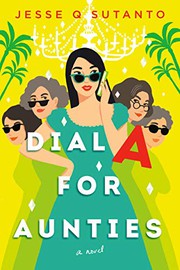
Dial A for Aunties
A wedding photographer accidentally kills her blind date, and her mother and three aunties help her hide the body during the biggest wedding of their careers.
2,076-word summary · 9 min read
The Marriage Bargain
A bookstore owner marries a billionaire friend's brother for a year to save home and company.
2,092-word summary · 9 min read
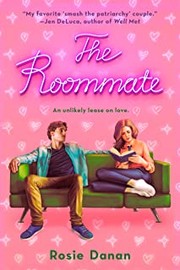
The Roommate
Uptight Clara shares a flat with porn star Josh and teams up to build ethical adult films for women.
2,362-word summary · 10 min read
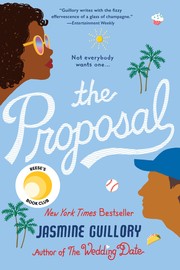
The Proposal
Nik says no to a stadium proposal and rebounds with Carlos in flirty LA romance.
2,044-word summary · 9 min read
Secretly Yours
A bubbly Napa gardener sends anonymous love letters to her grumpy professor neighbor in this steamy small-town rom-com.
2,504-word summary · 11 min read
My Killer Vacation
A teacher and a bounty hunter share a Cape Cod rental with a corpse and a growing attraction.
2,625-word summary · 12 min read
Vision in White
Wedding photographer Mac Elliot does not believe in lasting love. Steady teacher Carter Maguire plans to change her mind. First in the Bride Quartet.
2,167-word summary · 10 min read
The Last Letter
Ella trades letters with soldier Chaos, then her brother Ryan death brings Beckett to Telluride with a hidden name, sick Maisie, and a love tested by truth.
2,559-word summary · 11 min read
The Hypnotist's Love Story
A hypnotherapist falls for a widower whose ex keeps watching from the shadows.
2,490-word summary · 11 min read
It's in His Kiss
Julia Quinn's seventh Bridgerton novel pairs sharp tongued Hyacinth with Gareth St. Clair as an old Italian diary leads them toward hidden jewels and Lady…
2,908-word summary · 13 min read
Get a Life, Chloe Brown
A chronically ill woman recruits her gruff handyman neighbor to help her finish a bold Get a Life list.
2,147-word summary · 10 min read
The Kiss Quotient
Stella Lane hires escort Michael Phan to practice dating and learns logic fails where touch and family press in.
2,716-word summary · 12 min read
The Do-Over
Emilie relives awful Valentine Day with cheating boyfriend until Nick helps fix it.
2,071-word summary · 9 min read

Better than the Movies
A rom com obsessed senior hires her annoying next door neighbor to win her crush, then finds real love is messier and kinder than any movie plot.
2,438-word summary · 11 min read

What Happened to Goodbye
Mclean has reinvented herself in four towns since her parents divorced. In Lakeview she uses her real name, and for the first time staying put becomes a choice.
2,796-word summary · 12 min read

The Japanese Lover
A Polish refugee and the son of a Japanese gardener fall in love in San Francisco in 1939, then keep the affair secret for nearly seventy years.
2,286-word summary · 10 min read