
Reading options
What's inside (8 sections)
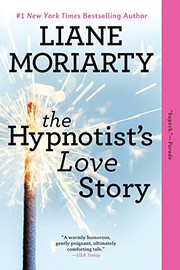
I picked this up after Big Little Lies left me wrung out. I wanted something smaller from Liane Moriarty, still set in Sydney, still sharp about couples, but funnier and less fatal. The Hypnotist's Love Story came out from Berkley in 2011, a 480 page novel with ISBN 9780425260937. It is a standalone romance with a thriller edge. A hypnotherapist in her thirties falls for a decent widower with a small son, only to learn his ex-girlfriend has not left the picture at all. She is still in the bushes, literally.
What hooked me was the structure. Chapters alternate between Ellen O'Farrell, warm and self deprecating and trying hard to be ethical, and Saskia, the ex, cool and wounded and quietly crossing lines every week. You know from early on that Saskia stalks them. The tension is not who does it. It is how far she will go, and whether Ellen will spot it before someone gets hurt.
Ellen and the life she has built
Ellen O'Farrell is 35, single, living alone in Sydney, working as a hypnotherapist. She helps people quit smoking, beat insomnia, lose fear of flying. She is good at it because she listens well and does not promise miracles. Her sessions involve breathing, relaxation, guided images, small homework. No swinging watch. No mind control. Clients either relax into it or they do not. Ellen takes notes, worries about boundaries, calls her mother too often.
Her mother Anne is a romance novelist with strong opinions about men and a loose grip on privacy. Her father is quieter, fond, used to Anne weather. Ellen tells them almost everything, which becomes a problem when her love life turns strange. She also has a waiting room of side cases who show Moriarty ear for comedy. A bride who wants to stop hating her future mother in law before the photos. These small cases break up the main plot and show Ellen ethics in action. She turns clients away when hypnosis is the wrong tool.
Ellen dating history has left her careful. She has met men who lied about wives, men who vanished after three good weeks, men who treated therapy as a joke. When she meets Patrick Scott at a dinner, she likes him at once because he is plain in a good way. A carpenter. A father. A man who listens and asks follow up questions. He laughs easily. He pays attention to his son. He does not perform sensitivity. He just shows up on time and fixes the wobbly table without making a speech about it.
Their early dates are lovely in an ordinary way. Walks. Takeout. A movie where they both fall asleep. Ellen loves that Patrick is a father, though it scares her too. She has no kids. She likes kids in theory and feels awkward in practice. Patrick tells her early that he is a widower. His first wife Colleen died years ago. Then he had a serious girlfriend after that, Saskia, who lived with him for three years and left. Or he left. The details stay vague at first. Ellen, trained to hear what people skip, notices the vagueness and decides to trust him anyway. That choice drives the rest of the book.
I found Ellen easy company. She overthinks, replays conversations in the shower, texts friends for readings of a pause. Moriarty writes that inner churn without making her weak. Ellen sets limits with clients, charges fairly, keeps records. She is competent at work and messy at love, which felt true.
Patrick and Jack and the empty chair
Patrick Scott is 40ish, widowed, raising Jack, age eight. He makes furniture and kitchen cabinets with his hands. He lives in a house that still holds Colleen in small ways. Her cookbooks. Her handwriting on a plant pot. A photo Jack keeps by his bed. Patrick does not hide his past. He tells Ellen that Colleen died suddenly, that grief flattened him for a long time, that Jack was small and needed him to keep functioning when he could barely get off the floor.
Jack is a great kid on the page. Funny. Anxious. Loyal to both parents, including the dead one he idealizes and the live one he tests. He sleepwalks, which frightens Patrick and gives the plot its first bridge to Ellen work. Patrick asks Ellen for help with Jack sleep issues, which puts her in a dual role she knows is risky. Lover and helper to the same family. She tries to hold a line. No formal treatment of Jack. Only general advice, bedtime routines, calm talk. She suggests a pediatric referral if it worsens. That care shows her training, and it also shows how easily lines blur when you love someone.
Patrick grief is not dramatic. It leaks. He keeps Colleen parking ticket in a drawer because throwing it away feels like betrayal. He forgets her voice for a week and panics, then hears it in Jack laugh and cries in his truck. He compares Ellen to Colleen without meaning to, then hates himself for it. Moriarty handles this with restraint. She does not make Colleen a saint or Ellen a replacement. Colleen was sharp and stubborn and sometimes hard to live with. Patrick loved her fully and still has room to love again. That room is just cluttered.
One thread I appreciated: Patrick as a father to a boy who asks blunt questions. Is Dad allowed to love Ellen if Mum died. Will Ellen leave like Saskia left. Patrick answers badly sometimes, then repairs. He apologizes to Jack in words Jack can use. Those small repairs matter more than grand speeches.
A fair criticism here is pacing. The middle spends a lot of time in Patrick domestic routine. School lunches. Sawdust. Bedtime stalls. It builds trust, but three similar chapters in a row slowed me down. I started skimming lunchbox details to get back to Saskia chapters, which crackle more.
Saskia watches from outside
Saskia is the reason this book rises above a sweet single dad romance. She is in her late thirties, smart, successful in property or office work depending on the scene, childless after long fertility treatment, and quietly unraveling. She lived with Patrick for three years. She loved Jack. She wanted a baby with Patrick badly enough that every month became a test. When the relationship ended, she lost not only a partner but a ready made family and a last chance story she had told herself about motherhood.
Now she stalks them. She drives past the house. She sits in a car with coffee and watches lights go on and off. She follows Ellen to shops and stands too close to hear her voice. She creates a fake online profile to check Ellen background. Once, she lets herself into Patrick garden when no one is home and stands there memorizing the changes Ellen has made.
Moriarty gives Saskia her own chapters, and that choice is brave. We hear her justifications in her own voice. She tells herself she only wants to check that Jack is okay. She tells herself Ellen is wrong for Patrick. Under those stories is raw envy and shame. Friends having second babies. Invites to christenings she dreads. A body that went through shots and scans for nothing.
The saddest part of Saskia chapters is how ordinary her days look from outside while her thoughts run so hot inside.
Some Saskia scenes are darkly funny. She critiques Ellen outfits like a stylist. She rates Patrick dates like a judge. She practices casual lines for accidental meetings that are never accidental. Then the humor drops and you see the planning. She keeps notes. Times. Photos. She sabotages small things. A rumor passed to a neighbor. A message sent to stir doubt. A gift left to unsettle Ellen without proof. None of it is violent at first. All of it violates consent.
I believed Saskia as a character even when I hated her actions. Moriarty gives her work competence, dry wit, love for Jack that once was real. Saskia remembers Jack fever nights, school plays, the exact way he likes toast cut. That history makes her loss concrete. She did mother that boy for three years without the title, then lost access overnight. The book does not excuse what she does next, but it shows the soil where obsession grew.
Two women circling the same house
The middle of the book runs on dramatic irony. We know Saskia is near. Ellen does not. Or half knows. Ellen senses wrongness in small doses. A curtain moves across the street. A car she has seen before appears near her office. A client mentions seeing her with Patrick in a place Ellen never named. Ellen tells herself she is jealous and tired. She is a therapist, she should know better than to catastrophize. So she dismisses instincts she would tell a friend to trust.
Patrick sits between them, mostly blind. He thinks Saskia moved on. He deleted her number, changed locks after she kept a key too long, told friends the breakup was final. He does not know she still has access through old contacts and habit. He tells Ellen that Saskia was intense at the end, cried a lot, struggled after fertility failure, but that she agreed it was over. He believes that because he needs to. Ellen wants to believe him because the alternative is ugly.
Moriarty stages several near misses that had my stomach tight. Ellen and Patrick picnic while Saskia watches from a bench with sunglasses. Saskia engineers a meeting at a school event and charms Ellen, who finds her likable before learning who she is. Each scene adds pressure without tipping into thriller cliché. No knives. No smashed windows. Just proximity that feels wrong.
Ellen mother adds comedy and risk here. Anne meets Patrick and approves loudly. She also spots Saskia once without knowing her and describes her later in a way that chills Ellen. Tall woman. Nice coat. Staring a bit long. Anne, who writes stalkers into novels, misses the real one in front of her. That blind spot felt honest about how we miss signs when life looks normal.
The hypnotherapy frame pays off in these chapters. Ellen uses breathing counts and safe place images to calm herself when fear spikes at night. Sometimes it helps. Sometimes it fails because fear carries useful data. Ellen tells a client plainly that hypnosis can lower anxiety and build habits, but it cannot make someone love you or forget a loss.
The talk, the break, and the repair
Without spoiling the exact trigger, the truth comes out through a pileup rather than one reveal. A neighbor mentions Saskia car. A photo surfaces. Jack says something innocent that does not fit Patrick timeline. Ellen puts pieces together in her kitchen and feels sick. She confronts Patrick, who first minimizes, then admits he knew Saskia had trouble letting go, then admits he hid the extent because he feared losing Ellen. That fight is one of the best scenes. No shouting for show. Just two tired people talking past each other, then toward each other.
Ellen pulls back. She needs space to decide if she can trust Patrick. She also feels professional shame. How did a trained listener miss stalking aimed at her own home. She talks to a supervisor and tightens office safety. She keeps seeing clients, which steadies her.
Saskia unravels further when exposure threatens the control she has left. She escalates from watching to contact. A scene at Jack school crosses a line even she feels. Moriarty does not turn her into a monster here. She shows panic, shame, and a flicker of insight. Saskia starts therapy herself, lies at first, then tells more truth. She faces her fertility grief directly instead of aiming it at Ellen.
Patrick has to do his part too. He sets firm limits with Saskia in writing. No visits. No school contact. He tells Jack an age honest version. He installs better locks, tells neighbors, accepts embarrassment. He also grieves again, because losing Saskia finally means admitting his second family failed, not only his first through death.
The reunion, when it comes, is quiet. No grand gesture. Ellen returns a borrowed tool. Patrick makes tea. Jack shows Ellen a drawing with all three of them plus a small star for Colleen in the corner. They talk about safety plans, about what happens if Saskia contacts again, about how Ellen will not parent Jack on Saskia old terms but will find her own place. I liked that Moriarty lets love resume with conditions. Trust, but check the street before bed. Care, plus locks.
What works and what feels too kind
This is where the criticism the brief named matters. Moriarty humanizes Saskia so well that some readers will feel she lets her off too easy. I felt that tug. Saskia spies, trespasses, manipulates, frightens a child household, and the book ends with warmth toward her recovery rather than legal fallout. Police stay at the edges. No charges. No restraining order hearing on page. Ellen empathy, which is her strength, becomes a soft cushion for someone who did real harm. If you have lived with stalking, that softness may anger you. The book asks you to hold Saskia pain alongside Ellen fear, and at times it tilts toward Saskia pain because her chapters are so vivid.
I would defend the choice partly. The novel is a romance about repair, not a crime story about punishment. Moriarty interest is how ordinary wounds curdle into control, and how care can interrupt that path. But the book could have held both truths firmer. It could have kept compassion for Saskia while showing stronger guardrails. Ellen supervisor hints at this, but I wanted one plain scene where someone says safety comes before sympathy.
What works beautifully outweighs that worry for me. Sydney feels lived in, from beaches to school gates to Ellen office with its ticking clock. Carpenters with sawdust in cuffs. Therapists with billing worries. Mothers with novels due. The humor lands often. The romance earns its keep because Patrick and Ellen actually talk. About Colleen. About fertility. About money. About how to tell an eight year old that love can expand without erasing.
Who should read it. If you like Moriarty domestic eye but want less death than Big Little Lies, start here. If you like romance with real ex trouble rather than comic mixups, this fits. If stalking plots distress you, know the stalking stays nonviolent but persistent, and the point of view chapters put you inside it. That closeness is the point and the risk. I closed the book fond of Ellen, worried for Saskia, and oddly grateful for Patrick plain steadiness. Not every love story needs a villain. This one needed a mirror, and Saskia holds it up until both women flinch.
FAQ
When was The Hypnotist's Love Story published?
Berkley published the US edition in 2011. It runs 480 pages with ISBN 9780425260937. Moriarty, an Australian writer, set it in Sydney.
Is it part of a series?
No. It stands alone between What Alice Forgot and The Husband's Secret, with the same Sydney setting and interest in marriage and secrets.
How does hypnotherapy fit the plot?
Ellen treats clients with relaxation and suggestion, never mind control. Patrick seeks her partly because his son Jack sleepwalks, which gives them a careful reason to meet again.
Similar books

Act Your Age, Eve Brown
Eve Brown crashes into a Lake District bed and breakfast, breaks the owner's arm, and talks her way into his kitchen. A grumpy-sunshine romance about work,…
2,474-word summary · 11 min read
The Rumor
Two Nantucket best friends, Madeline and Grace, watch a summer of small indiscretions get retold into gossip that reshapes both their households.
2,017-word summary · 9 min read

2 States: The Story of My Marriage
A Punjabi boy from Delhi and a Tamil Brahmin girl from Chennai meet at IIM Ahmedabad, and turn a love marriage into a campaign to convince two families.
2,634-word summary · 12 min read
Dial A for Aunties
A wedding photographer accidentally kills her blind date, and her mother and three aunties help her hide the body during the biggest wedding of their careers.
2,076-word summary · 9 min read
The House at Riverton
In 1999, ninety eight year old maid Grace Bradley tapes the truth about a 1924 shooting at Riverton Manor, poet Robbie Hunter, two sisters and a lie held for…
2,433-word summary · 11 min read
Mr. Wrong Number
After a fire and a wrong-number text, Olivia falls for a stranger who is closer than she thinks in this funny Omaha rom com.
2,248-word summary · 10 min read
It's in His Kiss
Julia Quinn's seventh Bridgerton novel pairs sharp tongued Hyacinth with Gareth St. Clair as an old Italian diary leads them toward hidden jewels and Lady…
2,908-word summary · 13 min read
Get a Life, Chloe Brown
A chronically ill woman recruits her gruff handyman neighbor to help her finish a bold Get a Life list.
2,147-word summary · 10 min read
The Kiss Quotient
Stella Lane hires escort Michael Phan to practice dating and learns logic fails where touch and family press in.
2,716-word summary · 12 min read
Three Wishes
Triplet sisters Lyn, Cat and Gemma Kettle blow up their thirty-fourth birthday dinner in Sydney, then rewind a year of affairs, pregnancies and family chaos.
2,262-word summary · 10 min read
Truly Madly Guilty
A Sydney barbecue turns when two-year-old Ruby falls in a fountain. Three couples face guilt, marriage strain, and repair.
2,892-word summary · 13 min read
What Alice Forgot
After a gym fall erases ten years, Alice, 39, wakes as her 29 year old self and must relearn her three kids and failing marriage as a stranger.
2,495-word summary · 11 min read
The Husband's Secret
Cecilia finds a letter meant to be opened after her husband's death, and reads it while he lives.
1,985-word summary · 9 min read
Big Little Lies
In Pirriwee three mothers collide over school, marriage, and secrets until a trivia night death forces the truth about Perry abuse, Celeste fear, and Jane past.
2,582-word summary · 11 min read

What Happened to Goodbye
Mclean has reinvented herself in four towns since her parents divorced. In Lakeview she uses her real name, and for the first time staying put becomes a choice.
2,796-word summary · 12 min read

The Japanese Lover
A Polish refugee and the son of a Japanese gardener fall in love in San Francisco in 1939, then keep the affair secret for nearly seventy years.
2,286-word summary · 10 min read

Size 12 Is Not Fat
Former teen pop star Heather Wells investigates two dorm elevator deaths while juggling her ex, her crush, and a size-12 wardrobe.
2,805-word summary · 12 min read

First Grave on the Right
Charley Davidson is a private investigator in Albuquerque and the grim reaper. When three murdered lawyers come back as ghosts, her two jobs collide.
2,770-word summary · 12 min read
Austenland
A New York graphic designer obsessed with Mr. Darcy inherits a trip to a Jane Austen theme park, where the fantasy of Regency romance collides with the men…
2,030-word summary · 9 min read

The Shadow Sister
Star D'Apliese steps out of her sister's shadow and follows a bookshop clue into the Edwardian life of Flora MacNichol, a woman who gave up love for duty.
2,260-word summary · 10 min read

Hard Luck
Rowley has a girlfriend, so Greg turns to a Magic 8 Ball, a family Easter hunt and the school yearbook for answers.
2,586-word summary · 11 min read

Ricochet
Lily Calloway tries to stay celibate for ninety days while Loren is in rehab, leaning on Rose, Connor, and Ryke as therapy forces her to face her childhood.
2,575-word summary · 11 min read
Under Locke
Iris Taylor moves to Austin broke and wary, takes a front-desk job at a tattoo shop, and spends the book learning that Dex Locke’s blunt cruelty and unexpected…
2,591-word summary · 12 min read
The Ex Talk
Two rival public radio producers pretend to be exes for a dating show, then fall for each other while the lie grows.
2,389-word summary · 11 min read

Sam's Letters to Jennifer
A grieving journalist reads her grandmother's letters and finds a decades-long love affair that changes how she sees her family.
2,310-word summary · 10 min read

Mr. Maybe
Libby Mason wants a rich husband, but the wealthy man who proposes is dull and the broke writer she cannot forget is not offering forever.
2,322-word summary · 10 min read

Deviant King
A scholarship student at an elite boarding school is targeted by the king of the Four Horsemen, who seems to know her forgotten past.
2,384-word summary · 11 min read
Bet Me
A sharp actuary agrees to dinner with a charming serial bettor, then spends the next month pretending the wager does not matter.
2,710-word summary · 12 min read
The Girls in the Garden
Clare moves her daughters to a gated London garden where the community feels safe; at the midsummer party, twelve-year-old Pip finds her sister bleeding in the…
1,973-word summary · 9 min read
George's Marvellous Medicine
George stirs a brew of dozens of household chemicals and gives it to his grumpy grandmother, and the medicine works far better than anyone planned.
2,014-word summary · 9 min read