
Reading options
What's inside (10 sections)
I read The Husband's Secret expecting Big Little Lies and found something stranger and sadder. Liane Moriarty published it with Putnam in the US in 2013, a 396 page novel built on a irresistible premise. Cecilia Fitzpatrick finds a letter from her husband in the attic. My darling Cecilia, if you're reading this, then I've died. He has not died. He is very much alive. She reads it anyway. What she learns detonates three women's lives. The book asks what we do with unbearable knowledge, and answers with unusual moral seriousness for a suburban page-turner.
Cecilia is Moriarty's perfect protagonist, competent and controlled, a Tupperware executive, school volunteer, mother of three, wife to the handsome John-Paul. Her life is organized bliss until the letter. What it contains, revealed early enough to avoid spoiling the engine, is confession. As a teenager, John-Paul killed a girl, Janie Crowley, and buried the truth for decades. Cecilia must decide what to do with knowledge that destroys her marriage either way. Tell, and ruin everything. Hide, and live with murder. The dilemma sustains 396 pages because Moriarty treats it seriously. No easy outs. Every option costs.
Two other women orbit the secret unknowingly. Rachel Crowley, Janie's mother, now a grandmother carrying decades of grief, teaches at Cecilia's daughters' school and senses connections she cannot name. Tess O'Leary, a woman whose own marriage collapses when her husband confesses love for her cousin, flees Sydney with her son and lands in Cecilia's orbit. Three storylines braid toward collision. Moriarty rotates viewpoints with soap-operatic skill. Each woman's domestic drama intertwines. The letter's blast radius expands chapter by chapter.
Rachel's grief and Tess's flight
Rachel deserves the novel's heaviest chapters. A mother who lost her teenage daughter to murder and never learned the truth, she lives in suspended grief decades later. Her surviving son barely speaks to her. Her grandson offers late-life purpose. When fragments surface, a connection to John-Paul, a memory resurfacing, Rachel's pursuit of truth becomes the book's moral spine. Her chapters ache with parental loss rendered precisely. Moriarty writes grief without melodrama. The empty bedroom. The birthdays uncelebrated. The murderer walking free unknown. Rachel's pain is the book's conscience. Every other storyline must answer to it.
The question of what justice means for Rachel drives the finale. Learning the truth after decades, does prosecution heal? John-Paul as an old man confessing, does punishment serve? Moriarty refuses simplicity. Rachel's choices in the final chapters surprise and satisfy because they prioritize her healing over reader vengeance. Whether killers deserve peace matters less than whether victims find it. That reframing is the novel's wisdom. Justice systems process. Victims endure. The two rarely align. Rachel's path through that gap gives the book its soul.
Tess provides contrast and relief. Her crisis, husband Will in love with her cousin Felicity, is bourgeois melodrama played straight. She flees to Sydney, takes refuge with family, considers revenge and reconciliation both. Her storyline entertains enormously while exploring fidelity's gray zones. Will's betrayal is emotional before physical. Tess's response mixes hurt with pragmatism. Their eventual resolution, unconventional and mature, shows Moriarty at her best. Marriages survive strange things. Love adapts. The Tess chapters remind readers that ordinary heartbreak coexists with extraordinary crime. Both hurt. Both heal differently.
The Berlin Wall and moral luck
The novel's most discussed element is its Berlin Wall motif. John-Paul's secret is compared to the wall's fall, small cracks bringing sudden collapse. Cecilia's discovery cracks everything. Moriarty also invokes moral luck, the philosophical idea that culpability depends on chance. John-Paul killed accidentally? Actually his crime involved intention complicated by youth. The book explores how a single act defines a life unfairly or fairly. If he had not been caught by conscience, would he be innocent? If Cecilia had not found the letter, would ignorance be bliss? These questions elevate the novel above its genre.
The ethics of reading the letter get full treatment. Cecilia violated her husband's trust by opening it. Does that violation matter against murder? The book suggests both things are true. She wronged him. He wronged the world. Moral accounting rarely balances. Her decision to act on the knowledge, confronting John-Paul, seeking Rachel obliquely, trying to do right without a map, drives the plot's best chapters. There is no handbook for learning your husband is a killer. Cecilia improvises with flawed courage. Readers judge her choices while wondering what they would do. That self-interrogation is the book's gift.
The finale avoids tidy justice deliberately. Trials do not occur. Punishments do not fit. Instead, characters negotiate livable truths. John-Paul confesses to Rachel. Rachel decides what suffices. Cecilia rebuilds on altered foundations. Tess chooses her own unconventional peace. The resolutions satisfy emotionally while leaving moral discomfort intact. Moriarty trusts readers to sit with ambiguity. Not every secret gets told properly. Not every crime gets punished. Life continues anyway, marked and meaningful both.
Suburbia and the form
Moriarty's Sydney suburbia deserves appreciation as more than backdrop. St. Angela's school. Tupperware parties. Parish politics. The micro-society operates with anthropological precision. Reputations made at pickup. Power wielded through volunteering. The setting is not satirized but inhabited. Moriarty loves these women even as she exposes them. The suburb functions as pressure cooker. Proximity forces collision. Secrets cannot hold where everyone knows your car. The letter detonates outward through networks the book maps meticulously.
The novel sits between Big Little Lies' predecessor and successor, and the trilogy of themes shows. Marriage secrets. Community complicity. Women's interiority. Moriarty was perfecting her form here. The rotating viewpoints. The domestic thriller pacing. The moral seriousness beneath breeziness. Readers who came from the HBO show will recognize the DNA. This book is where the method matured. Less murder, more dilemma. The husband's secret exceeds the schoolyard's mystery in ethical weight if not body count.
John-Paul's guilt and Cecilia's choice
John-Paul deserves extended attention as more than a secret-keeper. Handsome, successful, devoted father, he carried murder silently for decades. Moriarty shows the cost in small behaviors. Overprotectiveness. Occasional distance. The hyper-control that mirrors Cecilia's own. His guilt shaped their marriage invisibly. Every kindness carried apology. Every success felt undeserved. Readers must decide whether decades of good fatherhood mitigate one horrific act. The book refuses to decide for them. Both ledgers stay open.
His confession, when forced, satisfies partially by design. He admits. He weeps. He accepts consequences. But words cannot unkill Janie. The inadequacy of apology structures the finale's moral weight. Saying sorry changes nothing for the dead. It changes everything for the living anyway. Moriarty understands apologies function socially, not cosmically. They permit continuation. They do not restore. John-Paul's remorse is real and insufficient both. That doubleness is honest. Remorse matters enormously and not at all.
Cecilia's final choice defines the novel's ethics. Knowing everything, she must decide whether to stay, leave, report, or conceal. Each option betrays someone. Staying betrays Janie. Leaving betrays children. Reporting destroys family. Concealing corrupts self. Moriarty lets her choose imperfectly, prioritizing the living over the dead while honoring both. The choice will not satisfy moralists. It satisfies as human truth. People choose livable over right daily. Cecilia joins them consciously. That consciousness is her growth.
Sydney and the school gates
The suburban setting operates as character and trap both. St. Angela's school gates where mothers gather. Tupperware parties as power summits. Parish fetes as battlegrounds. Moriarty maps micro-society with loving precision. Everyone knows everyone. Privacy is theoretical. The letter cannot stay secret where networks transmit everything. Setting drives plot mechanically. Proximity forces revelation. Readers from suburbs recognize the fishbowl instantly. Readers from cities envy and pity it.
The school community's response to unfolding truth shows collective morality in action. Gossip as justice. Silence as complicity. Support as performance. Moriarty distributes reactions realistically. Some mothers judge. Others rally. Most watch. The community absorbs scandal the way bodies absorb blows, bruising then healing over. That resilience comforts and disturbs. Life continues. Should it? The book leaves the question hanging over morning drop-offs. Normalcy resumes obscenely fast. Perhaps that speed is mercy. Perhaps it is indictment.
Moriarty's Australia matters specifically. Sydney's light, harbor, and habits ground the universal in place. The novel could only happen here, with these schools, these parishes, these immigrants and natives mixing. Yet its themes travel globally. Marriage secrets are universal. Suburban pressure is worldwide. The local details authenticate the general truths. Readers everywhere find their street in these pages. That portability explains Moriarty's global sales. Sydney specifics. Human generals.
Tess's choice and unconventional endings
Tess's resolution deserves final attention for its maturity. Offered reconciliation with conditions, revenge with costs, or independence with uncertainty, she crafts a fourth option. Co-parenting partnership without romantic reunion. Love redefined as family rather than marriage. The arrangement shocks conventional readers and satisfies thoughtful ones. Not every betrayal ends unions. Some transform them. Tess and Will become something new, neither married nor severed. That creativity takes more courage than divorce or forgiveness both.
Felicity's role complicates tidy judgments. The cousin who received Will's love is neither villain nor victim purely. She loved back. She suffers too. The triangle has no innocent angles. Moriarty distributes sympathy with unusual fairness. Every vertex aches. Readers expecting a homewrecker find a person. That refusal of caricature elevates the subplot beyond soap. Real affairs involve three humans, not two plus obstacle. All three bleed. Healing requires acknowledging all wounds. The book does, generously.
The three women's endings interconnect thematically without forcing physical reunion. Cecilia chooses. Rachel chooses. Tess chooses. Separate choices rhyming around mercy, truth, and livability. None gets perfect justice. Each gets possible life. That sufficiency is Moriarty's worldview. Perfection is fantasy. Goodness is daily. Choose kindly within constraints. Forgive strategically. Live forward. The suburb absorbs their decisions and continues. Normalcy as achievement. After such upheaval, ordinary Tuesday is triumph.
Would you open it
The book's lasting power is its central question posed directly to readers. A sealed letter. A living husband. Read or respect? Most readers insist they would not open it. Most would, given opportunity. That gap between principle and impulse is the novel's territory. Moriarty knows curiosity defeats virtue reliably. Cecilia's choice is everyone's temptation. The attic calls. Seals beg breaking. Knowledge seduces even when destructive. Honesty about that seduction is the book's final gift.
Book clubs debated this endlessly, which was precisely the marketing and the merit. Hypotheticals reveal values. Members discover whether they prize truth or peace, loyalty or justice. No consensus emerges because none exists. Reasonable people choose both. The novel stages the dilemma without resolving it, trusting readers to argue toward their own answers. Fiction as ethics seminar. Entertainment as examination. Moriarty teaches without preaching. The letter stays open. So do questions.
What works and what drags
What works is premise, moral weight, and Rachel. The letter hook grabs instantly. The dilemma sustains genuinely. Rachel's grief chapters devastate. The suburban world convinces. At 396 pages it moves fast while thinking deeply. Book clubs rightly devoured it. Discussion questions answer themselves through argument.
What drags is coincidence and tidiness. The three storylines connect almost too neatly. Tess's presence strains belief. John-Paul's decades of normalcy puzzle. The ending's mercy may frustrate justice-seekers. And the breezy tone occasionally undercuts horror. A killer husband played for book-club charm risks trivializing. Moriarty balances mostly, but the wire wobbles.
Still, The Husband's Secret endures as Moriarty's moral centerpiece. Read it for the dilemma that will not resolve. Would you open the letter? What would you do knowing? The book asks and waits. Cecilia chose. Rachel chose. Tess chose. Readers choose too, in armchairs, safely. That safety is the point. Fiction lets us rehearse unbearable knowledge. Reality rarely asks so politely. When it does, remember Cecilia. Choose carefully. Letters outlive their writers. Secrets outlive their keepers.
FAQ
When was The Husband's Secret published?
Putnam published the US edition in 2013. The hardcover runs 396 pages and the ISBN is 9780399159343.
Who are the main characters?
Cecilia Fitzpatrick, who finds the letter, her husband John-Paul, plus Rachel and Tess, whose lives the secret touches.
Is it part of a series?
No. It stands alone between The Hypnotist's Love Story and Big Little Lies.
Similar books
More like The Husband's Secret →
Big Little Lies
In Pirriwee three mothers collide over school, marriage, and secrets until a trivia night death forces the truth about Perry abuse, Celeste fear, and Jane past.
2,582-word summary · 11 min read

Apples Never Fall
A retired tennis coach vanishes, and her four children rethink their family story.
2,315-word summary · 10 min read

Nine Perfect Strangers
Nine guests enter Tranquillum House for ten days while director Masha hides smoothies and motives.
2,313-word summary · 10 min read
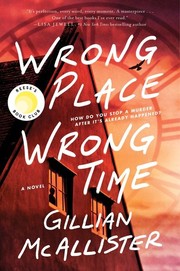
Wrong Place Wrong Time
Jen sees her son Todd kill a stranger, then wakes the day before, slipping back in time to stop the murder.
2,522-word summary · 11 min read

The Virgin Suicides
Five Lisbon sisters die in 1970s Grosse Pointe as boys watch.
2,559-word summary · 11 min read

The Paper Palace
Elle faces Jonas choice at Cape Cod while assault memory returns.
2,588-word summary · 12 min read