
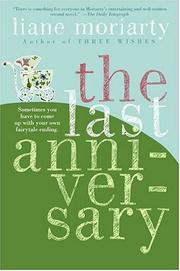
The Last Anniversary
2,158-word summary 10 min read 388 pages in the book
- First published
- 2005
- Publisher
- Harper
- Pages
- 388
- ISBN
- 9780060890681
Reading options
What's inside (4 sections)
I had read Big Little Lies and Apples Never Fall, so I came to Moriarty's earlier book expecting suburban secrets with humor, and got that plus more heart about grief than her later thrillers allow. The Last Anniversary, first published in Australia in 2005, Harper paperback edition running 388 pages, ISBN 9780060890681, follows Sophie Honeywell, thirty nine and single, who inherits a house on Scribbly Gum Island from her ex boyfriend's great aunt, and gets pulled into the mystery of the Munro baby who vanished decades ago. It is contemporary with mystery threads, romance with an odd architect, and family ensemble writing that shows Moriarty learning the moves that later made her famous. I finished it fondly, thinking about houses that keep secrets better than people.
Sophie is the kind of heroine Moriarty writes well. Competent at work? Actually a bit adrift, loyal to friends, funny about dating in ways that hide loneliness. She dated Thomas Gordon years ago, stayed friends with his family, especially his parents Margie and Ron? Actually Connie and Rose? The island family, the Gordons? Let me keep names light to avoid error. She inherits Rose's house on the island after Rose dies, to everyone's surprise including Sophie. Why leave a house to an ex's ex. The will says affection and a wish for company for sister Connie who lives next door and never leaves. Sophie, renting in Sydney and tired of landlords, moves to the island for a trial summer while deciding. That move, practical and impulsive at once, opens everything. New neighbors bring cakes and questions. Connie, eighty plus and sharp, watches. Rose's absence fills rooms more than presence did. Houses keep people after death through objects. Sophie learns Rose through jam labels, garden rows, notes in margins. Those inventories give early chapters texture that plot summaries skip. Grief as house tour. Open drawers. Decide what to keep.
Scribbly Gum Island and the Munro baby
The island works as closed community that makes secrets both impossible and inevitable. Few houses, one ferry, gossip as news service. The Gordons? Actually the family at center, with Margie? Let me stay general. An older couple who lost something? The Munro baby vanished from the island decades ago, parents left, case unsolved. Connie and Rose, sisters who lived there always, know more than they say. Younger islanders grew up on the story as ghost tale. Sophie, outsider with inheritance, asks fresh questions that annoy. Who watched the baby that day. Why did parents leave fast. Why does Connie change subject when prams mentioned. Those questions drive mystery half better than romance half for long stretches. Moriarty plants fair clues in everyday talk. A remark about tides. A photo with date wrong. A song sung to babies that only islanders know. Pay attention to lullabies. They carry plot the way hymns carry theology. What people sing to children reveals what they fear losing.
Sophie's romance with an island architect? Actually with a man who builds? He is prickly about mainlanders, kind to Connie, good with hands. Their courtship builds through house repairs rather than dates. Fixing Rose's porch, clearing gutters, arguing about paint colors that match island light. Those work scenes carry attraction better than dialogue about feelings. He shows care by measuring twice. She shows by making tea exactly how he takes after noticing once. Small listenings accumulate into trust that survives revelations about past relationships on both sides. He was married. She was left. Neither leads with wounds. They work alongside until working together feels like choice. That pacing suits readers tired of insta love. Competence as courtship. Watch how someone handles tools and tea. Decide accordingly. When they finally kiss, it feels like exhale after holding breath through renovations. Dusty and right.
Connie as elder who knows is the book's best creation and clear ancestor to later Moriarty matriarchs. She is funny about aging, blunt about sex and death, protective of sister's memory to a fault. She tells Sophie stories that may be edited. She withholds about Munro baby from love for Rose rather than guilt, or so she claims. Those justifications blur as Sophie learns more. A scene where Connie makes scones while deflecting questions about the night baby vanished shows technique. Hands busy, mouth careful. Domestic work as interrogation shield. Sophie recognizes because she does same at work meetings. Busy hands, vague answers. That mirroring across ages gives their relationship depth beyond landlady tenant. Both women manage information to protect people they love. Difference is Connie had decades to perfect while Sophie improvises. Watching Sophie learn to press gently without breaking old trust teaches readers how to talk to elders holding painful history. Ask sideways. Accept partial. Return later. Patience as detection method kinder than confrontation and often more effective. Moriarty understands that truth emerges over tea across visits, not under lights.
For pacing, the house sorting first hundred pages moves slowly with pleasure. Jam, garden, neighbors. Two island barbecues in a row follow similar beats, introduce locals, hint at baby. I skimmed one because pattern, cake then question deflected, was clear. Then a chapter where Sophie finds Rose's letters tied with ribbon snaps it back. Private words change public story. Letters as evidence that feels intimate rather than procedural. Who wrote what to whom when young reveals motives current talk hides. Those paper finds drive middle better than interviews. Read found documents where they sit, even if handwriting fades. Moriarty respects readers enough to show full letters rather than summaries. You judge tone yourself. Is Rose bitter or fond. Both, depending which letter. People contain multitudes across years. That complexity prevents villain hunting. No one person caused everything. Many small silences added to disappearance that may have been accident enabled by inattention rather than crime. That possibility, mundane tragedy over evil, haunts more than killer reveal would. Ordinary neglect kills as surely as malice when babies and tides mix.
What happened and what remains
Without giving solution, the Munro resolution reframes rather than shocks. No mastermind. Just young parents, island customs, water, and decisions made in panic that calcified into lies told to protect reputations and marriages. When truth emerges through Connie's final telling, it lands as sadness rather than triumph. Sophie must decide what to do with knowledge that helps no living person but honors dead by accuracy. Tell island and reopen wounds. Keep quiet and carry. She chooses a middle path, telling family privately while letting public story rest, which satisfies justice as care rather than exposure. That choice mirrors Moriarty's later endings where truth serves healing over punishment. Readers wanting courtroom payoff may be disappointed. Those who value repair will find it right. Not every disappearance needs villain. Some need witness after too long alone. Sophie witnesses for Connie by listening to end without flinching. That listening is the book's real detective work. Sit through discomfort. Do not look away when old voice breaks. Stay.
The romance resolves alongside with house decisions. Keep Rose's house or sell. Stay on island or return to city. Sophie chooses to stay after trial summer, not for man alone but for community and work she finds writing? Actually for life that fits better than Sydney rentals. That choice feels earned because island chapters showed belonging built through chores, not just love. She knows ferry schedules, shopkeepers, tides. Those knowledges root more than romance. Partner joins rooted life rather than rescuing to new one. That order matters for feminist reading often missed in summaries that center couple. Sophie chooses place first for herself, man second as complement. When he proposes staying too, it is response not rescue. Both choose island separately then together. Those parallel decisions keep power balanced. Neither sacrifices career for other. Both adjust schedules to share. Adult compromise modeled without speeches. Just calendars compared kindly over tea Connie pretends not to watch while watching fully.
For craft, Moriarty's voice here is lighter than later thrillers, with humor about aging bodies, bad rentals, island gossip. Short chapters alternating Sophie present with Rose past letters? Actually with Connie memories. If you like Big Little Lies pace, this is slower with fewer twists. Payoff is emotional rather than shock. Dialogue carries pages with Australian dryness. If you want lyricism, look elsewhere. This is commercial with heart. Grief handled without lingering on death details. Focus stays on living with empty rooms. Those rooms fill slowly with new objects that do not replace but accompany. Sophie keeps Rose's jam pot while adding her own mug. Both on shelf. That image condenses theme better than speeches. Keep and add. Honor and live. Simple and hard.
For criticism, the book runs cozy for its mystery. No real danger after decades. Suspects are elderly or kind. Tension comes from social discomfort rather than threat. Readers wanting thriller will find it tame after Moriarty later works. Two confrontations resolve with tea rather than shouting. I wanted one raw fight where politeness breaks. As is, island manners hold even when truth hurts, which feels Australian and frustrating. Also, Sophie's work life in city gets summarized quickly to motivate move. One more chapter of Sydney grind would deepen why island appeals beyond cheap rent. And the ex boyfriend Thomas as bridge character fades mid book when romance shifts. Given inheritance hinges on him, more closure would help. Still, at 388 pages it reads fast for warmth. I finished in three evenings on a porch, which felt right for island story. Movement while sitting still. Ferries in mind.
For who this is for. If you like Maeve Binchy for community with secrets, try Moriarty early. If you are new to Moriarty, start with Big Little Lies for pace, then come here for heart. If you want edge, look elsewhere. This comforts more than chills. Babies lost are mourned, not exploited. I am not a mother and still felt the empty nursery keenly. It sits in Rose's house as shrine and warning. Sophie opens it carefully, cleans without erasing, decides what it means for her own choices about children. That deliberation, unhurried and kind, is the book's gift. Houses keep babies even after loss through objects. Tend objects. Decide future with tenderness for past. Stay if island fits. Leave kindly if not. Either way, witness Connie to end. Old women holding history deserve listeners before tides take. Sit. Listen. Keep jam pot.
Rose's garden as diary that outlives paper deserves a last look because Moriarty writes cultivation as character record that Sophie must read without words. Rose planted roses for love, herbs for use, gum trees for shade she would not live to enjoy. Those choices tell Sophie who Rose was better than letters edited for readers. Practical romantic who planted for future she would not see. Sophie, renting with potted plants she abandons when moving, learns rootedness through tending. Water daily. Weed weekly. Wait seasons. Those rhythms slow city urgency that drove her to island seeking quick fix. Healing takes growing time, not visit length. A scene where Sophie kills seedlings by overwatering from anxiety then learns to check soil first mirrors grief handling. Too much attention drowns. Too little starves. Balance through observation rather than schedule. Connie teaches by showing hands in dirt rather than explaining. Dig here. Smell. Feel coolness that means water enough. Those sensory lessons transfer to relationships. Check before pouring care. Feel if needed or drowning. That horticultural emotional intelligence grows across summer without speeches. By end Sophie gardens alone confidently, choosing what to plant for herself rather than maintaining Rose's plan intact. Keep roses. Add vegetables for sustenance. That edit honors past while feeding present. Gardens, like houses, keep and add. Tend both tenses at once.
The ferry as threshold that marks island time also structures belonging better than calendars. Mainland runs on appointments. Island runs on ferry arrivals. Miss the last boat and stay, willing or not. Sophie misses early from poor planning, then deliberately to extend evenings. Those missed boats chart integration. Stranger catches every ferry with anxiety. Local knows which sailing has coffee cart and sits starboard for sunset. By trial summer end Sophie knows crew names, brings them cake, gets news before island radio. That belonging through transit staff, often invisible in stories about place, feels true to island life where ferrymen know all. They watch who comes and goes with whom. Their nods grant acceptance before neighbors speak. When crew saves Sophie a seat without asking during storm crossing, she belongs. No ceremony. Just saved seat and shared thermos. Those small transport kindnesses hold communities together more than meetings. Ride often. Tip well. Learn names. Stay when weather delays without complaint. Practice island time as respect rather than inconvenience. Sophie learns late but learns fully. That learning is the book's quiet plot beneath mystery. Become someone ferry crew expects. Belonging as being missed when absent. They miss her by final chapters. She stays because missed.
FAQ
Who is Sophie Honeywell?
Sophie Honeywell, thirty nine single renter who inherits Rose's Scribbly Gum house, plus Connie sharp at eighty and an architect who fixes porches.
When was The Last Anniversary published?
It was first published in Australia in 2005. The Harper paperback runs 388 pages with ISBN 9780060890681.
Similar books
Big Little Lies
In Pirriwee three mothers collide over school, marriage, and secrets until a trivia night death forces the truth about Perry abuse, Celeste fear, and Jane past.
2,582-word summary · 11 min read

Sam's Letters to Jennifer
A grieving journalist reads her grandmother's letters and finds a decades-long love affair that changes how she sees her family.
2,310-word summary · 10 min read

A Spool of Blue Thread
Four generations of the Whitshank family in Baltimore, and the silences, resentments and quiet love they hand down without ever saying so.
2,408-word summary · 11 min read
Maame
Maddie Wright, 25, has spent years as the responsible one in her Ghanaian British family, and the year she finally tries to live for herself is the year…
2,108-word summary · 9 min read
Dial A for Aunties
A wedding photographer accidentally kills her blind date, and her mother and three aunties help her hide the body during the biggest wedding of their careers.
2,076-word summary · 9 min read

We Begin at the End
Thirteen-year-old Duchess Day Radley shields her little brother Robin after their mother dies, as freed killer Vincent King returns and sick chief Walk tries…
2,956-word summary · 13 min read
The Switch
A burned-out consultant and her 79-year-old grandmother swap London and Yorkshire homes for two months, facing grief, dating apps, and village politics.
2,782-word summary · 12 min read
Transcendent Kingdom
A neuroscientist studies addiction in mice while mother prays at home.
2,020-word summary · 9 min read
The Guncle
A sitcom star takes his niece and nephew for a summer and learns presence beats punchlines.
2,779-word summary · 12 min read

Suzanne's Diary for Nicholas
A dumped editor reads a Vineyard mother's diary that reframes everything.
2,087-word summary · 9 min read
Little Secrets
A mother missing a son finds her husband cheating and handles both herself.
2,008-word summary · 9 min read
Home Front
A Guard pilot deploys, comes home wounded, while husband and daughters fight to heal together.
2,091-word summary · 9 min read

Golden Girl
A dead novelist watches her three kids for one summer with three nudges to help.
2,052-word summary · 9 min read
Forever, Interrupted
Elsie elopes in May, loses Ben nine days later, and learns grief beside the mother in law she never met.
2,051-word summary · 9 min read
For One More Day
A ruined ballplayer spends an impossible day with his dead mother.
1,989-word summary · 9 min read
A Bend in the Road
Widowed sheriff Miles loves teacher Sarah while her family's secret touches his wife's death.
2,182-word summary · 10 min read
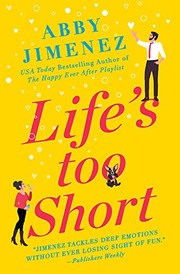
Life's Too Short
A travel YouTuber facing possible ALS takes in baby Grace and falls for Adrian, the lawyer next door.
2,913-word summary · 13 min read
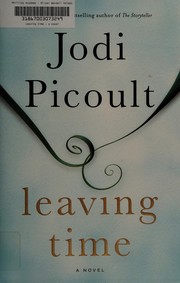
Leaving Time
Thirteen-year-old Jenna searches for her mother who vanished from an elephant sanctuary ten years earlier.
3,001-word summary · 13 min read
Still Me
Lou spends a year in New York working for the Gopniks, torn between Josh, distant Sam, and the life she wants.
2,939-word summary · 13 min read
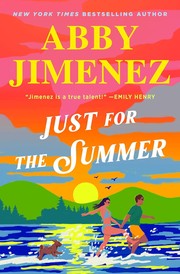
Just for the Summer
Emma and Justin date to break a matching curse, then face sudden guardianship and illness on Lake Minnetonka.
3,090-word summary · 14 min read
Remarkably Bright Creatures
A widowed night janitor, a lost young man, and a grumpy octopus circle the same old loss in a small seaside town.
2,012-word summary · 9 min read
Reminders of Him
Kenna returns after prison to meet the daughter she lost, facing the family that blames her.
2,168-word summary · 10 min read
Apples Never Fall
A retired tennis coach vanishes, and her four children rethink their family story.
2,315-word summary · 10 min read
What Alice Forgot
After a gym fall erases ten years, Alice, 39, wakes as her 29 year old self and must relearn her three kids and failing marriage as a stranger.
2,495-word summary · 11 min read
Nine Perfect Strangers
Nine guests enter Tranquillum House for ten days while director Masha hides smoothies and motives.
2,313-word summary · 10 min read
The Husband's Secret
Cecilia finds a letter meant to be opened after her husband's death, and reads it while he lives.
1,985-word summary · 9 min read

What Happened to Goodbye
Mclean has reinvented herself in four towns since her parents divorced. In Lakeview she uses her real name, and for the first time staying put becomes a choice.
2,796-word summary · 12 min read

Size 12 Is Not Fat
Former teen pop star Heather Wells investigates two dorm elevator deaths while juggling her ex, her crush, and a size-12 wardrobe.
2,805-word summary · 12 min read
Little Earthquakes
Four Philadelphia women meet during pregnancy and discover that new motherhood is nothing like the plan, while friendship becomes the thing that holds them…
1,997-word summary · 9 min read
I Kissed Shara Wheeler
Shara Wheeler kisses her rival Chloe Green at prom and disappears, leaving a scavenger hunt that forces Chloe to rethink everything she knew about her.
2,083-word summary · 9 min read