
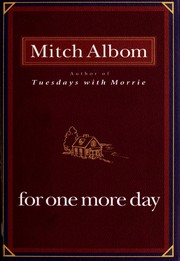
For One More Day
1,989-word summary 9 min read 208 pages in the book
- First published
- 2006
- Publisher
- Hachette Books
- Pages
- 208
- ISBN
- 9781401388898
Reading options
What's inside (4 sections)
I had read Tuesdays with Morrie years ago and found it comforting without changing much, so I came to Albom's next fable expecting similar and got something stranger about suicide and second chances. For One More Day, first published in 2006, Hachette Books paperback edition running 208 pages, ISBN 9781401388898, follows Chick Benetto, a washed up baseball player turned salesman who drinks, divorces, loses his daughter's respect, and decides to kill himself, only to spend one more day with his dead mother. It is sentimental magical realism with sports metaphors, short chapters, and direct addresses about appreciating parents before loss. I finished it crying and thinking about my own mother, which is exactly the response Albom engineers without apology. Feel manipulated and grateful at once, then call home.
Chick narrates from an in between after attempting suicide? Actually after crashing his car drunk on the way to kill himself? He wakes in his childhood town of Pepperville Beach? Actually in his old home where his mother, who died years ago, makes breakfast as if no time passed. The premise never explains mechanics. Is it near death dream. Ghost visit. Second chance literal. Albom refuses to specify, which frustrates readers wanting rules and frees those willing to accept fable logic. Spend the day. Ask questions you never asked. Say things unsaid. Time moves oddly. Morning lasts chapters. Afternoon blurs. Night approaches with dread because leaving means dying or returning to life that drove to suicide. That ambiguity sustains better than explanation would. Wonder if mother is real enough to matter more than how. She cooks, scolds about drinking, asks about daughter, listens without fixing. Those ordinary maternal acts inside impossible premise ground magic that could float. Make eggs. Fold laundry left from years ago. Small tasks as love language that death interrupts and return restores briefly. Anyone who lost a parent will recognize handled objects as portals. Touch mother's pan and she appears in muscle memory if not room. Albom literalizes that feeling into day together. Indulge premise. Receive gift. Worry about mechanics later, if ever.
What Chick missed while chasing dad
The backstory unfolds through day conversations and flashbacks that show Chick chose wrong parent to please. His father, a baseball star? Actually a former player who pushed Chick hard then left family for new wife, represents approval never fully given. Chick chased dad's praise through sports, college scholarship, pros brief stint, sales numbers after injury ended play. His mother, quiet, steady, present at every game though understanding little about baseball, offered love he treated as background while pursuing foreground father who withheld. Those dynamics structure the book's moral without subtlety. Appreciate present parent over absent idol. Easier said across decades of longing for dad's nod at banquets where mom clapped too loudly to embarrass. Chick hears this from mother gently during their day, not as accusation but observation. You always looked past me to him. She says it while serving food, which softens truth into digestible size. He chokes on bite as much as words. That choking scene, literal food caught in throat when truth lands, works as body metaphor Albom favors. Feelings lodge physically before minds accept. Swallow hard. Drink water. Continue. Those small bodily receptions of hard truths keep sentiment from floating. Grief lives in throat and gut, not just heart as symbol. Pay attention to swallowing in the book. It marks moments where love lands past defenses. Count swallows like others count kisses. Each hard swallow means hearing mother clearly for first time despite having heard words for years. Listening as swallowing. Take in. Digest slowly. Nourishment follows if allowed.
Chick's own family, ex wife Catherine and daughter Maria, mirror his parents' split from child's view, which horrifies him into recognition during the day. He left emotionally long before divorce papers, drinking through recitals, missing games for sales trips that paid for things no one needed. Maria, twelve? Actually older teen, stopped asking him to attend. That silence hurt more than shouting and he drank to mute. Mother helps him see pattern without shaming. You became your father chasing him. Break by staying present now, if day grants return. Those stakes give fable urgency beyond sentiment. This is not just goodbye to mom. It is audition for living differently if granted. Will he call daughter after. Stop drinking. Show up. The day's lessons must transfer to life, or magic wastes. Albom makes transfer explicit in final chapters where Chick returns to intersection of choice. Same road, same bottle? Actually same despair with new memory of mother's breakfast. Choose differently with full stomach of love. That choice, described in plain sentences without miracle fanfare, lands because small. Call daughter. Pour out bottle. Attend meeting. Those unglamorous steps after magic matter more than day itself. Magic shows what matters. Living proves learning. Do dishes of recovery daily after vision fades. That practice sustains beyond pages into readers' own calls home. Call now. Do not wait for magic day that may not come. Mothers age. Phones work today. Use them.
For pacing, the day structure helps. Morning discovery, midday errands with mother around town meeting old neighbors who react to Chick with pity and warmth, afternoon baseball catch that heals father wound sideways through mother playing catch badly but joyfully, evening meal with goodbyes approaching. Two town encounters in a row with people who knew mother follow similar beats, condolences then gossip. I skimmed one because pattern, sorry for loss then ask about sales career, was clear. Then a scene where mother takes Chick to his old field and watches him throw alone snaps it back. Play catch with ghost of dad expectations while mom applauds from bleachers where she always sat. That image reframes his whole athletic life. She was there every game he thought only dad mattered. Presence over praise. Being watched kindly beats being evaluated highly. Those bleacher memories revise ambition narratives many sons carry. Dad's scarce approval versus mom's constant witness. Which shaped more. Both, but witness sustains when approval never comes. Thank witnesses before they go. Sit with them in stands while able. That instruction transcends sports into any striving. Notice who attends your games, literal or career. Thank them Tuesday, not at eulogy.
What the day costs and who should try it
Without giving ending mechanics, the day ends with Chick choosing life through daughter rather than mother letting go. Mother sends him back with blessing that is also command. Live better. Call Maria. Stop drinking. Those orders as love give structure to recovery that follows, shown briefly in epilogue where Chick works program one day at a time with slips. Albom resists miracle cure narrative that would cheapen addiction story. One magic day does not fix alcoholism. Meetings, amends, showing up do, slowly with relapses. That honesty about recovery inside fable surprised me favorably. Sentiment with program. Tears plus steps. Readers in recovery may find portrayal thin compared to memoirs, but direction right. Magic reveals. Work heals. Do work after vision. Those sequences keep book from using mother as cure. She is catalyst, not treatment. Treatment is daily grind she models through breakfast routines. Cook. Clean. Show up. Repeat. That domestic recovery plan suits mothers everywhere. Ordinary faithfulness over ecstatic transformation. Practice.
For craft, Albom's sentences are short and plain with sports metaphors that never strain. Life as game with innings, errors, extra chances. If you like lyrical complexity, look elsewhere. This is parable plainness designed for accessibility across reading levels. Dialogue carries pages with mother wisdom stated simply. You never called just to talk. Those lines land because true for many. Chapters run 3 pages with white space as mercy for crying readers who cannot see through tears. That design respects emotion as reading condition, not interruption. Keep tissues where books rest. Pause when needed. Return without losing thread because threads are few and bright. Mother. Daughter. Bottle. Ball. Follow four objects through day to track growth. Bottle emptied. Ball caught. Daughter called. Mother released with thanks rather than clinging. Those object arcs satisfy more than plot twists. No villains here except drink and distance. Fight those with presence. Win slowly or lose kindly trying.
For criticism, the book manipulates openly in ways that trouble after tears dry. Dead mother as life coach uses maternal selflessness trope that asks women to serve from beyond grave without needs of her own. What did mother want from day besides helping son. Rest. Company. Those get brief pages before focus returns to Chick. A fuller mutual day would deepen. Also, father as villain is thin. He left, remarried, withheld. One scene of his perspective, even reported, would complicate. As is, dads lose to moms cleanly in ways that comfort but simplify. Divorce involves more mutual failure usually. And suicide attempt as plot device risks romanticizing crisis as portal to wisdom. Real attempts rarely yield magic days. Survivors face hospitals and bills, not breakfasts with dead. Albom includes hotline page in some editions, which helps, but narrative still suggests hitting bottom reveals love that saves. Sometimes bottom kills despite love. Acknowledge limits of parable while receiving gift. Use hotlines before hoping for magic. Live people help better than ghosts, reliably and without vanishing at dusk.
Still, at 208 pages it reads in one sitting ideal for evenings when missing someone. Short chapters ending on meal smells. No cliffhangers that punish. The final call to daughter lands as exhale rather than twist. Breathe out. Dial. Speak plainly. That simplicity is gift after heavy batch books. Light meal after feasts. I read it last in batch deliberately for comfort and it worked. Tears came gently without sobs that exhaust. Wiped eyes. Called mother. Talked about nothing important for twenty minutes. That call matters more than review. Books that prompt calls home justify sentimentality critics dismiss. Feel, then dial. Love needs voice, not just pages. Practice that sequence tonight. Read about day. Make your own ordinary day with living mother while able. That instruction, simple and urgent, is the book's gift beyond plot.
The daughter Maria as future reader of Chick's story deserves a final thought because Albom frames narration as tale told to her, perhaps, or to readers as stand ins. Maria stopped asking father to attend, learned not to expect, built life with mother that excludes him kindly without cruelty. His return through magic day does not entitle him to her time. He must earn reentry through program living, not grand story about ghost mother. Those earning chapters, briefly sketched in epilogue, matter more than magic for credibility. Show up sober to recital late. Leave quietly if unwelcome. Try again next week without guilt tripping about magic lessons learned. That persistence without demands models amends better than speeches about change. Changed behavior over time convinces where words about visions alienate. Maria responds slowly, testing with small requests kept. Pick up from practice on time three weeks running. Then talk about bigger hurts. That gradual rebuild respects her timeline rather than his urgency after mortality scare. Urgency belongs to the wakened. Patience owed to those who waited through absence. Give patience now. It is the only gift magic cannot grant but sobriety can practice daily. Practice with calendar reminders at first until habit forms. Set alarm labeled Maria pickup. Honor ringing as sacred as any game start time once worshipped. Those alarms structure recovery better than resolutions. Concrete times beat vague promises. Be there at 3pm Tuesday. Repeat. Trust accrues in kept pickups the way interest accrues in accounts Chick once chased. Small deposits compound into relationship wealth no sales bonus matches. Count pickups kept like others count kisses or goals. Celebrate streaks quietly without expecting applause. Applause comes later, if ever, from daughter who notices patterns adults miss. Kids track attendance better than excuses. Show up. Keep showing. That is the whole program in one school pickup line.
FAQ
Who are Chick and his mother?
Chick Benetto, washed up ballplayer turned salesman who drinks through divorce, and his mother who makes breakfast as if no time passed.
When was For One More Day published?
Hyperion published it in 2006. The Hachette paperback runs 208 pages with ISBN 9781401388898.
Similar books

Golden Girl
A dead novelist watches her three kids for one summer with three nudges to help.
2,052-word summary · 9 min read
Reminders of Him
Kenna returns after prison to meet the daughter she lost, facing the family that blames her.
2,168-word summary · 10 min read

Sam's Letters to Jennifer
A grieving journalist reads her grandmother's letters and finds a decades-long love affair that changes how she sees her family.
2,310-word summary · 10 min read

A Spool of Blue Thread
Four generations of the Whitshank family in Baltimore, and the silences, resentments and quiet love they hand down without ever saying so.
2,408-word summary · 11 min read

Maame
Maddie Wright, 25, has spent years as the responsible one in her Ghanaian British family, and the year she finally tries to live for herself is the year…
2,108-word summary · 9 min read
Sold on a Monday
A reporter hides a Depression photo of children for sale and must face the cost.
2,501-word summary · 11 min read
The Mothers
Nadia hides abortion from church Mothers while Luke and Aubrey circle for years.
2,078-word summary · 9 min read
The Switch
A burned-out consultant and her 79-year-old grandmother swap London and Yorkshire homes for two months, facing grief, dating apps, and village politics.
2,782-word summary · 12 min read
Transcendent Kingdom
A neuroscientist studies addiction in mice while mother prays at home.
2,020-word summary · 9 min read
The Last Anniversary
A single woman inherits island house and unknots a vanished baby story.
2,158-word summary · 10 min read
The Guncle
A sitcom star takes his niece and nephew for a summer and learns presence beats punchlines.
2,779-word summary · 12 min read
Home Front
A Guard pilot deploys, comes home wounded, while husband and daughters fight to heal together.
2,091-word summary · 9 min read
Forever, Interrupted
Elsie elopes in May, loses Ben nine days later, and learns grief beside the mother in law she never met.
2,051-word summary · 9 min read
Life's Too Short
A travel YouTuber facing possible ALS takes in baby Grace and falls for Adrian, the lawyer next door.
2,913-word summary · 13 min read
Still Me
Lou spends a year in New York working for the Gopniks, torn between Josh, distant Sam, and the life she wants.
2,939-word summary · 13 min read

Just for the Summer
Emma and Justin date to break a matching curse, then face sudden guardianship and illness on Lake Minnetonka.
3,090-word summary · 14 min read

The Memory Keeper's Daughter
On a snowy night a doctor gives away his newborn daughter and tells his wife she died.
2,154-word summary · 10 min read
The Five People You Meet in Heaven
Eddie the ride mechanic dies saving a child and meets five people who explain what his life meant.
2,001-word summary · 9 min read

What Happened to Goodbye
Mclean has reinvented herself in four towns since her parents divorced. In Lakeview she uses her real name, and for the first time staying put becomes a choice.
2,796-word summary · 12 min read

Little Earthquakes
Four Philadelphia women meet during pregnancy and discover that new motherhood is nothing like the plan, while friendship becomes the thing that holds them…
1,997-word summary · 9 min read

Amy & Roger's Epic Detour
Amy Curry has not driven since the crash that killed her father. With Roger at the wheel and a box of maps between them, a cross-country trip becomes a slow…
3,034-word summary · 13 min read

We Are Okay
Marin fled San Francisco after her grandfather vanished and stopped answering anyone. When Mabel visits her college dorm, she has to say what happened.
2,253-word summary · 10 min read

Two by Two
Sparks's twentieth novel turns from first love to a marriage breaking up: Russell Green loses his wife and his job, then rebuilds his life around his…
2,192-word summary · 10 min read
Between Sisters
Estranged sisters Meghann and Claire reunite in Washington when Claire announces a rushed wedding, then face their mother's desertion and a medical crisis.
2,467-word summary · 11 min read
The House We Grew Up In
The Bird family of the Cotswolds breaks apart after a suicide and spends twenty years not talking about what happened.
2,198-word summary · 10 min read
Saving Noah
A seventeen-year-old swimmer confesses to molesting two girls he coached, and his mother must decide what unconditional love is worth.
2,976-word summary · 13 min read

At First Sight
Jeremy and Lexie are married and expecting a baby when anonymous emails tell him the child may not be his.
2,317-word summary · 10 min read
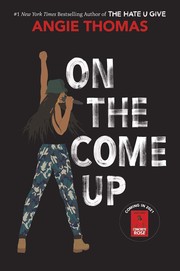
On the Come Up
Bri Jackson, a sixteen-year-old rapper in Garden Heights, chases a record deal while a viral song turns her into a symbol she never wanted to be.
2,034-word summary · 9 min read
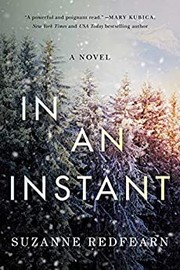
In an Instant
After a family camper crashes down a snowy mountain, sixteen-year-old Finn watches from the afterlife as survivors make impossible choices and try to live with…
2,130-word summary · 9 min read

Delilah Green Doesn't Care
Delilah returns to Bright Falls to photograph her stepsister's wedding and falls for Claire, a bookstore owner and single mother, while a cruel bet threatens…
2,315-word summary · 10 min read