
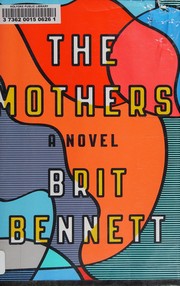
The Mothers
2,078-word summary 9 min read 288 pages in the book
- First published
- 2016
- Publisher
- Riverhead Books
- Pages
- 288
- ISBN
- 9780399184512
Reading options
What's inside (6 sections)
I read The Mothers because The Vanishing Half left me thinking about Bennett sentences for weeks, and her debut proved the voice was already there. Riverhead Books published it October 11, 2016, a 288 page hardcover with ISBN 9780399184512. It is a standalone debut novel about Nadia Turner, Luke Sheppard, and Aubrey Evans in a Black Southern California church community, narrated partly by a Greek chorus of Mothers. If you want lyrical literary fiction about secrets, faith, and what ifs, read slowly. Every line cracks open, as Morgan Jerkins said.
Nadia Turner is seventeen when her mother kills herself. Grief makes her reckless and bright. She takes up with Luke Sheppard, twenty one, pastor son, former football star waiting tables after injury. They are young. It is not serious, until pregnancy. Nadia hides it from everyone, including Aubrey, her God fearing best friend. She has an abortion with Luke help and silence. They part. Years pass. Nadia leaves for college, then law? Actually she studies. Luke marries Aubrey. Secrets sit like stones in all three. When Nadia returns for a family emergency, old wounds rip. Luke and Aubrey marriage strains. Nadia must decide whether to tell, and what telling would cost now that Aubrey is pregnant too.
The Mothers of Upper Room Chapel narrate between chapters. Elderly church women who pray, gossip, judge, love. They speak as we, collective voice that knows some and guesses rest. All good secrets have a taste, they begin. They watched Nadia grow, Luke fall, Aubrey pray. They know about abortion though no one told. Churches know. Their chapters provide context and extra layer, as PW said. They are funny and cutting. That girl thought she was grown. They are also wise about community. What if questions haunt more than deeds. They ask whether a what if can be more powerful than experience. The book answers yes, achingly, through three lives bent around one summer secret.
Nadia, Luke, Aubrey
Nadia carries the book with voice that is sharp and sad at once. Rebellious, grief stricken beauty who reads, runs, refuses church comfort after mother death. She loves Luke with teen intensity that feels adult because grief aged her. After abortion, she carries guilt the book never simplifies. Was it right. Was it forced by age, money, faith. Bennett lets Nadia feel multiple truths. Relief and loss. Freedom and debt. She leaves town to outrun, studies hard, dates others, but returns when called because mothers, blood and church, pull. Her adult chapters show a woman who chose herself and wonders what self cost. That wondering is the book engine. Not plot. Reflection. Readers who want fast twists should adjust. This is slow burn about living with choices. Stay for sentences. They carry.
Luke carries different weight. Pastor son who disappointed. Football injury ended dreams. Waiting tables while friends advance. Loves Nadia truly but weakly. Pays for abortion, drives her, then leaves her to grieve alone because church shame chokes. Marries Aubrey years later, steady and kind, trying to be good man after failing good boy. When Nadia returns, old love flares, not just lust but unfinished grief shared. He must choose between confessing to Aubrey and protecting marriage with silence. Both hurt. His chapters show a man who failed twice, first by leaving Nadia alone, then by hiding from Aubrey. Can he become honest late. Partially. The book grants no clean redemption. Just attempts. That honesty about male failure feels rare and true. He is not villain. He is weak and sorry. Sit with that discomfort. It teaches more than monsters.
Aubrey carries faith as anchor and question. Bible thumping teen who loves Nadia fiercely and judges her silently. She does not know about abortion when she befriends Nadia, then marries Luke. When she learns, years later, her world cracks. Not just husband lie, but best friend lie. Her faith must hold betrayal by two she loves most. Bennett writes her without caricature. Aubrey prays, doubts, prays again. She considers leaving Luke while pregnant. She considers forgiving. The Mothers watch and cluck. That girl should have known. Aubrey decides for herself after listening, not before. Her choice in finale satisfies because it is hers, not church, not husband, not friend. Women choosing after betrayal is the book quiet feminism. No speeches. Just a woman deciding what family means now that secrets aired. Respect her pace. It is slower than plot wants. Right for soul.
Secrets and church
Secrets as taste runs the book metaphor and deserves savoring. All good secrets have a taste before you tell them. Nadia secret tastes sour, unripe, stolen. Luke secret tastes metallic, blood and money. Aubrey secret, once she knows and hides her knowledge a while, tastes bitter. The Mothers taste all and smack lips. Church as place where secrets ferment. Confessionals without priests. Prayer circles that pray around, not about. Bennett, raised in church culture though not preachy, nails how faith communities hold and harm. They bury mothers with love. They shun girls who stray. Both true. Nadia needs church mothers even as she flees them. That tension never resolves. It just ages, like faith does. Go to church chapters with attention. They gossip truth.
Abortion as event and absence shapes all without becoming polemic, which is the book triumph. Nadia decides quickly with Luke money. Clinic scenes are brief and factual. Aftermath lasts 288 pages. Grief, relief, dreams of a child, fear of infertility, anger at Luke ease. Aubrey, who would never choose it, must face that best friend and husband did. Her pro life faith meets love for people who chose otherwise. Bennett does not stage debates. She shows lives. Readers across views will feel each side because characters are full, not positions. That even handedness is brave in 2016 and now. Sit with discomfort whatever your stance. The book asks what if more than what should. What if Nadia kept. What if Luke stayed. Those what ifs haunt more than judgments. Live with them a while after closing. They linger by design. Good.
Race as lived, not lectured, textures every page without becoming topic. Black Southern California community with churches, colleges, beaches. Police stop Luke differently than white peers though book never preaches. Beauty standards touch Nadia hair, skin. College classrooms where Nadia is only one. Bennett writes Black life with specificity that universalizes. Anyone from tight community will recognize Mothers chorus, whatever race. Those who share hers will feel seen in details, food, music, prayer language. Read for particulars. They teach more than themes. The Vanishing Half later explores passing. Here belonging is assumed and tested from inside. Stay inside. Listen to Mothers. They know.
Sentences and staying
Sentences deserve praise as more than style because they carry the book when plot idles. Bennett writes lyrically without purple. Each line cracks open, as Jerkins said. Examples stick. Secrets have taste. Grief is a house. Mothers hum. Reread passages aloud. They sing. That beauty risks slowing plot for some. Middle chapters drift through college years with summary. Stay. Payoff comes in adult reunion where every early image returns weighted. The sea where teens met now holds adult tears. Church pews hold same women older. Time does the plotting. Sentences do the feeling. Trust both. Literary fiction readers will luxuriate. Plot readers should adjust pace. This is shimmer, not sprint.
Who should read. Adults and older teens ready for abortion, grief, infidelity fit best. Fans of literary fiction with heart, Yaa Gyasi, Jesmyn Ward, will feel home. Pair with Vanishing Half next for Bennett growth, or with Homegoing for community chorus. Read with tissues and willingness to question choices you might have made. Discuss with friends who love sentences. Ask what if about your own road not taken. Sit with answer without fixing. The Mothers ask whether what if can outpower experience. After 288 pages, you will feel yes ache. That ache is the book gift. Carry it gently. Call your mother figures. Tell one true thing. Taste it first. Then share when ripe. Love remains, even seasoned with sour. Enough.
Church Mothers as chorus
The Mothers chorus technique needs craft praise because it risks gimmick and becomes soul. Elderly church women speaking as we, gossiping, praying, judging. They open chapters with sayings. All good secrets have a taste. They close with warnings. We watched. That choral voice, drawn from Greek tradition and Black church mothers boards, gives community a character. Individuals emerge too. Mrs Sheppard? Actually specific mothers named in turns. One lost a son. One never married. Their asides show love behind judgment. They cluck at Nadia shorts and bring casseroles after funeral. Both true. That duality is why the device works. Community judges and sustains together. Readers from tight groups will recognize. Our grandmothers did same. Prayed for us while talking about us. Love with teeth. Accept both. The Mothers ask hard questions gently. Did you call. Did you come home. Answers matter less than asking. Keep asking after reading. Call elders. Listen longer than comfortable. Their gossip holds data. Sift kindly. Keep wisdom. Forgive tone. That is how communities survive secrets. Together, imperfectly, aloud.
Nadia mother suicide as absence shapes all though she dies before page one. Elise Turner, beautiful, sad, gone by her own hand when Nadia seventeen. Nadia finds her? Actually comes home to body? The details unfold slowly and ache. Grief makes Nadia reckless with Luke. If mother left, why stay for anyone. That logic drives teen risk. Bennett handles suicide with care, no graphic detail, focus on aftermath. Empty chair. Unwashed cup. Church whispers about sin. Nadia anger at mother for leaving wars with love for her warmth remembered. That tangle complicates abortion choice later. Nadia fears becoming mother who leaves, so she leaves motherhood first. Or so Mothers whisper. Read those whispers critically. Women choose for many reasons. Grief is one. Do not reduce to single cause. The book does not. It layers. Mother death plus youth plus faith plus love plus fear equals decision no equation solves. Sit with layers. Do not solve. Witness. That witnessing is what Mothers finally offer Nadia. We saw your mother sad. We see you sad. Come to table anyway. Sit. Eat. Belong even after choices. That invitation, late and real, heals more than judgment ever did. Accept when offered in life too. Sit. Eat. Belong.
Luke and Aubrey marriage as second act deserves attention without villainizing. They marry young after Nadia leaves. Aubrey knows Luke loved Nadia first. She marries anyway hoping love grows. It does, unevenly. Good years with church work, jobs, attempts at babies. Then Nadia returns and old chemistry flares at a funeral? Actually at gathering. Luke looks too long. Aubrey sees. That seeing cracks trust built on partial truth. Luke never told Aubrey full about abortion. Aubrey never asked hard enough fearing answer. Both complicit in silence. When truth outs, Aubrey must decide with a child coming? Actually pregnant too, mirroring Nadia past. The parallel is deliberate and devastating. Same choice, different years, different support. Aubrey chooses differently with fuller knowledge and church behind her. No judgment between choices. Just different roads from same crossroads. Respect both. The book does. So should readers across divides. Talk about options honestly with love. Support whatever road chosen after. Mothers, blood and church, should hold hands either way. Learn to hold. Practice now with friends facing hard choices. Listen. Drive to appointments. Sit in waiting rooms. Love shows up regardless of decision. That showing up is the book final lesson. Be there. Stay. Enough.
Luke marriage to Aubrey after Nadia leaves needs honest look without villainizing. He marries steady and kind, trying to be good man after failing good boy. He loves Aubrey truly while loving Nadia memory. That divided heart strains every anniversary. Aubrey knows and stays, hoping time heals. Time helps but does not erase. When Nadia returns, old chemistry flares at a funeral. Luke looks too long. Aubrey sees. That seeing cracks trust built on partial truth. Luke never told Aubrey full about abortion. Aubrey never asked hard enough fearing answer. Both complicit in silence. When truth outs, Aubrey must decide with a child coming. Same choice, different years. She chooses with fuller knowledge and church behind her. No judgment between choices. Just different roads from same crossroads. Respect both. Talk about options honestly with love. Support whatever road chosen after. Mothers hold hands either way. Learn to hold. Practice now.
FAQ
When was The Mothers published?
Riverhead Books published it October 11, 2016. The hardcover runs 288 pages with ISBN 9780399184512.
Is it part of a series?
No. It is a standalone debut novel.
Who should read it?
Adults and older teens fit best. There is abortion, grief, and infidelity.
Similar books
Sing, Unburied, Sing
A Mississippi family drives to Parchman prison while ghosts press close, and a dying grandmother holds the house together.
2,871-word summary · 13 min read

We Are Okay
Marin fled San Francisco after her grandfather vanished and stopped answering anyone. When Mabel visits her college dorm, she has to say what happened.
2,253-word summary · 10 min read

A Spool of Blue Thread
Four generations of the Whitshank family in Baltimore, and the silences, resentments and quiet love they hand down without ever saying so.
2,408-word summary · 11 min read
This Is How You Lose Her
Yunior cycles through love affairs and betrayals in nine linked stories, tracing the damage he does and the family history behind it.
2,195-word summary · 10 min read
And Every Morning the Way Home Gets Longer and Longer
An elderly grandfather, his son, and his grandson share memories and fears as the old man's mind begins to fade, in a short novel about grief and love.
2,078-word summary · 9 min read
The Tiger's Wife
A young doctor in a war-scarred Balkan country chases the stories her grandfather left behind, including a deathless man and a deaf girl who loved an escaped…
2,232-word summary · 10 min read
The Accidental Tourist
Grieving Macon writes travel guides for haters of travel, then Muriel intrudes.
2,252-word summary · 10 min read
Sold on a Monday
A reporter hides a Depression photo of children for sale and must face the cost.
2,501-word summary · 11 min read

Kitchen
Orphan Mikage finds home in a kitchen with Yuichi and Eriko after loss.
2,597-word summary · 12 min read

The Perfect Nanny
A trusted nanny kills two children, and the book traces how love and class hid warning signs.
2,200-word summary · 10 min read

Song of Solomon
Milkman Dead leaves Michigan to hunt for family gold and finds instead the old song of his ancestor Solomon.
2,465-word summary · 11 min read

The Berry Pickers
A four year old vanishes from a Maine blueberry camp in 1962, and two families carry the loss for decades until Joe and Norma face the truth.
2,606-word summary · 12 min read
We Are All Completely Beside Ourselves
Rosemary tells of twin sister Fern, a chimp raised as family, and research fallout.
2,058-word summary · 9 min read
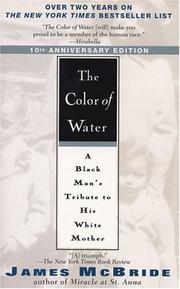
The Color of Water
A Black journalist presses his white mother about her hidden past, from a Virginia store to twelve college degrees.
2,457-word summary · 11 min read
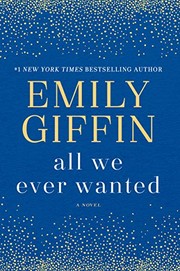
All We Ever Wanted
A Nashville photo of a drunk boy over a passed out girl splits three families along money and race lines.
2,278-word summary · 10 min read
A Tale for the Time Being
A diary by bullied Tokyo teen Nao washes up in Canada, pulling novelist Ruth into her family past.
2,148-word summary · 10 min read

The Valley of Vengeful Ghosts
A grieving therapist buys a model home in a rainy valley where the walls leak ghosts.
2,035-word summary · 9 min read
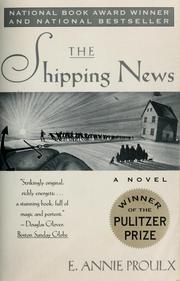
The Shipping News
At thirty-six, failed newsman Quoyle loses his cruel wife and flees to ancestral Newfoundland with his daughters, where a small-paper job slowly rebuilds him.
2,833-word summary · 13 min read

Kin
Two motherless friends from Honeysuckle, Louisiana drift apart and reunite after tragedy in Tayari Jones funny, warm Oprah and Kirkus Prize novel.
2,642-word summary · 12 min read
Golden Girl
A dead novelist watches her three kids for one summer with three nudges to help.
2,052-word summary · 9 min read
For One More Day
A ruined ballplayer spends an impossible day with his dead mother.
1,989-word summary · 9 min read
Our Missing Hearts
In a fearful future America, twelve-year-old Bird crosses the country to find the poet mother who left him.
2,434-word summary · 11 min read
Dear Edward
Twelve-year-old Edward Adler survives a plane crash that kills his family, then learns how to live with grief, letters, and love.
2,903-word summary · 13 min read
I Know This Much Is True
A housepainter fights to free his schizophrenic twin from a locked ward while a grandfather's memoir and a lost marriage resurface. Long, heavy, hard to forget.
2,533-word summary · 11 min read

Hamnet
Agnes Hathaway holds her Stratford family together while her husband works in London, until plague takes eleven-year-old Hamnet in 1596.
3,164-word summary · 14 min read
Tom Lake
Lara tells daughters about young love with actor Peter Duke at Tom Lake.
2,600-word summary · 12 min read

Extremely Loud and Incredibly Close
Nine year old Oskar searches New York for a lock matching his father's key after 9/11.
2,999-word summary · 13 min read

The Memory Keeper's Daughter
On a snowy night a doctor gives away his newborn daughter and tells his wife she died.
2,154-word summary · 10 min read
Everything I Never Told You
In 1977 Ohio, sixteen-year-old Lydia Lee is found dead in a lake, forcing her interracial family to face the secret pressures around race, school and duty that…
2,711-word summary · 12 min read
Little Fires Everywhere
In planned Shaker Heights, Elena Richardson rents to drifting artist Mia Warren, and a custody fight over baby May Ling splits friends and teens.
1,911-word summary · 8 min read