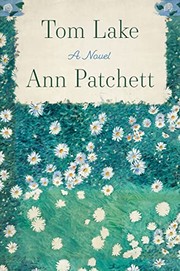
Tom Lake
2,600-word summary 12 min read 315 pages in the book
- First published
- 2023
- Publisher
- Harper
- Pages
- 315
- ISBN
- 9780063327528
Reading options
What's inside (8 sections)
I picked this up because The Dutch House had won me over with its plain sentences and sibling ache. A friend said Tom Lake, first published in 2023 by Harper in a 315 page edition, was even quieter. That sounded like both a warning and a promise. I read it in the kitchen over three nights, and I kept thinking about the stories my own mother only told when we were all stuck under one roof.
The frame is simple. Lara Nelson is fifty seven, married to Joe, living on a cherry farm in northern Michigan. It is spring 2020. The pandemic has closed colleges and paused jobs. Her three adult daughters, Emily, Maisie, and Nell, have all come home. Harvest is coming and help is short, so the girls work the orchard rows with buckets and ladders. While they pick, they ask for the story Lara has long kept short. Tell us about Peter Duke.
Duke is the famous actor, the kind of famous where even people who skip movies know the face. Older now, adored, a little messy in the press. The girls grew up knowing their mother once knew him, back when she wanted to act, back at a summer stock place called Tom Lake. Now, with nowhere to go, they want the full telling.
Lara agrees. The book moves between the farm present, with sore hands and Joe cooking big pans of food, and the past, when Lara was in her twenties and spent one summer acting at Tom Lake in Michigan.
Cherries And Everyone Home
The present day farm chapters surprised me by how much I liked them. Patchett spends time on work. How cherries bruise if you tug wrong. Why sweets keep stems and tarts lose them. What rain does right before picking. How shoulders burn after six hours on a ladder. Joe knows all of it. He is steady and kind and not very talkative, a man who built this life row by row with Lara.
Emily is the oldest, mid twenties, close to home, good with horses, the one who wants the farm. She asks the sharpest questions. Maisie is the middle daughter, practical, training toward vet work, quick to check a fact and roll her eyes at drama. Nell is the youngest, early twenties, dreamy, the actress of the family, the one who most wants her mother's past to have been glamorous. Patchett keeps their voices distinct without forcing it. Emily interrupts. Maisie snorts. Nell goes quiet when something hits.
Joe listens more than he talks. He fixes irrigation, mends the barn, grills, pretends not to hear. At first he reads like background. Then you see he has heard this story before and made peace with parts that would shake most husbands. He knows Lara loved Duke once. He does not compete with it.
The pandemic is handled lightly, which suited me. No lectures. Just masks in town, classes on laptops, empty shelves, a neighbor ill, that strange early feeling that time had stopped. The farm turns into a bubble. Work starts at dawn. Everyone is tired by supper. Stories fit in that tiredness. Lara talks while pitting cherries or walking rows for frost damage. She stops when her hands cramp. The girls push for more.
That rhythm felt true. Family stories rarely come out clean. They come in pieces, with corrections and groans and you left that part out yesterday.
A Young Actress Gets To Tom Lake
Lara grew up in New Hampshire, raised largely by her grandmother after her mother left and her father proved unreliable. Money was tight. She was good on stage in school, able to cry on cue and hold long speeches, and a teacher pushed her toward real training. She got small parts, then regional work. She waited tables, sewed costumes, painted flats.
She was not a star. That matters in this book. Patchett shows Lara as talented and diligent but without that strange extra pull that makes casting directors stare. When she landed a paid summer contract at Tom Lake, a stock company on a Michigan lake playing rotating shows for tourists and locals, it felt large to her. Room and board in a cabin. Real crowds. A summer of acting.
Tom Lake is drawn with fondness. A low wooden theater with bats in the rafters. A dock for swimming. Mosquitoes. Cheap beer at cast parties. Fast rehearsals, quick changes, matinees for retirees and evening shows for vacation couples. The company played comedies and classics, with actors doubling parts. Lara was in her twenties, sharing a cabin, running lines by the water, thrilled to be there.
Then Peter Duke entered. His reputation arrived before he did. Handsome, funny, loose, the kind of actor who could blank on a line and make the crowd love him more. Everyone sensed he would be famous. It was only a matter of when. He noticed Lara. She noticed back. Patchett keeps the spark plain, which makes it believable.
Their early scenes are sweet and edged. He borrows her script. He teases her accent. She tries not to be impressed and fails. Other actors warn her not to get tangled up with him. She does anyway.
Our Town Night After Night
The heart of that summer is Our Town by Thornton Wilder. Grover's Corners. The Stage Manager. George Gibbs and Emily Webb growing up, marrying, losing each other. Small talk that turns weighty. A dead girl watching her own funeral, begging to relive one ordinary day and asking why we never notice life while we live it. If you know the play, you will follow fast. If not, Patchett gives you enough.
Lara is cast as Emily Webb. Duke plays George Gibbs. On paper it fits perfectly. In life it tangles them, because they are falling for each other while playing two kids who fall for each other. Rehearsals blur. He holds her hand on stage and keeps it a beat too long after lights out. She tells herself it is only acting. It is not only acting.
The director, a tired decent man who has seen summers like this, keeps telling them to pull back, to play younger, to stop smiling like grown lovers when they should be nervous teens at a soda counter. The older actor playing the Stage Manager steadies them. Costumes are simple. Emily's wedding dress needs two fittings. The Act Three graveyard scene makes Lara cry even in rehearsal.
Night after night they play it. Patchett gives us good nights and bad ones. A missed cue. A storm that cut power so they finished by flashlight. A night when everything locked in and the crowd went silent during Emily's farewell. Lara remembers dust and sweat in the theater, and the lake afterward, black and flat.
Nell, hungry for theater, asks about Duke's habits, how he learned lines, whether he was kind to crew. Emily and Maisie care less about craft. Was he faithful. Was he drinking. Did Lara know he would leave. Lara answers as best she can, sometimes admitting she recalls the feeling more than the exact words.
These parts moved me because Duke is not a villain. He is young and gifted and careless in the way young gifted people can be. He loves Lara in his fashion. He also loves parties, praise, and the thought of Hollywood calling. He tells her she is good and means it. He tells three others the same that week.
Breakup, California, Joe
The breakup does not land in one fight. It frays, which felt honest.
Work pulls first. As summer closes, Duke draws interest from Los Angeles. An agent. A screen test. Talk of film. He lights up with it. Lara gets a smaller path, a few months of stage work and later a tiny movie part that takes her to California briefly. She is glad, but their scales differ. His door swings wide. Hers opens a crack.
Habits pull too. Duke drinks heavily, stays late, charms producers, forgets to call back. He is not cruel. He is unreliable. Lara, raised without much safety, starts to feel unrest around him. She waits for his mood to shift. She trims herself to keep him pleased and dislikes who that makes her.
There is a talk by the lake late in the season about what comes next, and their pictures do not match. He wants her to come west and see what happens. She wants a plan, a lease, a job, something firm. He laughs it off. She does not laugh. Neither is exactly wrong. They face different ways. They linger another month anyway, both knowing. Most endings have that extra stretch.
When it ends, it ends quietly. No thrown plates. No stage speech, though Nell clearly hopes for one. He takes a job. She takes another. Calls shorten. Letters stop. Later Lara watches him on screens like everyone else and feels a pang that does not ruin her day.
California gets a short, dry section. Lara does a small film role, attends parties where no one knows her name, sees how fast praise cools for young women. Nothing monstrous happens. She is simply overlooked. She learns she does not want a life spent waiting to be chosen. She leaves before the business leaves her, which takes nerve.
Joe comes after, without fanfare. No bolt. He grows cherries in Michigan. They meet through work and friends. He is kind to her grandmother. He listens. He does not ask her to perform. She tells the girls she chose him because with him she could breathe. Emily, who loves the farm, nods. Nell looks sad, as if breath must mean settling for less fire. Maisie asks about money and land and how they afforded the orchard.
Lara holds firm here. Loving Duke was real. Loving Joe is real too. One did not erase the other. Joe is not second prize. He is a different life she picked and keeps picking. Joe, shelling peas nearby or slipping out when talk turns private, smiles at the right beats. That restraint says more about the marriage than any love scene could.
What Each Daughter Hears
Each girl hears the same story differently because each needs something different.
Emily thinks about staying. She loves the farm and horses and fears she wants them only because they are familiar. Hearing her mother traded one dream for another life steadies and scares her. What if she picks wrong. Lara says there is no single wrong the way Emily fears. You choose, you work, you adjust. Emily pushes back. That sounds too easy. Lara admits doubt sat with her for years.
Maisie wants the record straight. She asks what Lara earned that summer, what cabins cost, who paid for dinners, how California rent worked. She also asks the blunt question the others circle. Was anyone unfaithful near the end. Lara does not play coy. Yes, lines blurred. No, it was not clean. Maisie nods, glad for clarity.
Nell carries the tenderest stake. She acts in school and town shows and keeps Duke's old reviews on her phone. She wants to try in Boston or New York. If her skilled mother did not break through, what chance has she. Lara tries to split talent from luck and luck from joy. She was good enough to work, she says, but not built for the hunger and waiting that career demands. Nell hears judgment where none is meant, and they snag softly the way mothers and daughters do when tired and loving.
Small moments fill the gaps between talks. Lara shows Nell how to project without shouting. Joe teaches Emily to graft a tree. Evening swims. A birthday cake with last year's frozen cherries. The girls tease Lara about old headshots with big hair. Lara laughs until she cries.
A local boy tied to Emily drifts in and out. An older neighbor stops by. Nobody drives a big subplot. They fill the world so the farm does not feel like a set. Someone brings soup. Someone fixes a tire. No speeches about community. People just arrive.
The question they circle until late is whether Lara regrets her choice. Would she trade Joe and the farm and them for fame. Her answer stays level. No. Yet she adds what I valued. She misses acting at times. She misses a good crowd on a good night. She misses being young with friends in a cabin. Missing is not the same as regretting. You can hold both. Emily accepts it. Maisie files it. Nell, young, is not sure she believes it yet.
The Quiet Problem
Here is the fair pushback, and fans should not skip it. Little happens. A family picks cherries. A woman recalls a summer. No murder. No twist. The stakes are inward. If you need a driving plot, you will itch by page eighty. I felt the middle sag when rehearsals and swims and parties blurred week to week. Duke charms but rarely surprises. California passes fast, as if Patchett wanted Lara home to Joe.
Some will find the pandemic frame too sheltered. Real 2020 brought fear and loss for many. Here it is mostly a pause that lets a family talk. No one on the farm falls gravely ill. Money is tight but not dire. The orchard gives food and purpose. That softness is a choice, a comfort read choice, but it can feel removed if your months were harder. I waited for bad news that never came, relieved and also aware a harder book would have let it in.
The talk can run too smooth. Suppers are witty even when everyone is worn. Joe is almost too good, patient in flannel, never jealous. Duke stays golden even in fault. I wanted one scene where Lara was unfair to Joe and had to sit with it, or one where Duke was dull rather than dazzling.
Our Town still pays off. Emily Webb's plea to notice life could feel cheap in lesser hands. Here it earns weight because Lara has lived long enough to test it. She learned to notice, or keeps learning. Picking with her daughters, hearing Joe hum while he cooks, answering the same question a third time, she stands inside the ordinary day Emily begs to revisit.
Give this to a certain reader. Someone who favors family stories over thrillers. Someone who tolerates a slow middle. Someone curious about theater without needing gossip. Someone who is a mother or has one and wonders what gets told and what gets kept. Do not press it on a friend who reads only for twists. They will skim the orchard rows and miss the point.
For me it landed in a small exchange near the close. Nell asks if she should try acting for real. Lara says yes, try, work hard, learn what it costs and whether you want to pay it. No ban, no push. Just what she knows. Joe rests a hand on Nell's shoulder. Emily laughs. Maisie turns talk to the next row of trees. Harvest goes on. No grand moral is stated. Just people who love each other getting through a summer, telling stories to ease the work.
That is Tom Lake. A mother talking with busy hands. Three girls hearing three different tales. A long ago summer of paint and lake water. A famous boy who became a famous man. A farmer husband who stayed. It is gentle. It is not empty. If you let it, it stays with you like sun on your neck after a day outside.
FAQ
When was Tom Lake published?
Harper published it in 2023. The first US hardcover runs 315 pages with ISBN 9780063327528.
What play is at the center of Lara's story?
She played Emily Webb opposite Peter Duke as George Gibbs in Our Town during a summer stock season at Tom Lake in Michigan.
Is Tom Lake part of a series?
No. It is a standalone novel about marriage, motherhood, and memory, separate from The Dutch House and her other books.
Similar books
More like Tom Lake →
Mansfield Park
Fanny Price loves Edmund amid Crawfords theatricals at Mansfield.
2,389-word summary · 11 min read

The Memory Keeper's Daughter
On a snowy night a doctor gives away his newborn daughter and tells his wife she died.
2,154-word summary · 10 min read

White Oleander
Astrid cycles foster homes after mother Ingrid murders boyfriend.
2,569-word summary · 11 min read

Their Eyes Were Watching God
Janie Crawford tells Pheoby about Eatonville life with Logan Killicks, Joe Starks called Jody, and Tea Cake.
2,230-word summary · 10 min read

The Paper Palace
Elle faces Jonas choice at Cape Cod while assault memory returns.
2,588-word summary · 12 min read

The Karamazov Brothers
Dmitri, Ivan, and Alyosha Karamazov face their father, murder, faith, and doubt in Dostoevsky's final novel.
2,512-word summary · 11 min read