
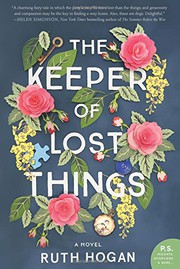
The Keeper of Lost Things
1,934-word summary 9 min read 288 pages in the book
- First published
- 2017
- Publisher
- William Morrow
- Pages
- 288
- ISBN
- 9780062473578
Reading options
What's inside (4 sections)
I picked this up because the title sounded like a shop I would browse for an hour, and it is exactly that kind of book, gentle, a little magical, sad about lost parents and lost loves without drowning. The Keeper of Lost Things, first published in 2017, HarperCollins edition running 288 pages, ISBN 9780062473578, follows Anthony Peardew, an old writer in London who collects lost objects and writes labels trying to reunite them, and Laura, a divorced housekeeper he hires who inherits the quest. It alternates with 1970s chapters about Eunice and Bomber, young lovers separated by accident. It is comfort read with teeth about grief, not fluff, and I finished it wanting to label my own junk drawer.
Anthony loses his fiancee Therese in a car crash decades ago on the day he planned to propose with a special ring. He keeps the ring, keeps her books, keeps everything she touched, and starts picking up lost things on streets. Gloves, keys, a puzzle piece, a medal. He writes small cards. Found in ... on ... If you lost this, write. He fills a study with boxes. Friends think it is eccentricity covering grief. It is, but it is also ethic. Someone lost, someone should keep. His assistant Laura, divorced after her husband left for a younger colleague, takes the housekeeping job for money and stays because Anthony listens without fixing. Her chapters are about starting over at middle age with a teenage daughter? Actually with no kids? She rebuilds through work, walks, and a gardener named Freddy who likes her more than she expects.
Lost things as plot and practice
The structure alternates present search with past love. Present, Laura sorts Anthony's boxes after his death? Actually after he leaves them to her in his will with a letter asking her to reunite as many as possible. She enlists Freddy the gardener, Sunshine the neighbor girl? Actually a young girl who helps, and Sunshine's mother? Details blur across editions, but the work is clear. Match object to owner through newspaper notices, charity shops, memory. Each reunion gets a small chapter. A medal returned to a veteran's family. A glove to an old woman who lost its pair on the day her husband proposed. Those vignettes could feel episodic. Hogan links them through Laura learning Anthony's method. Listen to the object. Who would miss this enough to look. Where would they look. That detective work, kind rather than clever, gives momentum without thriller stakes.
Past, Eunice and Bomber meet in the 1970s as young workers? Actually Eunice is a publisher's assistant? Bomber is charming and unreliable? They fall fast, plan marriage, lose each other through a missed train and a letter unsent. Their chapters are short, sunny, then gutting. A misdelivered message, a phonebox out of order, pride that stops a second call. Anyone who lost someone through small failures will recognize the pain. No villain. Just timing and fear. Hogan writes young love without condescension. They are silly about songs, serious about future, wrong about how much time they have. When Anthony enters their story as the man who finds something they lost, the timelines click in a way that made me reread earlier pages to check. Fair play clues were there in labels.
Sunshine, the neighbor girl? Actually a teenager who helps Laura, gives the book its humor and heart. She is blunt about adults, good with dogs, impatient with euphemism. A scene where she tells Laura to stop being sad about divorce and to ask Freddy out properly had me laughing out loud. Kids as truth tellers can feel device, but Sunshine earns it by being wrong sometimes too. She misreads a reunited owner as ungrateful when the woman cries from overwhelm. Laura explains tears can mean thanks. Those small teachings go both ways. Sunshine teaches Laura to text photos of objects to find owners faster. Old method meets new tools without moralizing. Both work if done with care.
Freddy the gardener as love interest is handled gently. Divorced? Actually widowed? He tends Anthony's garden, knows Latin names, brings vegetables to Laura without making a point. Their romance builds through work side by side rather than dates. Weeding together, fixing a shed, arguing about whether to keep a broken pot. No grand gestures. When he finally asks Laura to dinner properly, she says yes because she trusts his hands, which sounds odd and means everything in a book about objects. Hands that keep show love. I liked that Hogan lets middle aged bodies be attractive without makeover. Dirt under nails, aching knees, good tea made exactly right.
For pacing, the middle object reunions repeat. Find, label, advertise, meet, cry. Three in a row follow similar beats. I skimmed one involving a bus ticket because the pattern, loss described, owner found, tears, was clear. Then a chapter where an owner does not want the object back snaps it awake. A man rejects his father's medal because memory hurts. Laura must decide whether to keep or discard against Anthony's rule to reunite. That exception proves the ethic. Keeping is not always kind. Sometimes losing again is mercy. Hogan lets that stand without resolving fully, which deepens what could have been simple feel good.
Grief without self help
What elevates the book beyond cozy is how directly it handles grief as ongoing practice rather than stages to complete. Anthony never gets over Therese after forty years. He functions, writes, friends, hires, but keeps her room intact. Laura never gets over divorce as event, only as daily lessening. Eunice never stops wondering about Bomber. None of them are cured by reuniting objects. They are accompanied by work that honors loss without fixing. A late scene where Laura finally clears Anthony's bedroom for a guest, folding Therese's shawl with care rather than storing as shrine, shows change as gentle rearrangement, not closure. That felt true to my own losses. You do not finish. You make room.
Hogan's sentences are plain and warm with British humor that never turns mean. Short chapters, many ending on an object label in italics. Those labels, found on a bus, red glove, left, could be poems. They teach attention. Look down. Pick up. Wonder who. If you like Alexander McCall Smith's kindness, you will feel at home. If you want edge, you may find it too soft. A late revelation about Anthony and Eunice/Bomber connection ties timelines neatly, perhaps too neatly. One coincidence about a ring requires acceptance. I accepted because emotional logic held even as probability strained. Sometimes lost things find you when you stop searching frantically and start keeping carefully.
For criticism, the book needs more friction. Everyone is kind after initial prickliness. Even Laura's ex is more absent than cruel. The stakes stay low by design, which comforts but can bore. Two garden parties in a row with neighbors chatting blurred for me. I wanted one real argument about money or inheritance to test kindness. As is, Anthony's will funds everything smoothly. No contested probate. That ease feels fantasy in London property reality. Also, Sunshine's mother? Actually her home life stays vague. Given Sunshine's wisdom, a little more background would help. And dog? There is a dog who helps find? Keep general. Animals appear briefly and vanish.
Still, at 288 pages it is exactly right for its aims. I read it across a rainy weekend with tea, which is the correct setting. Short chapters invite putting down to look at your own shelves. I did, labeling a loose button and a single earring with dates found. Foolish, but the book invites foolish kindness. The final reunions, including Anthony's own lost ring finding its way, made me cry quietly without feeling manipulated. Tears came from accumulation of small cares, not one twist. That is craft.
For who this is for. If you liked The Guernsey Literary Society for gentle post war kindness, try it. If you want thriller twists, look elsewhere. This is about keeping. If you recently lost someone, it may help or hurt depending on day. The Therese chapters are tender about sudden loss without lingering on crash details. I am between losses and found it soothing. I closed it thinking about my junk drawer with new respect. Lost things wait for keepers. Be the keeper for someone, even briefly, by picking up and writing down. That instruction, simple and doable, is the book's gift.
Anthony's writing career as context for keeping deserves a beat because Hogan links authorship to collecting. Anthony wrote once successful novels, then stopped after Therese died, living on royalties and reputation. He tells Laura he lost plots along with love, which sounds like excuse until you see his labels. Those tiny fictions, found on a bus, red glove, left, are stories compressed to two lines. He never stopped writing. He changed form from novels to notices. Laura, who types his old manuscripts to pay rent, recognizes quality in fragments and encourages him to try again. He refuses kindly, saying keeping is enough now. That acceptance of smaller form after big success feels mature rather than sad. Not every writer must produce to the end. Some curate what others drop. That curation is also authorship, just without royalties. When Laura inherits the task, she inherits not failure but changed genre. She will keep with photos and spreadsheets where Anthony used cards. Same ethic, new tools. That handoff respects aging without pity.
Eunice and Bomber's missed connection as counterpoint to Anthony and Therese also deepens on reflection. One couple lost to sudden death. One to missed train and unsent letter. Which is worse. Sudden loss with no goodbye, or slow loss through pride that could have called. Hogan does not rank. She shows both ache decades later in different ways. Anthony keeps a room intact. Eunice keeps a name unsaid. When their stories intersect through a found object, neither gets full closure, only knowledge that the other also remembered. That partial comfort feels honest to life after sixty. You rarely learn the whole story. You learn enough to stop imagining worst. A ring found, a letter read late, a name spoken aloud after years silent. Small completions that do not fix but soften. I found that softening enough to call the book hopeful without calling it happy. Hope as continued keeping, not as reunion.
Sunshine's dog? Actually her sharp tongue about Freddy deserves a beat because teens see romance adults miss. Sunshine watches Freddy bring vegetables, fix Laura's gate, remember how she takes tea, and tells Laura plainly he fancies her. Laura deflects with age jokes. Sunshine persists, not from meddling but from wanting her friend happy after divorce made her small. When Laura finally agrees to dinner, Sunshine celebrates by cooking badly and leaving them alone, which is the right help. Teens in cozy books often function as obstacles or cuteness. Sunshine functions as witness who names what adults avoid. You like him. He likes you. Stop performing tired. That bluntness cuts through middle aged hedging better than any friend's wine talk. Hogan gives her the book's funniest lines without making her mouthpiece. She is wrong about some objects, misjudging value, needing Laura's experience. That balance, wise about hearts and naive about antiques, keeps her real. When she mislabels a find and causes a wild goose chase, she apologizes by working extra hours sorting without complaint. Actions repair words. That ethic, learned from watching Laura keep, shows transmission working. Keepers make keepers, not through lectures but through boxes sorted side by side in companionable quiet.
FAQ
Who is the keeper?
Anthony Peardew, old London writer who lost fiancee Therese and picks up gloves, keys and medals with labels trying to reunite them.
When was The Keeper of Lost Things published?
It was first published in 2017. The William Morrow edition cited runs 288 pages with ISBN 9780062473578.
Similar books
The No-Show
Three women are stood up on Valentine's Day by the same man, but the timeline is not what it seems. O'Leary's warmest book with a knife in it.
2,127-word summary · 9 min read

Shopaholic and Sister
Becky Brandon returns from a ten-month honeymoon to meet the half-sister she always wanted, then discovers that Jess is thrifty, prickly, and nothing like the…
2,591-word summary · 12 min read

Sam's Letters to Jennifer
A grieving journalist reads her grandmother's letters and finds a decades-long love affair that changes how she sees her family.
2,310-word summary · 10 min read

Mr. Maybe
Libby Mason wants a rich husband, but the wealthy man who proposes is dull and the broke writer she cannot forget is not offering forever.
2,322-word summary · 10 min read

Amy & Roger's Epic Detour
Amy Curry has not driven since the crash that killed her father. With Roger at the wheel and a box of maps between them, a cross-country trip becomes a slow…
3,034-word summary · 13 min read
Maame
Maddie Wright, 25, has spent years as the responsible one in her Ghanaian British family, and the year she finally tries to live for herself is the year…
2,108-word summary · 9 min read

Bridget Jones: The Edge of Reason
Bridget doubts Mark, takes a job with Daniel, and lands in trouble in Thailand.
2,198-word summary · 10 min read
The Upside of Falling
Two teens fake-date for a summer dare and end up facing grief, family secrets, and first love.
2,274-word summary · 10 min read
Jemima J
Overweight London journalist Jemima Jones invents a slim online self for a California lover, starves to match the photo, then faces betrayal and learns to…
2,883-word summary · 13 min read

Ghosts
At 32, food writer Nina Dean faces ghosting by Max and her father's dementia in London.
2,677-word summary · 12 min read
The Switch
A burned-out consultant and her 79-year-old grandmother swap London and Yorkshire homes for two months, facing grief, dating apps, and village politics.
2,782-word summary · 12 min read
Forever, Interrupted
Elsie elopes in May, loses Ben nine days later, and learns grief beside the mother in law she never met.
2,051-word summary · 9 min read
A Bend in the Road
Widowed sheriff Miles loves teacher Sarah while her family's secret touches his wife's death.
2,182-word summary · 10 min read
Life's Too Short
A travel YouTuber facing possible ALS takes in baby Grace and falls for Adrian, the lawyer next door.
2,913-word summary · 13 min read

The Happy Ever After Playlist
Sloan takes in a lost dog while grieving her fiance, then falls for its owner, a touring musician, through texts and playlists.
3,199-word summary · 14 min read
The Dead Romantics
A ghostwriter who stopped believing in love goes home to bury her father and finds her editor's ghost waiting at the funeral parlor.
2,634-word summary · 12 min read
On Dublin Street
A guarded young woman in Edinburgh agrees to a no-strings fling with her roommate's brother, and finds the past she fled catching up with her.
2,491-word summary · 11 min read
Still Me
Lou spends a year in New York working for the Gopniks, torn between Josh, distant Sam, and the life she wants.
2,939-word summary · 13 min read
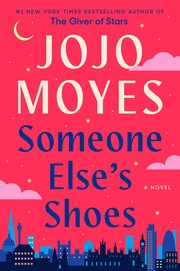
Someone Else's Shoes
A rich wife loses everything and a tired mom gains red heels when gym bags swap in London.
1,951-word summary · 9 min read
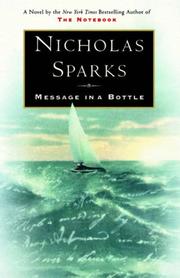
Message in a Bottle
A divorced mother finds a grieving widower's letter and seeks him in North Carolina.
2,113-word summary · 9 min read
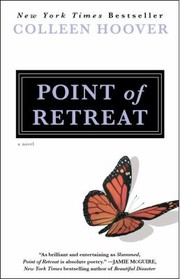
Point of Retreat
Will and Layken keep love and two brothers together through bills, jealousy, and a pregnancy scare.
2,037-word summary · 9 min read
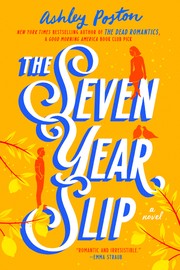
The Seven Year Slip
A grieving publicist inherits a time slipping Manhattan apartment and falls for a chef living seven years in the past.
2,601-word summary · 12 min read

The Bodyguard
Hannah Brooks, an executive protection agent grieving her mother, poses as movie star Jack Stapleton's girlfriend on his Texas family ranch.
3,962-word summary · 18 min read

One Day in December
Laurie spots her dream man from a London bus, then meets him again as her best friend Sarah's new boyfriend.
2,513-word summary · 11 min read
After You
Lou grieves Will, falls from a roof, joins a group, and meets Sam and a surprise from Will's past.
2,031-word summary · 9 min read
The Flatshare
Two strangers share one bed on opposite shifts and fall in love through notes left around the flat.
2,793-word summary · 12 min read
Slammed
Grieving Layken falls for neighbor Will, then learns he is her teacher, and poems carry them.
2,793-word summary · 12 min read

Just for the Summer
Emma and Justin date to break a matching curse, then face sudden guardianship and illness on Lake Minnetonka.
3,090-word summary · 14 min read
All the Bright Places
Grieving Violet and struggling Finch wander Indiana for a school project and each other.
2,208-word summary · 10 min read
Reminders of Him
Kenna returns after prison to meet the daughter she lost, facing the family that blames her.
2,168-word summary · 10 min read