
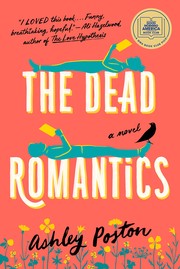
The Dead Romantics
2,634-word summary 12 min read 368 pages in the book
- First published
- 2022
- Publisher
- Berkley
- Pages
- 368
- ISBN
- 9780593336489
Reading options
What's inside (8 sections)
I picked up The Dead Romantics because a friend described it as the rare romance that takes grief seriously, and that sounded like a contradiction worth testing. A love story set mostly in a family funeral home, with a heroine who talks to the dead, could easily go wrong in a dozen ways. It could be morbid. It could be glib about loss. It could use the ghost as a gimmick and then wave the sadness away with a kiss. What surprised me is how much of this book is actually about the unglamorous work of mourning, and how the romance grows directly out of that instead of around it.
The setup is clever enough that I want to lay it out carefully, because the whole book runs on it. Florence Day writes bestselling romance novels for a living, except her name never appears on them. She is the ghostwriter for Ann Nichols, a famous and prolific romance author, and almost nobody knows the truth. Florence has a contract for one last book and a deadline measured in hours, not weeks. Her problem is simple and career ending. After a brutal breakup with her boyfriend Lee, she no longer believes in love, and she cannot write a convincing happy ending for two people she does not believe could exist.
Her new editor is not helping. Benji Andor is young, tall, broad shouldered, handsome in a way Florence finds personally annoying, and completely unwilling to give her an extension. The publisher is talking about lawyers. Florence has about a day to produce pages she does not have in her. And then the phone rings, and everything about the deadline stops mattering, because her beloved father has died and she has to go home for the first time in ten years to help bury him.
A ghostwriter with a deadline and no faith left
The opening chapters do a lot of efficient work, and I admired the pacing here. Poston gives us Florence at her desk in New York, staring at a manuscript that will not move, and lets the jokes carry the dread underneath. Florence is funny in the way people are funny when they are barely holding together. She narrates her own failure with sarcasm, deflects every sincere question, and treats her writer's block as a scheduling problem instead of what it is, which is heartbreak she has not processed.
The backstory comes out in layers. Florence ghostwrites for Ann Nichols and has done so for years. Only a handful of people know, and keeping that secret has cost her. Her ex, Lee, learned her most private truths during their relationship, including the strangest one, and when things fell apart he did not keep them safe. That betrayal is the wound under the writer's block. Her doubt about love is specific and personal. She trusted someone with everything, including the thing about herself she hides from the world, and he used it against her. Of course she cannot write a grand romantic declaration. Every time she tries, she hears the echo of the last time she meant one.
Then there is Benji. Their early exchanges are all professional friction. He is the new editor on the account, he does not know she is the actual author, and he refuses to move the deadline because from his side of the desk there is no reason to. I liked that Poston does not make him a villain about it. He is doing his job, and Florence knows it, which only makes her more frustrated. Their banter has genuine spark, and it matters that we see it before everything changes, because the book needs us to understand what Florence is losing when she assumes she will never speak to him again.
The phone call about her father lands like it should, which is to say it flattens everything else. Florence has stayed away from her hometown for a decade. She left as soon as she could and built a life in New York that required nobody from home to visit. Now she has to go back to the place she ran from, walk into the funeral parlor her family operates, and plan the burial of the parent who loved her most. The deadline goes with her, unfinished, ticking.
Going home to the funeral parlor
The homecoming chapters are the strongest part of the book for me, and I say that as someone who came for the ghost romance. Florence's family runs a funeral home in a small Southern town, and Poston writes them as eccentric, warm, grieving people who cope with death for a living and still have no idea what to do with their own. Her mother is holding things together by force of will. Her siblings have their own ways of not talking about it. The whole household is performing normal while standing in rooms full of flowers and casseroles.
Florence does not fit back into this house, and the book is honest about why. She can see ghosts. She has been able to since she was a child, and when the town found out, the reaction was not wonder. It was fear and gossip and cruelty, the full small town treatment. She was run out in every way that matters, and she has spent ten years telling herself she never needed any of them anyway. Coming back means facing the people who decided she was strange, and worse, it means admitting how much she missed the ones who loved her regardless.
I found the funeral home setting unexpectedly moving rather than creepy. Poston clearly thought about what it means to grow up around other people's grief. Florence learned early that death is ordinary and devastating at the same time, that bodies are just bodies and also somehow still the person, that the living need rituals even when they claim they do not. Her father understood all of this better than anyone, and his absence is felt in every scene set in that building. The rooms remember him even when Florence is trying not to.
There is a thread here about her father knowing more than she realized, including the truth about whose books she really writes. He read them all. I will not spell out how that reveal lands, but it reframes their whole relationship in retrospect, and it is the kind of detail that made me trust Poston. She plants things early and pays them off quietly, without speeches.
The ghost at the front door
And then the premise fully ignites. Expecting a visitor at the funeral parlor, Florence opens the door and finds a ghost. He is tall, broad, confused about why he is there, and unmistakably Benji Andor, the editor who refused her extension and who is now, apparently, dead.
This is the moment the book has been winding up for, and it works because Florence reacts the way a real person might. She is horrified, then suspicious, then weirdly practical. Benji does not know how he died. He does not know why he is anchored to her instead of anywhere else. All he knows is that he has unfinished business, and that Florence, the one living person who can see and hear him, is his only way to figure out what it is.
The ghost rules in this book are loose, and I will be honest that this is one of its weaker spots. Ghosts linger when something is unresolved. They cannot stray far from whatever tethers them. They fade if the business stays unfinished. None of this is rigorously systematized, and readers who want hard magic rules will notice the gaps. But the looseness serves the story Poston wants to tell, because the unfinished business is never really a puzzle to solve. It is emotional. Benji believes in love completely and believes he does not deserve it, which is almost the mirror image of Florence, who wants to believe and cannot. They are stuck with each other, and the stuckness becomes the point.
What follows is a long middle stretch where the two of them circle each other in the funeral parlor and around town. Benji reads her pages. He is a good editor, it turns out, and an even better reader of her. He pushes her on the manuscript the way he did over email, except now the notes come with conversation, and the conversation keeps turning personal. Florence shows him her hometown through her eyes, all the places that hurt and the few that still feel like hers. They argue about romance novels, about whether happy endings are lies readers pay for, about what her heroine should do. Every argument about the book is really an argument about themselves, and Poston handles that doubling with a light touch.
Falling for someone who is already gone
The romance develops fast, and your tolerance for that will shape your experience of the book. Florence and Benji have intense chemistry from their first real conversation, and the deadline pressure plus the grief plus the supernatural strangeness compresses everything. Some readers will call it insta-love and they will not be entirely wrong. For me it mostly worked, because the book frames the speed as part of the fantasy. When someone truly sees you, after years of hiding, it can feel instantaneous. Florence has never been fully known by anyone except her father. Benji learns her secrets in days, including the ghostwriting and the ghost seeing, and stays. That kind of acceptance is intoxicating, and the book lets it be intoxicating without pretending the obstacles are small.
Because the obstacles are enormous. He is dead. Or seems to be. Every tender scene carries the knowledge that this cannot last in its current form, and Poston does not let Florence or the reader forget it. The middle of the book alternates between genuinely funny banter and scenes of Florence crying in her childhood bedroom, and the whiplash feels intentional. Grief does that. You laugh at dinner and fall apart in the shower. The book's structure mimics the emotional rhythm of a house in mourning, where ordinary life keeps barging in on sorrow.
The manuscript storyline pays off beautifully here. Florence's heroine needs an ending, and Florence keeps failing to supply one because she cannot imagine a love that survives real damage. As her feelings for Benji deepen, the pages start to change. She writes what she is learning instead of what she wishes were true, and the book gets better. I liked this a great deal. It treats writing as thinking, not magic. Florence does not get inspired. She gets honest, and honesty turns out to be the skill she was missing.
There is also a reckoning with Lee and with the hometown that rejected her. Florence has to decide what she owes people who hurt her and what she owes herself. The book's answers are mature without being preachy. Some relationships get repaired. Some get released. Her family's funeral home, which she fled, starts to look like something she might choose rather than escape. None of this happens in a single speech. It accumulates, the way real reconciliations do.
The truth about Benji and the ending it forces
I want to be careful with the final act, because the twist recontextualizes a lot and readers deserve to meet it fresh. What I can say is that the truth about Benji's condition is not what Florence assumed, and several reviewers have noted that the ghost mechanics get wobbly here. A spirit that can walk and talk and fall in love turns out to be attached to a body that never actually died. If you poke at the logic, it wobbles. Why can Florence see him when others cannot. Why is he tethered to her specifically. The book offers answers, and they are emotionally satisfying, but they are not airtight.
What matters more is what the reveal demands of Florence. She has spent the whole book learning to love something she cannot keep, and the ending asks her to risk wanting a future instead of just surviving the present. The final chapters bring the manuscript, the family, and the romance together in a way I found genuinely moving even though I saw the shape of it coming. The happy ending, when it arrives, feels earned because Florence has done the work. She grieved her father. She faced her hometown. She wrote the truth. The love story is the reward for all of that, not a substitute for it.
I cried at the dance party scene that readers keep mentioning, and I am not embarrassed about it. Poston stages joy the way she stages grief, with attention to small physical details, and the contrast is what gets you. Laughter during a funeral. Tears during a celebration. The book insists these are not opposites.
Where it drags and who should read it
Fair criticism first. The middle sags a little. There is a stretch where Florence revises pages, argues with Benji, dodges her family, and repeats the emotional beat of wanting him while knowing it is impossible, and the cycle goes around once more than it needs to. The banter is charming but occasionally too polished, the kind of banter where everyone always has the perfect comeback, and after a while I wanted someone to be boring or inarticulate the way real grieving people are. The ghost logic, as noted, does not fully hold together, and readers who care about that will feel the seams in the last third.
The pop culture references and publishing insider jokes will also date the book. There is a lot of material about deadlines, editors, and romance tropes that delights right now and may feel specific in a decade. And the speed of the romance will bother some readers no matter how well justified. If you need a slow burn with months of pining, this is not that book. This is weeks of intensity under extreme circumstances, and it asks you to go with it.
But here is who should absolutely read it. Anyone grieving a parent will find scenes that feel startlingly accurate about the weird logistics of death, the casseroles and the paperwork and the sudden laughter. Anyone who loves romance but sometimes finds the genre too frictionless will appreciate a love story that takes place in a funeral home and never flinches. And anyone who writes, or edits, or works anywhere near books will enjoy the shop talk, which is affectionate rather than bitter. Poston used to work in publishing, and it shows in the details that ring true.
The book was a Good Morning America book club pick and a New York Times notable book of 2022, and those honors make sense to me. This is accessible literary leaning romance, the kind of book that works for readers who do not normally read romance and for romance readers who want something with more ache. It is funny, sad, warm, and a little ramshackle in its plotting, and the ramshackle parts are easy to forgive because the emotional core is so solid.
What stayed with me, days later, is not the twist or even the romance. It is Florence's father, and the idea that the people who love us keep editing our drafts after they are gone. We finish the work they started in us. We write the ending they believed we could. That is a lovely thought to take from a book about a ghostwriter, and it is why I keep recommending this one to friends who are going through hard things. It does not promise that love prevents loss. It promises that love survives it, changed but intact, and that is a happier ending I can actually believe.
FAQ
Is The Dead Romantics part of a series?
No. It is a standalone adult romance, and nothing in the story requires other books. Poston later wrote The Seven Year Slip and A Novel Love Story in a similar warm, tender spirit.
What is Florence's job in the book?
She is the secret ghostwriter for bestselling romance author Ann Nichols, with one contracted book left and a deadline she cannot meet after her breakup destroyed her faith in happy endings.
Is the book sad or funny?
Both. The funeral home chapters deal directly with grief while the banter keeps things warm, so expect tears alongside the jokes. Readers who dislike sad scenes in romances should know the loss is real.
Similar books

Sam's Letters to Jennifer
A grieving journalist reads her grandmother's letters and finds a decades-long love affair that changes how she sees her family.
2,310-word summary · 10 min read
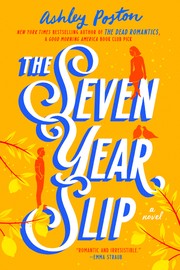
The Seven Year Slip
A grieving publicist inherits a time slipping Manhattan apartment and falls for a chef living seven years in the past.
2,601-word summary · 12 min read

Amy & Roger's Epic Detour
Amy Curry has not driven since the crash that killed her father. With Roger at the wheel and a box of maps between them, a cross-country trip becomes a slow…
3,034-word summary · 13 min read
Wedding Night
Lottie marries an old flame days after a breakup, then flies to a Greek island while her sister quietly works to sabotage the honeymoon. A farce about memory,…
2,213-word summary · 10 min read

The No-Show
Three women are stood up on Valentine's Day by the same man, but the timeline is not what it seems. O'Leary's warmest book with a knife in it.
2,127-word summary · 9 min read

Every Breath
Two strangers share one week at Sunset Beach in 1990, part for duty, and reunite decades later at the mailbox that started it all.
2,357-word summary · 10 min read
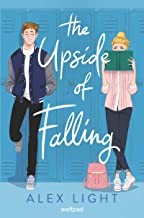
The Upside of Falling
Two teens fake-date for a summer dare and end up facing grief, family secrets, and first love.
2,274-word summary · 10 min read

Never Too Far
Blaire flees Rosemary Beach after Rush's lies, then must decide if his pursuit and Nan's exposed schemes earn trust again.
2,626-word summary · 12 min read

Something Wilder
Lily Wilder runs staged treasure hunts in Utah until her first love Leo returns and the old legend turns dangerous.
2,556-word summary · 11 min read
The Switch
A burned-out consultant and her 79-year-old grandmother swap London and Yorkshire homes for two months, facing grief, dating apps, and village politics.
2,782-word summary · 12 min read
The Keeper of Lost Things
An old writer collects lost objects and leaves the quest to his housekeeper.
1,934-word summary · 9 min read
Forever, Interrupted
Elsie elopes in May, loses Ben nine days later, and learns grief beside the mother in law she never met.
2,051-word summary · 9 min read
A Bend in the Road
Widowed sheriff Miles loves teacher Sarah while her family's secret touches his wife's death.
2,182-word summary · 10 min read
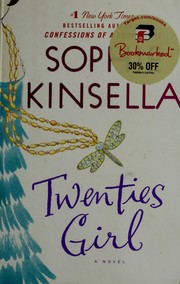
Twenties Girl
Dumped and flailing, Lara Lington is haunted by her great-aunt Sadie, a 1920s ghost who wants her lost necklace back.
2,938-word summary · 13 min read

Nights in Rodanthe
Divorced Adrienne and guilt worn surgeon Paul share one stormy weekend at a Rodanthe inn, fall hard, then hold close by letter until loss in South America ends…
3,338-word summary · 15 min read

Life's Too Short
A travel YouTuber facing possible ALS takes in baby Grace and falls for Adrian, the lawyer next door.
2,913-word summary · 13 min read

The Happy Ever After Playlist
Sloan takes in a lost dog while grieving her fiance, then falls for its owner, a touring musician, through texts and playlists.
3,199-word summary · 14 min read

On Dublin Street
A guarded young woman in Edinburgh agrees to a no-strings fling with her roommate's brother, and finds the past she fled catching up with her.
2,491-word summary · 11 min read
Still Me
Lou spends a year in New York working for the Gopniks, torn between Josh, distant Sam, and the life she wants.
2,939-word summary · 13 min read
Message in a Bottle
A divorced mother finds a grieving widower's letter and seeks him in North Carolina.
2,113-word summary · 9 min read
Point of Retreat
Will and Layken keep love and two brothers together through bills, jealousy, and a pregnancy scare.
2,037-word summary · 9 min read

The Bodyguard
Hannah Brooks, an executive protection agent grieving her mother, poses as movie star Jack Stapleton's girlfriend on his Texas family ranch.
3,962-word summary · 18 min read

Slammed
Grieving Layken falls for neighbor Will, then learns he is her teacher, and poems carry them.
2,793-word summary · 12 min read

Just for the Summer
Emma and Justin date to break a matching curse, then face sudden guardianship and illness on Lake Minnetonka.
3,090-word summary · 14 min read

One True Loves
Emma Blair loses husband Jesse presumed dead, rebuilds life in Acton with fiance Sam, then Jesse returns alive after years missing, forcing a painful choice…
2,418-word summary · 11 min read

All the Bright Places
Grieving Violet and struggling Finch wander Indiana for a school project and each other.
2,208-word summary · 10 min read
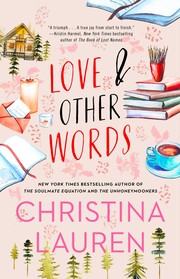
Love and Other Words
Childhood friends Macy and Elliot reunite after eleven years apart and face the night that broke them.
2,069-word summary · 9 min read

Happy Place
A split couple fakes being together for one last week with friends at a Maine cottage. Emily Henry mixes witty banter, grief, and second chances in this 2023…
2,497-word summary · 11 min read
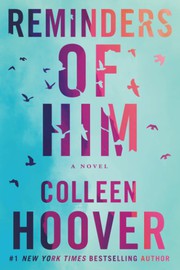
Reminders of Him
Kenna returns after prison to meet the daughter she lost, facing the family that blames her.
2,168-word summary · 10 min read
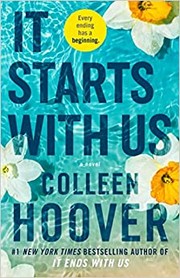
It Starts with Us
It Starts with Us retold: Lily and Atlas after Ryle, co-parenting, second chances in Boston.
2,216-word summary · 10 min read