

Reading options
What's inside (9 sections)
I found this book because a friend pressed it into my hands at a barbecue and said, you will cry, sorry. I laughed at the time. I had just finished a run of fast thrillers with clever twists and I wanted something with more weight. We Begin at the End came out in 2020 from Henry Holt and Company, and the Holt paperback I am citing runs 400 pages. I started it on a Sunday night and I did not sleep much. By page fifty I had stopped thinking of it as a crime novel. It felt more like sitting with people I knew in a small town that keeps getting hit.
What pulled me in was Duchess. She is thirteen when we meet her, all elbows and glare, calling herself an outlaw like it is a job title. I have read a lot of tough kid narrators who sound like adults in small bodies. Duchess does not feel like that. She feels like a real kid who learned to talk big because nobody else was talking big for her. I kept thinking about my own niece at that age, how she would act brave and then ask to leave the porch light on. Duchess would never ask. She would just sit in the dark and dare it to bother her.
If you pick this up, know what you are getting. This is a mystery with a crime at its center, but it moves like a family story. There is grief in almost every chapter. There is also a lot of love that never gets said cleanly. I liked that mix, even when it tired me out.
Duchess Day Radley Calls Herself an Outlaw
Duchess Day Radley is thirteen, thin and fierce, with a younger brother named Robin who trails after her. Their mother is Star, and Star is dead by the time the main story gathers force, leaving the kids exposed in Cape Haven, a small coastal town in California where everyone knows who messed up and when. Duchess has a line she repeats to herself and to Robin, that she is an outlaw. She says it when social workers come by. She says it when teachers try to soften her. She says it when she steals or lies or squares up to someone twice her size.
I believed her need for that label. Star loved her kids but she was not steady. She used men for shelter and money and comfort, she drank, she drifted, she left gaps that Duchess had to fill. Duchess learned to cook what she could, to lock doors, to tell Robin stories where she was the sheriff and the bandit at once. Robin is small, maybe six or seven in feel, soft-voiced and watchful, the kind of boy who draws and who listens for tone more than words. He loves Duchess without reservation. He also fears her temper, and that fear made my chest ache.
Early scenes set the pattern. Duchess walks Robin to school and warns other kids off with a look. She argues with adults who speak to her like a case file. She visits places she should not visit. One afternoon she sits outside with Robin and tells him the rules of being an outlaw, which mostly boil down to never snitch, never cry in front of strangers, and always protect your own. It sounds tough. On the page it reads scared. Whitaker lets you see the gap between what she says and what she does with her hands, picking at her sleeves, checking that Robin ate.
Cape Haven itself feels damp and tired. There is the sea, there are bars with regulars, there are houses that need paint. People work service jobs and fishing jobs and they drink too much. Nobody is rich. Everybody remembers the old killing that put Vincent King away. That memory sits over the town like fog. When Duchess rides her bike through those streets, you feel how small her world is and how much she has to carry in it.
Walk the Chief Who Tries to Hold Everyone
Walk is the chief of police in Cape Haven, and he has known Star and her kids for years. He is not a young hero. He is a man in late middle age, sick in a way he hides, loyal to a fault, trying to do right by people who stopped believing in right a long time ago. He was friends with Star since they were young. He watched her choices. He watched Duchess grow hard. He promised himself he would keep Robin safe.
I liked Walk right away because he is decent without being simple. He goes to calls, he fills forms, he talks to townies who lie to him out of habit. He checks on Duchess and Robin even when he has no legal reason to be there. He brings food. He sits on porches. He tries to get Duchess to trust a counselor or a teacher or anyone. She mostly spits back at him. He takes it. He has that tired patience of someone who has been yelled at by teenagers before and knows it is not really about him.
Walk also carries his own guilt. He was connected to the old case that sent Vincent King to prison. He was young then, and he made choices about loyalty and truth that still wake him at night. Now his body is failing. He gets headaches. He loses time. He hides doctor visits because he does not want pity and because he thinks if he stops working, the kids will fall through. There is a scene where he sits in his car outside the station, breathing slow, trying to get his vision to clear before he walks in. It is a small moment. It stayed with me longer than any chase.
His friendship with Star matters because it explains why he cannot step back. He loved Star in the tangled way you love someone you grew up with, part affection and part worry and part old history you cannot fix. After she dies, he feels he owes her. He also feels he failed her. So he transfers all of that to Duchess and Robin. He tells himself he can save them where he could not save her. That kind of thinking never ends well, and Walk half knows it.
Vincent King Comes Home After Thirty Years
Vincent King killed someone when he was young. He served thirty years in prison and now he is out, back in Cape Haven, trying to figure out how to live in a town that still sees the boy who did the crime. He is quiet. He is careful. He gets a job. He keeps his head down. Some people want him gone. Some want him punished again in hallway whispers and parking lot threats. A few, including Walk, want to believe people can change.
The book does a good job of not making King a monster or a saint. In flashbacks and in town talk, you learn he was once close to Walk and Star, part of that same young group that drank and dreamed and made bad calls. The killing that sent him away grew out of jealousy and drink and a gun that should never have been there. He did the time. He says little about it, which some take as shame and others take as coldness. I read it as a man who learned in prison that talking gets you nothing.
His return lights up Duchess. To her, King is not a man who paid his debt. He is the reason her family broke. She believes, in the absolute way thirteen year olds believe, that if he had not done what he did, Star would have had a different life and she and Robin would be safe. So she watches him. She follows. She provokes. She tells Robin to stay away from him like he is a stray dog with a bite history. Robin, who is gentler and more curious, does not quite see King the same way, which scares Duchess more.
There is a scene at a small store where King and Duchess end up in the same aisle. Nothing happens. He nods. She stares. The air goes tight. People around them pretend to shop while listening hard. That kind of scene repeats in different forms, at the school gate, near the water, outside a bar. The town holds its breath around King. Walk tries to keep space between King and the kids, but Cape Haven is too small for real distance.
Star Is Gone and the Kids Are Left to Drift
Star dies early in the present story, and her death drops Duchess and Robin into the system. I will not spoil the exact cause here beyond saying it follows the shape of her life, sudden and sad and tied to the men and habits around her. What matters is the hole she leaves. Duchess grieves by getting harder. Robin grieves by getting quieter. Both reactions feel true.
After Star, the question is who takes the kids. Relatives are thin on the ground. Neighbors offer help that comes with judgment. The state steps in with placements and visits and rules that make sense on paper and feel cold in a living room. Duchess hates every minute of it. She sees kindness as a trick. When a foster mother folds Robin's shirts and puts them in a drawer, Duchess refolds them wrong on purpose, just to show she is still in charge. When a caseworker asks about school, Duchess gives one word answers. She is not trying to be bad. She is trying not to disappear.
Robin responds differently. He tries to please. He smiles at new adults. He asks if he did something wrong when plans change. He sleeps with a light on and asks Duchess to tell the outlaw story again, the one where they ride out and nobody can catch them. Duchess tells it, even when she is tired, even when she is angry, because she knows it is the only blanket he trusts. Those bedtime scenes are some of the softest in the book. Whitaker writes them plain, without pushing for tears, which is why they work.
Money is tight. Food is tight. Patience is tight. Duchess steals when she thinks she has to. She lies to protect Robin from news she thinks he cannot hold. She skips school to handle things she thinks adults will botch. Every choice makes sense to her and makes her situation worse. I found myself wanting to shake her and hug her at the same time. Walk feels the same. He bends rules to keep them together, to keep them near home, to buy time. He knows the system can split siblings or move them far. He is buying days and hoping something holds.
The Threat Tightens Around Robin
As King settles back into town, fear gathers around Robin. Duchess is sure King will hurt her brother, either out of old spite or because her family is marked. She starts to shadow Robin everywhere. She walks him to and from school. She waits outside friends houses. She tells him not to talk to strangers, not to take shortcuts, not to trust smiles. Robin nods, but he is a kid. He forgets. He wanders. He trusts.
The middle of the book lives in that tension. Walk gets calls about Duchess fighting, about Duchess threatening older boys, about Duchess seen near King's workplace. He drives out, talks her down, drives her home. He warns King to stay clear of the kids even if he is doing nothing wrong, just to lower the heat. King agrees, but agreement does not stop rumors. A broken window gets blamed on King. A missing bike gets blamed on King. A bruise on a kid gets turned into a story before anyone asks what happened.
There are confrontations that build slow and then spike. Duchess corners people and demands answers about the past. She asks Walk what really happened thirty years ago. She asks townies why they stare at King. She asks anyone who will listen why nobody helped Star when help might have mattered. Adults deflect. They say she is too young to hear it. She hears that as proof they are lying. In a way she is right. The town has agreed not to talk about certain nights, and that silence has curdled.
Robin gets caught in the middle. He likes a kind word from an adult. He likes feeling normal for an hour. Duchess reads normal as danger. One of the hardest scenes for me was a simple one, Robin laughing at a park while Duchess stood at the fence, scanning faces like a guard. Joy felt risky to her. She could not let him have it without watching for a price. I thought about how heavy that must be for a child, to feel responsible for another child's safety every minute. Whitaker never lets you forget that weight.
Walk's health gets worse while all this spins. He misses signs he would have caught five years earlier. He forgets a file. He sleeps through a call. He covers it well, but Duchess notices. Kids always notice. She starts to test him less and worry about him more, which is a strange shift. The girl who needs a grown up starts trying to protect the one grown up who showed up. It is sweet and it is doomed, because Walk cannot be saved by a thirteen year old's will.
A Bittersweet Ending That Earns Its Tears
I will keep plot specifics light here, but the last stretch moves toward tragedy and a narrow kind of hope. Secrets about the old killing come out in a new shape. People who thought they knew what happened learn they only knew the version that let them sleep. King faces choices that test whether prison changed him or just paused him. Walk faces the cost of years of loyalty. Duchess faces the limit of what an outlaw act can fix.
What happens to Duchess broke me. Without giving away the turn, she makes a choice out of love for Robin that cannot be undone. It is the kind of choice a kid makes when no adult has given her a better option. The book does not dress it up as noble. It shows the mess, the blood, the paperwork, the quiet rooms after. Robin, who she wanted to shield from everything, has to live inside what she did. That is the bitter part, and Whitaker does not look away from it.
The hope is thinner but real. Robin gets a chance at a steadier life with people who see him clearly. Walk, even as his body gives out, gets to tell some truth before the end. King gets a moment of grace that does not erase anything but matters anyway. The town does not heal all at once. It just loosens a little. A neighbor brings food without a lecture. A teacher keeps a seat open. Small things. After so much pain, small things feel large.
I cried at the end, not because the book forced it but because I had spent three hundred pages wanting these kids to get a break and they only partly did. The closing image, with Robin holding onto a story Duchess gave him, stayed with me for days. It is sad. It is also kind. It says love can pass through even when people fail. I believed that.
What Wore Me Down Even as I Admired It
I admired this book a lot, but I did not love every part of reading it. The sorrow is heavy and it rarely lifts. Death, addiction, prison, foster care, illness, guilt. Page after page. I understand that is the point, that Cape Haven is a place where hard things pile up, but there were nights I had to put it down because I felt bruised. Readers who want some light with their dark should know the balance tips toward dark for long stretches.
The middle sags a little. After Star dies and King returns, the story circles the same fears for a while. Duchess threatens, Walk soothes, townies gossip, repeat. I trust that Whitaker wanted that loop to show how stuck everyone is, but I started skimming some porch conversations and station scenes. I wanted the past to open up sooner. When it finally does, the pace picks up fast, which made me wish the earlier part had shared a bit of that drive.
One smaller quirk bothered me. The narration sometimes slips into a country styled voice, with dropped letters and bent grammar in dialogue and in close thoughts. I like voice on the page, and much of it works, but at times it felt laid on thick, especially when Duchess is trying to sound older than she is. I stumbled over a few lines and had to reread. It never broke the story for me, but it pulled me out for a second here and there.
Still, the good outweighs those gripes. Duchess is one of the most vivid teenagers I have read in years. Walk is a good man written without easy praise. King is handled with care. The prose is plain and strong, with sea air and kitchen smells and tired hands. If you want a crime story that cares more about people than puzzles, this one will stay with you. Just bring tissues and give yourself room to feel bad for a while before the book lets you feel a little better.
FAQ
Who is Duchess Day Radley?
Thirteen-year-old Duchess calls herself an outlaw and protects her younger brother Robin after their mother Star dies in Cape Haven.
Who is Vincent King?
Vincent King served thirty years in prison for an old killing and returns to Cape Haven, where his presence frightens Duchess and tests Walk.
Is We Begin at the End part of a series?
No, it is a standalone novel first published in 2020 by Henry Holt and Company.
Similar books
Little Secrets
A mother missing a son finds her husband cheating and handles both herself.
2,008-word summary · 9 min read
The Survivors
Kieran Elliott returns to Evelyn Bay twelve years after a storm killed his brother, and a young woman's murder forces the town to face what it has concealed.
2,571-word summary · 11 min read

The Woods
Twenty years after two teenagers were murdered and two vanished at summer camp, prosecutor Paul Copeland identifies a fresh corpse as one of the missing.
2,490-word summary · 11 min read

Keep It in the Family
Mia and Finn renovate a long empty house and find seven children hidden in the attic.
2,270-word summary · 10 min read
Long Bright River
Philadelphia officer Mickey patrols Kensington amid the opioid crisis, hunts a killer of vulnerable women, and searches for her missing addict sister Kacey…
2,986-word summary · 13 min read
What Lies Between Us
Nina keeps mother Maggie locked upstairs for years, trading lies about sisters and deaths that unravel fast.
2,062-word summary · 9 min read
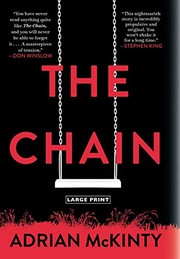
The Chain
Rachel must kidnap another child to save kidnapped Kylie, entering a chain where parents pass crime forward.
2,021-word summary · 9 min read
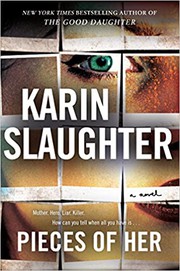
Pieces of Her
After her mother kills a mall shooter with shocking skill, Andy Oliver uncovers a hidden 1980s past of radicals and wealth.
2,791-word summary · 12 min read

The Life We Bury
A college junior interviews a dying convict for class and reopens a 30-year-old murder case in Minnesota.
2,708-word summary · 12 min read
The Family Remains
Lucy returns to London as bones on the Thames reopen the Chelsea mansion deaths.
2,304-word summary · 10 min read

Mystic River
Three Boston friends reunite when one daughter is murdered.
2,230-word summary · 10 min read
Watching You
A new wife in Bristol fixates on a charismatic neighbor while a teen boy logs every move before a murder.
2,363-word summary · 11 min read
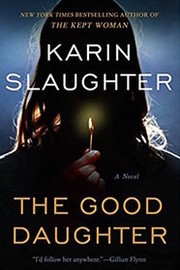
The Good Daughter
Twenty eight years after a home invasion shattered her family, a lawyer witnesses a school shooting that reopens old wounds.
2,505-word summary · 11 min read
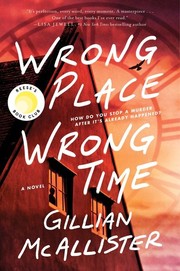
Wrong Place Wrong Time
Jen sees her son Todd kill a stranger, then wakes the day before, slipping back in time to stop the murder.
2,522-word summary · 11 min read

The Locked Door
Surgeon Nora Davis hides serial killer father while patients die.
2,465-word summary · 11 min read
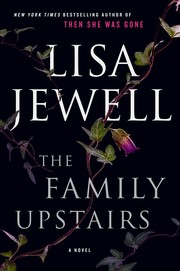
The Family Upstairs
Libby Jones inherits a Chelsea mansion and a past tied to a cult house, two runaways, and a baby left waiting.
3,300-word summary · 15 min read
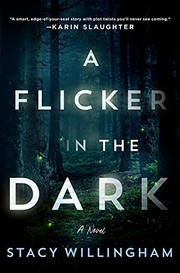
A Flicker in the Dark
Psychologist Chloe Davis faces copycat disappearances in Baton Rouge twenty years after her father confessed to murders.
3,074-word summary · 14 min read

Dark Places
Libby Day, sole survivor of family murders, is paid to rethink her testimony.
1,910-word summary · 8 min read

What She Knew
Rachel lets her eight-year-old son run ahead in a Bristol park, and the nine-day search turns her into a suspect in the public eye.
2,952-word summary · 13 min read

The Beach House
A young valet is beaten to death at a Hamptons party, and his law-student brother spends a year building a case against the family that covered it up.
2,049-word summary · 9 min read

Six Years
A professor who promised to forget the woman he loved sees her husband's obituary and discovers that the wedding, the marriage, and the woman herself may never…
2,076-word summary · 9 min read

The Trespasser
A Dublin Murder Squad detective investigates a staged dinner-party killing and finds a cover-up that reaches into her own department.
2,051-word summary · 9 min read

Rules of Prey
Minneapolis detective Lucas Davenport hunts a killer who leaves a new rule at every scene and treats murder as a game of wits.
1,914-word summary · 9 min read

The Late Show
Exiled to the LAPD night shift after accusing her supervisor, Renée Ballard keeps two cases that were meant to be handed off at dawn: a brutal assault and a…
2,563-word summary · 11 min read

4th of July
Lindsay Boxer shoots two armed teenagers in self-defense, faces a wrongful-death trial, and spends her leave chasing a string of throat-slashing murders in…
2,192-word summary · 10 min read

The Camel Club
Four Washington misfits witness a murder on Roosevelt Island and stumble into a conspiracy that reaches the Oval Office, with a hostage president and a nuclear…
2,354-word summary · 10 min read

61 Hours
A bus crash strands Jack Reacher in a snowbound South Dakota town where a drug gang, a corrupt police force, and a single witness are on a collision course.
2,227-word summary · 10 min read
The Last Mile
Melvin Mars is hours from execution for his parents' murder when another man confesses, and FBI cold case detective Amos Decker goes looking for the trap.
2,746-word summary · 12 min read

Still Missing
A realtor is abducted at a Vancouver Island open house and held for more than a year. Told through therapy sessions, the novel follows her escape and the hunt…
2,466-word summary · 11 min read

Bad Luck and Trouble
A deposit of $1,030 summons Jack Reacher back to his old army unit, which is being picked off one name at a time.
2,366-word summary · 11 min read