
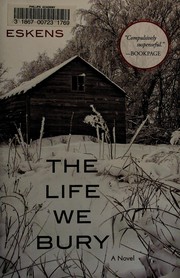
The Life We Bury
2,708-word summary 12 min read 300 pages in the book
- First published
- 2014
- Publisher
- Seventh Street Books
- Pages
- 300
- ISBN
- 9781616149987
- Series
- Joe Talbert (#1)
Reading options
What's inside (7 sections)
A friend handed me The Life We Bury after I complained that most debut thrillers feel thin, all plot and no people. She said this one was different because the crime matters less than the family around it. I started it on a weeknight and kept reading past midnight, not because of cliffhangers every three pages but because Joe Talbert felt like someone I might have known in college. First published in 2014 by Seventh Street Books, it runs 300 pages in the paperback edition cited here, ISBN 9781616149987, and it opens the Joe Talbert series as book 1. Spoilers follow, since this is a full retelling.
Joe is twenty one and a junior at the University of Minnesota. He grew up in Austin, in the southern part of the state, and money has always been tight. His mother drinks heavily and cycles through bad decisions and worse boyfriends. His younger brother Jeremy is autistic and needs steady care and clear routines. Joe carries guilt about leaving home for school while Jeremy stays in a house that is not steady. He works, studies, and tries to keep enough distance to build a life without cutting his brother loose.
For an English class, Joe needs to interview a stranger and write a short biography. Deadlines press. He walks into a nearby nursing home looking for a willing subject. That is where he meets Carl Iverson.
Carl is dying. He has terminal cancer and has been medically paroled to the nursing home after spending thirty years in prison for rape and murder. The victim was Crystal Hagen, a fourteen year old girl killed three decades earlier. Carl was a decorated Vietnam veteran before prison, a soldier cited for valor, and Joe cannot fit those two pictures together. The old man in the bed is blunt, tired, and often rude. He says he did not do it. Most people around him assume he is lying because guilty men often say that at the end.
Joe decides to write about Carl anyway. A short paper turns into late visits and long talks. Carl tells stories about Vietnam in fragments, not speeches. He talks about fear, about friends lost, about coming home to a place that did not know what to do with him. Joe listens and takes notes. He starts to like the man even while he feels sick about the crime on record. That tension drives the first third of the book.
The set up works because Eskens keeps both versions of Carl visible at once.
Carl Iverson and the Thirty Year Old Case
Crystal Hagen died when Joe was not yet born. The file says Carl raped and killed her. He went to prison and stayed there. Time did what time does. People in town stopped saying her name much. Carl learned to live inside concrete walls.
Joe pulls the old case apart the way a student would, not the way a detective would. He reads newspaper clips. He asks who was where that summer. He learns that Crystal kept a diary and that parts of it were written in a kind of code. He learns that the physical evidence was handled in a hurry, back when small town labs did what they could with what they had. Nothing shouts innocence at first. It is more that small details do not sit right.
Carl helps and then pushes Joe away. He is used to being disbelieved. He has pride left, and pain has worn him down to bone. He tells Joe to drop it and write something safe for class. Joe does not drop it. Stubbornness is one of his clearest traits. It helps him in school and hurts him at home, and here it puts him in danger.
Detective Max Rupert enters around the edges. He is a Minneapolis homicide detective, steady and careful, still carrying grief after his wife died years earlier. He has no reason to trust a college kid with a theory. He listens anyway, at least enough to check whether the old conviction still holds water. Max gives the book its procedural weight. He knows how cold cases work, how witnesses forget, how files lose pieces, how cops in the past sometimes settled on the easiest answer.
I liked that Eskens does not make the police look stupid to make Joe look smart. The original investigators worked with limited tools and a community that wanted the case closed. Max respects that while still asking hard questions. That balance felt honest.
Home, Jeremy, and the Neighbor Across the Hall
Joe lives in a cramped apartment near campus. Money is a constant worry. His mother gets arrested for drunk driving and then leans on Joe to drain his college fund for bail. He does it because she is his mother and because guilt is a strong lever in that family. Then she cannot care for Jeremy, so Jeremy comes to stay with Joe.
Jeremy changes every scene he is in. He is eighteen, autistic, literal in speech, bound to routine, quick to distress when plans shift without warning. He lines up objects. He repeats phrases. He notices patterns other people walk past. Joe loves him without sentimentality. He also resents how much care Jeremy needs when Joe is trying to study, work, and sleep. That mix of love and exhaustion rang true to me. Eskens writes it without turning Jeremy into a prop or a puzzle piece. He is a brother first.
Lila Nash lives nearby. She is close to Joe in age, sharp, guarded, funny in a dry way when she trusts you. At first she thinks Joe is naive for believing Carl. She has her own reasons to distrust men who claim they were misunderstood. She does not trauma dump. She watches. She asks pointed questions. Slowly she starts helping, driving, waiting while Joe knocks on doors, reading pages with a cooler eye than his.
Their relationship grows in small steps. Shared meals. Rides to Austin. Sitting with Jeremy while Joe runs an errand. Lila is good with Jeremy in a way that surprises Joe, patient without talking down to him. Joe is good for Lila in that he shows up and does what he says. No grand speeches. Just rides and rent and remembering how Jeremy likes his food cut. I found that more romantic than any kiss scene.
The home plot is not filler. It explains why Joe cannot quit Carl. Joe knows what it feels like to be judged by your worst moment or your worst relative. He knows his mother loves him in a broken way and still fails him. He wonders if Carl might be another person filed away wrong. He also wonders if he is projecting. The book lets that doubt sit there.
One criticism belongs here. The money pressure repeats. Mom needs cash. Joe pays. Mom messes up. Joe covers. After the second cycle I got the point and wanted the pages spent on the case. I understand why Eskens does it. It shows why Joe might have to drop out, why every trip south costs something real. Still, two of those scenes could have been cut without losing force.
The Diary and the Letters DJ
The turn comes from Crystal herself. Her diary survives, and part of it is coded with a simple substitution cipher. Adults tried and stalled. Jeremy cracks it almost by accident. He watches Lila type, hears the pattern, and mentions the pangram used to test type and code, the quick brown fox sentence that contains every letter. That phrase becomes the key. The decoded pages point to someone Crystal calls DJ.
That scene could have felt cute or cheap. For me it landed because it fits Jeremy. He lives in patterns. He loves order. He would see a letter frequency where others see mess. Eskens does not make him a magic solver. He makes him a kid who notices one useful thing while everyone else argues.
DJ sends Joe and Lila toward Crystal's stepfamily. They learn about Douglas, about Dan Lockwood, about a house where control and fear shaped daily life. Crystal wrote about abuse and blackmail in guarded terms. She was fourteen and trying to tell the truth without getting punished for it. Reading those entries through Joe's eyes is rough. Eskens keeps the language plain. He does not linger for shock. He shows enough to make clear why Crystal felt trapped.
Joe and Lila narrow DJ to Dan Lockwood, Crystal's stepbrother, not the older man they first suspect. That misstep matters. They waste time, burn gas, knock on wrong doors, and annoy people who do not want old talk revived. When the right DJ clicks into place, earlier details shift. A ride given. A threat made. A story told to police that served one family member more than truth.
I appreciated that the book shows legwork. Joe is not hacking databases or sweet talking clerks into felonies every chapter. He asks, gets refused, comes back, tries another angle. Lila pushes when he gets soft. Max checks what can be checked. Progress comes in inches. Then it comes fast, which is how cold cases often break after long stall.
A second criticism fits here. The pangram solution leans on luck. If Jeremy had not been in the room that day, the case stays stuck. Some readers will accept that as life. Chance opens doors. Others will feel the plot needed Jeremy to be in exactly the right chair at the right minute. I sit in the middle. The mechanism is plausible for a simple code, but Eskens places a lot of weight on one coincidence.
Threats, Iowa, and the Lockwood Farm
Once Joe points at the Lockwood family, the tone hardens. Friendly doors close. Cars appear where they should not. Warnings arrive in plain words. Joe is told to stop digging. Lila is followed. Jeremy, who needs calm, gets noise and fear instead. Eskens handles this stretch well because he keeps the stakes domestic. Joe is not protecting the world. He is trying to keep his brother fed and safe while proving an old man did not kill a girl.
The hunt for DNA takes them toward Iowa. The idea is simple. Get something Dan discarded, test it against preserved evidence, force the state to look again. Simple does not mean easy. Dan's father warns him. Dan moves first. He takes Lila and uses her to pull Joe to a deserted farm property tied to the family. The final confrontation happens in and around a barn, cold air, old wood, nowhere to run.
Joe walks in knowing it is a trap. He has already tried to alert Max Rupert. He brings what proof he has and hopes it is enough to buy time. Dan does not want to talk. He wants the problem gone. The scene is violent and short, not stylized. Max arrives in time and shoots Dan when Dan refuses to stop. Rescue comes seconds from too late. That timing will feel convenient to some readers. It felt earned to me because Max had been moving toward them for chapters, not dropped in by chance.
Carl is cleared just hours before he dies. The state acknowledges what Joe and Lila and Max forced into light. Carl does not get years back. He gets truth on record and a few quiet hours without the label of child killer. Joe sits with that. It is not triumph. It is relief mixed with grief.
The aftermath ties the practical knots. Joe and Lila receive reward money tied to solving related cold cases. More importantly, Joe gains a path to legal guardianship of Jeremy and a way to stay in school without his fund gone for good. He and Lila stay together, bruised but closer. Max steps back into his own ongoing story, which continues in later books about his family and his work.
The farm sequence will divide readers, and that split makes sense.
What Works, What Drags, and Who Should Pick It Up
What works best is voice. Joe narrates in first person with a college kid's plain speech, tired jokes, and sudden flashes of anger. He notices food, weather, bus times, nursing home smells, the way Jeremy holds a cup with both hands. Minnesota winter sits in the background, not as postcard but as cost. Heat bills. Bad roads. Short days. That texture gives the investigation weight. Every trip south means missed work and less sleep.
Carl works too. He is not a saintly innocent. He can be cruel with words. He did hard time and learned hard habits. He cares about Joe in a gruff way and tries to push him off to protect him. His Vietnam memories arrive in pieces, medals mentioned without pride, friends named and then dropped. Eskens, himself a former criminal defense attorney, writes jail and parole and police talk with easy accuracy. Procedure never turns into lecture.
Lila and Jeremy lift the book above standard thriller fare. Lila could have been only a love interest. Instead she questions Joe, checks his blind spots, and carries her own fear without letting it rule her. Jeremy could have been only a clue machine. Instead his needs shape every choice Joe makes, where they live, when they drive, how loud a fight can get before Jeremy covers his ears. The family story and the murder story pull on each other. That is the book's real engine.
What drags? The middle sags for about fifty pages. Joe knocks, gets little, drives back, worries about rent, argues with his mother on the phone, repeats the loop. One more visit to Austin without new facts tested my patience. The college frame also fades. Professors and classes vanish once the case heats up, which is realistic during a crisis but odd for a story that starts with a syllabus. A short scene of Joe actually turning in pages or facing a grade would have grounded that thread.
The late shift in genre may bother some readers. The first half reads like a quiet character study with a mystery inside. The last quarter becomes a hostage thriller with a shootout. I did not mind the turn because threats had been building, but if you came for slow moral questions and dislike guns and barns, the ending will feel loud. Content warnings matter here. The book centers on the rape and murder of a minor, even if described without graphic detail. It also shows alcoholism, child neglect, domestic abuse, and violence against women. Readers who avoid those topics should skip it or wait.
Who should pick it up? Readers who like character driven crime in the vein of small town Minnesota noir, students who want a thriller where school and money feel real, book clubs that want talkable questions about guilt and proof and family duty. If you need constant action, you may find the first half slow. If you want courtroom fireworks, most justice here happens in files and labs and barns, not at trial. If you want romance front and center, Joe and Lila stay secondary to Jeremy and Carl for long stretches, which I thought was right.
I closed the book thinking about guardianship more than murder. Joe starts trying to write a stranger's life for a grade. He ends choosing to take legal responsibility for his brother's life while still in college. Carl starts as a file number and ends as a man who wanted his name clean before death. Those arcs line up without preaching. Eskens lets the facts do the work. For a debut, that restraint stands out. Later books follow Joe and Max further, but this one stands alone fine. You do not need to know the series to follow the case.
If you read it, tell me where you land on Carl's early chapters. Did you believe him right away, or did you hold back the way Lila did? I believed him early because I liked Joe and wanted Joe to be right. On reflection, Lila had the better stance. Doubt first, then proof. That is the lesson Joe learns too, and it cost him plenty to learn it.
FAQ
When was The Life We Bury published?
It was first published in 2014 by Seventh Street Books. The paperback cited here runs 300 pages with ISBN 9781616149987.
Is The Life We Bury part of a series?
Yes, it is book 1 of the Joe Talbert series. It also introduces Detective Max Rupert, whose story continues in later Allen Eskens novels.
Who are the main people?
College junior Joe Talbert, dying veteran Carl Iverson, neighbor Lila Nash, younger brother Jeremy, victim Crystal Hagen, and Detective Max Rupert.
Similar books
More from Joe Talbert first, then related titles.
Keep It in the Family
Mia and Finn renovate a long empty house and find seven children hidden in the attic.
2,270-word summary · 10 min read

We Begin at the End
Thirteen-year-old Duchess Day Radley shields her little brother Robin after their mother dies, as freed killer Vincent King returns and sick chief Walk tries…
2,956-word summary · 13 min read
Long Bright River
Philadelphia officer Mickey patrols Kensington amid the opioid crisis, hunts a killer of vulnerable women, and searches for her missing addict sister Kacey…
2,986-word summary · 13 min read
What Lies Between Us
Nina keeps mother Maggie locked upstairs for years, trading lies about sisters and deaths that unravel fast.
2,062-word summary · 9 min read
The Chain
Rachel must kidnap another child to save kidnapped Kylie, entering a chain where parents pass crime forward.
2,021-word summary · 9 min read

Pieces of Her
After her mother kills a mall shooter with shocking skill, Andy Oliver uncovers a hidden 1980s past of radicals and wealth.
2,791-word summary · 12 min read
The Family Remains
Lucy returns to London as bones on the Thames reopen the Chelsea mansion deaths.
2,304-word summary · 10 min read

Mystic River
Three Boston friends reunite when one daughter is murdered.
2,230-word summary · 10 min read
Little Secrets
A mother missing a son finds her husband cheating and handles both herself.
2,008-word summary · 9 min read
Watching You
A new wife in Bristol fixates on a charismatic neighbor while a teen boy logs every move before a murder.
2,363-word summary · 11 min read
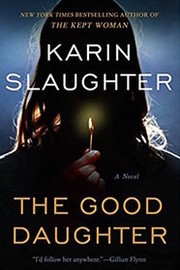
The Good Daughter
Twenty eight years after a home invasion shattered her family, a lawyer witnesses a school shooting that reopens old wounds.
2,505-word summary · 11 min read
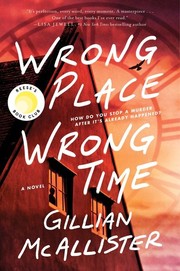
Wrong Place Wrong Time
Jen sees her son Todd kill a stranger, then wakes the day before, slipping back in time to stop the murder.
2,522-word summary · 11 min read
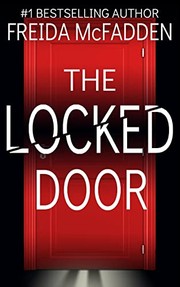
The Locked Door
Surgeon Nora Davis hides serial killer father while patients die.
2,465-word summary · 11 min read
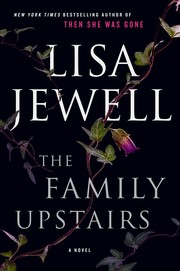
The Family Upstairs
Libby Jones inherits a Chelsea mansion and a past tied to a cult house, two runaways, and a baby left waiting.
3,300-word summary · 15 min read
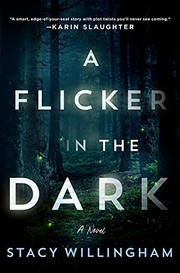
A Flicker in the Dark
Psychologist Chloe Davis faces copycat disappearances in Baton Rouge twenty years after her father confessed to murders.
3,074-word summary · 14 min read
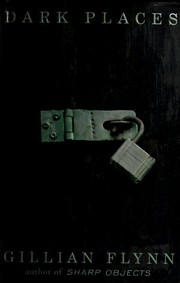
Dark Places
Libby Day, sole survivor of family murders, is paid to rethink her testimony.
1,910-word summary · 8 min read

What She Knew
Rachel lets her eight-year-old son run ahead in a Bristol park, and the nine-day search turns her into a suspect in the public eye.
2,952-word summary · 13 min read

The Beach House
A young valet is beaten to death at a Hamptons party, and his law-student brother spends a year building a case against the family that covered it up.
2,049-word summary · 9 min read

Six Years
A professor who promised to forget the woman he loved sees her husband's obituary and discovers that the wedding, the marriage, and the woman herself may never…
2,076-word summary · 9 min read

The Trespasser
A Dublin Murder Squad detective investigates a staged dinner-party killing and finds a cover-up that reaches into her own department.
2,051-word summary · 9 min read

Rules of Prey
Minneapolis detective Lucas Davenport hunts a killer who leaves a new rule at every scene and treats murder as a game of wits.
1,914-word summary · 9 min read

The Late Show
Exiled to the LAPD night shift after accusing her supervisor, Renée Ballard keeps two cases that were meant to be handed off at dawn: a brutal assault and a…
2,563-word summary · 11 min read

4th of July
Lindsay Boxer shoots two armed teenagers in self-defense, faces a wrongful-death trial, and spends her leave chasing a string of throat-slashing murders in…
2,192-word summary · 10 min read

The Camel Club
Four Washington misfits witness a murder on Roosevelt Island and stumble into a conspiracy that reaches the Oval Office, with a hostage president and a nuclear…
2,354-word summary · 10 min read

61 Hours
A bus crash strands Jack Reacher in a snowbound South Dakota town where a drug gang, a corrupt police force, and a single witness are on a collision course.
2,227-word summary · 10 min read
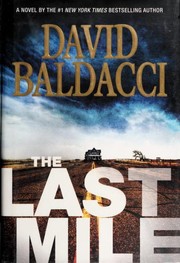
The Last Mile
Melvin Mars is hours from execution for his parents' murder when another man confesses, and FBI cold case detective Amos Decker goes looking for the trap.
2,746-word summary · 12 min read

Still Missing
A realtor is abducted at a Vancouver Island open house and held for more than a year. Told through therapy sessions, the novel follows her escape and the hunt…
2,466-word summary · 11 min read

Bad Luck and Trouble
A deposit of $1,030 summons Jack Reacher back to his old army unit, which is being picked off one name at a time.
2,366-word summary · 11 min read

3rd Degree
The third Women's Murder Club novel follows a San Francisco terror cell and a three-day killing schedule, and it costs the club a member.
2,685-word summary · 12 min read

Worth Dying For
Reacher stops for one night in rural Nebraska and finds a family that runs the county, a missing girl and a shipment worth killing for.
2,021-word summary · 9 min read