
Reading options
What's inside (9 sections)
I came to this one the way a lot of people do, through Halloween. Every October the Horseman shows up on TV lists and cartoon clips, and I realized I had never actually read the story that started it.
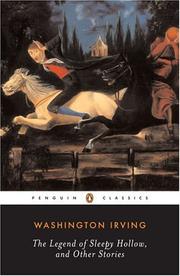
Here are the basics so we are on the same page. Washington Irving first published The Legend of Sleepy Hollow in 1820 as part of The Sketch Book of Geoffrey Crayon, Gent. The American installments came from C.S. Van Winkle in New York, and the London volume came from John Murray. The Penguin Classics paperback of The Legend of Sleepy Hollow and Other Stories runs 368 pages. That is the edition I used for page facts here, though the Sleepy Hollow story itself is only about thirty pages. The rest is Irving and his other sketches. What follows is the whole plot, ending included, plus what held up and what felt creaky.
A drowsy valley full of ghosts
Sleepy Hollow is a little glen near Tarry Town in New York, back when New York was still full of Dutch farms and Dutch names. Irving paints it as a sleepy place in every sense. The people doze, dream, and repeat old stories. The air itself seems to slow visitors down. Some say the spot was bewitched by a German doctor in the early days. Others say an old Indian chief held councils there and left a spell behind. Irving does not ask you to believe either version. He only wants you to feel how cut off the place is.
That cut off feeling matters because the valley runs on stories. Old wives tell them by the fire. Farmers swap them at harvest work. Travelers bring new ones and leave with older ones. The most famous local tale is the Headless Horseman. He is said to be the ghost of a Hessian soldier, one of the German auxiliaries hired by the British in the Revolution, who lost his head to a cannonball in some nameless fight. He was buried in the churchyard. On autumn nights he rides out looking for his missing head. He is often seen near the church and the bridge over the brook, hurrying as if the dawn might catch him.
Irving lingers on this opening. If you like setting, you will enjoy it. If you want the plot to start, you might fidget. I fidgeted a little my first time through.
Ichabod Crane, schoolmaster and suitor
Into this valley walks Ichabod Crane. He is from Connecticut. He is tall and lanky to the point of comedy, with long arms and legs, big hands and feet, a small head with a long nose, and ears that stick out. Irving compares him to a scarecrow and to a crane, which is where the name fits. The kids at his school probably saw the joke before he did.
Ichabod teaches the village school. He boards around with the farm families in turn, staying a week here and a week there, which was the custom. He also leads the singing school, teaching psalm tunes to the young people in the evenings. He is strict in school in the daytime and eager to please outside it. He helps with farm chores. He rocks cradles. He tells long stories for the women after supper. He believes every ghost tale he hears and can top it with one from his reading, especially from Cotton Mather on witchcraft in New England.
He has two hungers that drive the plot. One is food. Irving spends happy pages on what Ichabod eats and dreams of eating. The other hunger is advancement. Ichabod has his eye on Katrina Van Tassel.
Katrina is eighteen, the only child of Baltus Van Tassel, a substantial farmer with a big productive farm, a roomy house, and a reputation for plenty. She is pretty and lively, fond of dress, and aware of the effect she has. Irving gives her less inner life than modern readers might want. We see her mostly from the outside, through Ichabod's hopes and through the eyes of the young men at parties. She flirts. She keeps suitors guessing. Whether she is kind or calculating is left for you to decide. I read her as younger than her suitors in judgment but quick to notice who can offer her music, attention, or laughs.
Her other suitor is Abraham Van Brunt, called Brom Bones. He is big, loud, good on a horse, and the acknowledged hero of the local young men. He plays pranks, wins races, settles fights, and expects to get what he wants. He wants Katrina. Where Ichabod sings and sighs, Brom acts. Where Ichabod borrows a horse, Brom owns a fierce animal named Daredevil and rides like he was born in the saddle.
The triangle is comic on purpose. Ichabod cannot compete with Brom in strength or local standing, so he competes in patience. He calls on the Van Tassels for singing lessons. He lingers after church. He walks Katrina home from company with elaborate care. Brom answers with schoolboy tricks. He stops up the schoolhouse chimney with smoke. He trains a dog to howl outside the singing school. He meets Ichabod on dark lanes and frightens his borrowed horse. None of it works at first, which only makes Brom more determined.
The party at the Van Tassels
The middle of the story is a harvest party at the Van Tassel house in autumn. This is Irving showing off. The house fills with neighbors in their best clothes. Old farmers talk crops and politics and the war. Old women trade wonders and warnings. Young people dance and slip outside between dances.
Ichabod arrives on an borrowed horse named Gunpowder, an aging plow horse with a vicious temper and a habit of shying. Irving has fun with the mismatch between rider and mount. Ichabod wears his best coat and means to shine. He dances with Katrina and thinks he is winning. He eats with appetite and watches Katrina with more appetite. For a little while the evening goes his way. Katrina smiles. Her father nods. The music keeps playing.
Then the talk turns to ghosts. One farmer tells about the Horseman. Another adds a sighting. A gaunt old soldier caps the tales with an encounter at the bridge, where the Horseman vanished in fire and brimstone. Brom tells a laughing story about racing the Horseman on Daredevil and beating him to the bridge. The room laughs and shivers at once. Ichabod listens with full belief and growing nerves. He asks questions that make the others grin. He walks home later with those stories ringing in his ears, which is exactly the wrong state of mind for a lonely ride.
I love this section for how it mixes society and scare. You learn who matters in the valley by where they sit and who laughs at whose joke. You also learn that Brom understands the local currency. He can turn fear into a joke and come out stronger. Ichabod understands books and tunes but not the room. That gap will cost him before the night ends.
There is one small moment I keep thinking about. After dancing and eating, Ichabod seeks a private word with Katrina. Irving does not give us the talk directly. We only see Ichabod leave soon after, looking cast down and thoughtful. Did she refuse him? Did she tease him? Did her mother interrupt? We never learn. The vagueness feels true to party gossip. Everyone later claims to know what passed, and no two accounts agree. I found that more convincing than a neat breakup speech would have been.
The ride home and the Horseman
What happens next is the part everyone knows, but the details still surprised me.
Ichabod starts for home late, on Gunpowder, through woods that feel larger at night. The autumn air is damp. Leaves rustle. A chill settles that has little to do with weather. He passes the places from the evening stories, including Major Andre's tree, where the British spy was caught in the Revolution, and the Wiley swamp area that locals link to strange sounds. His imagination does the rest. A sound becomes a groan. A shadow becomes a figure. He sings psalms to keep his courage up, which tells you how low it has sunk.
Near the churchyard he sees a large figure on a big black horse, motionless in the gloom. The figure seems to have no head. Ichabod tries to pass. The figure starts forward at the same pace. Ichabod urges Gunpowder to a trot, then to a gallop. The dark rider keeps beside him, silent, huge in the mist. When Ichabod looks over, he sees the head is not on the shoulders but carried on the pommel, with a round shape that glows faintly in the dark.
The chase runs through hollow and lane toward the bridge by the church, because local lore holds that the Horseman cannot cross running water and vanishes at the bridge. Gunpowder runs better than anyone expected from such a broken down animal, perhaps from terror, perhaps because even an old plow horse knows when to hurry. They reach the bridge. Ichabod looks back hoping the rider has gone. Instead the rider rises in the stirrups and hurls his head at Ichabod with force. The missile strikes. Ichabod is thrown. Horse, rider, and pursuer all crash toward the brook in noise and dark.
Morning tells a thin story. Gunpowder is found grazing without his rider. Ichabod's hat is found near the bridge. Beside the hat lies a shattered pumpkin. Ichabod himself is gone. Searchers find no body. No note. No clear track beyond the bridge. The old farmers shake their heads and return to work. The old women add the night to the valley record.
Brom, who had seemed glum after the party, brightens in the days that follow. He marries Katrina not long after. When the story of the midnight ride is retold, he laughs a little too knowingly whenever the pumpkin is mentioned. Ichabod never reappears in Sleepy Hollow. Years later one traveler claims Ichabod moved away, became a lawyer and then a judge, and even married. Another rumor says he left the country. The narrator, who claims to pass on papers left by the late Diedrich Knickerbocker, leaves both endings standing and lets you choose.
Did Brom do it, or did the ghost ride
Readers have argued about that ending for two hundred years, and Irving plainly wanted the argument.
The practical reading is simple. Brom dressed as the Horseman, waited on the road he knew Ichabod would take, and used the valley's favorite ghost to frighten a rival who was already primed by an evening of tales. The pumpkin was his false head. Daredevil could easily outrun Gunpowder to the bridge. The throw was strong because Brom is strong. The laugh afterward gives him away. On this reading, the story is a comic trick with a hard edge. A local bully removes an outsider who threatened his courtship, and the community accepts the result because the couple fits and the schoolmaster did not.
The supernatural reading is also allowed by the text. Ichabod is superstitious, but other steady witnesses claim to have seen the Horseman before that night. The valley is presented as a place where odd things happen. The rider's size and silence go beyond an easy prank. If you want to believe the ghost rode, Irving leaves room for it. I lean toward Brom, because the pumpkin and the timing and the marriage point one way, but I like that Irving never stages a reveal where Brom brags outright. A full confession would shrink the tale to a joke. The half light keeps it a legend.
What interests me more is why the trick works so well. Ichabod is not only scared. He is tired, full of rich food, and riding an unreliable horse on a dark road after hours of ghost talk.
There are fair criticisms to make here, and I want to make them plainly. Katrina gets little space to be a person rather than a prize. Modern readers may wince at how much of her worth is counted in acres and dishes. The opening descriptive passages run long if you came only for the Horseman. Irving loves a list of foods and comforts, and he will spend a page where a paragraph would do. Brom's win can feel mean when you sit with it. He keeps the girl and the laugh, while Ichabod, who is silly but not cruel, loses his job, his hopes, and perhaps his wits in one night. If you want justice for gentle oddballs, this story will sting.
Still, the pacing of the chase is excellent. Short sentences. Hard breathing. Hooves and water and dark. Irving, who can be wordy at a party, turns spare on the road. That shift is why the ending lands. You feel speed after plenty, quiet after music, cold air after a warm kitchen. It is a simple contrast and it works.
Humor, language, and how to read Irving now
People sometimes shelve this as horror, and the Horseman earns that tag, but the story reads to me as a comedy with a ghost in it. Irving mocks Ichabod with open affection. He mocks Brom with a wink. He mocks himself a little through Knickerbocker, the fussy Dutch historian whose papers supposedly preserve the tale. The jokes are broad. Noses, appetites, vanity, dancing, borrowed finery. Yet the sentences stay graceful. Even when he teases, Irving writes like a man who enjoys words.
A few habits help if this is your first Irving. Slow down for the descriptions. They carry jokes you miss at speed. Watch for social clues rather than speeches. Who dances with whom, who laughs first, who leaves early.
The language is older but not hard. You will meet thee and hath in the psalm singing bits and in Mather references, plus Dutch names that look thick on the page. Sound them out and move on. Van Tassel, Van Brunt, Van Ripper. Tarry Town. The Kaatskill mountains in the distance. After a few pages the names start to feel like neighbors. If a sentence tangles, read it aloud. Irving wrote for the ear, and his long sentences often untangle when spoken.
One more note on tone. Some modern retellings play Ichabod as a hero and Brom as a villain, or the reverse. Irving keeps both men smaller and funnier than that. Ichabod is greedy and gullible and oddly likable. Brom is forceful and crafty and oddly likable. Katrina chooses comfort and local standing, which is easy to judge from far away and harder to judge if you picture an eighteen year old in a small valley with few options. I did not finish the story admiring anyone completely. I finished it entertained and a little sad, which seems to be the point.
The Horseman after Irving
The Horseman outgrew the book fast, and tracing the afterlife is part of the fun.
Walt Disney's 1949 cartoon, The Adventures of Ichabod and Mr. Toad, gave many of us our first version. Bing Crosby narrates. Ichabod is lanky and hungry, Katrina is bright and flirtatious, Brom is broad and booming, and the night ride is genuinely frightening for a family film. The head thrown at the screen made a generation flinch. If you grew up on that version, the original will feel both familiar and richer, because Disney kept the chase and trimmed the social comedy.
Tim Burton's Sleepy Hollow from 1999 goes much darker. Johnny Depp plays Ichabod Crane as a nervous constable and early forensic thinker sent to investigate murders in the valley. Christina Ricci plays Katrina. The film keeps names and places and the central image of the Hessian rider, then builds a murder plot with conspiracies and new victims. It is bloody where Irving is playful, and it explains what Irving leaves open. I enjoy it as a riff, not as a replacement. Watch it after reading, not before, so you can spot what Burton kept and what he changed.
Television tried again with Sleepy Hollow on Fox from 2013 to 2017, which drops Ichabod into the present as a resurrected witness to strange events. It keeps the bridge and the Hessian and little else.
Why does it stick? Partly because autumn needs stories, and this one fits falling leaves and cold air like nothing else from early American writing. Partly because the central scare is visual and simple. A man without a head still rides. You can draw it, film it, or tell it in two minutes. Partly because the joke still lands. An outsider who wants too much too fast meets a local who knows the roads better. That pattern repeats in schools and offices and small towns.
If you read it now, read it in season if you can. Early October, windows open, light going early. Give the opening pages time. Notice the food, the dancing, the gossip. Notice how Irving lets Brom win without making him noble and lets Ichabod lose without making him trash. Then take the night ride at full speed. When the pumpkin breaks by the bridge, sit with the quiet after. That quiet is where the legend lives.
For teachers or parents, a practical word. The story suits teens and up without much worry. There is no gore on the page. The fright is in suggestion and pursuit.
I closed the book thinking less about ghosts than about belonging. Sleepy Hollow keeps its own. It feeds its own. It marries its own. Ichabod never had a chance once Brom decided to act, because Ichabod wanted the valley's plenty without understanding its loyalties.
FAQ
When was The Legend of Sleepy Hollow first published?
It appeared in 1820 in The Sketch Book of Geoffrey Crayon, Gent. The American installments came from C.S. Van Winkle and the London volume from John Murray. The Penguin Classics edition cited here runs 368 pages with ISBN 9780140437690.
Was the Headless Horseman real in the story?
Irving leaves it open. The pumpkin by the bridge points to Brom Bones scaring Ichabod, but other villagers report earlier sightings, so a ghost reading still fits.
Is the story scary, and is it right for teens?
The fright is in pursuit and suggestion, with no gore on the page. It suits teens and up, and many younger kids meet it first through the 1949 Disney cartoon.
Similar books
The Lottery
In Jackson's 1948 story, a village draws lots to keep the corn heavy, and the chosen person is stoned by her neighbors.
3,080-word summary · 14 min read
The Call of Cthulhu and Other Weird Stories
Seventeen tales from Dagon to Innsmouth, led by Cthulhu, the Colour, and the Whisperer, in S. T. Joshi careful Penguin edition with notes and corrected texts.
2,593-word summary · 12 min read
The Call of Cthulhu
A professor's papers link a sculptor's dreams, a Louisiana cult raid, and a sailor's voyage to a sleeping god under the sea.
2,530-word summary · 11 min read
The Yellow Wallpaper and Other Stories
A young mother confined for her health fixates on yellow wallpaper, plus 39 other Gilman stories on marriage and work.
2,989-word summary · 13 min read
Her Body and Other Parties: Stories
Eight stories where bodies, medicine and old fairy tales get taken apart, with a green ribbon running through the whole book.
2,997-word summary · 13 min read
The Gift of the Magi
A young couple with almost no money each sells the thing they treasure most to buy a Christmas present for the other.
1,978-word summary · 9 min read
The Memoirs of Sherlock Holmes
Doyle's second Holmes collection gathers twelve Strand stories, including the early case of the Gloria Scott and the confrontation with Moriarty at Reichenbach…
2,390-word summary · 11 min read
The Illustrated Man
A tattooed drifter's moving pictures retell eighteen Bradbury stories of children, rockets, Mars and the last night of the world.
2,791-word summary · 12 min read
Everything's Eventual: 14 Dark Tales
Fourteen Stephen King stories shuffled by the deal of a card deck, from the haunted room of 1408 to quiet tales of grief that sting as much as the monsters.
2,000-word summary · 9 min read
The Day of the Triffids
Blinded survivors flee carnivorous plants after a meteor shower.
2,171-word summary · 10 min read
The Complete Fairy Tales
Mermaids, snow queens and tin soldiers in the full Andersen collection.
2,414-word summary · 11 min read

If It Bleeds
Holly Gibney faces an outsider plus three more tales of dread.
2,219-word summary · 10 min read
Haunted
Writers lock in for three months and trade worse stories as food runs out.
2,576-word summary · 11 min read
Full Dark, No Stars
Four novellas about revenge where ordinary people do terrible things and live with it.
2,646-word summary · 12 min read
Four Past Midnight
Four novellas about a plane lost in time, a writer haunted, and horrors small and large.
2,584-word summary · 11 min read
The Jungle Book
Mowgli, raised by wolves in the Seeonee Hills, learns the Law from Baloo and Bagheera while Shere Khan circles. Kipling's 1894 story collection.
2,799-word summary · 12 min read
The Island of Doctor Moreau
Shipwrecked Prendick finds Doctor Moreau shaping beasts into men by pain on lost island.
2,137-word summary · 9 min read
Skeleton Crew
King's 1985 collection pairs The Mist with The Jaunt, The Raft, and Survivor Type: 22 stories of Maine dread.
3,209-word summary · 14 min read
Dream Country
Four Sandman shorts on muses, cats, Shakespeare, and a veiled heroine.
2,001-word summary · 9 min read
Carmilla
Lonely Laura in Styria befriends beautiful Carmilla, whose night visits bring dreams, bites, and ancestral dread.
2,158-word summary · 10 min read
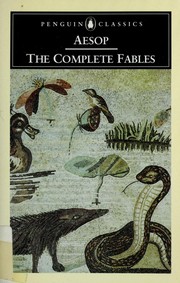
Aesop's Fables
Short animal tales of hares, foxes, ants, and wolves that still sting: old fables in plain modern English.
2,916-word summary · 13 min read
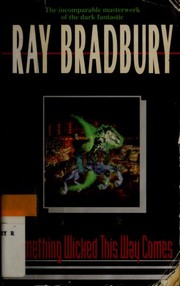
Something Wicked This Way Comes
Two boyhood friends meet a late October carnival that feeds on secret wishes, while Will's father learns how to fight it.
2,869-word summary · 13 min read
Nine Stories
Bananafish, Esme, and Teddy anchor Salinger's postwar Glass stories.
2,348-word summary · 10 min read
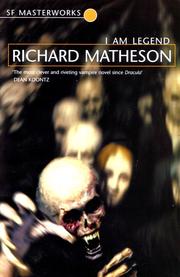
I Am Legend
Robert Neville holds one fortified house in empty Los Angeles by day, and faces what the plague left behind by night.
2,840-word summary · 13 min read
The Turn of the Screw
A governess sees Quint and Jessel at Bly, or projects them; James never settles which, and Miles dies.
2,080-word summary · 9 min read
Dubliners
Fifteen Dublin stories from boyhood priests to Gabriel's snow, mapping paralysis that still moves readers.
2,111-word summary · 9 min read
White Nights
A lonely dreamer spends four summer nights with Nastenka in Petersburg, listening, hoping, then losing her at dawn.
2,927-word summary · 13 min read
The Invisible Man
A scientist makes himself invisible and learns the price: no one can live outside the world. Wells turns a clever trick into a chase across Sussex.
2,564-word summary · 11 min read
The House on Mango Street
Esperanza Cordero grows up on Mango Street in Chicago, watching neighbors closely while dreaming of a house of her own.
2,567-word summary · 11 min read
Night Shift
King's first story collection moves from haunted mills to killer cornfields, twenty early tales where ordinary places turn evil.
2,488-word summary · 11 min read