
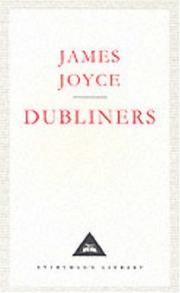
Dubliners
2,111-word summary 9 min read 300 pages in the book
- First published
- 1914
- Publisher
- Everyman's Library
- Pages
- 300
- ISBN
- 9781857150490
Reading options
What's inside (12 sections)
I finally read Dubliners because every short fiction course calls it the standard. James Joyce published it in 1914 with Grant Richards in London after years of printer refusals. My reading follows the 300 page Everyman's Library edition from 1991. Fifteen stories of Dublin life progress from childhood to public life, ending with snow over all Ireland. It is precise, sad, and more readable than Joyce's reputation suggests.
The book opens with a boy and a priest. The Sisters introduces Father Flynn's death through a child's confused piety. An Encounter follows two boys skipping school for adventure that curdles into menace with a strange man. Araby closes childhood with a boy's crush and a bazaar's disappointment. Those three stories share a young narrator learning that Dublin promises and withholds in the same breath. Desire outruns fulfillment by exactly one tram ride. That gap becomes the book's geography. Everywhere in Dublin is close to somewhere better that closes early.
Araby and Eveline up close
Araby deserves isolated praise as the collection's most anthologized shiver of adolescence. A boy infatuated with a friend's sister pledges to buy her something from the bazaar, arrives late to half closed stalls, and stands in darkness understanding his own vanity. That final sentence about anguish and anger detonates quietly after pages of sensory Dublin detail. Gaslight. Apple scent. A woman counting money. Readers who ever wanted badly at thirteen feel the Bazaar lights dim personally. Disappointment here is not event but atmosphere. Gaze itself was the purchase. It cost exactly one evening.
Eveline's dockside freeze works as companion piece about choice refused. Dust, letters, and a drowning man's memory hold her while Frank waits with tickets to Buenos Aires. Is she prudent or paralyzed. Joyce plants evidence both ways with characteristic fairness. Frank's past is cloudy. Her father's violence is documented. Home promises misery known. Away promises happiness unverified. Her grip on the railing at the end reads as tragedy or wisdom depending on reader age and experience. Young me judged. Older me hesitates. That shifting verdict across rereads is the story's genius. It ages with you while staying exactly still.
Adolescence and maturity
Eveline poses the book's most debated choice. A young woman sits with a letter, weighing elopement to Argentina with Frank against duty to a violent father and dead mother's promise. The ship sails in the final lines while she freezes. Readers argue across generations about whether she is paralyzed or prudent. Joyce gives her a street organ's tune, a drowning memory, and no narrator to judge. That withholding forces readers to supply verdicts from their own lives. I have reversed mine twice. Youth reads duty. Age reads fear. Both fit the same sentences.
After the Race and Two Gallants show young men performing cosmopolitanism on borrowed money. Jimmy Doyle races cars he can not afford. Corley and Lenehan circle a servant girl for coins. Those stories satirize Dubliners aping continentals while remaining provincial. The Boarding House turns the tables through Mrs. Mooney, who arranges her daughter's seduction into marriage with butcher's clarity. A Little Cloud contrasts Little Chandler's timid verse with Gallaher's London success. Counterparts follows Farrington's drinking day from office humiliation to beating his son. Each story adds a room to the same house. Cramped. Rented. Full of talk.
Clay and A Painful Case deepen the loneliness. Maria, kind spinster at a laundry, misses her plum cake moment at a party and sings alone. Mr. Duffy, fastidious essayist, rejects Mrs. Sinico's affection then mourns her death by train with guilt that arrives too late and too neatly. Those middle stories show paralysis hardening into character. Choices avoided become selves. Joyce's famous epiphanies, sudden showing-forth of meaning, operate here as small devastations. A song. A headline. Nothing changes except understanding, which changes nothing. That is the point and the pain.
Clay, Duffy, and hardened hearts
Maria's story in Clay deserves gentle attention as the book's kindest portrait of settled loneliness. Small, beloved at the laundry, trembling over a plum cake she loses on the tram. That lost cake carries more pathos than grand tragedies elsewhere because its scale fits her life. Small hopes. Small losses. Total meaning. Her evening song performance, brave and slightly off, earns applause that comforts without curing. Readers who have been kind maiden aunts or been raised by them will ache with recognition. Goodness unrewarded persists anyway. That persistence is the story's quiet miracle amid paralysis.
Mr. Duffy in A Painful Case offers the harder mirror of chosen isolation curdling into regret. Fastidious clerk who rejected Mrs. Sinico's warmth as disorder, he reads of her death and finally feels on schedule too late. His night walk through empty park with auditory ghosts of her voice ranks among Joyce's most brutal self reckonings. Four pages dismantle a life built on neatness. Those who pride themselves on order should read with windows open. Loneliness chosen still lonely. The story refuses him comfort beyond understanding that changes nothing. Epiphany as life sentence. Served nightly.
Public life and The Dead
Ivy Day in the Committee Room, A Mother, and Grace widen to politics, art, and religion. Canvassers drink and gossip on King Charles's memorial day. Mrs. Kearney fights for her daughter's concert fee with magnificent vulgarity. Kernan's friends stage a Catholic retreat to reform him with mixed motives. Those public stories show Dublin performing itself for itself. Talk substitutes for action so thoroughly that talk becomes the action. Joyce, exiled in Trieste while writing, anatomizes home with love that never softens into excuse. Dear dirty Dublin indeed. Dear. Dirty. Both.
The Dead closes the book at novella length and towers over collections for good reason. Gabriel Conroy and wife Gretta attend his aunts' annual dance, eat goose, make speeches, and return to a hotel where Gretta confesses a dead boy, Michael Furey, who loved her and died young. Gabriel's self regard collapses across pages of jealousy, lust, and finally expansive pity. The closing snow passage, general all over Ireland, falling on living and dead, remains among English's most quoted endings. I will not quote it fully here beyond naming its movement from party chatter to universal white. Read it slowly aloud. It earns every anthology.
What makes The Dead more than long story is how it gathers earlier themes into symphony. Childhood priests return as opera singers. Eveline's frozen choice echoes in Gabriel's hotel window. Clay's spinster kindness reappears in aunts' hospitality. The whole book attends that dance before snow. Critics rightly call it perfect. Perfection here means every prior story audibly breathing in one ballroom. Reread the collection straight through to feel the accumulation. Skipping to The Dead alone halves its power. Context is the second author.
Paralysis, epiphany, and style
Joyce's twin engines need naming for new readers. Paralysis, spiritual and civic, freezes Dubliners mid motion. Priests die. Lovers sail without heroines. Men drink instead of leaving. Epiphany, sudden radiance of meaning, strikes without freeing anyone. Understanding arrives after action is possible. That combination gives the stories their unique ache. Clarity as consolation prize. Critics named these patterns early and Joyce accepted the terms. He meant them. The book's famous scrupulous meanness of style serves both. Plain sentences. Exact details. No authorial rescue.
The style rewards patience that modern skimming resists. Long paragraphs of party talk. Catalogs of food. Street names with histories. Those densities are the realism, not decoration. Dublin exists here at address level because Joyce believed souls live in houses with numbers. Reading with a map enriches. Even without, cadences carry. Araby's closing lines about anguish and anger need no footnotes. They detonate in any reader who ever wanted badly at fourteen. That universality inside hyper locality explains the book's century of praise. Specific streets. General hearts.
What challenges is the very evenness that defines mastery. Fifteen stories of thwarted lives can feel like one long sigh to readers craving variety of fate. No one triumphs. Few even rebel successfully. The book's Catholic gloom, written by a twenty five year old who fled it, sometimes reads as settled verdict rather than open question. Young readers may find it airless. Older ones recognize weather. Both responses are fair. Bring your own windows or accept the rooms as built. Either way the construction awes.
Grace and the retreat business
Grace deserves attention as the book's funniest autopsy of piety as social club. Kernan's friends, including Power and Cunningham, stage a Catholic retreat to reform him with mixed motives ranging from genuine concern to networking. The chapel scenes balance reverence and absurdity as men doze through sermons about mammon while calculating lunch. Father Purdon's tailored preaching to businessmen's consciences skewers religion serving commerce with precision that still stings. Those chapters show public Catholicism as performance both sincere and staged. Belief and belonging blur beyond separating. Joyce, who fled the church, writes its pull without caricature. Pew comforts even doubters.
A Mother extends the institutional satire to art commerce through Mrs. Kearney's magnificent fight for her daughter's concert fee. Promised money, evasive committees, and a daughter caught between stage fright and maternal ambition. Mrs. Kearney's vulgarity in demanding contracts honored embarrasses genteel Dublin precisely because she is right. Pay the singer. That plain justice, pursued without grace, divides readers between admiration and distaste. Joyce refuses to resolve. Ambition mothers fiercely and crassly at once. Applaud the outcome while wincing at methods. Both responses fit the same final chord.
The Dead as gathering and farewell
Gabriel Conroy's arc through aunts' party deserves extended reading as the book's supreme study of self regard punctured. Pompous lecturer, protector of culture, condescending to servants, he performs generosity while collecting slights. Gretta's revelation about Michael Furey dismantles his composure across pages of jealousy, lust, and finally pity so large it includes himself. That progression from ego to elegy in one hotel night shows Joyce's mature power fully formed at twenty five. Most novels need hundreds of pages for such reversal. Here a song does it. The Lass of Aughrim carries more plot than chapters elsewhere. Listen when it plays.
The aunts' party itself functions as Dublin in miniature worth savoring detail by detail. Goose cooking. Guests arriving through rain. Music, dancing, and gossip in rooms too small for pretensions they host. Julia's choir past. Kate's fussing. Mary Jane's academy piece. Those textures accumulate into warmth the ending freezes over with snow. Readers should linger in these pages before Gretta's confession reframes everything. Joy first. Then knowledge. That order makes the snow fall harder. Happiness described fully hurts more when recontextualized. Joyce knew and feasted before fasting. Eat with them. Then shiver.
Joyce at twenty five
The author's age deserves wonder as context for achievement. Twenty five when finishing, Joyce anatomized a city he already fled with control most novelists never reach at sixty. Exile in Trieste sharpened vision through distance and homesickness both. Letters show him fighting publishers over punctuations that seemed trivial to printers and sacred to him. Those battles over commas prefigure Ulysses wars to come. Young genius knew exactly what he built even when Dublin ignored it. The book sold poorly at first. History corrected. Read young to feel possibility. Talent needs no permission slip at any age.
Reading one nightly as practice
The collection's original happy readers consumed stories monthly across ten years before book form gathered them, a pace modern bingeing loses. Try the old rhythm. One story nightly with mornings for residue. Eveline on Monday haunts Tuesday's commute. Grace on Thursday softens Friday's judgments. That spacing lets epiphanies land without crowding. Each tale needs a day to settle like snow. Bingeing fifteen paralyses in one weekend risks numbness the book diagnoses. Ironic to induce in readers what characters suffer. Pace yourself and paralysis stays theirs, not yours. One nightly. Think mornings.
Who should visit Dublin
Give Dubliners to short story readers who want the form's peak, to Joyce curious intimidated by Ulysses, to students of cities and souls. It suits slow weeks with one story nightly and mornings for thinking. Do not give it to readers needing momentum or uplift. Pair it with A Portrait for Stephen's continuation, or with The Dead alone first to taste, then the full fourteen before.
At 300 pages in this edition I read it across fifteen nights, one story each, marking Araby and Grace. Joyce starts with a priest's death watched by a boy and ends with snow falling on all the living and the dead. That span, from parish to country under white, is why the collection stands as English's greatest story book. Paralysis described perfectly becomes, paradoxically, movement. You close changed. They stay. That is art's quiet revenge.
FAQ
When was Dubliners published?
Grant Richards published it in 1914. This Everyman's Library edition runs 300 pages and the ISBN is 9781857150490.
Is it part of a series?
No. It stands alone as Joyce's first major prose, before Portrait and Ulysses.
Which stories anchor it?
Araby, Eveline, The Boarding House, Clay, Ivy Day, and the closing novella The Dead.
Similar books
Ulysses
Bloom, Stephen, and Molly cross Dublin on June 16 1904 in parallel to Odyssey, from breakfast to night bed yes.
2,222-word summary · 10 min read
A Portrait of the Artist as a Young Man
Stephen Dedalus grows from schoolboy to exile choosing art over church and nation.
2,072-word summary · 9 min read

The Crying of Lot 49
A California woman named executor of her ex-lover's estate follows a muted post horn into a possible centuries-old postal conspiracy, and Pynchon refuses to…
2,003-word summary · 9 min read
Silas Marner
A falsely accused weaver hoards gold in Raveloe until a stolen hoard and an abandoned child remake his narrow life.
2,699-word summary · 12 min read

Revolutionary Road
A Connecticut couple who believe they are too good for the suburbs plan to move to Paris, and the plan slowly exposes everything they cannot say to each other.
2,085-word summary · 9 min read

Howards End
Forster's 1910 novel follows two families, a house in Hertfordshire, and a burned note, asking whether money and feeling can ever be connected.
2,187-word summary · 10 min read

Sophie's Choice
A young Southern writer in 1947 Brooklyn befriends a brilliant, unstable couple and slowly learns the story of the Polish Catholic woman at the center of their…
2,798-word summary · 12 min read

Fathers and Sons
Arkady brings the nihilist Bazarov home to his father's estate, and a generational argument turns into love, a duel, and an early death.
2,192-word summary · 10 min read
Unaccustomed Earth
Lahiri’s second story collection follows Bengali families in America and abroad, tracing the quiet distances between parents and children, spouses, and the…
2,333-word summary · 10 min read
Naked Lunch
Burroughs's banned 1959 collage novel follows Bill Lee through addiction, Tangier, and the nightmare bureaucracy of the Interzone.
2,082-word summary · 9 min read

The Chosen
A shattered pair of glasses in a 1944 Brooklyn softball game starts a friendship between a Hasidic boy and his Orthodox neighbor, and their fathers pull them…
2,443-word summary · 11 min read
The Lottery
In Jackson's 1948 story, a village draws lots to keep the corn heavy, and the chosen person is stoned by her neighbors.
3,080-word summary · 14 min read
The Dharma Bums
Ray Smith rides freight trains, climbs Matterhorn Peak and argues about Zen with the poet Japhy Ryder in Kerouac's 1958 road novel.
2,729-word summary · 12 min read

Ivanhoe
A disinherited Saxon knight, a great tournament, a besieged castle and a trial by combat. Scott's most famous novel, set in England in 1194.
2,834-word summary · 13 min read
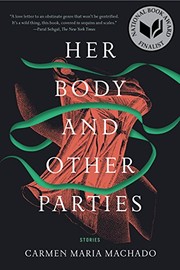
Her Body and Other Parties: Stories
Eight stories where bodies, medicine and old fairy tales get taken apart, with a green ribbon running through the whole book.
2,997-word summary · 13 min read

Wide Sargasso Sea
Jean Rhys gives the first Mrs. Rochester a Caribbean childhood, a marriage built on money and suspicion, and a voice that Charlotte Bronte left in the attic.
2,021-word summary · 9 min read
This Is How You Lose Her
Yunior cycles through love affairs and betrayals in nine linked stories, tracing the damage he does and the family history behind it.
2,195-word summary · 10 min read
The Gift of the Magi
A young couple with almost no money each sells the thing they treasure most to buy a Christmas present for the other.
1,978-word summary · 9 min read
The Gambler
Dostoevsky's roulette novella: Alexei loses Polina, wins a fortune, loses everything, and promises himself one more bet tomorrow.
2,022-word summary · 9 min read
Orlando
A young Elizabethan nobleman becomes a woman and lives for centuries, moving through English history while writing a single poem about an oak tree.
2,030-word summary · 9 min read
Mother Night
Howard W. Campbell Jr., a Nazi propagandist and American spy, tells the story of his double life from an Israeli prison cell while waiting to be tried for war…
1,988-word summary · 9 min read
The Memoirs of Sherlock Holmes
Doyle's second Holmes collection gathers twelve Strand stories, including the early case of the Gloria Scott and the confrontation with Moriarty at Reichenbach…
2,390-word summary · 11 min read
The Illustrated Man
A tattooed drifter's moving pictures retell eighteen Bradbury stories of children, rockets, Mars and the last night of the world.
2,791-word summary · 12 min read
The House of Mirth
Lily Bart, beautiful and penniless at twenty-nine, navigates New York's marriage market until a Dorset yacht scandal strips her of the only currency she has.
2,468-word summary · 11 min read
Olive, Again
Elizabeth Strout returns to Crosby, Maine, as Olive Kitteridge marries Jack Kennison, confronts her son, and faces old age, grief, and small-town judgment.
2,333-word summary · 10 min read
If on a Winter's Night a Traveler
You, the Reader, chase a defective novel through bookshops and translators while ten other novels keep interrupting. Calvino's famous puzzle about the act of…
2,173-word summary · 10 min read
Foster
A girl spends a summer with relatives on a Wexford farm and is cared for properly for the first time. A spare novella about family and what children notice…
2,043-word summary · 9 min read
The Complete Fairy Tales
Mermaids, snow queens and tin soldiers in the full Andersen collection.
2,414-word summary · 11 min read
Men Without Women
Seven stories about men living after women leave, die, or stay distant.
2,673-word summary · 12 min read