
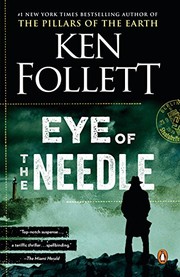
Eye of the Needle
2,083-word summary 9 min read 352 pages in the book
- First published
- 1978
- Publisher
- Penguin Books
- Pages
- 352
- ISBN
- 9780143132042
Reading options
What's inside (12 sections)
I read Eye of the Needle because Follett calls it the book where he learned suspense. Ken Follett published it in 1978, his breakthrough bestseller and Edgar winner for Best Novel. My reading follows the 352 page Penguin Books paperback. German spy Henry Faber races to deliver D Day intelligence while MI5 closes in and a lonely island woman stands last in his way. It is lean WWII thriller machinery that still hums.
Faber, code named the Needle for his stiletto, is a German aristocrat of extraordinary intelligence with violence in blood. He has operated in Britain for years, photographing and killing without leaving traces. His critical discovery concerns the Allied invasion. The vast army in Kent facing Calais is fake. The real blow lands in Normandy. That intelligence could unravel Overlord if it reaches Germany. Faber kills and runs toward a U boat rendezvous with MI5's full desperation behind him. Ruthless, patient, and very good at his work. The book never softens him into antihero. He is the threat.
Godliman, Bloggs, and Lucy
MI5's hunters give the chase its procedural spine. Brigadier Godliman runs the hunt with establishment calm. Major Bloggs does legwork through rain and files. Their chapters show wartime intelligence as drudgery plus intuition. Checklists. Informants. Dead ends that eliminate. When Faber's trail surfaces through murdered landlords and missing boats, the machine lurches after with satisfying competence. Those hunters lack flash by design. Bureaucracy saves England here, not lone wolves. Forms filled correctly corner killers faster than hunches. That tribute to systems suits Follett's later historical epics in miniature. Institutions matter.
Lucy, young wife on Storm Island off Scotland, becomes the story's heart and final wall. Married to David, RAF pilot disabled in a crash, raising a small child in windswept isolation, she lives with loneliness that Faber's arrival exploits. He poses as shipwrecked sailor. She nurses him. Attraction grows alongside suspicion as inconsistencies accumulate. His knowledge. His hands. His urgency about radios. Those domestic chapters slow the thriller deliberately to build dread that chases can not supply. Kindness hosting murder. Tea poured for a man who kills with needles. The island's storms trap both together with no rescue coming. Weather as locked room.
David's disability adds moral texture often missed in plot summaries. Grounded pilot, bitter and brave, he loves Lucy with insecure intensity that Faber's smoothness threatens. His accident clipped wings that defined him. Watching a capable stranger charm his wife wounds precisely. When truth erupts, David acts despite body with courage that reframes heroism away from spies toward husbands. No spoilers beyond saying the island confrontation costs plenty and resolves through Lucy's hands rather than rescuers. She stands last because she must. Storms keep MI5 boats offshore. Only she remains between Faber and history.
Storm Island as locked room
Storm Island deserves extended praise as thriller setting that does triple duty. It isolates Lucy and Faber from rescue. It provides weather that grounds planes and boats alike. It mirrors Lucy's interior state, windswept and alone between duties. Follett, who learned here to stretch situations, uses every island feature as obstacle and revealer. Cliffs that prevent escape. Radios that fail in storms. A child whose needs interrupt spy schedules. Sheep that witness silently. Those textures accumulate into place readers can map blindfolded. Know the island and you feel the trap tighten with each page. Geography as vice.
David's presence complicates the seduction plot usefully by giving Lucy stakes beyond survival. Disabled pilot husband, bitter about grounded wings, watches a capable stranger charm his wife with helpless fury. His jealousy could curdle into villainy in lesser books. Here it reads as wounded love that sharpens his courage when truth erupts. He acts despite body because home demands it. That late bravery reframes earlier sulking as pain management rather than weakness. Husbands in war thrillers rarely get such grace. Follett grants it while keeping focus on Lucy. Both spouses fight. She finishes.
D Day stakes without lectures
The historical hinge deserves explanation for readers fuzzy on deception details because stakes drive every chase. Allies built a phantom army facing Calais while real force aimed at Normandy. If Germans learn truth early, Panzers redeploy and landings drown. Faber carries photographs proving the fraud. That single envelope outweighs divisions until delivered. Godliman's briefings convey scale through casualty arithmetic that chills without speeches. Thousands per hour if warned. Those numbers sit behind every roadblock scene giving procedural work apocalyptic weight. Checkpoints matter because beaches will bleed otherwise. Remember arithmetic when bored by files. Blood waits on answers.
What the book avoids is triumphalism about intelligence services that later histories complicate. Godliman's machine works here with satisfying clicks. Real Ultra operations involved luck and moral compromise the novel smooths past. That smoothing serves thriller pace over history seminar. Accept the polish as genre requirement rather than claim. Spies plus weather plus lonely wives decided something real, even if machinery creaked more than shown. The hinge holds regardless of grease. Normandy needed silence. One woman provided it at island cost. Honor the simplification while noting it.
Lucy as history's hinge
Lucy's transformation from lonely wife to history's hinge deserves feminist reading that the book supports without preaching. Isolated by geography and marriage to a demanding invalid, she mothers, cleans, and waits with intelligence going spare. Faber's arrival offers adult conversation that feels like rescue before revealing as threat. Her attraction, honestly rendered without shaming, shows emotional starvation that villains exploit everywhere. Recognize hunger without condemning appetite. That nuance separates the book from thrillers that punish lonely wives for noticing handsome strangers. Lucy notices. Then she sees clearly. Then she acts decisively. Growth under pressure, not fall from virtue.
What she does in the finale reverberates beyond island because history hinges on domestic courage so often unrecorded. Wives who hide deserters. Mothers who lie to patrols. Women who choose at kitchen tables what generals debate in bunkers. Lucy joins that unmemorialized ranks through necessity rather than ideology. She protects child and country with same motion. No medals follow in text, which is precisely the point about women's war work. Done invisibly. Mattering immensely. Readers should salute her competence alongside soldiers' own.
Lucy as history's hinge
Lucy's transformation from lonely wife to history's hinge deserves feminist reading that the book supports without preaching. Isolated by geography and marriage to a demanding invalid, she mothers, cleans, and waits with intelligence going spare. Faber's arrival offers adult conversation that feels like rescue before revealing as threat. Her attraction, honestly rendered without shaming, shows emotional starvation that villains exploit everywhere. Recognize hunger without condemning appetite. That nuance separates the book from thrillers that punish lonely wives for noticing handsome strangers. Lucy notices. Then she sees clearly. Then she acts decisively. Growth under pressure, not fall from virtue.
What she does in the finale reverberates beyond island because history hinges on domestic courage so often unrecorded. Wives who hide deserters. Mothers who lie to patrols. Women who choose at kitchen tables what generals debate in bunkers. Lucy joins those unmemorialized ranks through necessity rather than ideology. She protects child and country with same motion. No medals follow in text, which is precisely the point about women's war work. Done invisibly. Mattering immensely. Readers should salute her competence alongside soldiers' own. All served. Few recorded. Remember both.
D Day stakes without lectures
The historical hinge deserves explanation for readers fuzzy on deception details because stakes drive every chase. Allies built a phantom army facing Calais while real force aimed at Normandy. If Germans learn truth early, Panzers redeploy and landings drown. Faber carries photographs proving the fraud. That single envelope outweighs divisions until delivered. Godliman's briefings convey scale through casualty arithmetic that chills without speeches. Thousands per hour if warned. Those numbers sit behind every roadblock scene giving procedural work apocalyptic weight. Checkpoints matter because beaches will bleed otherwise. Remember arithmetic when bored by files. Blood waits on answers.
What the book avoids is triumphalism about intelligence services that later histories complicate. Godliman's machine works here with satisfying clicks. Real Ultra operations involved luck and moral compromise the novel smooths past. That smoothing serves thriller pace over history seminar. Accept the polish as genre requirement rather than claim. Spies plus weather plus lonely wives decided something real, even if machinery creaked more than shown. The hinge holds regardless of grease. Normandy needed silence. One woman provided it at island cost. Honor the simplification while noting it.
Godliman's patient machine
Godliman and Bloggs deserve extended credit as the book's procedural ballast against spy glamour. No gadgets. No quips. Just files, informants, and elimination logic applied across counties. Their chapters show intelligence work as clerical heroism that novels usually skip for chases. Check landlord registries. Trace boat rentals. Interview widows gently. Those routines corner Faber more surely than any single deduction could. Follett, ex journalist, respects paperwork as plot engine. Forms filled correctly catch killers faster than hunches. That tribute to systems suits his later epics in miniature. Institutions matter when staffed by stubborn decent men.
Bloggs's fieldwork complements Godliman's direction with rain soaked legwork that grounds the hunt physically. Trains missed. Pubs canvassed. Farmers questioned about strangers buying supplies. Those textures prevent the middle from becoming map dots connected by strings. England at war feels lived in through petrol rations and blackout curtains. Faber moves through that same country with opposite skills, forging papers the machine checks. Hunter and hunted share methods. Only aims differ. That symmetry gives the chase its chess quality. Both sides file. One files to kill. The other to catch.
Suspense learned at last
Follett's own account of writing this book after brisk early novels explains its virtues. He learned to stretch tense situations across chapters by inventing new things that could go wrong. That method shows on every page. Boat delayed. Radio broken. Child waking. Dog barking. Each complication delays Faber without feeling planted because island life supplies them naturally. Weather turns. Sheep stray. Generators fail. The thriller uses routine as obstacle course. Readers learn Storm Island's rhythms alongside Faber, then watch those rhythms trap him. Familiarity becomes snare. Nice trick, honestly earned.
The D Day stakes carry real historical weight that elevates chases above genre exercise. If Faber reports, Normandy landings meet prepared Panzers and the war extends by years. That counterfactual looms without lectures through Godliman's briefing scenes. Maps. Casualty estimates. Churchillian pressure from above. Those chapters remind that spy fiction here touches genuine hinge points. One man with photographs could drown landings in blood. Lucy, who never enlisted, ends up deciding more than divisions do. That inversion gives the book its democratic thrill. History turns on island wives as well as generals.
Violence stays blunt and brief rather than lingered over. Stiletto work described in sentences, not pages. Those flashes shock more for brevity. Follett avoids sadism while never hiding Faber's lethality. The 1981 film with Donald Sutherland captured this cold efficiency faithfully. Book readers coming from Pillars may find the prose leaner here, all muscle and weather. Early Follett wrote fast. Here fast serves. Later books would grow rooms. This one runs corridors. Both thrill differently. Corridors first.
Edgar win and thriller lineage
The 1979 Edgar Award for Best Novel deserves context as genre coronation that launched Follett past category shelves. Beating established crime writers with a war thriller announced that espionage could carry literary craft without apology. Le Carré's shadow looms here, but Follett's pace differs fundamentally. Where Smiley circles, Faber sprints. That kinetic alternative expanded what serious thrillers could do structurally. Later writers from Forsyth to Flynn owe the island chase mechanics visible debt. Study the encrypted ultimatum scene construction. Ticking clocks need weather, not just wires. Follett knew first and best.
Who should watch the island
Give Eye of the Needle to thriller readers who want WWII espionage at leanest, to Follett fans tracing from breakthrough to Kingsbridge, to film viewers seeking Sutherland's source. It suits weekends with storms outside and lamps on. Do not give it to readers needing literary interiority or ensemble casts. Pair it with Jackdaws or Triple for more Follett wartime variations.
At 352 pages I read it in two sittings, marking storm pages. Faber starts photographing fake armies and ends facing one woman with everything to lose, while Lucy starts lonely and ends standing between history and horror. That pair, needle and island both sharp, is why the breakthrough launched ten million copies. Storms pass. Choices remain. She chose.
FAQ
When was Eye of the Needle published?
Published in 1978. This Penguin Books paperback runs 352 pages and the ISBN is 9780143132042.
Did it win the Edgar Award?
Yes, the 1979 Edgar Award for Best Novel, launching Follett past category shelves.
Who are Faber, Godliman, and Lucy?
Henry Faber the Needle, Godliman and Bloggs hunting, Lucy and disabled David on Storm Island.
Similar books
The Day of the Jackal
An English assassin takes an OAS contract to kill de Gaulle while a quiet French detective races to stop him in 1963 Paris.
2,969-word summary · 13 min read
11/22/63
A Maine teacher steps through a diner portal to 1958 to stop the Kennedy assassination, and learns the past resists change while a new life pulls him in.
2,799-word summary · 12 min read
Edge of Eternity
Five families cross civil rights, Cold War and Berlin Wall to the eighties.
2,489-word summary · 11 min read
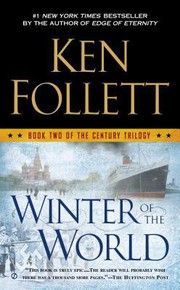
Winter of the World
Five families from Berlin to Moscow live through the Nazis, World War II, and the atomic age in Follett's second Century volume.
2,402-word summary · 11 min read
Fall of Giants
Five families from Wales to Russia live through World War I, the Russian Revolution, and the fight for women's votes.
2,255-word summary · 10 min read

What She Knew
Rachel lets her eight-year-old son run ahead in a Bristol park, and the nine-day search turns her into a suspect in the public eye.
2,952-word summary · 13 min read
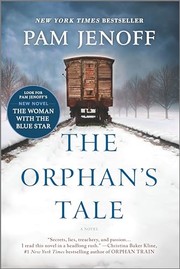
The Orphan's Tale
A Dutch teenager rescues a Jewish baby from a death train and joins a German circus, where a Jewish aerialist teaches her to fly.
2,943-word summary · 13 min read

The Beach House
A young valet is beaten to death at a Hamptons party, and his law-student brother spends a year building a case against the family that covered it up.
2,049-word summary · 9 min read
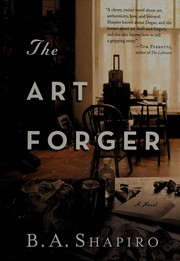
The Art Forger
A disgraced Boston painter agrees to copy a Degas stolen from the Gardner Museum, then begins to suspect the original she is copying is itself a forgery.
2,117-word summary · 9 min read

Six Years
A professor who promised to forget the woman he loved sees her husband's obituary and discovers that the wedding, the marriage, and the woman herself may never…
2,076-word summary · 9 min read

Rules of Prey
Minneapolis detective Lucas Davenport hunts a killer who leaves a new rule at every scene and treats murder as a game of wits.
1,914-word summary · 9 min read

Sophie's Choice
A young Southern writer in 1947 Brooklyn befriends a brilliant, unstable couple and slowly learns the story of the Polish Catholic woman at the center of their…
2,798-word summary · 12 min read
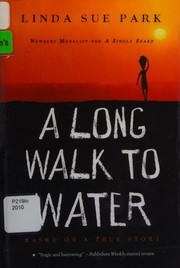
A Long Walk to Water
Two eleven-year-olds in southern Sudan, twenty-three years apart: a Dinka boy fleeing war and a Nuer girl walking hours for water, until their stories meet at…
2,217-word summary · 10 min read

4th of July
Lindsay Boxer shoots two armed teenagers in self-defense, faces a wrongful-death trial, and spends her leave chasing a string of throat-slashing murders in…
2,192-word summary · 10 min read
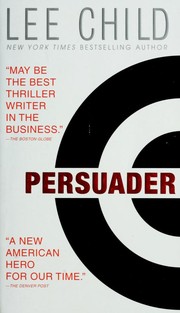
Persuader
Reacher goes undercover in a Maine crime family to find a missing DEA agent and the man he once failed to kill, and Lee Child keeps the whole thing tight,…
2,278-word summary · 10 min read

61 Hours
A bus crash strands Jack Reacher in a snowbound South Dakota town where a drug gang, a corrupt police force, and a single witness are on a collision course.
2,227-word summary · 10 min read
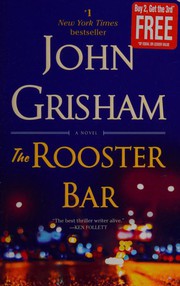
The Rooster Bar
Three law students buried in debt discover their for-profit law school is a scam, and decide the only way out is to con their way into practicing law before…
2,837-word summary · 13 min read
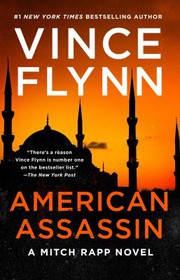
American Assassin
Before he became the CIA's most feared counterterrorist, Mitch Rapp was a Syracuse student mourning his girlfriend, killed on Pan Am Flight 103. Then came…
2,114-word summary · 9 min read
The Troop
A Boy Scout troop on a Canadian island takes in a stranger who cannot stop eating, and the worm inside him turns a camping trip into a war.
2,457-word summary · 11 min read

The Chemist
A former government interrogator on the run takes one last job, then learns the case she was handed was built to pit her against him.
2,249-word summary · 10 min read

Still Missing
A realtor is abducted at a Vancouver Island open house and held for more than a year. Told through therapy sessions, the novel follows her escape and the hunt…
2,466-word summary · 11 min read
Saving Noah
A seventeen-year-old swimmer confesses to molesting two girls he coached, and his mother must decide what unconditional love is worth.
2,976-word summary · 13 min read

Bad Luck and Trouble
A deposit of $1,030 summons Jack Reacher back to his old army unit, which is being picked off one name at a time.
2,366-word summary · 11 min read

3rd Degree
The third Women's Murder Club novel follows a San Francisco terror cell and a three-day killing schedule, and it costs the club a member.
2,685-word summary · 12 min read

Worth Dying For
Reacher stops for one night in rural Nebraska and finds a family that runs the county, a missing girl and a shipment worth killing for.
2,021-word summary · 9 min read
Tinker, Tailor, Soldier, Spy
Retired spymaster George Smiley is brought back to find a Soviet mole inside British intelligence, and the trail leads through old friends, old betrayals, and…
2,092-word summary · 9 min read
The Silence of the Girls
Briseis, queen of Lyrnessus, is captured by Achilles and narrates the Trojan War from inside the Greek camp, where women are prizes and survival is its own…
2,098-word summary · 9 min read

The Queen's Fool
A young Jewish refugee with second sight becomes a court fool to Edward VI, Mary I, and Elizabeth, and learns what it costs to tell the truth.
2,412-word summary · 11 min read
The Last of the Mohicans
During the French and Indian War, Hawkeye and two Mohican warriors try to save two British sisters from a Huron chief whose revenge will end the Mohican line.
2,017-word summary · 9 min read

The Ex
Cassie thinks her new boyfriend's ex is the woman harassing her, but Freida McFadden's thriller keeps rearranging who the ex actually is.
2,103-word summary · 9 min read