
Reading options
What's inside (4 sections)
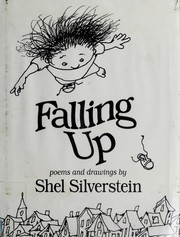
I had read Where the Sidewalk Ends to my kids until pages fell out, so Falling Up, published in 1996 by HarperCollins, 192 pages in hardcover, ISBN 9780060248024, felt like meeting an old friend who got weirder with age. It is poems and drawings about falling up, upside down worlds, kids who refuse, adults who misunderstand, all in Silverstein's scratchy line art that looks tossed off and is perfect. There is no plot to summarize, which makes a book summary odd to write. Instead this is a tour through kinds of poems inside, how they work read aloud, and why the collection holds together as more than leftovers. I read it straight through in an evening and then again slowly over a week with a pencil, which is the right two pass method for Silverstein. First for laughs, second for craft.
The title poem sets tone. Falling up, falling down, tripping over cracks that are really ceilings. Kids love inversion because their lives invert daily. Told to sit still in school, run wild at recess. Told to be quiet at dinner, sing in church. Silverstein sides with kids without making adults villains. Adults are tired, rule bound, sometimes right about coats in winter. Kids are wise about play and cruel about differences. Both get mocked gently. A poem where a boy trades his sister for a baseball card gets laughs then pause. Would you. Should you. Those pauses do the teaching without lessons stated. Silverstein trusts kids to feel the wince and adjust. That trust is why teachers keep him despite occasional complaints about messiness as virtue. Messiness here has edges. Scary endings stay scary. Selfish kids face consequences drawn as funny grotesque. No one dies, but pride gets pricked.
Kinds of poems inside
Nonsense poems carry the middle with wordplay that rewards reading aloud. Spelling bees that sting. Homework machines that eat. A boy who turns into a TV set slowly from watching. Those premises stretch across stanzas with lists that grow. Kids chant along after one hearing, which is the test for read aloud poetry. Can a room join by second chorus. Silverstein writes choruses into odd poems through repetition with slight change. Falling up, falling in, falling through. Each repeat adds image while keeping rhythm. My neighbor's six year old learned the title poem by heart after two readings and recited while jumping on a bed, which is exactly the use case. Body learns before mind. Jump while chanting. Later, sitting still, meaning arrives. That sequence matters for wiggly readers schools often punish. Silverstein gives them poems that require moving. Act out falling up. Trip theatrically. Learning as play, not desk work.
Cautionary poems update Struwwelpeter for American suburbs without moralizing endings that satisfy adults. A girl who never cleans her room gets buried in toys. A boy who refuses baths grows mold that talks. Those fates sound like parent threats but land as kid fantasies. What if mess really took over. Cool. Silverstein lets mess win visually. Drawings show rooms overflowing with joyful chaos that looks fun despite warning text. Kids get both messages at once. Mess is fun and costly. Choose knowingly. That doubleness respects intelligence more than clean morals. A poem about a boy who eats only candy ends not with cavities lecture but with him turning into dessert himself, chased by spoons. Delightful and gross. Kids laugh and check teeth after, unprompted. Health lesson smuggled inside body horror comedy. Teachers who ban candy poems miss how well they work as deterrents kids request reread. Ask for the candy monster again. Parent complies, hoping message sticks through giggles. It does, sideways.
tender poems surprise among silliness and give collection weight that justifies keeping past childhood. A poem about a father and son sharing silence on a porch. A poem about saying goodbye to a home being sold. Those quiet pieces use plain words without jokes, which stands out after pages of puns. Silverstein draws those scenes with less scratch, more space. White page around small figures. Loneliness as composition. Adults reading to kids often choke here unexpectedly. I did on a poem about a boy visiting grandmother who remembers his name wrong. Laughed at wrong name first reading. Cried second when realizing grandmother forgets from age, not comedy. That reread flip, joke becoming ache, is Silverstein's signature move across books. Sidewalk Ends does it with Sarah Cynthia Sylvia Stout. Falling Up does it with fussy aunt poems that turn on final line. Watch last lines. They pivot. Teach kids to wait for pivot. Reread favorite funny ones slowly to catch sad underneath. Both readings true at once. That doubleness is why adults keep copies after kids grow. Funny now, tender later, same pages.
For reading aloud craft, Silverstein's line breaks and drawings integrate like Kinney for older kids. Text breaks where picture shows. Captions add rather than repeat. If you only read words, you miss half. A poem about a long beard works because drawing shows beard wrapping around house. Try acting without book. Fails. Book as prop matters. That integration is why ebooks flatten him. Print with pages to turn, pictures to tilt, foil? No foil here, just black line on white with occasional color? Actually mostly black and white. That restraint keeps focus on voice. No shiny distractions like Rainbow Fish. Just line and word dancing. Kids trace drawings with fingers while listening, which aids memory. My copy has pencil marks where a child connected freckles into constellations. Vandalism as engagement. Librarians despair. Authors cheer. Silverstein would cheer loudest. Mark books by using. That use philosophy runs through his play prefaces. Perform, draw on, sing loud. Books as tools, not shrines.
What rankles and who should try it
The collection's treatment of girls rankles modern readers in spots. Boys get adventures. Girls get fussiness poems more often. Counts skew. A girl who will not take trash out gets messier fate than boys who do worse. Those imbalances reflect 1996 and earlier drafts, some poems written decades before publication from Silverstein's Playboy cartooning days? Actually from various periods. Parents wanting balance should pair with Jack Prelutsky's girls-strong collections to even shelves. Also, disobedience as virtue, while delightful, needs framing for kids who already struggle with rules for safety reasons. Running into streets is not falling up. Teachers should name difference between imaginative defiance in poems and real boundaries that protect. Silverstein never suggests running into traffic. Some kids may conflate. Read together and distinguish. Pretend falling is fun. Real falling hurts. Those talks do not ruin magic. They build media literacy early. Fantasy versus action. Enjoy both, confuse neither.
Still, at 192 pages it is ideal bedtime ritmo. One poem a night lasts months. Longer sessions work too because variety paces. Silly, tender, gross, repeat. I read five a night to wind down after heavy batch books and slept better, which is odd praise for poetry but true. Lightness as rest. No cliffhangers about trauma. Just falling up toward sleep. Kids who fear dark find night poems that name monsters then shrink them through jokes. A dark that eats socks is less scary than formless dark. Naming helps. Silverstein names plenty. Falling up, upside down, inside out. Those prepositions give kids handles for disorientation school causes daily. Name the flip. Laugh. Keep going.
For who this is for. If you parent ages 4 to 10, you already own Sidewalk Ends and need this next, though publication order puts it last. If you teach, use for reluctant readers who memorize fast and for gifted kids who get vocabulary jokes others miss. Both groups meet in chanting. If you want diverse voices, supplement. Silverstein's world is mostly white suburbs with universal feelings drawn broadly enough to travel but not specifically inclusive. Pair with Jacqueline Woodson poetry for balance. I closed it thinking about falling up as prayer for batch work heaviness. Trip over cracks into ceilings. Land laughing. That inversion sustains through 192 pages without wearing because each poem finds new crack to trip. Keep a copy where kids can reach without asking. Reachable books get read. Shelved high books decorate. Silverstein belongs low, worn, pencil marked, loved into falling apart. That falling apart is the right fate. Use until binding breaks. Tape. Keep falling.
Performance notes for grown ups reading aloud deserve a final paragraph because Silverstein rewards voices that commit. Whisper scary parts. Shout falling refrains. Pause before pivots to let kids predict. That participation turns reading into theater that builds comprehension better than quizzes. A child who shouts give it at the right moment understands cause effect without test. A child who groans at mess poem understands consequence through feeling rather than lecture. Those embodied responses stick longer than answers to who what where. After reading, ask what would you do, not what happened. Answers reveal values to discuss gently. Would you give scale. Why or why not. No wrong answers at four, only starting points for growth. Revisit same poem months later and ask again. Changed answers show development more honestly than milestones. My neighbor's six year old first said keep all scales, mine. Months later after preschool sharing struggles, she said give one to blue. Same child, same book, different ethics through living. That change is the book working as designed. Not teaching sharing in one sitting, but accompanying practice across year. Keep copy accessible for rereads at new stages. Falling up happens repeatedly, not once. Each fall teaches slightly different landing. Stay nearby with tape for binding and patience for repetition. Read again louder. Jump higher. Land laughing together.
Illustration style as invitation to draw also matters more than praise for verse. Silverstein's scratchy lines look achievable to kids who fear art. Straight lines wobble. Faces are circles with dots. Even adults can copy. That accessibility invites margin doodles that become comprehension. Draw your falling. Show where you land. Those drawings reveal understanding teachers miss in verbal answers. A child who draws Rainbow Fish with many scales kept versus given shows current ethics without words. Track drawings across year to see growth. Early pictures hoard shine. Later pictures spread dots. No lecture needed. Pictures confess. Provide crayons with books as standard pairing. Librarians who shelve Silverstein near art supplies see more engagement. Kids read then draw response immediately. That response is assessment richer than quiz. Keep drawings dated in folders. Review together at year end. Watch scales spread across pages as child learns generosity through practice, not preaching. Book as mirror held kindly across months. Reflect, do not correct. Notice aloud with delight when giving appears unprompted in art. That noticing reinforces better than praise for sharing toys under watch. Private art honesty precedes public generosity. Honor both stages without rushing.
Uncle Shelby? Actually Silverstein as absent adult who plays deserves a last note because biography informs tone. Sailor, cartoonist for Playboy, songwriter of Boy Named Sue, traveler who never married or settled with kids of his own, writing for children from avuncular distance rather than parental daily grind. That distance frees play without responsibility for bedtime enforcement. He can suggest falling up without handling sprains. Parents reading sense freedom and resent slightly. Easy for uncle to propose mess. Harder for mom to clean. Silverstein knows and winks through poems where adults clean while kids laugh. He sides with kids openly, leaving cleanup to grown ups reading aloud who sigh while smiling. That alliance, author plus child versus custodial adult, powers appeal and draws criticism from parents wanting backup for rules. Use him as ally for playdates and grandparent visits rather than daily discipline. Special occasion poet for upside down days when rules relax. Ordinary days need other voices about brushing teeth without jokes. Both have places on shelves. Rotate by need. Falling Up days versus teeth brushing days. Kids learn context switching through shelf order. Silly book for Saturday. Straight book for school nights. That rotation teaches genre awareness early. Different books for different moods. Choose appropriately without devaluing either. Silverstein belongs low and reachable for chosen upside down hours, not constant companion that undermines structure kids also need. Balance through shelf placement as parenting. Reachable but not only. Worn but not sole. Loved into falling apart alongside sturdier guides that hold when falling hurts for real.
FAQ
When was Falling Up published?
HarperCollins published it in 1996. The hardcover runs 192 pages with ISBN 9780060248024.
How should I read it with kids?
Read aloud twice, first for laughs then slowly with pencil. Chant choruses, act falls, wait for last line pivots.
Similar books
A Light in the Attic
Silverstein's attic poems and line drawings turn chores, monsters, and homework into jokes and small rebellions.
2,998-word summary · 13 min read
Where the Sidewalk Ends
Sidewalk Ends retold: poems and drawings, Sarah Cynthia, unicorns, homework and giants.
1,952-word summary · 9 min read
Hard Luck
Rowley has a girlfriend, so Greg turns to a Magic 8 Ball, a family Easter hunt and the school yearbook for answers.
2,586-word summary · 11 min read
George's Marvellous Medicine
George stirs a brew of dozens of household chemicals and gives it to his grumpy grandmother, and the medicine works far better than anyone planned.
2,014-word summary · 9 min read
Beezus and Ramona
Nine year old Beezus tries to be a good older sister while four year old Ramona turns every ordinary day into a disaster, until a tenth birthday forces honesty.
2,062-word summary · 9 min read
Cabin Fever
Greg Heffley gets snowed in with his family before Christmas while dodging blame for school property damage.
2,221-word summary · 10 min read
The Ugly Truth
Greg faces puberty, a school lock-in and Uncle Gary's wedding while Mom returns to college in Wimpy Kid book five.
2,766-word summary · 12 min read
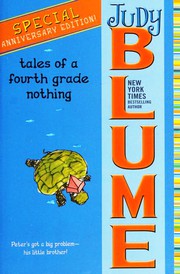
Tales of a Fourth Grade Nothing
Nine-year-old Peter Hatcher tries to get through fourth grade while his toddler brother Fudge steals every scene.
2,469-word summary · 11 min read
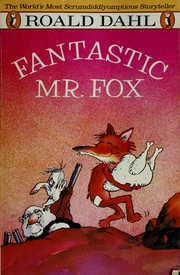
Fantastic Mr. Fox
Mr. Fox raids three cruel farmers to feed his family, then outdigs tractors and a siege to host a feast underground.
2,910-word summary · 13 min read
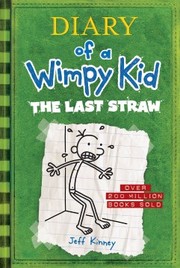
The Last Straw
Frank wants Greg toughened through sports while Greg dodges everything and military school looms.
2,020-word summary · 9 min read
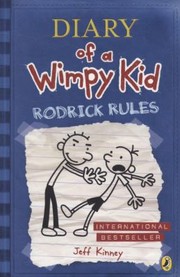
Rodrick Rules
Greg Heffley starts a new school year hiding a summer secret with Rodrick, whose party, photos, and talent show chaos threaten to expose everything.
2,971-word summary · 13 min read
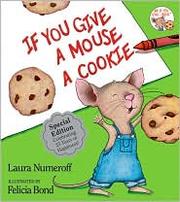
If You Give a Mouse a Cookie
A mouse gets a cookie and turns one small favor into a whole busy day.
2,560-word summary · 11 min read
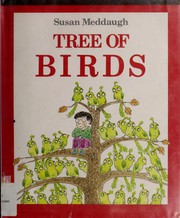
Matilda
Brilliant Matilda Wormwood teaches herself to read, faces her crooked parents and the fearsome Miss Trunchbull, and finds Miss Honey.
2,296-word summary · 10 min read
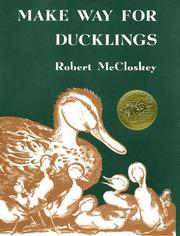
Make Way for Ducklings
A pair of mallards raise eight ducklings on the Charles River and lead them across Boston to the Public Garden, with a little help from a friendly policeman.
2,044-word summary · 9 min read
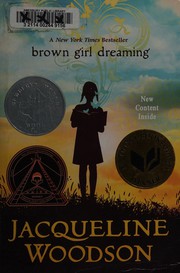
Brown Girl Dreaming
Jacqueline Woodson retells her childhood in verse, moving from Ohio to South Carolina to Brooklyn while the civil rights movement reshapes the world around her.
2,727-word summary · 12 min read

Little Town on the Prairie
In the spring after the Long Winter, fifteen-year-old Laura sews shirts, studies for a teaching certificate, and helps send her blind sister Mary to college.
2,071-word summary · 9 min read
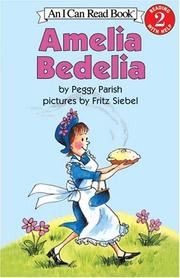
Amelia Bedelia
A literal-minded housekeeper follows her employer's list to disastrous and funny effect in the 1963 picture book that made wordplay a children's staple.
2,038-word summary · 9 min read
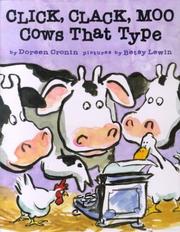
Click, Clack, Moo: Cows That Type
Cows learn to type, demand electric blankets, and go on strike in a deadpan picture book about negotiation and withheld labor.
2,617-word summary · 12 min read
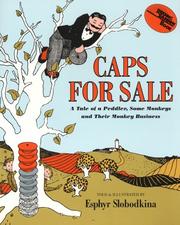
Caps for Sale
A peddler balances his caps on his head, naps under a tree, and wakes to find monkeys wearing his stock in this 1940 picture book.
2,787-word summary · 12 min read
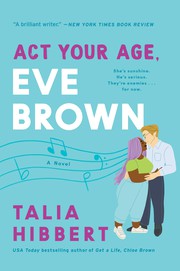
Act Your Age, Eve Brown
Eve Brown crashes into a Lake District bed and breakfast, breaks the owner's arm, and talks her way into his kitchen. A grumpy-sunshine romance about work,…
2,474-word summary · 11 min read
The Stinky Cheese Man and Other Fairly Stupid Tales
Scieszka and Lane Smith take nine fairy tales apart, joke by joke, while Jack, the narrator, keeps losing the pages.
2,206-word summary · 10 min read

2 States: The Story of My Marriage
A Punjabi boy from Delhi and a Tamil Brahmin girl from Chennai meet at IIM Ahmedabad, and turn a love marriage into a campaign to convince two families.
2,634-word summary · 12 min read
The Third Wheel
Greg tries to find a date for the Valentine's dance, ends up the third wheel in his own plan, and watches Rowley get the girl.
2,019-word summary · 9 min read
The Borrowers
A family of tiny people live under the floorboards of an English house, borrowing what they need until a lonely boy and a suspicious housekeeper change…
2,164-word summary · 10 min read
Sideways Stories from Wayside School
Thirty stories, one class per floor, and a teacher who turns students into apples: Louis Sachar's absurd school classic.
2,045-word summary · 9 min read
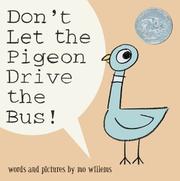
Don't Let the Pigeon Drive the Bus!
A bus driver leaves the reader in charge with one rule, and a very persuasive pigeon spends the rest of the book trying to break it.
2,084-word summary · 9 min read
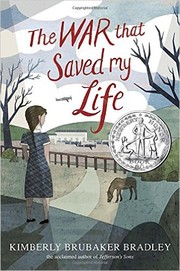
The War That Saved My Life
Ten-year-old Ada has never left her London flat, hidden away because of her clubfoot. Wartime evacuation sends her to Kent, where a reluctant guardian and a…
2,252-word summary · 10 min read
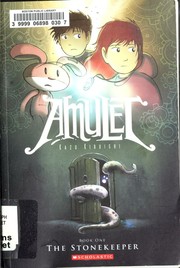
The Stonekeeper
After their father's death, Emily and Navin chase a monster into a hidden world to save their mother, and Emily's great-grandfather's amulet offers power at a…
2,753-word summary · 12 min read
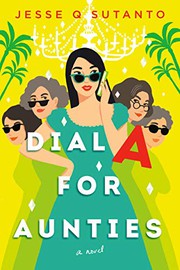
Dial A for Aunties
A wedding photographer accidentally kills her blind date, and her mother and three aunties help her hide the body during the biggest wedding of their careers.
2,076-word summary · 9 min read
Cold Sassy Tree
In 1906 Georgia, fourteen-year-old Will Tweedy watches his widowed grandfather marry a much younger woman three weeks after his grandmother's funeral.
2,154-word summary · 10 min read