
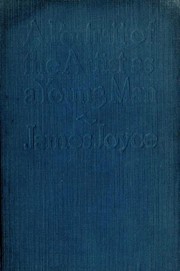
A Portrait of the Artist as a Young Man
2,072-word summary 9 min read 384 pages in the book
- First published
- 1916
- Publisher
- Penguin Books
- Pages
- 384
- ISBN
- 9780141182667
Reading options
What's inside (4 sections)
I had tried this at twenty and bounced off the sermons, then came back at twice that age and found a different book. A Portrait of the Artist as a Young Man, first book publication in 1916 by B.W. Huebsch in America after serialising in The Egoist 1914 to 1915, Penguin Books edition running 384 pages with introduction and notes, ISBN 9780141182667, follows Stephen Dedalus from baby babble to young man leaving Ireland to forge art. It is autobiographical without being memoir, Catholic without faith, Irish without nationalism as Joyce defines it. It demands patience and repays with sentences you will remember for years.
Stephen starts as a child in Clongowes school, homesick, bullied, confused by politics adults shout and by religion that promises both love and hell. Joyce writes early consciousness in simple diction that grows with Stephen. Baby tuckoo, then school lessons, then adolescent lust and guilt. That style mirroring growth is the book's great technical feat. You do not notice it happening until you look back and realize sentences lengthened as mind did. A scene where Stephen is pandied for a wrong he did not commit teaches him injustice as system, not accident. He appeals to the rector and wins, learning words can protect when used precisely. That lesson shapes everything after more than any sermon.
School, sin, and sermons
Clongowes and Belvedere sections show Irish Catholic education as formation and fracture. Priests teach Latin, history as English history, geography that skips Ireland's pain. Boys trade stamps, play rugby badly, sneak novels. Stephen makes one friend, Cranly, who will matter later as confessor and foil. He falls into lust with prostitutes in Dublin, then into scrupulous guilt that makes him pray compulsively. The famous hell sermons, preached at a retreat, run for many pages and test modern readers. I skimmed at twenty. At forty I read slowly and admired how Joyce lets rhetoric work on Stephen and on us. Sulphur, worms, stench, eternity as time without end. Stephen believes and reforms with fervor that frightens. He prays, fasts, avoids girls, considers priesthood.
That piety collapses not from argument but from recognition. Stephen realizes he loves beauty more than holiness, words more than sacraments. A girl wading at Bull Wall, thighs in water, becomes epiphany not of lust but of art as worship. He will not serve church that demands he abandon senses. He also will not serve Ireland that demands he write propaganda or England that demands he assimilate. The famous non serviam, I will not serve, applies to church, nation, family. He will serve art through exile. That decision, made walking alone while friends play, feels both arrogant and necessary. Arrogant because he is twenty and unpublished. Necessary because Dublin would have kept him as clerk or priest.
University chapters bring Cranly talks that are the philosophical core. What is beauty. Aquinas on wholeness, harmony, radiance, translated into Stephen's aesthetic of epiphany, sudden showing forth. They debate love, friendship, whether Stephen should leave. Cranly, practical and loyal, asks who will pay rent in Paris. Stephen has no answer beyond calling. Those dialogues, long walks around Dublin at night, show Joyce thinking through Aristotle and Aquinas in Irish rain. Some pages are dense. I reread the villanelle section twice. Stephen writes a poem to a girl, revises, realizes feeling exceeds form. That failure teaches more than success. Art is not transcription of ecstasy. It is shaping that lets others feel.
For language, Joyce shifts from simple to lyrical to theoretical as Stephen ages. Early baby sentences give way to schoolboy lists, then to sermons in full fire, then to diary fragments at the end dated and terse. The final diary, with resolutions to fly by nets of nationality, language, religion, is famous because it condenses. Old father, old artificer, stand me now and ever in good stead. That prayer to Daedalus, mythic father who made wings, replaces prayers to saints. Stephen will make wings from words and risk falling. Knowing Joyce did, exiled in Trieste and Paris writing Ulysses, makes the ending less cocky and more vow. He kept it, at cost.
What frustrates and what lasts
The book frustrates if you want plot. Little happens after school. Walks, talks, a party, a decision. Girls appear as symbols more than people. Emma, the love interest, gets few lines of her own. She is looked at, written about, prayed over, rarely heard. Feminist readers rightly note this. Joyce, even while critiquing church and nation, centers male becoming. Also, Irish politics circa Parnell gets much space that non Irish readers may skim. Who betrayed Parnell and why Christmas dinner splits matters less now than Joyce felt. I used notes for those pages and still skimmed one dinner argument because names blurred.
Still, at 384 pages in this Penguin edition with introduction and notes, it reads slower than length suggests but rewards. I read twenty pages at a time with a pencil, marking epiphanies. Bird girl at water. Green rose of Martello? Actually no. Villanelle failure. Cranly confession. Each marks a turn from religion or nation toward art. The sermons, once skimmed, now seem essential. You must feel hell to understand why Stephen leaves heaven. Without terror, his exile looks like tourism. With it, leaving costs faith and family. That cost gives the final flight weight. He is not running to Paris for fun. He is running because staying means priesthood or silence.
For who this is for. If you love sentences, try it after Dubliners. You need Joyce's short stories first to trust his eye. If you want story, start elsewhere. This is becoming, not happening. If Catholic guilt shaped you, the retreat chapters will hit hard and may help. I grew up with similar sermons and felt old fear rise in a useful way. Naming it as rhetoric lessens power. Joyce gives you tools by showing how sermons work word by word. I closed it thinking about nets I fly by still, language, family expectations, old prayers said without belief. Stephen's answer, make art that shows, feels less arrogant now and more like work. Forge, not find. That verb matters. Art as labor in exile, not gift at home.
Cranly as the friend who stays deserves a final paragraph because he carries the book's human cost. Handsome, popular, conventionally moral, Cranly loves Stephen and tells him so plainly while refusing to follow into exile. He asks practical questions about money, about mother, about whether pride is worth loneliness. Stephen answers with theories about silence, exile, cunning. Cranly listens, argues, walks him home late, and lets go. Those night walks around Dublin, with gas lamps and rain, are love scenes between friends where love means letting leave. Cranly will stay, marry, work, remember. Stephen will go and write about staying. Neither is wrong, which is why goodbye hurts. Joyce, who left Cranly figures behind in Dublin, writes these pages with guilt disguised as theory. Stephen explains aesthetics to avoid saying thank you and sorry. Cranly hears both underneath and forgives by not naming. That forgiveness as listening is the most Irish thing in the book. Talk around pain until pain feels heard.
The diary ending as prayer to Daedalus also needs unpacking for new readers who find it abrupt. Old father, old artificer, stand me now and ever in good stead. After hundreds of pages of Catholic prayers, Stephen prays to a mythic maker who built labyrinths and wings. He chooses a father who makes things over fathers who demand obedience, biological father Simon who drinks, priests who threaten, nation that claims. Daedalus made wings that failed when Icarus flew too high, which Stephen knows. He prays anyway, asking for steadiness, not success. That modesty inside arrogance saves the ending from cockiness. He knows he may fall. He asks for help to make well while falling. For a twenty year old to pray for craft over fame feels mature beyond years and exactly right for Joyce at thirty two writing it. He got his wish and paid. Exile, censorship, eye operations, daughter's illness. The wings held long enough for Ulysses. That knowledge makes the diary prayer ache with dramatic irony. He does not know cost yet. We do, and we cheer anyway.
Simon Dedalus, Stephen's father, as charming failure deserves a paragraph because he explains much about why Stephen must leave. Simon tells stories brilliantly, sings, makes friends in pubs, cannot keep money or promises. He blames English, priests, weather, everyone but drink and pride. Stephen loves him and sees through him early. A scene where Simon retells his own school triumphs while Stephen needs fees for current school captures the gap. Past glory funds no present. Stephen learns to listen for music in his father's talk while discounting facts. That listening becomes writer's training. Take the cadence, leave the content. Later, when Stephen refuses to borrow from Cranly to pay Simon's debts, it is not cruelty but boundary. He will not fund charm that starves family. That refusal costs guilt that fuels exile. To leave a funny father who needs you feels like betrayal even when necessary. Joyce never resolves whether Stephen should have stayed to save mother and sisters. He leaves the question open like a wound. Readers with difficult fathers will recognize the bind. Love the talk, hate the consequences, go to make your own talk that pays.
Fleming and other schoolmates as background chorus also show how Stephen stands apart without trying to be special. They trade stamps, cheat on exams in small ways, laugh at teachers. Stephen joins enough to belong, then drifts to books. He is not bullied for strangeness so much as left aside when games start. That ordinary exclusion hurts more than dramatic rejection because there is no villain to blame. Boys just prefer football to poetry. Stephen learns solitude early as condition rather than choice. By university he seeks solitude to write, having practiced loneliness as child. That continuity makes exile feel inevitable rather than performed. He was always leaving, even when sitting among friends. The diary just names direction. Paris instead of Cork. Art instead of law. Nets avoided by flight rather than fight.
The bird girl at Bull Wall as epiphany needs one more look because readers often misread it as erotic awakening alone. Yes, Stephen desires, but what converts lust to vocation is form. He sees thighs, yes, but also sees composition, light on water, posture like a statue he once saw in a museum. Desire becomes attention to shape rather than possession. That shift from wanting to have to wanting to render is the whole turn from sinner to artist in one gaze. He does not approach or speak. He watches and thanks silently, then walks home changed. Chastity here is not repression but redirection. Energy saved for making. Later, when he writes the villanelle, he tries to possess feeling through poem and fails because he forces. The bird girl taught looking without grasping. The poem fails when grasping returns. Those paired lessons, see without taking, make without forcing, structure his aesthetic better than Aquinas quotes. Theory names what water already taught. Critics who call the scene sexist miss that Stephen learns not to touch. He learns distance as respect for beauty separate from use. That respect, however imperfectly practiced later, begins here in waders.
Dublin streets as memory palace close the book's geography in ways first readers miss. Stephen walks the same roads at different ages and layers meaning. The bridge where he was bullied becomes where he debates Cranly. The beach where he saw the bird girl becomes where he decides to leave. The university steps where he argued about beauty become where he says goodbye. Joyce maps growth onto pavement so precisely that Dubliners use the book as walking guide. Following Stephen's routes today, past Belvedere, down O'Connell, out to Bull Wall, shows how little and how much changed. Shops differ. Sea wind matches. That continuity lets new readers feel time as place rather than dates. Stephen leaves Dublin but Dublin keeps his footprints for others to find. Walking them while reading doubles the novel. Feet learn what eyes skim. I traced one walk on a map after finishing and understood a chapter about distance that had confused me sitting still. Movement clarifies Joyce. Bodies think in his work as much as minds.
FAQ
When was A Portrait published?
B. W. Huebsch published it in book form in 1916 after serialising in The Egoist 1914 to 1915. The Penguin edition cited runs 384 pages with ISBN 9780141182667.
What does Stephen decide at the end?
To fly by nets of nationality, language and religion, serving art through exile. Old father Daedalus stand me in good stead.
Similar books

The Chosen
A shattered pair of glasses in a 1944 Brooklyn softball game starts a friendship between a Hasidic boy and his Orthodox neighbor, and their fathers pull them…
2,443-word summary · 11 min read
Ulysses
Bloom, Stephen, and Molly cross Dublin on June 16 1904 in parallel to Odyssey, from breakfast to night bed yes.
2,222-word summary · 10 min read
Dubliners
Fifteen Dublin stories from boyhood priests to Gabriel's snow, mapping paralysis that still moves readers.
2,111-word summary · 9 min read

Little Town on the Prairie
In the spring after the Long Winter, fifteen-year-old Laura sews shirts, studies for a teaching certificate, and helps send her blind sister Mary to college.
2,071-word summary · 9 min read
The Agony and the Ecstasy
Irving Stone turns Michelangelo's seventy years of carving, painting, and arguing with popes into a novel about the cost of making something that outlives you.
2,260-word summary · 10 min read
The Birth of Venus
A Florentine merchant's daughter trains as an artist, marries a man who hides a secret, and survives Savonarola's bonfire of the vanities.
2,404-word summary · 11 min read
Harriet the Spy
Eleven year old Harriet Welsch fills notebooks with honest, often cruel observations about her neighbors, until her classmates read one and turn her spy route…
2,510-word summary · 11 min read
Foster
A girl spends a summer with relatives on a Wexford farm and is cared for properly for the first time. A spare novella about family and what children notice…
2,043-word summary · 9 min read
The Fire Next Time
Baldwin writes his nephew and faith on race in America.
2,463-word summary · 11 min read
I Capture the Castle
Cassandra journals six months of love and money trouble in a castle.
2,402-word summary · 11 min read
Ham on Rye
Henry Chinaski grows up rough in Depression Los Angeles and finds writing.
2,244-word summary · 10 min read
A Canticle for Leibowitz
After nuclear war, monks save books across centuries while the world rebuilds and falls again.
2,381-word summary · 11 min read
The Interestings
Meg Wolitzer follows Jules Jacobson from 1974 arts camp into middle age, as friendship with Ethan and Ash turns into envy, money gaps, marriage strain, and…
2,990-word summary · 13 min read
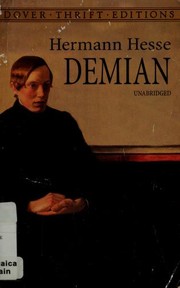
Demian
Hesse's 1919 German classic of Emil Sinclair, from Kromer blackmail to Demian, Abraxas, Beatrice and Frau Eva, ending in war: a short, strange guide to growing…
2,510-word summary · 11 min read
Brideshead Revisited
At Oxford Charles Ryder befriends Sebastian Flyte and falls into the Catholic Marchmain family, from Brideshead summers to Julia's affair and Lord Marchmain's…
2,353-word summary · 10 min read
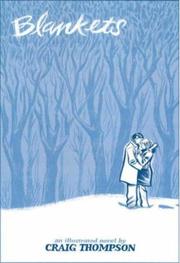
Blankets
Craig Thompson recalls sharing a bed with brother Phil, falling for Raina at church camp, losing his faith, and keeping art through Michigan winters.
2,586-word summary · 11 min read
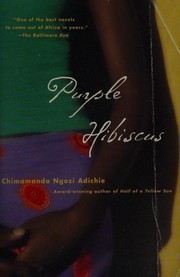
Purple Hibiscus
Kambili, fifteen, watches her devout factory-owner father rule the Enugu house through fear until a Nsukka visit teaches her speech and freedom.
2,595-word summary · 12 min read
Dead Poets Society
Keating tells Welton boys to seize the day and his secret club costs more than grades.
2,031-word summary · 9 min read
All the Pretty Horses
John Grady and Rawlins ride to Mexico for ranch work, finding love, prison, and a code that costs all.
2,677-word summary · 12 min read
Something Wicked This Way Comes
Two boyhood friends meet a late October carnival that feeds on secret wishes, while Will's father learns how to fight it.
2,869-word summary · 13 min read
People of the Book
Conservator Hanna traces Sarajevo Haggadah stains back to 1480 Seville.
2,479-word summary · 11 min read
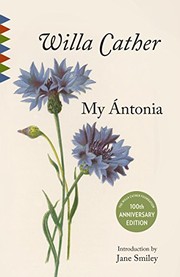
My Ántonia
Jim Burden recalls his Nebraska boyhood beside Bohemian friend Antonia Shimerda, from prairie farms to town work and a late return.
2,918-word summary · 13 min read
Thus Spoke Zarathustra
A prophet comes down from ten years alone to preach the overman after the death of God.
1,983-word summary · 9 min read
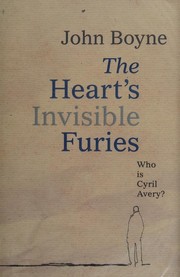
The Heart's Invisible Furies
John Boyne follows Cyril Avery, adopted in Dublin in 1945, through seventy years of love and secrecy as Ireland changes around him and he learns to live openly.
2,904-word summary · 13 min read
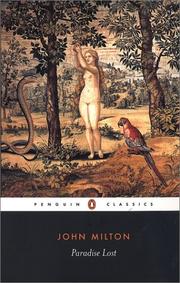
Paradise Lost
Blind Milton's epic of Satan's revolt, Adam and Eve's fall, and their hard walk out of Eden.
2,963-word summary · 13 min read
Anne of the Island
Anne leaves Avonlea for Redmond College, shares Patty's Place with friends, and learns to tell admiration apart from love.
2,766-word summary · 12 min read
The House on Mango Street
Esperanza Cordero grows up on Mango Street in Chicago, watching neighbors closely while dreaming of a house of her own.
2,567-word summary · 11 min read
Parable of the Sower
Lauren Olamina flees burning Robledo with her Earthseed verses and walks north to plant a new faith.
2,311-word summary · 10 min read
From the Mixed-Up Files of Mrs. Basil E. Frankweiler
Claudia and Jamie run away to the Met, chase whether a 225 dollar Angel is a Michelangelo, and trade secrets with Mrs. Frankweiler.
2,774-word summary · 12 min read
Anne of Avonlea
Anne teaches at sixteen, adopts twins, and learns that fixing Avonlea takes patience.
1,909-word summary · 8 min read