
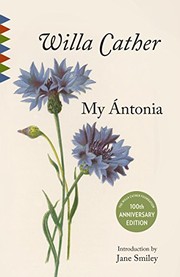
My Ántonia
2,918-word summary 13 min read 304 pages in the book
- First published
- 1918
- Publisher
- Houghton Mifflin
- Pages
- 304
- ISBN
- 9780525562863
Reading options
What's inside (7 sections)
I picked up My Antonia after a friend kept telling me it was the rare classic that feels quiet instead of heavy. I expected a schoolroom prairie story with bonnets and moral lessons. What I found was stranger and warmer. First published in 1918 by Houghton Mifflin, it reads like someone opening a box of letters and trying to explain why one person stayed bright in memory while everything else faded.
The narrator is Jim Burden. He is not Cather herself, but he is close to her in background. He grows up in Virginia, loses his parents, and is sent as a boy of ten to live with his grandparents in Nebraska. On the same journey west he notices a Bohemian family in the immigrant car. That family holds Antonia Shimerda, then about fourteen, with her father and mother, her older brother Ambrosch, her younger sister Yulka, and a brother named Marek who has a mental disability and needs watching. Jim and Antonia arrive on the same vast stretch of grass within days of each other. He has a sturdy farmhouse waiting. She has a dugout in a hillside with an earthen roof.
That contrast drives the first part of the book. Jim lives with Josiah and Emmaline Burden, kind and orderly Protestants who have neighbors and credit at the store. The Shimerdas have almost nothing, little English, and no sense of how to farm this particular soil. Antonia mothers her family at once. She begs Jim's grandmother for teaching, points at the book in her hands, and learns words fast. Jim teaches her English in exchange for her stories. They run together on the prairie, find a dog town, lose themselves in tall red grass, and stare at the sun going down in a way that makes Jim feel small and held at the same time.
Cather lets the land set the pace. The grass moves like water. The sky takes up most of the page. The wind never quite stops. Jim lies on his back in his grandmother's garden one day and feels himself spread out under the air until he has no edges.
That is happiness; to be dissolved into something complete and great.
It is one of the few lines I marked because it explains Jim better than any plot point. He wants to belong to something larger, and Antonia seems to belong to it without trying.
Two families on the divide
Book one is called The Shimerdas, and it stays close to that household through one brutal year. Mr Shimerda is the saddest figure here. Back in Bohemia he was a weaver and a violin player, a man used to music and company. On the Nebraska divide he is lost. He cannot farm. He cannot speak to his neighbors. He plays his violin less and less. His wife scolds and pushes. Ambrosch grows sullen and grasping. Antonia works outside with the boys and tries to keep peace.
Two neighbors shape this stretch. Otto Fuchs, an Austrian hired man with a sharp tongue and a loyal streak, does much of the outdoor work for the Burdens and helps the Shimerdas when pride would stop other men from asking. Jake Marpole, younger and softer, rides with Jim and tells stories that make farm labor sound like adventure. Then there are the Russians, Peter and Pavel, living a little distance off. They keep to themselves because they carry a terrible memory from home.
The wolf story is the one everyone remembers from this section. Peter and Pavel tell how, years earlier in Russia, they were part of a wedding party crossing the steppe in sledges when wolves chased them. To save themselves they threw first the bride and groom to the pack, then others, and rode on alone. Whether every detail is true matters less than what it does in Nebraska. The tale hangs over the settlement. It tells Jim that the old country was not a song. People left because hunger and fear pushed them. It also tells us why Pavel drinks and broods and why Peter stays gentle with animals. When Pavel dies, his confession leaves Jim shaken for weeks.
Winter comes hard. This is the famous Cather winter, with snow that erases fences and cold that cracks skin. The Shimerdas run short of food and fuel. Jim's grandparents send what they can without making it feel like charity. Mrs Shimerda, proud and sharp, both begs and resents help. Then, just after Christmas, Mr Shimerda walks out to the barn with a shotgun and ends his life. He leaves no note that explains enough. Jim remembers the sound and the stillness after. The neighbors build a coffin, argue about where a suicide can be buried, and finally lay him at the corner of the farm where two roads cross, a spot that stays unplowed for years. Antonia weeps without hiding it. She says her father was not meant for this life and that the country killed something tender in him.
I found this the strongest writing in the book. Cather does not preach. She shows a man who loved beauty placed where beauty is vast but hard to eat. She shows a girl who has to grow up in a week.
Good seasons and hard work
After the funeral the tone lifts without turning false. Spring returns. Antonia hires herself out a little, then works her father's land with Ambrosch. She learns to plow, to husk, to handle horses. Jim helps where he can and brags about her strength to anyone who will listen. One summer afternoon they find a great rattlesnake coiled in a prairie dog town. The snake is thick as a fence post and angry. Otto comes with a spade and kills it, but Jim tells the story later as if he faced it alone, and Antonia teases him for it. It is a small scene, but it shows how memory works in this book. Jim polishes moments until they shine.
Other summer scenes carry the same light. There is a threshing day with neighbors shouting and eating cold chicken. There is a melon patch where the children gorge themselves and wipe their mouths on their sleeves. There is a famous moment when Jim and Antonia watch a plow left standing on the rim of the world at sunset, black against molten light, and it looks for a minute like a picture of labor lifted into the sky. Cather loved that image. She returns to work as proof of worth. People who labor with care keep their dignity even when money stays thin.
Antonia changes in these chapters. She grows tall and brown from sun. She laughs easily. She quarrels with Ambrosch when he treats her like a hired hand rather than a sister. She stays devoted to Yulka and Marek. She tells Jim she wants to have many children and a house full of noise someday. Jim, younger by three or four years, adores her without fully seeing her. He sees a sister, a playmate, a promise of the West. He does not yet see the cost she pays to hold her family together.
A short paragraph to be plain about it. This middle stretch can feel slow if you want twists.
It is chores and meals and weather. Yet I liked the slowness once I gave in to it. It makes the later loss of this life feel real.
Black Hawk and the hired girls
About halfway through, the Burdens leave the farm and move into Black Hawk, the nearest town. The reason is practical. Grandfather wants rest. Grandmother wants church and company. Jim wants school. The move shifts the book from field to street, from weather to people.
The Shimerdas stay on the farm a while, but Antonia soon comes to town as a hired girl. She works first for the Harlings, the leading family nearby. Mr Harling is a grain buyer with a quick temper. Mrs Harling is brisk and fair and runs a loud house with children Frances, Julia, Sally, and Charley plus a baby. Frances, the eldest daughter, keeps the books and helps Jim with his Latin. The Harling kitchen becomes a center. Antonia rules it with singing and gossip and endless energy. Jim eats there, studies there, and follows Antonia the way a younger brother follows an older sister who knows everyone.
Town brings new friends. Lena Lingard, a Norwegian girl with a lame foot made clever by her walk, sews dresses and jokes about marriage. She says she will not marry because she likes her freedom and her work. Tiny Soderball, Swedish and quiet, waits tables and saves every coin. Anna Hansen and Mary Dusak round out the group people call the hired girls. They are country girls working in town kitchens and hotels, looked down on by some town mothers and courted by every boy with sense. Cather clearly loves them. She gives them wit and appetite and plans.
Music fills these chapters. The boys go to the Firemen's Hall dances and to a tent run by a traveling man named Vanni where the hired girls dance with farmhands. Antonia dances till her shoes wear thin. Mrs Harling forbids it, fearing talk and late hours, and Antonia chooses dancing over the job. She leaves the Harlings for the Cutters. Wick Cutter is the town moneylender with a bad name and a wife who knows it. Everyone warns Antonia. She laughs and says she can take care of herself.
The Cutter episode is the darkest in town. Cutter has long wanted Antonia and tries to force himself on her one night when his wife is away. By luck Jim is sleeping in Antonia's room that night because Antonia is staying with the Harlings after a quarrel. Cutter attacks Jim in the dark, beats him, and flees when he finds a boy instead of the girl he expected. Jim wakes bloody and sick. Mrs Cutter later sues for divorce talk and town gossip spins for weeks. Antonia quits the Cutters and goes home to the farm. Jim feels shame and pride mixed together. He defended her without planning to, and he carries the marks for days.
There is also Blind d'Arnault, a Black pianist from the South who plays one night at the Harlings. He is huge and blind from birth, with a mother who led him to the piano as a child. He plays rote pieces, then hymns, then something of his own that sounds like prairie wind and train whistles to Jim. The room goes still. Cather uses the scene to say what she thinks art does. It takes a hard life and turns it into sound people can share for an hour.
I should note a weak spot here. Jim drifts through town as an observer. He studies, walks, watches girls, and reports. He seldom has to choose. That makes him likable but thin. Antonia and Lena do the living while he takes notes. If you need a hero who acts, you may grow impatient.
College, Lena, and leaving home
Jim finishes high school in Black Hawk and goes to the university in Lincoln. Cather moves fast here. The prairie shrinks to letters and summer visits. Jim rooms in town, studies Latin and Greek, and falls under the care of Gaston Cleric, a teacher who loves Virgil and sees promise in the farm boy. Cleric reads with him in the evenings. They talk about old farmers and new land, about how poetry remembers work that history forgets. Jim soaks it up.
Lena reappears in Lincoln. She has set up as a dressmaker with Tiny for a time, then on her own terms. She is pretty in a calm way, funny about men, firm about money. She invites Jim to suppers, fits his friends for suits by eye, and lets him walk her home without promising anything. They kiss a little and talk a lot. She tells him marriage would spoil her trade and her peace. He tells her he wants to study and make something of himself. Neither lies. Their affection stays light and honest, which feels modern for a book from 1918.
Critics often call this third book a pause, and I see why. The plot loosens. Jim idles between classes and fittings. Lena sews. Cleric quotes. Tiny saves to go west. Then Cleric leaves Lincoln for Harvard and Jim follows him east after two years. He finishes at Harvard, studies law, and moves to New York. Antonia stays behind in his letters, then out of them. The distance grows without a fight. That felt true to me. Friendships from youth often end not with a slammed door but with fewer stamps.
A note on money and class runs through these pages without Cather stopping to lecture. The hired girls earn, save, and rise. Tiny later does well in Seattle during the Alaska rush, feeding miners and buying land. Lena builds a dress business and keeps her independence. Antonia works for wages and sends money home. Jim climbs by school and law. Cather respects all these paths, but she gives school to the boy and work to the girls. A present day reader may notice how narrow the road stays for Antonia compared with Jim. He gets Latin and Harvard. She gets kitchens and fields. Cather sees the gap even if she does not scold it.
Antonia grown and the long return
The last movement hit me hardest. Jim becomes a successful lawyer in New York. He marries Genevieve Whitney, a rich and active woman who likes causes and company. The marriage is childless and cool. Jim rides trains, argues cases, and thinks of Nebraska when the city tires him. He does not see Antonia for twenty years.
When he finally returns, he finds her changed and unchanged. She eloped years earlier with Larry Donovan, a railway conductor with smooth manners and empty pockets. Donovan left her pregnant and never came back. Antonia bore the child alone, faced shame in Black Hawk, and went back to work on the farm with her brother. Later she married Anton Cuzak, a Bohemian who knew trouble himself, and together they built a life on rough land that others had passed over. They raised a large family, ten or eleven children with one lost young, in a house that grew by rooms as money allowed. They planted an orchard that should not have lived in that wind and made it live by care.
Jim walks out to the Cuzak farm on a summer day with a pounding heart. What he finds is noise and plenty. Children stare, then pull him into games. Boys show him the horse barn and the windmill. Girls bring bread and cherries. Anton brings out his old fiddle stories. Antonia, broader now, with work-worn hands and bright eyes, cries and laughs and feeds him. She shows him the cellar cave the boys dug for play, a cool burrow in the earth where they keep treasures. Jim crawls in with the little ones and feels twenty years fall away.
Cather does not make this a romance. Jim does not win Antonia. He never really courts her. He witnesses her. Antonia tells him she always felt he would do well, and he tells her she has been more to him than any success. They walk the fields in the evening. She names what each child can do. He sees that her face, lined by sun and worry, still holds the same eager look from the dugout days. He leaves promising to come back, and the book lets him keep that promise in memory if not on paper.
My complaint sits beside my affection here. Cather idealizes Antonia at the end. The many children are healthy, the orchard thrives, the husband is kind, the poverty has turned picturesque. Real life on that land broke many families. Cather knows it, since she showed the Shimerda hunger early, but she softens the Cuzak years to make a point about endurance. I accepted the softening because the feeling earned it, yet I noticed it. A reader who wants hard accounts of debt and drought may find this closing too warm.
Still, the final pages stay with me. Jim writes that Antonia has that something which fires the imagination, that she can stop breath for a moment by a look that shows the meaning in common things. He does not mean she is perfect. He means she gathers scattered life into a shape. After all his travel, he envies her rooted abundance. He boards his train east with the sense that the best of his youth was not his grades or his cases but a girl shouting English words into wind on the divide.
I closed the book thinking less about plot and more about attention. Who taught you to look? For Jim it was Antonia, Otto, his grandmother, Teacher Cleric in his way. For me, reading now, it was Cather herself. She asks you to watch work, weather, food, music, children, and to take them as serious matter. If you let her set the speed, the prairie opens. If you fight for speed, the middle will drag and Jim will annoy you. I would tell a friend to read it in long sittings, to let winter and harvest do their work, and to forgive Jim his distance. Antonia carries the light. That is the point, and Cather makes it hold.
FAQ
When was My Ántonia published?
It was first published in 1918 by Houghton Mifflin. The Vintage edition cited runs 304 pages with ISBN 9780525562863.
What happens to Antonia in Black Hawk?
Antonia works for the Harlings, leaves over dances, survives Wick Cutter's attack because Jim is in her bed that night, then returns to farm work before marrying Anton Cuzak.
Is My Ántonia part of a series?
No. It is a standalone novel. Jim goes east for school and law while Antonia stays west, and they meet again only after many years.
Similar books
Harriet the Spy
Eleven year old Harriet Welsch fills notebooks with honest, often cruel observations about her neighbors, until her classmates read one and turn her spy route…
2,510-word summary · 11 min read
Dead Poets Society
Keating tells Welton boys to seize the day and his secret club costs more than grades.
2,031-word summary · 9 min read
Anne of the Island
Anne leaves Avonlea for Redmond College, shares Patty's Place with friends, and learns to tell admiration apart from love.
2,766-word summary · 12 min read
The Outsiders
Outsiders retold: Ponyboy and greasers vs Socs, church fire, rumble, stay gold ache.
2,067-word summary · 9 min read

Anya's Ghost
A lonely Russian immigrant falls into a well, befriends the ghost trapped there, and discovers that the ghost's help comes with a dangerous price.
2,001-word summary · 9 min read
The Power of One
A boy in apartheid South Africa decides to become welterweight champion of the world, and the novel follows every mentor, fight, and loss that gets him there.
2,145-word summary · 10 min read

Little Town on the Prairie
In the spring after the Long Winter, fifteen-year-old Laura sews shirts, studies for a teaching certificate, and helps send her blind sister Mary to college.
2,071-word summary · 9 min read

Dumplin'
Willowdean Dickson enters her town's beauty pageant as a protest and discovers that confidence is harder to keep once she lets someone close.
1,922-word summary · 9 min read
Five Point Someone: What Not to Do at IIT
Three friends at IIT drift to a five-point GPA, mock the system, and break into a professor's office for an exam paper.
2,458-word summary · 11 min read

Clifford the Big Red Dog
Emily Elizabeth picks the smallest puppy in the litter, loves him as hard as she can, and wakes up to a dog the size of a house.
2,092-word summary · 9 min read

The Chosen
A shattered pair of glasses in a 1944 Brooklyn softball game starts a friendship between a Hasidic boy and his Orthodox neighbor, and their fathers pull them…
2,443-word summary · 11 min read

The Second Summer of the Sisterhood
Four friends share the traveling pants through a summer of grandmothers, first loves, and mothers who are learning to let go.
2,209-word summary · 10 min read

Aristotle and Dante Dive into the Waters of the World
Ari and Dante return for senior year in El Paso, navigating first love, AIDS, family grief, and the cost of being openly gay in 1987 Texas.
2,188-word summary · 10 min read

American Born Chinese
Three stories, a monkey king, a Chinese-American boy and a sitcom cousin, converge in a graphic novel about shame, assimilation and learning to accept yourself.
2,107-word summary · 9 min read

Someone Like You
Halley and her best friend Scarlett face a summer of grief, a surprise pregnancy, and Halley's dangerous first romance in Sarah Dessen's 1998 young adult novel.
2,218-word summary · 10 min read

Paper Girls, Volume 1
Four paper girls in 1988 Ohio chase a stolen walkie-talkie into a basement and stumble into a time war, flying dinosaurs, and an older version of themselves.
2,235-word summary · 10 min read

Clap When You Land
Two half sisters, one in Sosúa and one in Queens, discover each other after their father dies in a plane crash, in Elizabeth Acevedo's novel in verse.
2,890-word summary · 13 min read

Loveless
Georgia starts university sure she wants love, then learns she is aro-ace.
2,539-word summary · 11 min read
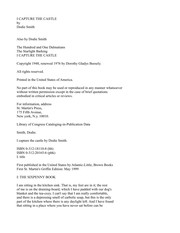
I Capture the Castle
Cassandra journals six months of love and money trouble in a castle.
2,402-word summary · 11 min read
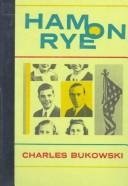
Ham on Rye
Henry Chinaski grows up rough in Depression Los Angeles and finds writing.
2,244-word summary · 10 min read

Since You've Been Gone
Shy Emily spends summer finishing her vanished best friend Sloane list of thirteen dares, finding Frank, Dawn, and courage.
2,566-word summary · 11 min read

The Interestings
Meg Wolitzer follows Jules Jacobson from 1974 arts camp into middle age, as friendship with Ethan and Ash turns into envy, money gaps, marriage strain, and…
2,990-word summary · 13 min read
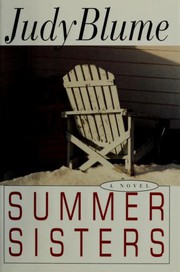
Summer Sisters
Vix and Caitlin share Martha's Vineyard summers from age twelve into adulthood, through first love, grief, marriage, and a disappearance that still haunts Vix.
3,633-word summary · 16 min read
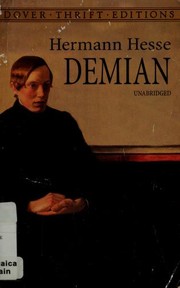
Demian
Hesse's 1919 German classic of Emil Sinclair, from Kromer blackmail to Demian, Abraxas, Beatrice and Frau Eva, ending in war: a short, strange guide to growing…
2,510-word summary · 11 min read
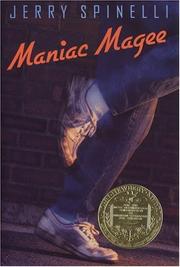
Maniac Magee
Orphaned Jeffrey Magee runs to Two Mills, becomes a playground legend, and tests a town split by race while hunting for a real home.
2,219-word summary · 10 min read

Almond
Yunjae, born with alexithymia, navigates grief and friendship with troubled Gon after losing mother and grandmother.
2,088-word summary · 9 min read
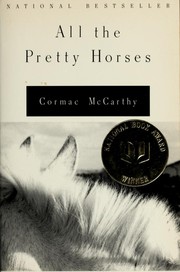
All the Pretty Horses
John Grady and Rawlins ride to Mexico for ranch work, finding love, prison, and a code that costs all.
2,677-word summary · 12 min read
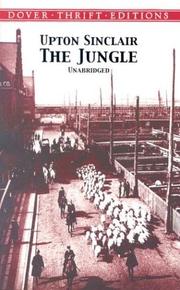
The Jungle
Jurgis Rudkus follows work to Chicago packinghouses, watches his family wear down from low pay and foul food, and ends by joining the socialists.
2,496-word summary · 11 min read
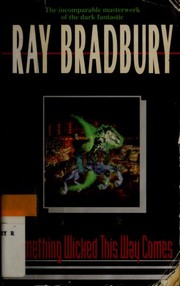
Something Wicked This Way Comes
Two boyhood friends meet a late October carnival that feeds on secret wishes, while Will's father learns how to fight it.
2,869-word summary · 13 min read