
Reading options
What's inside (8 sections)
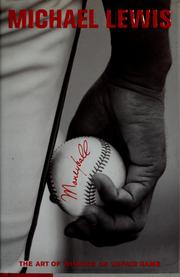
I picked up Moneyball because a friend who does not care about baseball told me it was really a book about work. He was right. Michael Lewis published it in 2003 with W. W. Norton and Company, and my reading follows the 288 page first edition. The full subtitle is The Art of Winning an Unfair Game, which sums up the bet pretty well. The Oakland Athletics had one of the smallest payrolls in Major League Baseball and kept winning anyway. Lewis wanted to know how.
The short answer is that the A's stopped trusting eyes and started trusting counts. The long answer involves a frustrated general manager, a Harvard graduate with a laptop, a night watchman turned baseball writer, and a lot of players nobody else wanted. It reads fast for a book full of numbers because Lewis tells it through people first. I finished it thinking less about home runs and more about how often smart rooms get things wrong on purpose.
This is a summary of the whole book, so I will walk through it in order and say where I think it strains. No baseball background needed. If you know what an out is, you know enough.
The poorest rich team in baseball
The book opens just before the 2002 season. The A's have just lost three stars. Jason Giambi, their best hitter, signed with the New York Yankees for money Oakland could never match. Johnny Damon left too. So did closer Jason Isringhausen. Reporters wrote the team off. Fans braced for a fall.
Lewis lays out the cash gap in plain terms. The Yankees spent more than 100 million dollars on players. Oakland spent around 40 million. That was not a small gap. It meant New York could pay for mistakes and Oakland could not. One bad contract in Oakland hurt for years. One bad contract in New York just meant signing someone else.
What made this fun to read is that Oakland did not act poor in a sad way. General manager Billy Beane acted annoyed. He had watched rich teams buy his players for years. He thought the whole market priced players wrong. Power hitters with pretty swings got paid. Guys who walked a lot did not. Speed got paid. Patience did not. Beane thought patience won games.
His office becomes the center of the book. It is cramped and tense during games. Beane cannot sit still. He paces, flips channels, refuses to watch in the stands. Lewis paints him as superstitious and restless, a guy who hates losing more than he enjoys winning. That tone carries the early chapters. You feel a small market team trying to solve a rich market problem with brains because it has no other choice.
The key idea lands early. Baseball keeps score in a way that lets you test beliefs. Every play leaves a record. Over 162 games, luck fades and patterns show. If you study those records with care, you can find skills that help teams score and prevent runs but do not cost much. Oakland decided to buy those skills and ignore the rest.
Billy Beane and the scar that made him
To explain why Beane trusted numbers over scouts, Lewis goes back to Beane as a kid. This part surprised me and stuck with me.
Beane was a high school star in San Diego in the late 1970s. He could run, throw, hit for power, look great in uniform. Scouts loved him. The New York Mets drafted him in the first round in 1980 and gave him a large bonus. Everyone expected a star.
He never became one. He moved up the minors and stalled. He could hit Triple A pitching but not major league pitching. He sat on Mets benches behind better outfielders. He got traded. He bounced to Minnesota, Detroit, Oakland. He retired with a thin major league record. Lewis writes this without cruelty but without softening it either. Beane was exactly the kind of player old scouting loved, and old scouting was wrong about him.
That failure shapes everything after. Beane joins the A's front office under Sandy Alderson, then takes over as general manager in the late 1990s. He hires Paul DePodesta, a Harvard graduate who had worked in Cleveland, as his assistant. DePodesta had no pro playing career. He liked data. Together they ask a rude question. What if the people paid to judge young players are bad at it.
Lewis fills in scenes from scouting rooms to show why the question bites. Scouts drive thousands of miles, watch teenagers in bad light, write reports about bodies and faces and attitudes. They praise a prospect for having a good jaw or a clean uniform. They worry if a kid has a girlfriend who might distract him. Beane had lived inside those reports. He knew how confident they sounded and how often they missed.
I liked this section because Lewis does not make Beane a hero right away. He shows a manty, impatient boss who can be hard on staff. He shows DePodesta as calm and odd in that world, a guy who talks about sample size while older men talk about heart. The clash feels real. One side trusts what it saw that afternoon. The other trusts what happened over three college seasons.
The point Lewis keeps circling is simple. Human judgment about athletic futures is weak. We fall for looks, stories, and recent highlights. Numbers forget faces and remember results. Beane wanted a system that forgot faces on purpose.
Bill James and the outsiders with calculators
If Beane is the muscle of the book, Bill James is the brain behind the brain. Lewis spends several chapters on him, and these were my favorite.
James worked as a night watchman at a pork and beans cannery in Kansas in the 1970s. In his spare hours he read baseball box scores and asked basic questions. Why do teams value batting average so much when getting on base matters more. Why do they pay for stolen bases when getting caught erases the gain. Why do they judge fielding by errors when range matters more. He typed up his answers in an annual pamphlet called the Baseball Abstract and sold it by mail.
Baseball people ignored or mocked him for years. Lewis captures that well. James wrote plainly and picked fights. He called scouting views foolish. He showed with simple math that some accepted tactics, like the sacrifice bunt with most hitters, gave away outs. Outs are precious. You only get 27 of them in a game. Giving one away to move a runner one base rarely pays.
From James grew a loose group Lewis calls the strange brotherhood. Statisticians, software engineers, lawyers, professors, people who played Strat O Matic as kids and never stopped. They traded ideas in newsletters and early internet forums. They gave the field a name, sabermetrics, from SABR, the Society for American Baseball Research. They cared about two offensive stats above all. On base percentage and slugging percentage. Add them and you get OPS, a rough but strong guide to making runs.
Lewis explains this without drowning you. Getting on base extends innings. Extra base hits drive runners home. Walks are not passive. They are production. Strikeouts for hitters are less awful than tradition claimed if the hitter also walks and hits for power. A fast runner who never gets on base helps less than a slow runner who always does.
The A's took this and priced it. If the market paid for batting average and speed, Oakland would shop for walks and doubles. Scott Hatteberg becomes the human example. Hatteberg was a catcher with a damaged arm who could not throw. Most teams saw a broken catcher. Oakland saw a hitter with strong plate discipline who could learn first base. They signed him cheap. The same logic led them to Chad Bradford, a sidearm reliever with an odd delivery who got outs but looked wrong, and to a group of college hitters other clubs passed over.
There is a funny and telling detail about how far this went. Oakland started asking prospects for their college stats before asking to see them swing. If the numbers were weak, they often skipped the trip. Scouts found this insulting. To them it felt like hiring without an interview. To Beane it felt like skipping a bad interview when the resume already told the truth.
The 2002 season and the streak
The middle of the book follows the 2002 A's game by game, and this is where the theory meets stress.
Oakland starts badly. The new bullpen blows leads. Hatteberg boots balls at first. Bradford gives up hits that find holes. Beane fumes and starts trading players who do not fit, even popular ones. Manager Art Howe, a decent man caught between the front office and the clubhouse, gets little say. Lewis does not hide the friction. Howe wanted veterans and bunts and stolen bases. Beane and DePodesta wanted youth, walks, and patience. The manager managed the lineup he was given and swallowed a lot.
Then the team clicks. Shortstop Miguel Tejada hits like a star and plays every day. Third baseman Eric Chavez fields and slugs. Outfielder Eric Byrnes brings energy. The Big Three starters, Tim Hudson, Mark Mulder, and Barry Zito, keep games close. Zito wins the Cy Young Award that year with his looping curveball. The bullpen settles.
The famous stretch arrives in August and September. Oakland wins 20 games in a row, at the time an American League record. Lewis writes the streak game by game, and the Hatteberg game stands out. On September 4 against Kansas City, Oakland blows an early 11 run lead and falls behind. Hatteberg, the converted catcher many called a failed experiment, hits a pinch hit home run in the ninth to win it. Beane, who refused to watch in person, celebrates in a tunnel. It is the most movie ready moment in the book, and Lewis earns it because he showed all the small moves that made the roster able to survive that night.
What I took from these chapters is how much losing early tested the idea. Beane nearly caved. He talked about firing Howe. He talked about trading young players. He kept checking whether the numbers still held. DePodesta stayed steady and argued that process beats panic. That argument is easy in May when you are calm. It is hard in May when you are 20 and 26 and talk radio wants firings. Oakland held, and then the math showed up in the standings.
The season ends with a familiar ache. Oakland wins 103 games, best in the American League West, then loses in five games to Minnesota in the first round of the playoffs. A short series can break anyone. A bad hop, a missed call, a cold week from two hitters. Lewis is honest about this. A system built for 162 games can look helpless in five. Critics pounced on that gap. Beane hated it but accepted the logic. Get to October often enough and one year the bounces go your way.
The draft and what the scouts missed
The most entertaining chapters cover the 2002 amateur draft. Lewis sits in the draft room with Oakland and shows two ways of seeing the same teenagers.
The old way loved high school athletes with speed and smooth bodies. They projected growth. They dreamed on tools. The Oakland way loved college hitters with loud numbers against decent competition. College stats gave larger samples. Wood bats in summer leagues helped too. If a kid raked with wood after raking in college, Oakland paid attention.
Lewis walks through names. Nick Swisher, an Ohio State switch hitter with power and patience, becomes Oakland's first pick. Jeremy Brown, an Alabama catcher built like a fireplug, becomes a test case. Scouts mocked Brown's body. Oakland loved his on base marks and pitch selection. They drafted him early and took heat for it.
The room scenes crackle because the scouts push back. They have spent months watching these kids. They have notes on makeup, families, coaches. DePodesta has spreadsheets. Beane mediates and mostly sides with the sheets. At one point Oakland takes a player the scouts barely filed. The groans are audible. Lewis lets the comedy play but keeps the point clear. Every pick reveals what you value. Oakland valued demonstrated skill at getting on base and hitting for power. Others valued speed, youth, and projection.
I found this section useful beyond baseball. It shows how hiring breaks when charm counts too much. A good interview can hide a weak record. A bad interview can hide a strong one. Oakland tried to fix that by weighting the record more. It did not always work. Some picks failed. Brown never became a star. But the method found value where consensus saw flaws, and over many picks that edge added up.
Lewis also notes the copycat problem starting right there in the room. Other teams listened. Boston, with new ownership willing to spend and think, hired Bill James as an adviser after the season. The secret was leaking while Lewis watched. That timing gives the book a wistful edge. Oakland found a gap because it was poor and brave. Gaps close once money notices.
What holds up and what wobbles
So does the argument survive contact with later years. Mostly yes, with marks against it that Lewis himself flags and that later seasons made clearer.
What holds up is the core market claim. Teams did misprice patience. Walks were cheap for a while because writers and fans found them boring. Oakland bought them, scored enough to support great pitching, and won 103 games twice on tiny payrolls. That is not luck. The 20 game streak gets headlines, but the two 100 win seasons matter more. Streaks need fortune. Repeating near the top needs method.
What also holds up is the critique of scouting bias. Lewis shows, with names and reports, how often experts confused looks with skill. Any reader who hires, drafts, recruits, or admits students will recognize the pattern. Confidence rises with vivid impressions. Accuracy often falls. Asking for larger samples and clearer criteria helps. Oakland did that in a stubborn, public way.
What wobbles is defense and pitching nuance in the first telling. Early sabermetrics measured offense better than defense. Lewis admits Oakland cared less about gloves in those years. Later work showed run prevention matters more than this book suggests and that some defensive value can be counted. Hatteberg at first and Jeremy Giambi in the outfield cost runs that the book waves past a bit fast. If you watch those 2002 games now, you see the trade.
The playoffs issue wobbles too, though Lewis is fair about it. He states the math plainly. A 162 game edge shrinks in a five game set. But he also lets Beane frame October failure as noise, which can sound like an excuse after early exits pile up. Rich teams can buy aces who tilt short series. Oakland could not. That is part of the unfair game too, and the book could press it harder. Process talk comforts front offices more than fans who watched Tejada go cold for a week.
There is also a people cost the book shows without fully facing. Art Howe reads as a good baseball man managed around rather than with. Scouts read as punchlines at times, even though their reports on character and health sometimes caught things numbers missed. The draft room comedy works, but a few of those mocked men had points about injuries and makeup that spreadsheets did not yet capture. Lewis gives them lines. He does not always give them wins.
None of this breaks the book for me. It makes it better than a victory speech. The lasting point is not that stats beat scouts. The lasting point is that markets beat habits when someone bothers to check prices. Oakland checked. Boston and others followed with bigger wallets. Prices moved. The edge faded. That cycle now plays out in every office with a dashboard.
If you want one practical habit from these pages, copy Oakland's draft checklist in plain form. Ask what the record shows over a large sample. Ask what the market underpays because it finds it dull. Ask what you are buying when you buy flash. Write answers before interviews, workouts, or tryouts sway you. You will still miss on people. Jeremy Brown reminds us of that. But you will miss a bit less, and in a long season a bit less is a lot.
The closing chapters follow Beane after the season, fielding calls and watching Boston adopt his playbook with cash to spare. He stays in Oakland for reasons that mix loyalty, comfort, and pride. Lewis ends not with a trophy but with a question that still bites. In a sport with no salary cap, how should we credit a poor team that keeps winning without winning it all. I closed the book admiring the wins and feeling the sting. The A's proved the unfair game could be played smarter. They did not prove it could be made fair.
For readers new to Lewis, this is a fine entry point before Liar's Poker or The Big Short. For baseball fans, it pairs well with a season of box scores read slowly. For managers, it works as a short course in pricing skill. Just do not expect a manual with clean steps. Expect a story about a team that counted walks while others counted muscles, won enough to scare rich clubs, and learned that being right is not the same as being crowned.
FAQ
When was Moneyball published?
W. W. Norton and Company published it in 2003. The first edition runs 288 pages with ISBN 9780393057652.
Is Moneyball only for baseball fans?
No. Lewis frames the 2002 Oakland season as a market story about pricing skill, hiring, and trusting samples over impressions.
Does the book oversell stats over scouts?
Partly. It proves offense was mispriced but gives short treatment to defense costs, playoff variance, and character notes scouts sometimes caught.
Similar books
The Big Short: Inside the Doomsday Machine
Outsiders who read the bonds shorted subprime and watched the machine eat itself in 2008.
2,194-word summary · 10 min read
The Total Money Makeover: A Proven Plan for Financial Fitness
Dave Ramsey lays out seven Baby Steps, from a $1,000 starter fund to a paid-off house, with the debt snowball at the center.
2,663-word summary · 12 min read

The World Is Flat: A Brief History of the Twenty-first Century
Thomas L. Friedman's 2005 bestseller argues that technology, trade, and open borders leveled the global playing field, and it names the ten forces that did it.
2,369-word summary · 11 min read
The Black Swan
Taleb argues rare shocks shape history more than models admit, and urges safer exposure over prediction.
2,588-word summary · 12 min read
The Millionaire Next Door
Stanley and Danko survey wealthy Americans and find frugal savers living next door, not big spenders, in this 1996 money study.
2,466-word summary · 11 min read

SuperFreakonomics: Global Cooling, Patriotic Prostitutes And Why Suicide Bombers Should Buy Life Insurance
Levitt and Dubner apply incentives to prostitutes, suicide bombers, doctors, and climate fixes with cheeky data.
2,007-word summary · 9 min read
Predictably Irrational
Behavioral economist Dan Ariely shows why we overpay, procrastinate, and misjudge through simple experiments.
2,183-word summary · 10 min read
Zero to One: Notes on Startups, or How to Build the Future
Thiel argues monopolies create value through vertical progress, not by copying competition.
2,582-word summary · 11 min read
The Blind Side: Evolution of a Game
Michael Lewis traces how the left tackle became a premium position and tells the story of Michael Oher, a homeless Memphis teenager whose size and speed made…
2,038-word summary · 9 min read
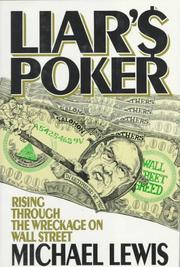
Liar's Poker
Michael Lewis recalls his years as a Salomon Brothers bond salesman in the 1980s, when bluffing paid better than analysis and the mortgage machine was just…
2,405-word summary · 11 min read
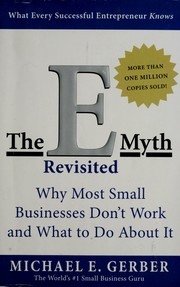
The E-Myth Revisited
Gerber argues that most small businesses are run by technicians who own a job rather than a business, and that the fix is a system that runs without them.
2,169-word summary · 10 min read
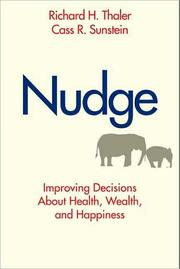
Nudge: Improving Decisions About Health, Wealth, and Happiness
Thaler and Sunstein show how defaults, framing, and social cues steer choices, and argue for choice architecture with an opt-out.
3,146-word summary · 14 min read
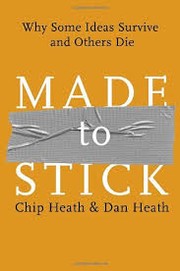
Made to Stick: Why Some Ideas Survive and Others Die
The Heath brothers break down why some ideas vanish on contact while others lodge in memory, tracing six traits that make a message stick.
2,527-word summary · 11 min read
The Magic of Thinking Big
Schwartz's 1959 self-help classic argues that success follows from the size of your thinking, supported by sales anecdotes, vocabulary drills and goal setting.
2,579-word summary · 11 min read

The Magnolia Story
How Chip and Joanna Gaines met, closed their first shop, nearly lost everything in a housing development, and built Fixer Upper.
2,994-word summary · 13 min read
Creativity, Inc.: Overcoming the Unseen Forces That Stand in the Way of True Inspiration
Pixar's president on why the studio that made Toy Story nearly broke itself, and the daily habits that kept the creativity coming.
2,179-word summary · 10 min read
The Hard Thing About Hard Things
A founder and CEO writes about the parts of running a company that no framework can fix, from layoffs and demotions to the loneliness of the job.
2,161-word summary · 10 min read
Prisoners of Geography: Ten Maps That Tell You Everything You Need to Know About Global Politics
Tim Marshall explains how mountains, rivers, coasts, and resources shape the choices of nations, from Russia's flat borders to the chokepoints of the South…
2,328-word summary · 10 min read
Evicted: Poverty and Profit in the American City
Desmond follows eight Milwaukee families and two landlords through a year of evictions, showing how losing a home causes poverty rather than just reflecting it.
2,032-word summary · 9 min read
Dare to Lead
Research on courage shows how leaders build trust through vulnerability and clear values.
2,442-word summary · 11 min read
Think Again
Adam Grant argues for holding views loosely and testing them like a scientist, moving past preacher, prosecutor, and politician habits at work and in debate.
3,204-word summary · 14 min read
The Art of Fielding
A flawless college shortstop loses his throw at Westish College, and five tangled lives must face failure and change.
2,519-word summary · 11 min read
Essentialism
McKeown argues for less but better: discern the vital few, refuse the trivial many, and use buffers, small wins, and steady routines so key work gets done well…
2,421-word summary · 11 min read
Empire of Pain: The Secret History of the Sackler Dynasty
How the Sackler family sold OxyContin and shaped an overdose crisis while giving to museums.
2,048-word summary · 9 min read
Drive: The Surprising Truth About What Motivates Us
Pink argues fair pay plus autonomy, mastery, and purpose at work beat carrots and sticks, using FedEx days, ROWE, flow, and clear Goldilocks tasks to explain…
2,339-word summary · 10 min read
The Five Dysfunctions of a Team
New CEO Kathryn unites warring execs through trust, conflict, and care.
2,029-word summary · 9 min read
Open
Tennis star Andre Agassi recalls hating tennis, falling to No. 141, and rebuilding his life on his own terms.
2,352-word summary · 10 min read
Emotional Intelligence
Goleman argues self awareness and empathy shape success more than IQ alone.
2,026-word summary · 9 min read
The Intelligent Investor
Graham's 1949 guide teaches Mr Market, margin of safety, and defensive versus enterprising plans for calm stock and bond investing.
2,423-word summary · 11 min read
In Her Own League
Baseball's first female owner clashes with her manager until banter turns to heat.
2,076-word summary · 9 min read