
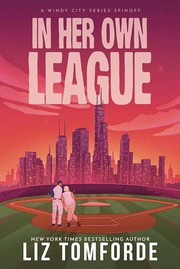
Reading options
What's inside (15 sections)
Tomforde has a formula that works: competent woman, decent man, high-pressure workplace, banter with actual jokes. This Windy City spin-off moves from hockey to baseball and barely misses a beat. Reese Remington owns a Major League team at an age when most owners are counting grandchildren. Emmett Montgomery manages it and resents her on sight. You know where this goes. Getting there is the fun.
I read it fast, which is the review. Four hundred pages felt like two. The baseball material is well researched without showing off, the power dynamics get real attention, and the leads talk like adults who want each other but have jobs to protect.
She owns the team
Reese Remington did not stumble into ownership. Years behind the scenes, a sharp mind for operations, a grandfather's legacy to carry: she has prepared for this role her whole working life. The public sees only a young woman in an old man's seat. Cameras follow her. Columnists grade her outfits alongside her trades.
Tomforde writes the scrutiny well. Every decision Reese makes gets read twice, once as baseball and once as gender politics. She cannot afford a slump, a scandal, or a visible feeling. The passages about her pregame routines, rehearsed answers, practiced calm, show the tax of constant performance without slowing the story.
Her isolation is the book's quiet theme. Staff defer, players test, family means well from a distance. Reese has competence coming out of her ears and almost nobody to be honest with. That vacancy is exactly Emmett-shaped, which both of them notice far too early for comfort.
He manages the field
Emmett Montgomery is a former All-Star turned field manager, old school in the good ways. He treats players like family and the diamond like church. Years of running the clubhouse his way make a new boss feel like interference, especially one who looks at spreadsheets the way he looks at batting averages.
His resentment reads as professional pride rather than cartoon sexism, which matters. Emmett doubts Reese's baseball judgment at first, not her right to exist. When evidence mounts that she knows the game, he adjusts, grudgingly then fully. Tomforde lets him be wrong without making him a villain.
The away-game sequences do great work for the romance. Long flights, bad hotels, dugout hours: forced proximity with a professional excuse. Emmett sees Reese handle a crisis with a cool head. Reese sees Emmett take a rookie's panic seriously at 2 a.m. Respect arrives before desire, which makes the desire land harder.
Banter into boundaries
The middle runs on banter that actually earns the label. Dugout sparring, press-conference chess, late-night texts that both pretend are about lineups. Tomforde has a gift for flirtation that reveals character instead of pausing it. Every joke teaches you something about how these two think.
Boundaries blur in stages rather than all at once. A hand on a shoulder during a losing streak. A shared umbrella that neither mentions. A closed office door that stays closed a minute too long. Both know the stakes. An owner-manager affair would detonate both careers, and the book never pretends otherwise.
The first kiss lands about where it should, late enough to ache, early enough to complicate everything after. From there the tension shifts from will-they to how-can-they, which is the harder and better question.
The season tests them
Baseball provides real obstacles, not wallpaper. A losing skid turns every glance into a headline risk. A player's slump needs handling that looks like favoritism if she helps and cruelty if she does not. Someone leaks something, because someone always does in these books, and the fallout forces choices neither wanted to make facing cameras.
Reese's arc peaks when she stops managing perceptions and starts managing truthfully, accepting that some people will call confidence arrogance no matter what. Emmett's peaks when he defends her publicly at cost to himself, spending clubhouse capital he saved for years. Both gestures feel earned because the book built the currencies carefully.
The ballpark finale delivers the required swoon with enough specificity to avoid mush. A particular play, a particular look, a decision about next season made together but announced separately. Sports romance lives or dies on whether the sport matters. Here it matters.
Easy joy, honestly earned
This is Tomforde's easiest book to recommend to newcomers. No prior Windy City knowledge needed, though familiar faces pop up for fans. The power-gap ethics get more thought than the genre usually gives: Reese holds structural power, Emmett holds cultural power, and both know it.
Complaints are mild. The third-act misunderstanding leans familiar, and one rival executive is thin. The spice runs hot and frequent, which will suit the audience and deter no one reading this far. At 416 pages it never drags, which is rarer than it sounds.
Read it for competence porn with a pulse. Reese and Emmett are good at their jobs and bad at resisting each other, and watching both truths win makes for a very good time.
Tomforde's universe expands
Windy City readers arrive with expectations: banter, found family, men who communicate, spice with feelings attached. This spin-off delivers all of it in a new ballpark. Familiar faces appear in dugout-adjacent roles that reward longtime fans without confusing newcomers. The crossover moments feel like catching up with friends, not homework.
What is new here is the heroine's structural power. Past Tomforde leads earned authority through talent. Reese inherits it through family, then must prove she deserves what she was given. That insecurity gives her a different flavor from previous leads. Her competence is real and her legitimacy anxiety is realer, and the book lets both coexist.
Baseball itself gets the loving treatment hockey received in earlier books. Lineup logic, bullpen politics, road-trip grind: all present and correct. Tomforde clearly did her homework or loves the game, probably both. Sports readers will find plenty to nod at. Romance readers can skim the box scores safely.
Power, examined
The book thinks harder about power gaps than most in the genre. Reese's ownership power versus Emmett's clubhouse power creates a genuinely interesting imbalance. She can fire him. He can lose the room for her. Both hold nuclear options, which makes their careful negotiation of consent and professionalism ring true.
Workplace ethics get real page time. HR exists in this book. Policies get cited. Characters worry aloud about appearances in ways that show awareness rather than paranoia. When lines get crossed, the book acknowledges the crossing instead of hand-waving it with love. That maturity elevates the whole enterprise.
Gender politics stay grounded in specifics. A columnist's condescending profile. A sponsor dinner where Reese gets mistaken for staff. An owner meeting where she must be twice as prepared for half the credit. Each incident is small. The accumulation exhausts, which is exactly the point Tomforde wants to make.
The season's pleasures
Small pleasures abound. Dugout dialogue crackles. A rookie's superstitions provide running gags. Food scenes, Tomforde's secret weapon across all her books, deliver again: late-night diners, clubhouse spreads, one perfect hot dog opinion. The sensory details keep the long season from blurring.
Emmett's coaching moments with struggling players add depth beyond romance. He sees fear behind slumps and addresses it with patience learned the hard way. These scenes explain why his players would run through walls for him, which in turn explains why Reese falls for the leader, not just the man.
The finale balances swoon with sense. Career decisions get made on professional merits with romantic hopes attached, not the reverse. Both leads end the season employed, respected, and together, which in this genre counts as subversive. Happiness here includes health insurance and good process.
An easy recommendation
Hand this to sports-romance skeptics. The banter converts, the consent practices reassure, and the baseball feels lived-in. Hand it to Tomforde fans first, obviously. They have been waiting for this corner of the universe, and it delivers.
At 416 pages it earns its length. No filler arcs, no villain ex machina, just a season played out with attention and affection. The rare romance where the job plot could stand alone. Reese owns the team. Tomforde owns the genre right now.
Baseball, got right
Sports romance often treats the sport as set dressing. Tomforde treats baseball as a second language her characters think in. Lineup construction as argument. Bullpen management as trust exercise. Slumps as psychology. Readers who know the game will catch layers casual fans miss, and neither group will feel lost.
The road-trip grind gets its due. Commercial flights, bad coffee, hotel beds, time zones as relationship obstacles. The season's physical toll shows on bodies and moods. Injuries get treated as career events with real stakes rather than plot devices. A pitcher's sore shoulder carries genuine dread because livelihoods hang on ligaments.
Front-office mechanics add fresh texture for the genre. Trades, budgets, press obligations, sponsor appeasements: Reese navigates systems most romance leads never touch. Her competence in these scenes is specific, not asserted. She reads reports, asks sharp questions, remembers answers. Owning the team means owning consequences, and the book shows both.
Emmett's coaching eye complements her executive view. Where she sees numbers, he sees people. Where he sees loyalty, she sees liability. Their perspectives clash productively all season. The book suggests good organizations need both lenses, which is smarter than most boardroom subplots in any genre.
The romance shelf
Against fellow 2026 sports romances, this one stands out for its workplace seriousness. The F1 books and hockey books lean harder on escapism. Tomforde keeps one foot in escapism and one in HR reality. That balance gives the love story more weight. Stakes feel real because jobs feel real.
The banter deserves its reputation. Fast, warm, specific to these two minds. Baseball metaphors never overwhelm. Teasing stays affectionate without defanging. Arguments reveal values rather than manufacturing drama. Readers highlight whole exchanges, and I understand why. The dialogue crackles on the page the way good dugout chatter crackles in July.
Spice-wise, this sits at the hotter end of Tomforde's catalog while keeping her signature emotional explicitness. Scenes serve character beats rather than interrupting them. Consent practices get modeled without lectures. The couple talks, checks in, adjusts. Workplace romance should take notes on making heat and care coexist.
Who wins the season
Newcomers sometimes ask about reading order. Start here or with Mile High. Both introduce the universe cleanly. Windy City completionists should read the earlier books first for cameo payoffs, but nothing here requires homework. The spin-off designation is accurate. Same world, new diamond.
Reese ranks among Tomforde's best leads. Competent without coldness, guarded without game-playing, funny in the dry way of people used to being underestimated. Her growth involves accepting help as strength rather than failure. That arc lands especially well for high-achieving readers who recognize the pattern.
Emmett charms as the rare love interest whose appeal is steadiness. He shows up, pays attention, does the work. No tortured past driving plot, just a decent man learning to share control. In a genre of billionaires and bad boys, radical normalcy stands out. Readers will want to keep him.
Championship or not, the season satisfies. The final games matter because the people matter, which is the correct order of operations. Tomforde delivers another winner. Play ball.
Details that sell it
Small authenticities accumulate into trust. The smell of pine tar. The particular exhaustion of doubleheaders. Bus rides versus charters. Clubhouse food hierarchies. Tomforde either knows baseball clubhouses or researched them until she did. Either way, readers benefit.
Reese's game-day rituals reveal character economically. Checked lineups, lucky pens, calls to mentors. Pressure behaviors that humanize without slowing plot. Emmett's pregame stillness contrasts nicely. He watches. She acts. Together they cover the full range of leadership styles.
The press-conference chess deserves special praise. Beat writers probe for controversy. Reese deflects without lying. Emmett absorbs heat meant for players. These scenes show public relations as actual work rather than backdrop. Given Tomforde's day-job-adjacent research habits, the realism makes sense.
Family money backstory adds class texture often missing from sports romance. Reese's wealth insulates and isolates. Emmett's working-class rise informs his loyalty to players. Their different relationships to money cause friction that has nothing to do with love. Material life matters here, refreshingly.
FAQ
When was it published?
Entangled Publishing published it on March 3, 2026. It runs 416 pages with ISBN 9781649379795.
Do I need the Windy City books first?
It is a Windy City spin-off that stands alone; readers new to Tomforde can start here.
Who leads it?
Owner Reese Remington and manager Emmett Montgomery, plus players, staff, and family around the team.
Similar books

Catch Her If You Can
Yankees catcher Madden proposes a secret marriage of convenience to burlesque club owner Eve when two kids land on her doorstep.
2,187-word summary · 10 min read
The Proposal
Nik says no to a stadium proposal and rebounds with Carlos in flirty LA romance.
2,044-word summary · 9 min read

Just for the Cameras
A grumpy football star and a sunny flamingo keeper fake a romance for the cameras, then catch real feelings fast.
2,366-word summary · 11 min read
Drive Me Crazy
A rookie F1 team principal and her comeback-driver childhood crush must save their failing team without wrecking each other.
2,236-word summary · 10 min read

And Now, Back to You
Two rival Baltimore meteorologists get stuck covering a historic snowstorm together, and bickering turns into something softer.
2,407-word summary · 11 min read
By a Thread
A sharp assistant trains her grumpy fashion boss in manners and desire.
2,104-word summary · 9 min read
The Hating Game
Two executive assistants share an office, a rivalry, and a promotion neither will concede without a fight.
1,945-word summary · 9 min read

Caught Up
A Chicago pro baseball player and single dad hires a live in nanny, and forced proximity through kids and schedules turns care into slow burn romance.
3,181-word summary · 14 min read

Mile High
A Chicago hockey star and a new team flight attendant clash on every road trip until banter turns into care.
3,189-word summary · 14 min read
Shopaholic and Sister
Becky Brandon returns from a ten-month honeymoon to meet the half-sister she always wanted, then discovers that Jess is thrifty, prickly, and nothing like the…
2,591-word summary · 12 min read
The Ex Talk
Two rival public radio producers pretend to be exes for a dating show, then fall for each other while the lie grows.
2,389-word summary · 11 min read

Beautiful Stranger
After a betrayal, Sara Dillon moves to New York and starts a no-strings affair with a British stranger, only to find that control and intimacy are harder to…
2,015-word summary · 9 min read

Wait for It
A twenty-nine-year-old hairstylist raising her two nephews meets her new neighbor, a former Navy man mid-divorce, in Zapata's slow-burn romance about trust and…
2,154-word summary · 10 min read

Ten Big Ones
Stephanie witnesses a gang robbery dressed as a devil, and the Comstock Street Slayers put her on a list of people to kill.
2,062-word summary · 9 min read
Take a Hint, Dani Brown
A viral rescue video turns a PhD student and a grumpy security guard into internet couple goals, and the fake relationship they build to keep the attention…
2,005-word summary · 9 min read

Collided
Sophie bets she can resist playboy Liam, then pit walls fall.
2,219-word summary · 10 min read

Bridget Jones: The Edge of Reason
Bridget doubts Mark, takes a job with Daniel, and lands in trouble in Thailand.
2,198-word summary · 10 min read
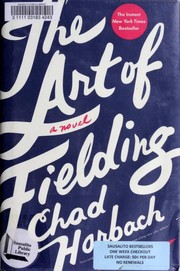
The Art of Fielding
A flawless college shortstop loses his throw at Westish College, and five tangled lives must face failure and change.
2,519-word summary · 11 min read
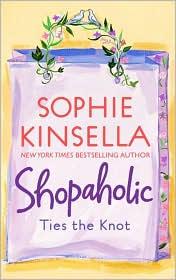
Shopaholic Ties the Knot
Becky Bloomwood plans two weddings at once while debts pile up and Luke's mother interferes.
2,218-word summary · 10 min read
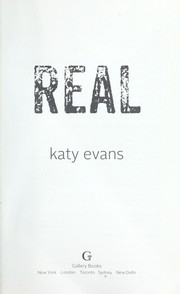

Playing for Keeps
Childhood neighbors Haley and Jason turn a long prank war into a fake relationship that turns real.
2,571-word summary · 11 min read

Hello Stranger
Portrait artist Sadie loses face recognition after brain surgery and must finish a contest piece while falling for two men.
2,210-word summary · 10 min read

The Takeover
An arrogant CEO and the sharp employee forced to staff his deal trade insults, trips and late nights across a long push-pull, until pride and jealousy force…
2,580-word summary · 11 min read

The Play
Briar U hockey star Hunter coaches quiet junior Demi in confidence and fake dating until real feelings break the plan.
3,080-word summary · 14 min read

Tangled
Told by a cocky businessman, a bet to win the new associate who rejects him turns into real pursuit, strict rules, a painful reveal and a wedding-level happy…
2,868-word summary · 13 min read

The Roommate
Uptight Clara shares a flat with porn star Josh and teams up to build ethical adult films for women.
2,362-word summary · 10 min read
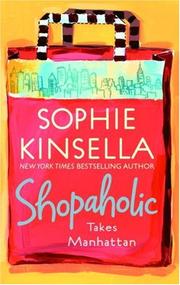
Shopaholic Takes Manhattan
Becky and Luke move to New York where shopping fame tempts her to ruin both.
2,025-word summary · 9 min read

Shopaholic and Baby
Pregnant Becky shops for the perfect nursery while Luke's ex becomes her obstetrician.
2,247-word summary · 10 min read
Seven Up
Stephanie hunts old mobster Eddie DeChooch, finds a body, a missing heart, and trouble from Morelli to Ranger.
2,798-word summary · 12 min read

My Not So Perfect Life
Katie chases London creative life while her perfect boss Demeter hides cracks, until a farm trip flips roles.
2,300-word summary · 10 min read