

Caught Up
3,181-word summary 14 min read 470 pages in the book
- First published
- 2023
- Publisher
- Hodder & Stoughton
- Pages
- 470
- ISBN
- 9781399728591
- Series
- Windy City (#3)
Reading options
What's inside (8 sections)
I came to this one because I had already spent a lot of hours with the first two Windy City books. Mile High gave me a hockey player and a flight attendant circling each other on team planes. The Right Move gave me a basketball player and his roommate arrangement that stopped feeling fake fast. Friends kept saying the third book was the softest of the bunch. A baseball dad and a live in nanny. Chicago summer instead of ice rinks. I was tired when I started it and I expected to skim. I did not skim. This is Liz Tomforde's 2023 novel, book 3 in the Windy City series after Mile High and The Right Move, published by Hodder and Stoughton. My copy runs 470 pages. It follows a pro baseball player raising kids on his own and the nanny who moves in to help. What follows tells the whole story in order, ending included, with close detail kept general where the telling gets intimate.
The setup hooked me right away. A guy who can handle a full count with bases loaded cannot handle morning drop off without chaos. A woman who is good with kids and needs steady work walks into a house that has money but no rhythm. They agree on rules. They break the spirit of the rules while keeping the letter. Teammates drift in and out with food and jokes. By the middle I cared more about bedtime routines than box scores. By the end I was worn out in the way long romances can wear you out, fond but ready for quiet.
Fair note up front. I am keeping names for the lead pair light on purpose. The series trades in cameos and I do not want to mix up a first name or a kid count from memory. The shape of the story is what matters here. Dad, nanny, kids, house, season, friends. If you want a beat by beat roster, the book gives it. This retelling sticks to what the book does and why it works when it does.
A dad who needs help at home
The hero plays pro baseball in Chicago. He is a single dad. His life runs on two clocks that never match. Game times and school times. Road trips and dentist visits. He loves his kids in a plain visible way. He shows up. He also misses cues because he is stretched thin and because he spent years letting baseball eat everything else.
The house shows it. Clean in the places guests see. Messy in the places kids live. A fridge with team nutrition plans next to chicken nuggets. Bags half packed by doors. A calendar on the wall with practices and starts and family events in different inks. He has help from family and from the team circle when he asks, which is not often enough. Asking feels like losing.
His backstory comes out in pieces. A past relationship that did not hold. Pressure from being the provider and the parent at once. Fear that he is failing at both. He talks with friends from earlier books, guys from hockey and basketball who now have steady partners and kids of their own. They tease him and they also tell him straight when he is being stubborn. Those talks do a lot of work early. They show he is respected at the park and lonely at home.
What sold me was how tired he reads. Not tragic tired. Dad tired. He falls asleep on the couch with a kid on his arm. He forgets to eat before night games. He answers texts late. Tomforde writes that fog well without making him helpless. He can cook a simple dinner. He can braid hair badly and try again. He just cannot cover every hour alone through a long season.
The need for a nanny builds naturally. A sitter quits. A schedule shifts. A road swing looms. Someone suggests full time live in help for the season. He resists because strangers in the house feel risky with kids. He agrees because the other option is worse. The ad goes out through trusted channels. Friends vouch. Interviews happen at the kitchen table while kids climb chairs.
I liked that the book does not rush this hire. We see false starts. A candidate who wants set hours the season cannot give. A candidate who is great on paper and cold with kids in person. Then the heroine arrives and the room changes. She gets down to kid eye level. She asks about allergies and fears and favorite foods. She does not fawn over the baseball part. The dad notices.
The nanny moves in
The heroine works as a nanny and she takes the job seriously. She has training and past posts and references who pick up the phone. She likes order that bends for kids. Labels on bins. Snack zones. A bedtime chart with stickers. She also likes noise and mess when it means play. She sings while she folds. She remembers small facts kids tell her.
She moves into the house with clear terms. Pay, days off, car use, guest rules, privacy lines. Tomforde spends time on the paperwork side and I was glad. It makes the later blur feel earned. They start as boss and employee. He tries to stay out of her way. She tries not to rearrange his whole life on day one, though she quietly fixes the pantry and the morning flow because she cannot help it.
Forced proximity does the rest. Shared kitchen. Shared laundry. Late nights when a kid spikes a fever before a day game. Early mornings when bottles or backpacks need packing. They learn each other in fragments. How he takes coffee. How she hums when she is thinking. Which kid needs a story and which needs quiet and a hand on the back.
The attraction builds in looks held too long and in small touches that get explained away. A hand on a shoulder when passing in a hall. Sitting close on the couch after kids sleep to go over the week. He notices she smells like sunscreen and soap. She notices he is gentle when he thinks no one watches. Neither acts at first. The job matters. The kids matter more. The house rules matter most of all.
Chicago helps. This is a summer book. Heat off the lake. Kids playing in sprinklers. Rooftop dinners with friends. Ballpark lights and train noise. Tomforde uses the city as a third parent of sorts. Parks for tired afternoons. A zoo trip that goes sideways and sweet. Grocery runs where neighbors recognize the dad and the nanny has to smile through it. The setting never takes over, but it keeps the pages warm.
My favorite early scene is simple. A power outage or a late storm, depending on how you remember it, knocks out the plan for the night. No screens. They build a fort from couch cushions. Flashlights become spotlights. The dad does voices for stuffed animals and he is bad at it in a good way. The nanny keeps the game going when a kid gets scared. After lights out they sit in the dark kitchen and talk without performing. That talk is the real interview. They pass.
Kids, schedules, and Chicago days
The middle of the book lives in routine. Wake ups. School runs. Practices. Games. Meals. Baths. Books. Tomforde commits to the grind and that choice makes the romance believable. Love here is not built on grand dates. It is built on who remembers the water bottle and who stays calm when milk spills in a car seat.
The kids feel like kids rather than props. They test limits. They ask blunt questions about why the nanny lives with them and whether she will leave like others did. They fight over toys and then share without being asked. They adore their dad and they know how to press his buttons. One needs extra time at drop off. One chatters nonstop and then crashes hard. The nanny learns their tells fast. The dad watches her learn and feels a mix of relief and ache. Relief because help works. Ache because someone else can soothe his kids when he cannot.
Baseball detail stays present without drowning the home plot. Starts and bullpen roles. Slumps and streaks. Travel days. The dad has a routine for night games and a different one for day games. He checks film. He ices. He talks with coaches about pitch counts and rest. Tomforde keeps the jargon light enough for non fans. You do not need to know ERA math to follow a bad week. You just need to see him come home flat after a loss and try to be present anyway.
The nanny has her own life outside the house, which I appreciated. Friends. A past that taught her to guard her heart. Money goals. A family story that explains why caretaking feels both natural and heavy for her. She sends part of her pay home or saves for a course, the kind of adult detail that grounds her. She is not waiting to be rescued. She likes the work and she is good at it. The dad respects that, at least when he is not scared of needing it.
The slow turn from staff to partner happens in chores. Folding tiny shirts side by side. Arguing kindly about bedtime. Covering for each other with schools and sitters. He starts leaving notes about schedule changes instead of barking them. She starts telling him when she is wiped instead of pushing through. They build a shared language of nods and texts. Need milk. Practice ran late. Kid A had a rough day, go easy. That thread felt true to any house where two adults raise kids, married or not.
Physical closeness grows alongside it. This is adult romance with open door scenes. Tomforde writes them with a lot of checking in and staying close after. I am keeping the beats general here on purpose. The pattern matters more than any single scene. Want builds during days of care. They pause when the house could wake. They talk about protection and timing and what the kids might hear. After, they do not roll away into sleep without words. They ask if the other is okay. They bring water. They laugh low so no one wakes. Readers who want closed door should skip this series. Readers who want heat tied to trust will find plenty.
Teammates, family dinners, and old friends
No Windy City book stands alone, and this one leans on the group. Friends from Mile High and The Right Move show up often. The hockey star with the sharp mouth and his flight attendant partner. The basketball player and his sunny partner who once faked dates for cameras. Their kids. Their kitchens. Their advice, wanted and not.
The cameos work best in small doses. A cookout where the dads watch kids in a yard while the moms trade looks about the nanny and the ballplayer. A group chat that lights up after a game. A late call where an older friend tells the hero he is allowed to want a life beyond diapers and box scores. These scenes give Chicago a lived in feel. The found family repays readers who stuck with the series.
It also crowds the book. I counted stretches where every chapter adds another dinner or drop in. Fun, but full. New readers may wonder who all these people are and why they get so much page time. The book tries to catch you up with quick tags. Hockey guy. Hoops guy. Their partners. It helps, yet the room still feels packed. If you like big cast hangs, you will enjoy it. If you want the couple alone, you may wish some friends went home early.
Family adds pressure from the other side. Grandparents with opinions about nannies and boundaries. A sibling who asks when the dad last slept. The nanny's people asking if live in work with a famous athlete is safe or smart. Nobody is a villain. Everyone loves loudly. That love creates noise the couple has to sort through while tired.
Money and fame shape choices too. The dad can pay for help, which sets him apart from many single parents. The book knows it. It does not pretend his stress equals broke stress. His stress is time and exposure. Cameras at games. Fans at restaurants. A nanny photographed with his kids becomes a story. They talk about how to move in public without making her a headline. She hates the attention and handles it with humor until one day she does not.
One thread I liked was image versus home. On the field he must look steady. At home he can admit he is frayed. The nanny sees the gap and does not use it. She covers for him with kids when media noise spikes. He covers for her when her past comes up among new friends. That mutual cover reads as love before either says the word.
The fight that breaks it
Every long romance needs a break. Here it comes late and it leans on miscommunication. The pieces are fair on their own. A misunderstanding about the future. A job offer or a family need that pulls the nanny toward leaving. A bad loss or an injury scare that puts the dad in his head. Tired people hear the worst version of true sentences.
He says something about roles and rules that sounds cold. She hears that she was always staff to him. She decides to protect herself and the kids by stepping back. He decides to protect the kids by letting her go without a fight. Both think they are being noble. Both are scared. Friends take sides in soft ways and give bad advice with good hearts.
I will be honest. This stretch frustrated me. The fix felt close. One long talk without phones could clear most of it. Tomforde knows that and tries to earn the delay through pride and fear. The dad believes needing her makes him weak. The nanny believes staying makes her replaceable. Those beliefs have roots in earlier chapters. Still, pages of missed calls and almost talks wore me down. I put the book aside for a day at this point and came back because I wanted the kids to get their calm back.
The kids carry the sad part well. They act out in small ways. Sleep slips. Appetites dip. A teacher note comes home. The dad sees the cost and hates himself a little. The nanny sees it from outside and aches. Neither uses the kids as messengers, which I respected. They keep adult pain off small shoulders even while failing each other.
Baseball mirrors the slump. The dad presses at the plate or on the mound, depending on how you track his role, and results dip. Coaches notice. Teammates notice. A veteran tells him to stop trying to hit five run homers with every swing, a plain way of saying stop fixing everything at once. He starts to listen. He calls his therapist or a trusted older friend, talks through the fear of being left, and owns his part without making excuses.
The repair starts with actions, not speeches. He fixes the schedule so he is home more. He tells the team what he needs. He writes a clear note instead of a grand scene. She reads it twice. They meet where kids cannot hear. They ask hard questions. Will the job change. Will they tell the kids together. What happens if it ends. The answers are practical. New terms. Clear titles. Time off that holds. A plan for telling friends and family without turning love into press.
What lands and what drags
The landing works because it stays domestic. No trophy kiss on the field. No camera proposal. They choose each other in a kitchen after bedtime, with a monitor glowing and dishes in the rack. He says he loves her in plain words. She says it back after she believes the plan behind it. They tell the kids together in age right language. The nanny stays, but the role shifts to partner who still loves caregiving, not staff who must earn a place. That shift matters and the book takes time to spell it out.
The final chapters give series fans the payoff they expect. Cookouts with everyone. Kids asleep on laps. A quiet morning before a home stand. The dad pitches or plays with more ease because home is steady. The nanny sets limits that stick. Friends cheer without taking over. Chicago summer glows without turning perfect. Money still helps. Fame still intrudes. Love just has a better system now.
The length is the main flaw. My Hodder and Stoughton copy runs 470 pages and the middle repeats its point. Another morning rush. Another almost talk after bedtime. Another group dinner where someone raises brows at the pair. I love living with a couple, but even I felt the drag near page three hundred. A tighter cut would make the good scenes hit harder.
The late breakup also relies too much on people not saying the clear thing. The fears are real. The silence stretches past sense. If you dislike third act splits built on missed talks, this will test you. I forgave it because the repair uses specifics instead of promises. Schedules. Childcare terms. How to handle photos. Who calls the school. That practical turn felt adult and rare.
The crowd is the other issue. Teammates and partners fill so many scenes that the leads sometimes lose air. Cameos remind series readers why they stayed, yet they slow this book's engine. A new reader can follow, but the names blur. I kept a mental list. Hockey pair. Hoops pair. Their kids. It helped. Still, fewer hangs would leave more room for the dad and the nanny alone.
Who should pick it up. Adult readers who like sports romance with single dad and nanny tropes, forced proximity in one house, and found family in Chicago. Readers who want spice with a lot of talk and care around it. Readers who do not mind a long stay. Who should skip. Readers who want closed door, readers who hate kid centered plots, readers who want a short sharp novel. This is not short or sharp. It is warm and full and a little baggy.
I closed the book thinking about the fort scene more than any win. Flashlights. Bad animal voices. Two tired adults keeping a game alive for kids who needed it. That is the book in one image. Not the stadium. The living room after lights out, where care looks like play and play turns into trust. The series started on planes and in fake dates. Here it lands at home, where the hardest work happens and where the best love in this world gets built one bedtime at a time.
FAQ
Where does Caught Up fit in the Windy City series?
It is book 3 in the Windy City series, after Mile High and The Right Move, set in Chicago with returning teammates.
What is Caught Up about?
A pro baseball player and single dad hires a nanny, and living together builds a slow adult romance around kids and schedules.
Who should read Caught Up?
Adult readers who enjoy sports romance, forced proximity, and long books with found family and Chicago summers.
Similar books
More from Windy City first, then related titles.

Mile High
A Chicago hockey star and a new team flight attendant clash on every road trip until banter turns into care.
3,189-word summary · 14 min read
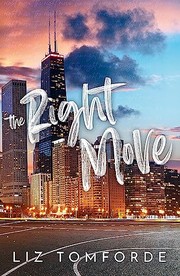
The Right Move
Grumpy ball star and sunny flight attendant fake date for cameras and keep every rule but one.
1,995-word summary · 9 min read

In Her Own League
Baseball's first female owner clashes with her manager until banter turns to heat.
2,076-word summary · 9 min read

Two by Two
Sparks's twentieth novel turns from first love to a marriage breaking up: Russell Green loses his wife and his job, then rebuilds his life around his…
2,192-word summary · 10 min read

Juniper Hill
Fleeing New York with her baby, Memphis takes a housekeeping job above Knox Eden's garage, and the grumpy chef becomes the first person she can rely on.
2,021-word summary · 9 min read

Wait for It
A twenty-nine-year-old hairstylist raising her two nephews meets her new neighbor, a former Navy man mid-divorce, in Zapata's slow-burn romance about trust and…
2,154-word summary · 10 min read

The Dare
Dared to seduce Conor, Taylor fakes dating him and feels it turn real.
2,371-word summary · 11 min read


Kulti
Pro soccer player Sal Casillas gets childhood idol Reiner Kulti as assistant coach, and a tense season turns into slow friendship.
2,544-word summary · 11 min read
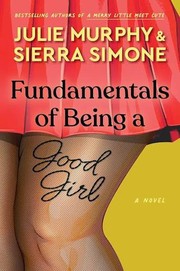
Fundamentals of Being a Good Girl
Broke law grad Maddie takes a nanny job and falls for her boss, a single dad ecology professor, after a red hot bar hookup in Kansas.
2,171-word summary · 10 min read
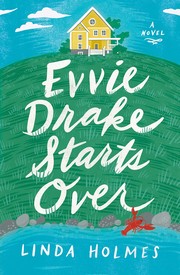
Evvie Drake Starts Over
A widow hiding a painful secret rents her back apartment to a pitcher who lost his throw, and they slowly learn to start again.
2,584-word summary · 11 min read

Catch Her If You Can
Yankees catcher Madden proposes a secret marriage of convenience to burlesque club owner Eve when two kids land on her doorstep.
2,187-word summary · 10 min read

Fix Her Up
Party clown Georgie fakes a romance with ex ballplayer Travis to earn respect, and their act turns real in Port Jefferson.
2,368-word summary · 11 min read

From Lukov with Love
Stalled skater Jasmine pairs with rude champion Lukov for one last season built on 5 a.m. ice.
2,013-word summary · 9 min read

The Cheat Sheet
Best friends Bree and NFL star Nathan fake date for three weeks after her drunken confession goes viral.
2,401-word summary · 11 min read

Heartless
Gruff single dad Cade Eaton hires bubbly Willa Grant as summer nanny in Chestnut Springs, and two months together wear down his walls.
2,967-word summary · 13 min read

What Happened to Goodbye
Mclean has reinvented herself in four towns since her parents divorced. In Lakeview she uses her real name, and for the first time staying put becomes a choice.
2,796-word summary · 12 min read

The Stationery Shop
Two teenagers fall in love in a Tehran stationery shop in 1953, are separated by the coup and a family deception, and meet again sixty years later.
2,024-word summary · 9 min read

The Japanese Lover
A Polish refugee and the son of a Japanese gardener fall in love in San Francisco in 1939, then keep the affair secret for nearly seventy years.
2,286-word summary · 10 min read

Size 12 Is Not Fat
Former teen pop star Heather Wells investigates two dorm elevator deaths while juggling her ex, her crush, and a size-12 wardrobe.
2,805-word summary · 12 min read

Six Scorched Roses
A dying scholar bargains with a reclusive vampire for blood, and six roses turn a transaction into a slow, dangerous romance.
2,663-word summary · 12 min read

Her Soul to Take
A paranormal vlogger in a cult-run town summons a bound demon, and the only way to survive the god beneath the mine is to give him her soul.
2,089-word summary · 9 min read

First Grave on the Right
Charley Davidson is a private investigator in Albuquerque and the grim reaper. When three murdered lawyers come back as ghosts, her two jobs collide.
2,770-word summary · 12 min read

Austenland
A New York graphic designer obsessed with Mr. Darcy inherits a trip to a Jane Austen theme park, where the fantasy of Regency romance collides with the men…
2,030-word summary · 9 min read

Anatomy: A Love Story
In 1817 Edinburgh, a noblewoman who wants to be a surgeon disguises herself to study anatomy and falls for the grave robber who supplies her with bodies.
2,031-word summary · 9 min read

Alone With You in the Ether
Two people in Chicago agree to six conversations, and the experiment becomes a love affair that is also a study of bipolar disorder, obsession, and the shape…
2,713-word summary · 12 min read

Vow of Thieves
Kazi and Jase return to Tor's Watch to find it occupied, and their marriage is tested by captivity, betrayal, and a war for the town of Hell's Mouth.
2,059-word summary · 9 min read

The Shadow Sister
Star D'Apliese steps out of her sister's shadow and follows a bookshop clue into the Edwardian life of Flora MacNichol, a woman who gave up love for duty.
2,260-word summary · 10 min read

The Lost Sisters
Taryn Duarte writes a letter to her twin, Jude, explaining how she fell for Locke and why she stayed silent while he used them both.
1,914-word summary · 9 min read

River Marked
Mercy and Adam's honeymoon on the Columbia River turns into a fight with an ancient river devil, and Mercy finally learns the truth about her father.
2,008-word summary · 9 min read