
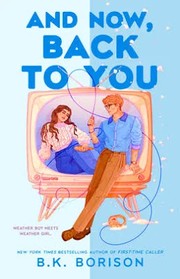
And Now, Back to You
2,407-word summary 11 min read 464 pages in the book
- First published
- 2026
- Publisher
- Berkley
- Pages
- 464
- ISBN
- 9798217190867
- Series
- Heartstrings (#2)
Reading options
What's inside (7 sections)
I picked up And Now, Back to You because I had a very specific craving and a very limited window. I wanted a romance that felt like a snow day, the kind where you cancel everything and stay inside with tea, and I had just finished First-Time Caller and liked the way B.K. Borison writes people who talk for a living but cannot say what they mean at home. This is the second book in her Heartstrings series, published by Berkley in 2026 at 464 pages, and it follows two Baltimore meteorologists who have hated each other in public for years and are about to get trapped together during the storm of the century. I read most of it in one weekend with the heat cranked up, which felt correct.
What sold me early is that the rivalry is not abstract. Jackson Clark and Delilah Stewart work across the street from each other on what locals call Broadcast Hill, him on radio at 101.6 LITE FM and her on television weather at YBAL, sharing a parking lot and a long history of small collisions. She once spilled pudding on his favorite shirt. She scratched his car door. He leaves notes on her windshield when she parks over the line, which she does constantly, on a schedule he has privately tracked. He thinks she treats weather like a costume party. She thinks he treats it like a tax form. Baltimore, in this book, is fully on her side. My favorite early detail is that his twin teenage sisters watch her broadcasts on purpose, partly for the forecast and partly to tease him, because nothing bothers an orderly older brother like his kid sisters adoring his nemesis.
Jackson Clark and his color coded life
Jackson is thirtyish, precise, and tired in a way I recognized immediately. He does a short radio weather and traffic hit every hour, thirty six seconds and gone, and spends the rest of his time managing station finances because spreadsheets calm him down. He wears his Tuesday shirt on Thursday only under duress involving peanut butter. He has an emergency pastry in the toaster oven. He rants about snow lightning for twenty three minutes when forced to fill airtime without a script, then remembers every second of it with horror. Borison gives him the kind of anxiety that is played for laughs but never treated as a joke, the kind where a blank calendar invite titled PLANNING can ruin a whole morning.
The bigger part of his life is Adeline and Penelope, fifteen year old twins he has raised since he was twenty. Their mother could not parent, custody hearings and social workers brought them to him when they were eight, and he has been trying to be steady for them ever since. One twin keeps her hair long, the other cut it herself at ten to look different and they both cried for two weeks, and now they move through his kitchen like a two person comedy act, stealing his breakfast and diagnosing his love life. They fall asleep to his voice on the radio. They text him at night. They tell him when he is being snippy, which is often, and when he should change his work hours, which he offers to do and they refuse because they know he loves the job. I liked this household a lot. It feels lived in, with an eighty six year old neighbor who babysits and cross stitches and complains about the pantry, and with rules about phones before school that nobody fully follows.
Jackson reads as a man who built a safe routine after an unsafe childhood and now mistakes the routine for the whole personality. He does not believe in fate. He believes in showing up, packing lunches, and keeping the same parking spot. He is also, quietly, lonely. He gave up the version of himself that had fun somewhere around the time he became a parent at twenty, and he has told himself that was a fair trade and that he does not miss it. The book does not rush to correct him. It just puts Delilah back in his path and lets his certainty wobble.
Delilah Stewart, hurricane in pastels
Delilah is the opposite in method but not in work ethic, and that distinction matters. On air she is bright, pun filled, fond of props and costumes, the reporter who will put on a turtle shell to welcome Domino the green sea turtle at the National Aquarium or dress like a jar of relish for Orioles opening day. Jackson sees that and reads it as not respecting the weather. What the book shows, slowly, is that she respects it plenty. She just thinks regular people will care more if you give them a reason to look up.
Off air she is messier. Mismatched clothes, lunch stains, a car parked like a rumor, a history of breaking Jackson's belongings without meaning to. But she is also ambitious in a specific way. She wants to be taken seriously as a journalist, not just as the cheerful weather girl, and she knows the station does not always see her that way. That hunger drives her side of the plot. When the big storm assignment opens up, she does not just want airtime. She wants proof she can handle a serious story, the kind with stakes and science and live conditions, and she is willing to bargain for it.
What I appreciated is that Borison does not make her chaos cute at everyone else's expense. Delilah knows she is a lot. She apologizes when it counts and she works hard when the camera is off. Her optimism is not ignorance. It is a choice she makes after bad days too, and the book gives her enough quiet scenes to show the effort behind it. Her friendship circle, carried over a bit from First-Time Caller, helps here. People who know her well trust her with real things, which told me more than any monologue could.
Her dynamic with Jackson works because they are both good at weather and bad at each other. He is exact and dry. She is improvisational and warm. Put them on separate broadcasts and they are fine. Put them in the same parking lot and something gets dented.
The storm assignment nobody wanted
The plot engine is simple and effective. A historic snowstorm is headed for the region, the kind of event that gets a name and its own graphics package, and their bosses decide the radio station and the TV station will cover it together. Jackson and Delilah are partnered against their will to report it as a team, field plus booth, science plus storytelling. He hates the idea because live, unscripted, outdoor coverage is his nightmare. She hates the idea because being tied to Mr. Post It Note feels like a punishment. Their first planning meetings are dreadful in a fun way, full of interruptions, competing vocabularies, and that specific tension where two competent people cannot stop correcting each other.
The deal they strike is the hinge of the book. Delilah offers Jackson a trade. If he helps her nail the serious journalism side of the assignment, the forecasting, the safety information, the credibility with viewers who might dismiss her, she will help him rediscover his long lost fun side. He is skeptical, partly because he does not think he lost anything and partly because her idea of fun sounds like his idea of a liability claim. But he also knows his sisters think he is predictable, his boss thinks he is invisible, and his own routine has started to feel less like armor and more like a small room. So he agrees, with rules and color coding and a clear end date.
I liked how workmanlike this middle section is. There is a lot of actual meteorology talk, models and bands and thundersnow, and a lot of logistics, who stands where, who talks when, how you keep equipment working when your fingers stop working. Borison clearly enjoys the shop talk. Jackson explaining a forecast the way he used to read bedtime forecasts to the twins, cloudy with a low around fifty nine, is one of those small callbacks that lands harder than a big speech. Delilah learning when to drop the puns and when to keep them is handled with care. She does not become Jackson to earn respect. She becomes a sharper version of herself.
Forced proximity does the rest. Rides together, green room waits, late night model runs, a shared table in a mountain lodge when the storm coverage moves uphill. Nothing here reinvents the trope, but the execution is patient. They start keeping score less and noticing more. He notices she checks on crew members by name. She notices he remembers every crew member's coffee order and pretends he does not.
Snowed in with your enemy
The mountain section is where the book earns its cover copy comparison to classic nineties romantic comedies. Once the storm coverage pulls them out of Baltimore and into a small, snow packed town with one inn, one diner, and no privacy, the bickering softens into something I bought. They share meals. They argue about movies. They do the thing where they fall asleep talking and wake up still talking. A snowed in sequence that could have been pure montage gets enough specific beats to feel like days passing, cold fingers, wet socks, a generator that sounds wrong, a local who knows more about the pass than any model.
This is also where the friendship becomes the point rather than the delay. Borison lets them be useful to each other before they are romantic with each other. Jackson helps Delilah structure a live hit so the science lands without losing the warmth. Delilah gets Jackson to try things he would normally veto, not wild things, just small loosening things, eating at the crowded place, talking to strangers without a script, admitting when a forecast scares him. The banter stays, but the edge changes. Early insults were about competence. Later teasing is about affection, the kind where you memorize someone's habits because you like watching them happen.
There is a very good slow burn logic to the physical side. Both of them have been burned before, Jackson by having to grow up too fast and Delilah by being underestimated by people she dated, and neither is looking to be someone's lesson. When feelings enter, they both try to file it under friendship and overtime and altitude. The book lets them fail at that gradually, with one clear conversation where they agree the mountains are a bubble and real life will be different, except the bubble keeps following them to breakfast. Readers who need a lot of heat on the page will find some, but the emphasis is on conversation and care, long talks, remembered details, showing up in bad weather.
If you read First-Time Caller, you will catch familiar faces and a warmer sense of the Heartstrings world, a small Baltimore media community where people actually watch each other's shows. If you did not, you will not be lost. This stands alone cleanly. The prior couple stays in the background where they belong.
What works, what drags, and who should read it
What works best is the voice. Borison writes banter that sounds like people who like words, quick without feeling written, and she writes caretaking really well, the small acts that signal love before anyone says it. Jackson remembering how Delilah takes her coffee after claiming not to pay attention to her. Delilah saving him the corner of a pastry because his sisters taught her that is the good part. The twins are a highlight throughout, funny without becoming props, and the Baltimore media setting gives the romance a specific texture most contemporary romances skip. Weather as a job, not just a metaphor, gives their fights something real to be about.
The criticisms are worth naming. At 464 pages this is long for the story it tells, and the middle sags a little under the weight of repeated beats. Another planning meeting gone wrong, another parking lot skirmish, another scene where someone explains Jackson is fun underneath if you dig. I also wanted a touch more pressure from the journalism stakes. Delilah wants to be taken seriously, and the book tells us that clearly, but the professional payoff arrives a bit neatly, with opposition that folds faster than expected. A firmer editor or a meaner boss would have raised the tension. And if you have no patience for miscommunication held one scene too long, there is a stretch near the last third where both leads avoid saying the plain thing and you will want to shake them.
Tone is another consideration. This is cozy and soft on purpose, low on cruelty, high on consent and communication, with banter doing a lot of the heavy lifting. Readers who like their romance prickly all the way through may find the leads forgive each other quickly. I did not mind, because the forgiveness feels consistent with who they are, but I noticed the moments where a harder conversation got smoothed over with a joke.
Still, I closed it fond of both of them and oddly reassured about competence. The final act does not rely on a storm rescue or a grand public gesture to prove love. It relies on scheduling, childcare, and telling the truth on air and off, which suits these two. Jackson does not become Delilah. Delilah does not become Jackson. They become people who can cover a storm together without keeping score, which in this series counts as a love story and a work story at once.
Pick this up if you like workplace rivals, forced proximity without cruelty, guardianship stories where the kids are actual characters, or weather as more than background. Skip it if you want a short sharp novella or a romance where the leads stay enemies until the final chapter. For me it did what a second series book should do. It deepened the world from First-Time Caller, gave the new couple a full arc with room to breathe, and left me willing to follow Heartstrings wherever it goes next. I would read book three on publication day, preferably during bad weather, with something warm nearby.
FAQ
When was And Now, Back to You published?
Berkley published it on February 24, 2026. The hardcover runs 464 pages with ISBN 9798217190867.
Is it part of a series?
Yes. It is Heartstrings book 2, following First-Time Caller, but it stands alone with a new couple and can be read on its own.
Who are Jackson Clark and Delilah Stewart?
Jackson does short radio weather hits and station finances while raising his twin teenage sisters, and Delilah is the TV field meteorologist chasing a serious journalism break.
Similar books
More from Heartstrings first, then related titles.

In Her Own League
Baseball's first female owner clashes with her manager until banter turns to heat.
2,076-word summary · 9 min read
By a Thread
A sharp assistant trains her grumpy fashion boss in manners and desire.
2,104-word summary · 9 min read
The Hating Game
Two executive assistants share an office, a rivalry, and a promotion neither will concede without a fight.
1,945-word summary · 9 min read
Shopaholic and Sister
Becky Brandon returns from a ten-month honeymoon to meet the half-sister she always wanted, then discovers that Jess is thrifty, prickly, and nothing like the…
2,591-word summary · 12 min read
The Ex Talk
Two rival public radio producers pretend to be exes for a dating show, then fall for each other while the lie grows.
2,389-word summary · 11 min read

Beautiful Stranger
After a betrayal, Sara Dillon moves to New York and starts a no-strings affair with a British stranger, only to find that control and intimacy are harder to…
2,015-word summary · 9 min read

Ten Big Ones
Stephanie witnesses a gang robbery dressed as a devil, and the Comstock Street Slayers put her on a list of people to kill.
2,062-word summary · 9 min read

Bridget Jones: The Edge of Reason
Bridget doubts Mark, takes a job with Daniel, and lands in trouble in Thailand.
2,198-word summary · 10 min read
Shopaholic Ties the Knot
Becky Bloomwood plans two weddings at once while debts pile up and Luke's mother interferes.
2,218-word summary · 10 min read
Playing for Keeps
Childhood neighbors Haley and Jason turn a long prank war into a fake relationship that turns real.
2,571-word summary · 11 min read

Hello Stranger
Portrait artist Sadie loses face recognition after brain surgery and must finish a contest piece while falling for two men.
2,210-word summary · 10 min read

The Takeover
An arrogant CEO and the sharp employee forced to staff his deal trade insults, trips and late nights across a long push-pull, until pride and jealousy force…
2,580-word summary · 11 min read

Tangled
Told by a cocky businessman, a bet to win the new associate who rejects him turns into real pursuit, strict rules, a painful reveal and a wedding-level happy…
2,868-word summary · 13 min read

The Roommate
Uptight Clara shares a flat with porn star Josh and teams up to build ethical adult films for women.
2,362-word summary · 10 min read
The Proposal
Nik says no to a stadium proposal and rebounds with Carlos in flirty LA romance.
2,044-word summary · 9 min read
Shopaholic Takes Manhattan
Becky and Luke move to New York where shopping fame tempts her to ruin both.
2,025-word summary · 9 min read
Shopaholic and Baby
Pregnant Becky shops for the perfect nursery while Luke's ex becomes her obstetrician.
2,247-word summary · 10 min read
Seven Up
Stephanie hunts old mobster Eddie DeChooch, finds a body, a missing heart, and trouble from Morelli to Ranger.
2,798-word summary · 12 min read
Secretly Yours
A bubbly Napa gardener sends anonymous love letters to her grumpy professor neighbor in this steamy small-town rom-com.
2,504-word summary · 11 min read
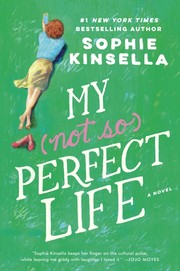
My Not So Perfect Life
Katie chases London creative life while her perfect boss Demeter hides cracks, until a farm trip flips roles.
2,300-word summary · 10 min read
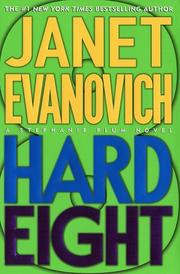
Hard Eight
Janet Evanovich's Hard Eight fully retold: a missing mother and child, Abruzzi's medal hunt, Valerie's rescue, and Ranger crossing a line.
2,961-word summary · 13 min read

Good Girl Complex
A people-pleasing college girl moves to beach town Avalon Bay and falls for a local boy who distrusts her whole world.
2,225-word summary · 10 min read

When in Rome
A burnt-out pop star hides out in small-town Kentucky and falls for the grumpy pie-shop owner hiding her.
2,495-word summary · 11 min read
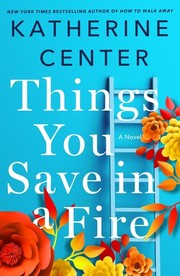
Things You Save in a Fire
A Texas firefighter takes a job at an old Boston-area firehouse and moves in with her estranged mother while facing hazing, old trauma, and love.
2,967-word summary · 13 min read

The Starter Ex
A retired bad-girlfriend-for-hire takes one last job and falls for the mark.
2,092-word summary · 9 min read
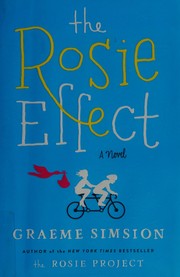
The Rosie Effect
Married in New York, Don Tillman turns Rosie's pregnancy into research and nearly loses her, until a crisis forces him to listen.
2,869-word summary · 13 min read

The Re-Do List
After a public breakup, Willow Lewis redoes her romantic firsts with her brother's best friend while dog-sitting in Des Moines.
2,390-word summary · 11 min read
The Night We Met
She picked the wrong ride home; now her best friend might be the right man.
1,981-word summary · 9 min read

Stuck with You
Sadie gets stuck in a New York elevator with Erik, the rival she blames for a lost client. A short, spicy STEM novella about rivalry and repair.
3,378-word summary · 15 min read

Our Ex's Wedding
A struggling wedding planner and a winery owner who share one heartbreaking ex must join forces to pull off that ex's big day.
2,200-word summary · 10 min read