
Reading options
What's inside (15 sections)
The premise is catnip for pining fans: she picked the wrong guy's car, and the right guy has loved her quietly ever since. Larissa chose Mike that night. Chris has stood by watching, helping, wanting, saying nothing. Now a rescue Yorkie, hospital vigils, and snowstorms keep throwing them together. How long can decency hold against desire? Jimenez stretches that wire across 400 pages without it snapping.
This is slow-burn romance for grown-ups with real problems. Money trouble, sick mothers, allergies that can kill, best friends with demons. The pining gets its full due, but the book never forgets that love happens inside lives, not instead of them.
The ride home
One concert, two friends offering rides, one split-second choice. Larissa picks Mike, the outgoing personal trainer, over quiet pharmacist Chris. That decision shapes years. She dates Mike. She befriends Chris. She never knows what she turned down, though readers learn fast. Chris loved her more or less from the parking lot.
The setup's brilliance is its deniability. Nothing happened that night. No betrayal, no kiss, just a car ride with the wrong man. Everything after is technically innocent, which makes the guilt more interesting. Nobody cheated. Somebody still got hurt the moment feelings formed. Jimenez mines that ambiguity expertly.
Mike himself avoids villainy, which keeps the triangle aching rather than easy. He loves Larissa in his way. He fights private demons she cannot see. His struggles earn sympathy even as his inadequacy as a partner becomes undeniable. A lesser book would flatten him. This one lets him stay human while losing.
Chris waits
Chris is the patron saint of pining done right. Present without hovering. Helpful without scorekeeping, mostly. He drives Larissa's mother to surgery when Mike cannot. He digs out cars in snowstorms. He suggests gifts for Mike to give her, actively assisting his rival out of genuine care. Saints are exhausting to love, and the book knows it.
His restraint has limits that the book explores honestly. Standing by kills him slowly. Every kindness costs. Jimenez shows the physical toll of suppressed feeling: sleeplessness, distraction, outbursts he immediately regrets. Pining is not pretty here. It is erosive, and Chris knows it.
The pharmacy details ground him beautifully. A man who measures doses for a living, precise about everyone else's health, careless with his own heart. Work scenes show competence that contrasts with romantic paralysis. Readers will want to shake him and hug him, often simultaneously.
Larissa juggles
Larissa works side hustles to stay afloat while managing a severe nut allergy, a sick mother, and two men who need her differently. Her chaos reads as economic reality rather than ditziness. Jimenez writes working-class precarity with the specificity of someone paying attention: which bills stretch, which gigs pay, how exhaustion compounds.
Her blindness to Chris lasts exactly as long as psychology allows. She registers his care as friendship because friendship is the category she filed him under that first night. Categories stick. The slow recategorization forms the book's real plot. Every shared walk, hospital hour, and dog walk shifts the file folder slightly.
The allergy subplot does more than add medical suspense, though it does that too. It makes Larissa's vulnerability physical and constant. Chris remembering what could kill her, when her boyfriend forgets, tells the whole story in miniature. Care is attention. Attention is love's first language here.
The Yorkie treaty
The rescue Yorkie deserves co-billing. Unstable, near-feral, hilarious: the dog forces cooperation between people avoiding each other. Co-parenting negotiations create daily contact neither would arrange. Walks become dates that are not dates. Vet visits become family outings that are not family.
Dog people will recognize every beat. The animal chooses its people regardless of official ownership. Its needs override human awkwardness. Its affections distribute unfairly. Jimenez, famous for TikTok dogs, writes this one from deep knowledge. The Yorkie steals scenes without derailing them.
The dog also externalizes the book's theme. Strays choose homes. Homes choose strays back, or do not. Larissa and Chris circle each other the way rescue animals circle new houses: approaching, retreating, testing safety. When the Yorkie finally settles, readers understand what the humans have not yet admitted.
Mike's demons
The book treats Mike's hidden struggles with unusual grace. Without excusing his failures as a partner, it shows the demons consuming him from inside. Addiction, depression, shame: the full weather system. His best-friend status with Chris complicates everything. Loyalty to Mike is the main bar holding Chris and Larissa apart.
Larissa's loyalty to Mike runs on history and guilt as much as love. Leaving someone mid-crisis feels like betrayal even when staying means self-erasure. Jimenez respects that bind instead of rushing past it. The months Larissa spends trying to make it work are not wasted pages. They prove she gave the choice every chance.
The eventual reckoning avoids melodrama. Conversations happen. Truths get spoken at volumes the situation warrants. Mike's response to losing shows growth the book Rights him without redeeming him fully. People can be both sympathetic and wrong for someone. Endings can be kind without being coupled.
Pining, perfected
The slow burn earns its reputation. Every almost-moment lands: hands brushing over leashes, shared blankets in waiting rooms, looks held one second past friendship. Jimenez understands that anticipation outperforms action when managed well. The eventual payoff satisfies precisely because it was delayed past comfort.
Grown-up worries ground the swoon throughout. Money, mothers, medicine, dogs: the romance never floats free of life. That integration is Jimenez's signature strength. Love happens between shifts, during crises, around obligations. Realism makes the fantasy of being chosen feel achievable rather than escapist.
Kirkus starred it. Goodreads made it the year's most-read romance. The numbers make sense. This is comfort food with complete nutrition: funny, moving, responsible about hard things. Pining fans, clear your schedule. The wait, like Chris's, will feel worth it.
Bread and books
Small details accumulate into intimacy. Shared favorite books passed back and forth. Bread opinions held with comic seriousness. Pumpernickel loyalty as compatibility test. These bits could feel like quirk-stacking. Instead they show how well these two know each other already. Friendship did the work romance now harvests.
The hospital chapters deserve special mention. Fluorescent lights, bad coffee, waiting-room time that stretches and compresses. Jimenez writes medical-family stress from evident experience. Chris showing up repeatedly while Mike cannot reads as character thesis in action. Presence is the whole argument.
Larissa's mother adds stakes beyond romance. Early-morning surgery, recovery needs, a daughter stretched thin. The mother sees everything before Larissa admits anything, as mothers do in these books and life. Her quiet nudges accelerate what stubbornness delays. Family as chorus and catalyst both.
The choice, at last
When Larissa finally chooses, the book has earned the moment through hundreds of pages of evidence. No sudden epiphany, just accumulated weight tipping at last. The choice scene itself stays admirably quiet. Two people talking honestly after months of coded kindness. Less fireworks than sunrise.
Mike's handling of the outcome shows his growth and the book's fairness. Hurt, dignified, human. Nobody gets destroyed for the romance to work. That generosity toward all three points distinguishes Jimenez from triangle merchants who flatten the loser. Everyone here stays a person.
The epilogue balances sweetness with realism. Coupledom brings its own negotiations. The Yorkie approves, which frankly matters most. Readers who waited through 400 pages of pining get the payoff with interest. Slowest burn, warmest hearth. Jimenez at her prime, pining perfected and rewarded.
The Jimenez touch
Jimenez writes working-class romance with rare specificity. Side hustles stack realistically. Budgets constrain choices constantly. The characters' money stress never pauses for love scenes. That material grounding distinguishes her from wealth-fantasy romance. Love happens between shifts because shifts never end.
Her comedy timing deserves study. Banter that reveals rather than decorates. Physical humor that embarrasses without cruelty. Dogs as comic relief with inner lives. The funny never undercuts feeling. Instead laughter creates the safety in which feeling becomes bearable. Craft disguised as charm.
Food writing sneaks in as love language. Shared meals mark relationship stages. Cooking for someone signals care louder than speeches. Bread opinions become compatibility metrics. These details accumulate into intimacy more convincingly than grand gestures. Attention to small hungers predicts attention to large ones.
Allergy as plot and theme
The nut allergy subplot could have been a cheap danger device. Instead Jimenez integrates it as theme and plot engine. Vigilance as love. Remembering as care. Forgetting as violence, however unintentional. Every meal becomes a test someone might fail. Sustained low-level dread most thrillers would envy.
Chris remembering what Mike forgets tells everything about both men. Attention is the book's currency, and Chris spends lavishly while Mike hoards. The allergy makes abstract care concrete. Love is remembering the EpiPen. Neglect is forgetting dinner ingredients. Bodies keep the score that hearts dispute.
Larissa managing a life-threatening condition while broke adds stakes to every ordinary scene. Restaurants become risk zones. Kitchens require protocols. Dating means disclosing mortality early. The book treats chronic vigilance with respect rather than pity. Survival logistics as daily heroism, unglamorous and essential.
The Mike problem, fairly stated
Mike deserves a fair hearing because the book gives him one. Charming, struggling, loved by his best friend for real reasons. His demons are genuine, not plot conveniences. Addiction and depression shape his failures without excusing them. Readers will understand why Larissa chose him first and why Chris stays loyal despite everything.
His friendship with Chris forms the book's other great relationship. History, loyalty, shared jokes, mutual rescue: the full texture of long male friendship, written without cliché. That bond is what makes the triangle tragic rather than merely tense. Someone good gets hurt no matter what. There is no villain to blame, only feelings to survive.
The book's patience with Mike pays off in the finale. His response to losing shows the growth the story allowed him all along. Dignity in defeat is harder to write than villainy in defeat. Jimenez chooses harder and succeeds. Even readers team Chris will grieve a little for Mike. That grief is the point.
Pining as practice
What the book understands about pining is its professional dimension. Chris practices love the way musicians practice scales: daily, unglamorous, compounding. Showing up. Remembering. Helping without invoice. The unreciprocated years were not wasted. They trained him in exactly the attention lasting love requires.
Larissa's slowness reads similarly as practice rather than flaw. She tests, observes, compares lived evidence. Her caution comes from experience with men who disappointed. Taking time is wisdom, not blindness. When she finally sees Chris clearly, the seeing rests on hundreds of data points. Slow conclusions hold.
The Yorkie, comic relief and thematic mirror both, practices attachment in fast-forward. Stray to settled in weeks. Humans take longer, with more backsliding. Watching all three timelines together teaches the book's quiet lesson. Love is a skill. Skills improve with reps. Reps require showing up daily.
Worth the wait
Goodreads named it the year's most-read romance, and the numbers make sense on the page. Accessibility plus depth is a rare combo. Newcomers get swept. Veterans get fed. The 400 pages justify themselves through density of feeling rather than incident.
Kirkus starred it for good reason. The craft shows in every delayed gratification and paid-off detail. Nothing wastes. The bread, the dog, the allergy, the shifts: all Chekhov's guns firing on schedule. Rereads will reveal plantings invisible the first time. Architecture disguised as accident.
Jimenez at her prime means romance with complete nutrition. Laughs, tears, ethics. The pining perfected here sets a standard the genre will chase. Chris waited years. Readers wait 400 pages. Both waits pay off. Some things are worth showing up for, daily, until they choose you back.
FAQ
When was The Night We Met published?
Forever published it on March 24, 2026. The hardcover runs 400 pages with ISBN 9781538780794.
Is it part of a series?
It shares a universe with Say You'll Remember Me but stands alone for new readers.
Who are the three points?
Larissa, quiet Chris, best friend Mike, a rescue Yorkie, and Larissa's mother.
Similar books

The Happy Ever After Playlist
Sloan takes in a lost dog while grieving her fiance, then falls for its owner, a touring musician, through texts and playlists.
3,199-word summary · 14 min read

Shopaholic and Sister
Becky Brandon returns from a ten-month honeymoon to meet the half-sister she always wanted, then discovers that Jess is thrifty, prickly, and nothing like the…
2,591-word summary · 12 min read

Ten Big Ones
Stephanie witnesses a gang robbery dressed as a devil, and the Comstock Street Slayers put her on a list of people to kill.
2,062-word summary · 9 min read
Bridget Jones: The Edge of Reason
Bridget doubts Mark, takes a job with Daniel, and lands in trouble in Thailand.
2,198-word summary · 10 min read
Shopaholic Ties the Knot
Becky Bloomwood plans two weddings at once while debts pile up and Luke's mother interferes.
2,218-word summary · 10 min read
Playing for Keeps
Childhood neighbors Haley and Jason turn a long prank war into a fake relationship that turns real.
2,571-word summary · 11 min read
Hello Stranger
Portrait artist Sadie loses face recognition after brain surgery and must finish a contest piece while falling for two men.
2,210-word summary · 10 min read

Tangled
Told by a cocky businessman, a bet to win the new associate who rejects him turns into real pursuit, strict rules, a painful reveal and a wedding-level happy…
2,868-word summary · 13 min read
The Roommate
Uptight Clara shares a flat with porn star Josh and teams up to build ethical adult films for women.
2,362-word summary · 10 min read
The Proposal
Nik says no to a stadium proposal and rebounds with Carlos in flirty LA romance.
2,044-word summary · 9 min read
Shopaholic Takes Manhattan
Becky and Luke move to New York where shopping fame tempts her to ruin both.
2,025-word summary · 9 min read
Shopaholic and Baby
Pregnant Becky shops for the perfect nursery while Luke's ex becomes her obstetrician.
2,247-word summary · 10 min read
Seven Up
Stephanie hunts old mobster Eddie DeChooch, finds a body, a missing heart, and trouble from Morelli to Ranger.
2,798-word summary · 12 min read
My Not So Perfect Life
Katie chases London creative life while her perfect boss Demeter hides cracks, until a farm trip flips roles.
2,300-word summary · 10 min read
Hard Eight
Janet Evanovich's Hard Eight fully retold: a missing mother and child, Abruzzi's medal hunt, Valerie's rescue, and Ranger crossing a line.
2,961-word summary · 13 min read
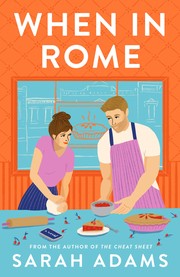
When in Rome
A burnt-out pop star hides out in small-town Kentucky and falls for the grumpy pie-shop owner hiding her.
2,495-word summary · 11 min read
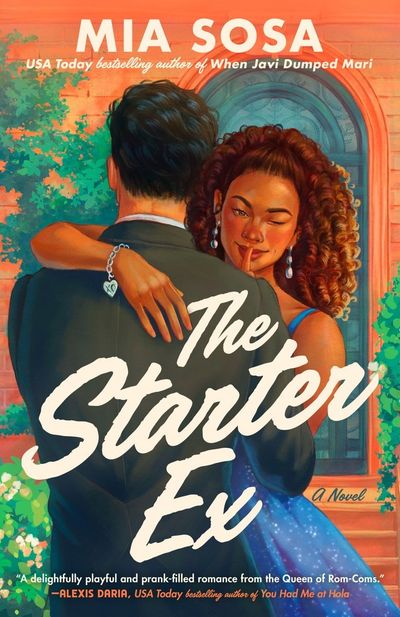
The Starter Ex
A retired bad-girlfriend-for-hire takes one last job and falls for the mark.
2,092-word summary · 9 min read
The Rosie Effect
Married in New York, Don Tillman turns Rosie's pregnancy into research and nearly loses her, until a crisis forces him to listen.
2,869-word summary · 13 min read
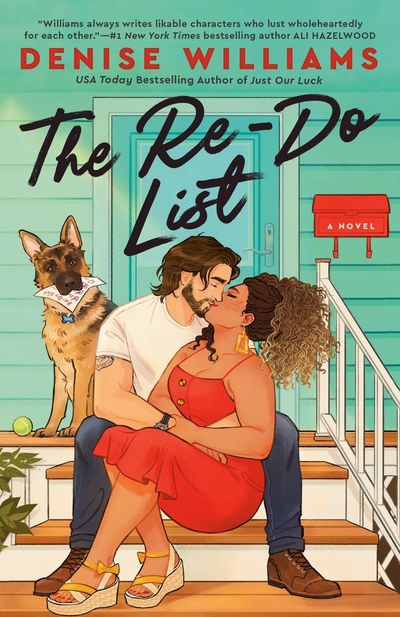
The Re-Do List
After a public breakup, Willow Lewis redoes her romantic firsts with her brother's best friend while dog-sitting in Des Moines.
2,390-word summary · 11 min read
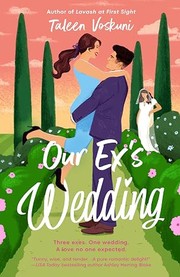
Our Ex's Wedding
A struggling wedding planner and a winery owner who share one heartbreaking ex must join forces to pull off that ex's big day.
2,200-word summary · 10 min read
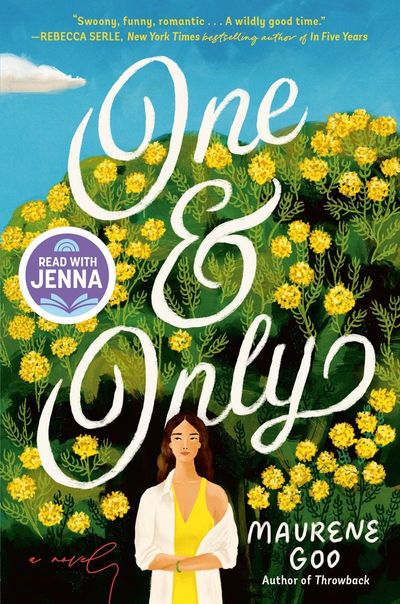
One & Only
Matchmaker Cassia Park finds fated love for everyone but herself, until a 28-year-old fling and a new boss named Daniel Nam collide.
2,033-word summary · 9 min read
Just for the Cameras
A grumpy football star and a sunny flamingo keeper fake a romance for the cameras, then catch real feelings fast.
2,366-word summary · 11 min read
In Her Own League
Baseball's first female owner clashes with her manager until banter turns to heat.
2,076-word summary · 9 min read
How to Write a Love Story
A blocked author and her editor get two weeks to finish her late father's epic.
2,095-word summary · 9 min read
How to Kill a Guy in Ten Dates
A horror buff trapped at a speed-dating night with a killer uses slasher rules to survive to the last date.
2,226-word summary · 10 min read
Good Material
A struggling comic replays his breakup with Jen while sofa surfing, bombing gigs and missing the other half of the story.
2,500-word summary · 11 min read
Fundamentals of Being a Good Girl
Broke law grad Maddie takes a nanny job and falls for her boss, a single dad ecology professor, after a red hot bar hookup in Kansas.
2,171-word summary · 10 min read
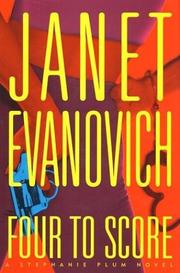
Four to Score
Stephanie hunts waitress Maxine Nowicki through coded clues, firebombs, and counterfeit cash while living with Morelli in Trenton.
2,870-word summary · 13 min read
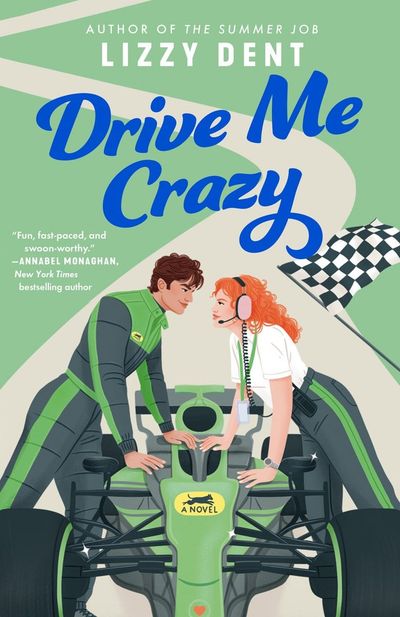
Drive Me Crazy
A rookie F1 team principal and her comeback-driver childhood crush must save their failing team without wrecking each other.
2,236-word summary · 10 min read
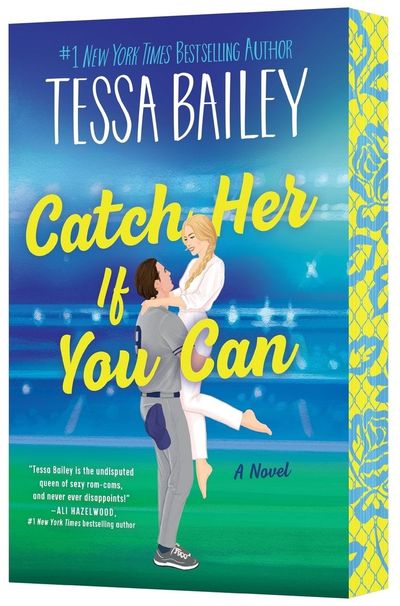
Catch Her If You Can
Yankees catcher Madden proposes a secret marriage of convenience to burlesque club owner Eve when two kids land on her doorstep.
2,187-word summary · 10 min read